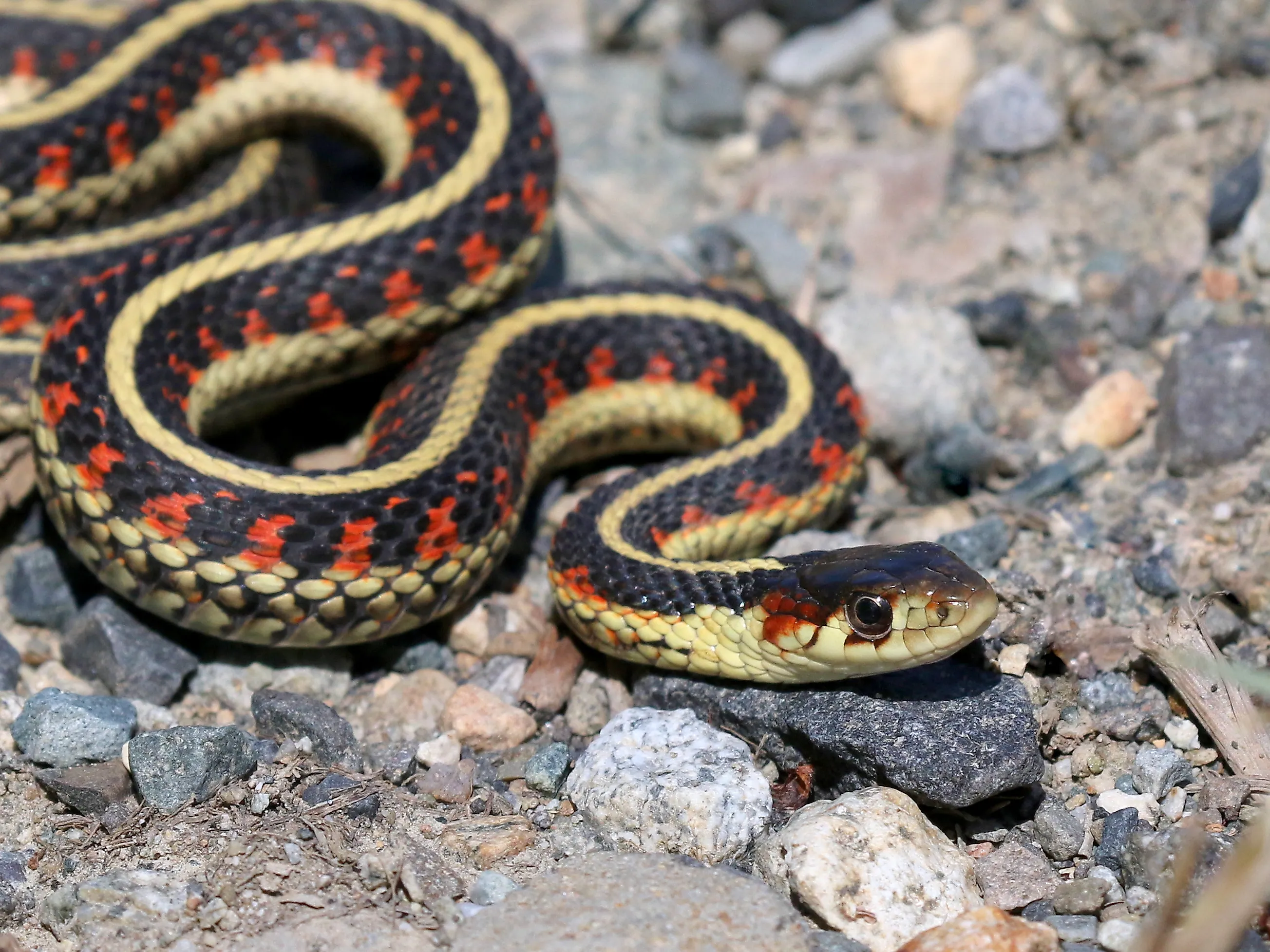
The Most Snake Infested Rivers In Rhode Island
Those who traverse Rhode Island’s waterways should watch out; a snake may be slithering nearby. Rhode Island has around 1,392 miles of river spread across three main river systems, which provide ample habitat for wildlife, including snakes. Rhode Island is home to 13 native species of snakes, but fortunately, none of them are venomous or pose a danger to humans. Snakes in this state frequently inhabit riverbanks, vegetation, and shallow waters, requiring visitors to stay vigilant and cautious while navigating the area. The area a person is in often determines the types of snakes they are likely to encounter.
Blackstone River

The Blackstone River rises in Massachusetts and flows southeast before entering Rhode Island, where it crosses the northeast corner of the state. It eventually flows into and becomes the Seekonk River after a total course of approximately 50 miles. Although not particularly long or wide, the river is home to a diverse array of fish, aquatic mammals, and snakes.

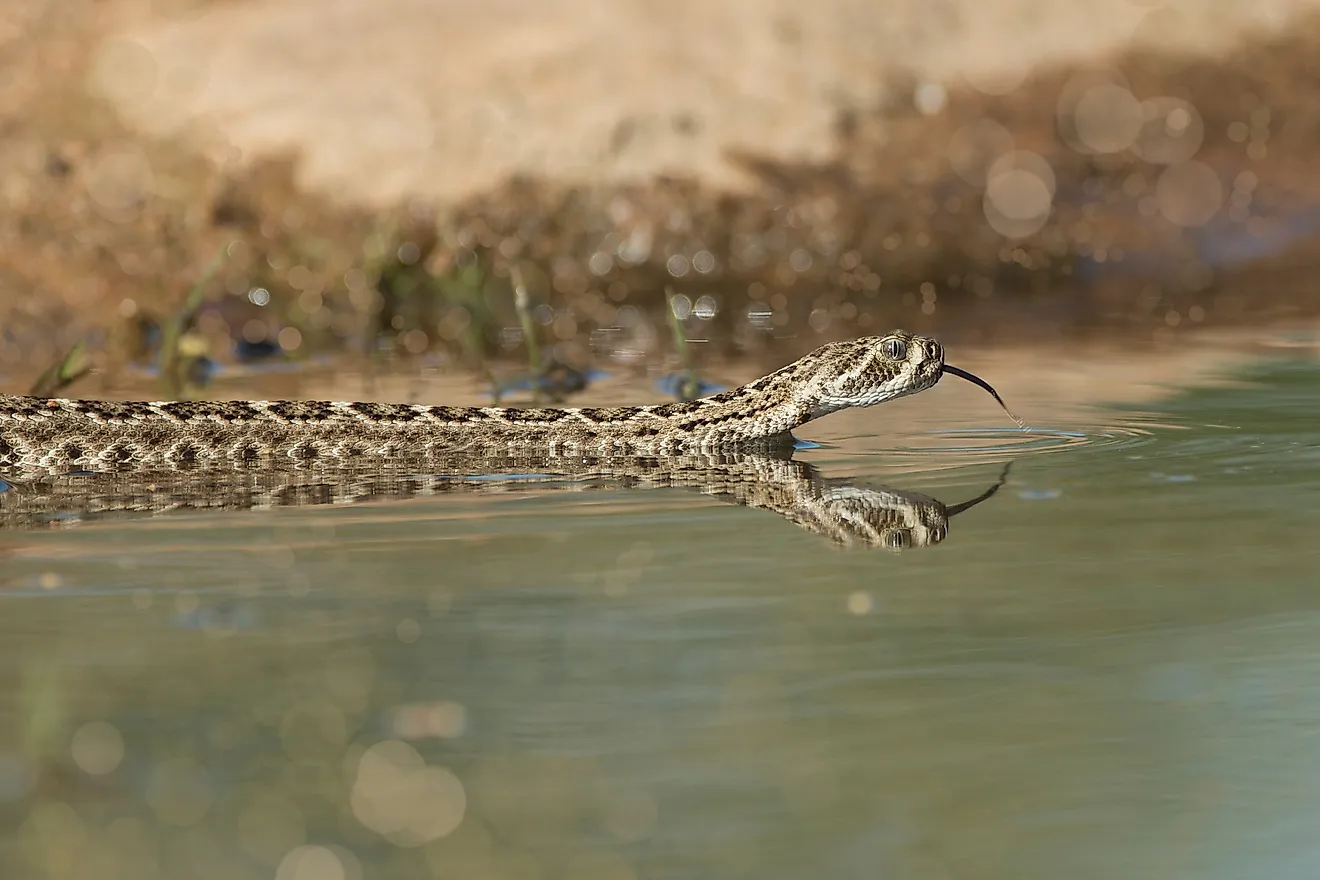
The Northern Watersnake (Nerodia sipedon sipedon) is found in the Blackstone River Valley. These species are competent swimmers and seldom stray far from wetlands, lakes, and streams. They can move quickly either on or below the surface, and are most commonly seen around the edges of bodies of water, where they will bask on rocks and vegetation or search for prey. Although these snakes will choose to flee if approached or threatened, they will not hesitate to bite if cornered or captured. Despite the absence of venomous snakes in Rhode Island, Northern Watersnakes sometimes flatten their heads to imitate the venomous Cottonmouth (Agkistrodon piscivorus) and deter predators.
Pawtuxet River

The Pawtuxet River is the largest river in Rhode Island that begins and ends within state lines, rising in the western part of the state. It supplies Rhode Island with much of its drinking water, offers many recreational opportunities, and supports a diverse ecosystem for a wide variety of wildlife. This waterway is also known to have some of the cleanest freshwater in the state. The river flows into the Narragansett Bay of the Atlantic Ocean.
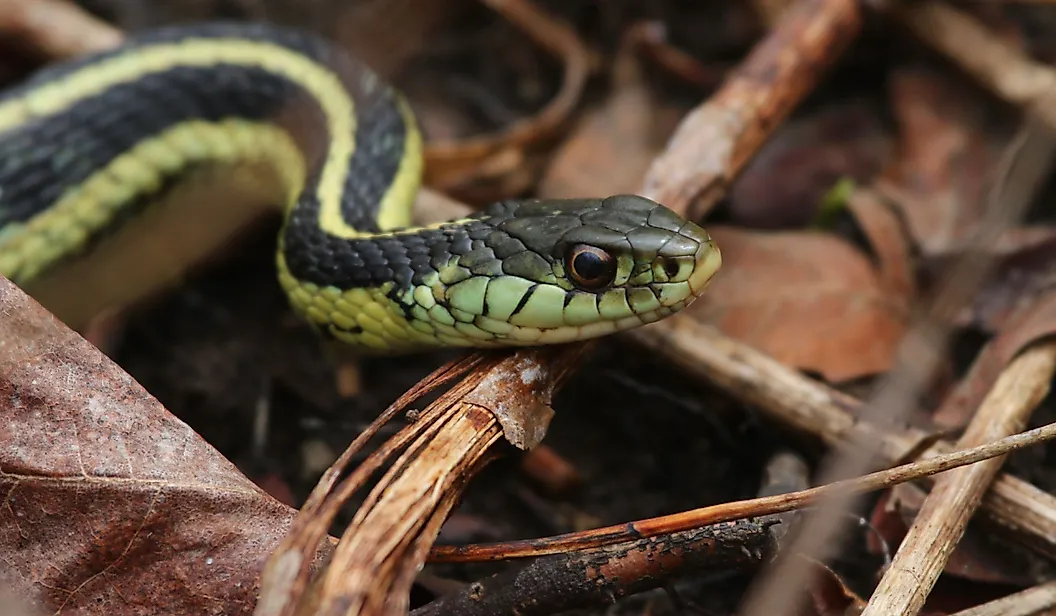
The Common Garter Snake (Thamnophis sirtalis sirtalis) occurs within the Pawtuxet River. As Rhode Island’s most widespread snake, it is found in many different habitats, including wetlands, forests, rocky hillsides, and residential areas. They will readily enter water where they prey on fish, tadpoles, and amphibians. Although they are not venomous, their saliva does contain a toxin that affects the small animals they prey on, and in humans who are bitten, it may possibly cause a rash.
Wood-Pawcatuck River

The Wood-Pawcatuck Rivers System sits between southeastern Connecticut and southwestern Rhode Island. The Wood-Pawcatuck Watershed is designated as a wild and scenic river. The Pawcatuck River flows through a rural wooded area and is one of the least developed watershed ecosystems between New York and Boston. The watershed also contains considerable aquatic habitat for different species of wildlife.

The Eastern Hognose Snake (Heterodon platirhinos) occupies the watershed, favoring areas with sandy soil or sandy woodlands and grassland. This species of snake is generally more common in the interior of the state rather than on the coast. It feeds mostly on a diet of toads but will also consume small animals. Eastern Hognose Snakes are regarded as one of the more docile snakes of Rhode Island, choosing to roll over and play dead if threatened.
Rhode Island's Serpents
Snakes are a key part of Rhode Island’s ecosystems, found throughout the state in different habitats, including the rivers. Despite fears of snakes, the snakes in Rhode Island pose no threat to humans. The only native venomous snake of Rhode Island, the Timber Rattlesnake (Crotalus horridus), has been state-extinct for close to 50 years. Snakes are beneficial in natural pest control for rodents and insects; if encountered, they should be left alone and allowed to move on by their own accord.