The Most Snake Infested Rivers In Maine
If you suffer from ophidiophobia, also known as the fear of snakes, and are planning a trip to Maine, don’t worry. The state has no venomous species. That doesn’t mean it's snake-free, however. Maine’s native reptiles include nine snakes, several of which like to make their home near waterways.
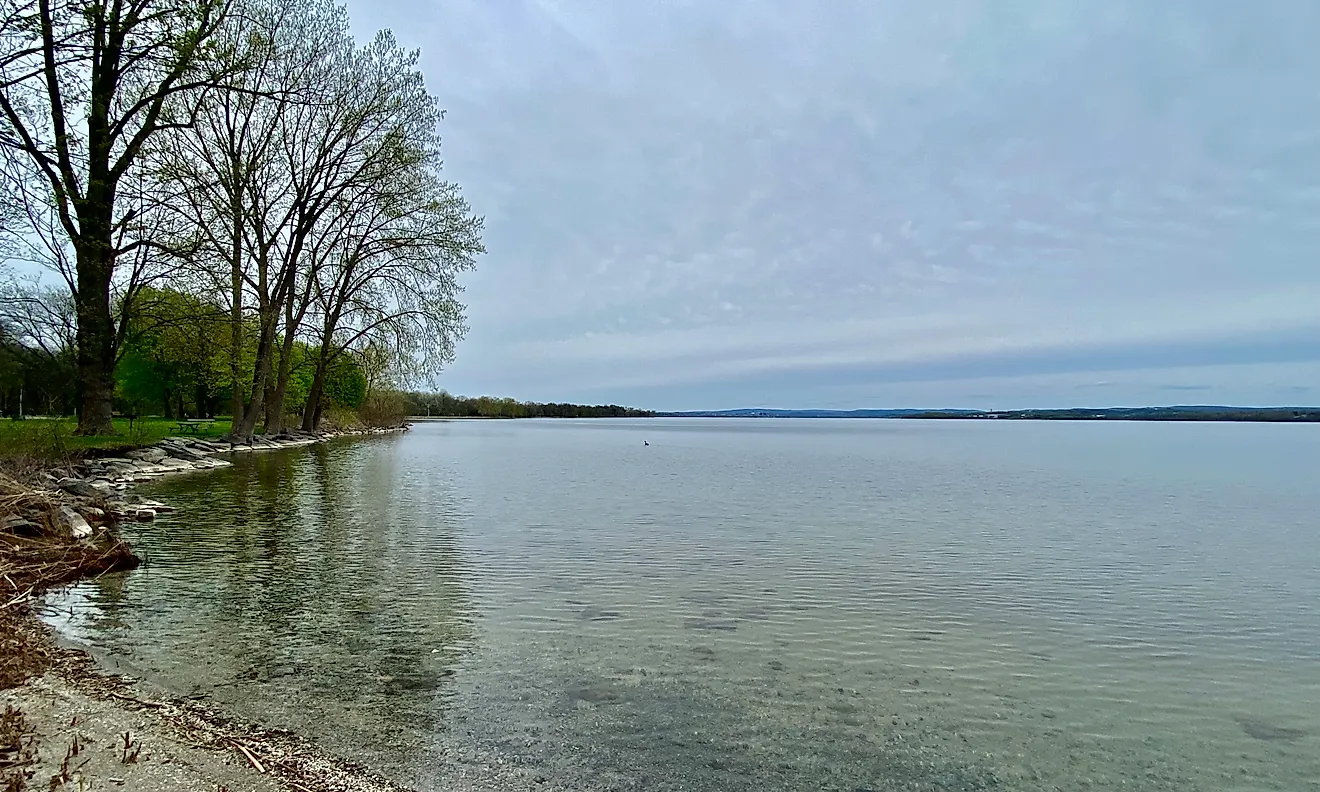
Not just popular with boaters, swimmers, and anglers, Maine’s beautiful rivers are also teeming with biodiverse life. These watery habitats provide the shelter and food that species like the Common Watersnake need to thrive, so in this northern corner of New England, it’s not unusual to share the water with some local wildlife. Below, we take a look at some of the state’s most notable rivers, which are also healthy habitats for snakes.
Kennebec River

The Kennebec River flows over 170 miles south from Moosehead Lake into the Gulf of Maine, where it empties into the Atlantic Ocean. The third-largest river in the state, the Kennebec takes its name from the Abenaki word kínipeck, meaning "large body of still water".

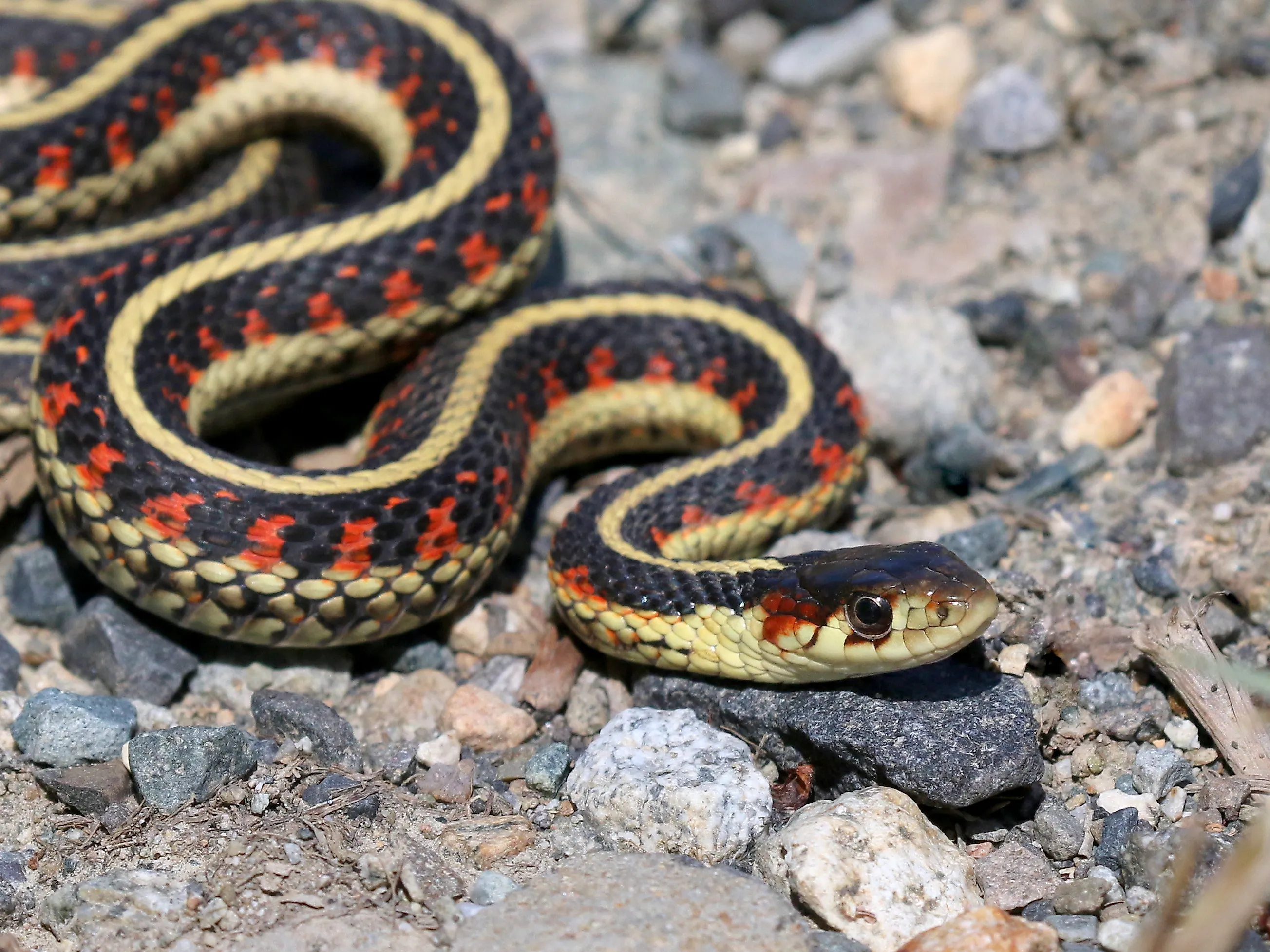
The mighty river’s huge watershed stretches over 6,000 square miles and supports an array of wildlife, including seals, river otters, bears, minks, bald eagles, and ospreys. According to a 1878 report, several people saw a monstrously large, spotted snake on the banks of the Kennebec River that was around 10ft long. While this snake was likely the product of imagination and rumor, there are several serpents living in and around the Kennebec watershed. The two you’re most likely to encounter are the Common Garter snake and the Common Water snake. Both have healthy populations in the area and are harmless to humans. Neither reaches up to 10ft long. The garter snake is about 36 inches long, while the water snake can reach up to 48 inches.
The Penobscot River

At 240 miles, the Penobscot is New England’s second-largest river and Maine’s longest. Once a primary driver of the local economy, the river was used to transport logs out of the North Woods in the 19th century, helping grow the timber industry. It also supported paper mills and agricultural areas. The Penobscot is also one of Maine’s most popular recreational waterways, known for its whitewater rafting and fishing. The river is well-stocked with many game fish species, including brook trout, salmon, smallmouth bass, white perch, and chain pickerel.

The Penobscot watershed is a haven for Common Water snakes, which prefer habitats near still or slow-moving streams and can be found basking on rocks, logs, beaver dams, and lodges. You can identify this species from its dark, thick body, which is covered in brown or black blotches or bands. The scales on their bellies also have distinctive half-moon shapes, red or black. Water snakes breed in April, May, and early fall, giving birth in late summer. They hibernate in the cold months of winter, curling up in rocky crevices or beaver and muskrat tunnels.
Androscoggin River

The Androscoggin flows 164 miles through northern New England, beginning in New Hampshire and meandering south to join the Kennebec River at Merrymeeting Bay. Once one of the most polluted rivers in the country, it’s now a year-round playground for anglers, kayakers, and boaters as well as a thriving ecosystem loaded with fish and other aquatic wildlife.

As its name suggests, the Common Garter snake is a common sighting around the Androscoggin River area. You can easily spot it from the three bright yellow stripes running down its dark-colored body. Although not an aquatic snake, the garter snake favours wet habitats such as marshes, streams, and bogs. It can find plenty of prey in these areas, feeding on amphibians and fish. In the winter, the snake moves upland to find a cozy place to den, such as an ant mound or a rodent burrow.
Maine’s snakes are non-venomous, but that doesn’t mean they shouldn’t be treated with respect. Never handle or disturb snakes. The most common aquatic snake in Maine, the Common Watersnake, doesn’t pose much risk to humans, but it will bite and void itself as a defense mechanism when handled. If you see one sunning itself by the banks of a Maine river or gliding through the water, keep your distance, give it space, and enjoy the moment.
Seeing snakes in their natural environment is an excellent opportunity to make memories and dispel some myths. While they have a scary reputation, snakes are typically shy and reclusive creatures that prefer avoidance to aggression. They would much prefer to get out of your way than start a fight. These fascinating creatures have been in Maine long before it was even a state; it’s a privilege to share and enjoy the beautiful waterways with them.