The Most Snake Infested Lakes In Florida
Florida’s lakes double as snake superhighways. The secret sits at the waterline, where cattails, hydrilla, and flooded grass form a warm, sheltered edge packed with frogs, small fish, and rodents. Many species hunt by scent and vibration here, gliding through vegetation with only their eyes exposed.
On still mornings, watersnakes and cottonmouths soak up heat on floating logs, then slip into shade to regulate body temperature like living thermostats. Shallow giants such as Lake Okeechobee concentrate prey along miles of shoreline, while prairie lakes near Tallahassee expand and contract with rainfall, repeatedly refreshing feeding grounds. In the Everglades, Burmese pythons use these same routes as corridors for an outsized predator.
What to Know Before You Go
Stay on established trails and avoid stepping into thick shoreline vegetation. Keep an extra watch along the waterline around logs, reeds, and low branches. If you spot a snake, give it space and back away calmly without trying to handle it.
The Lakes Of The Everglades

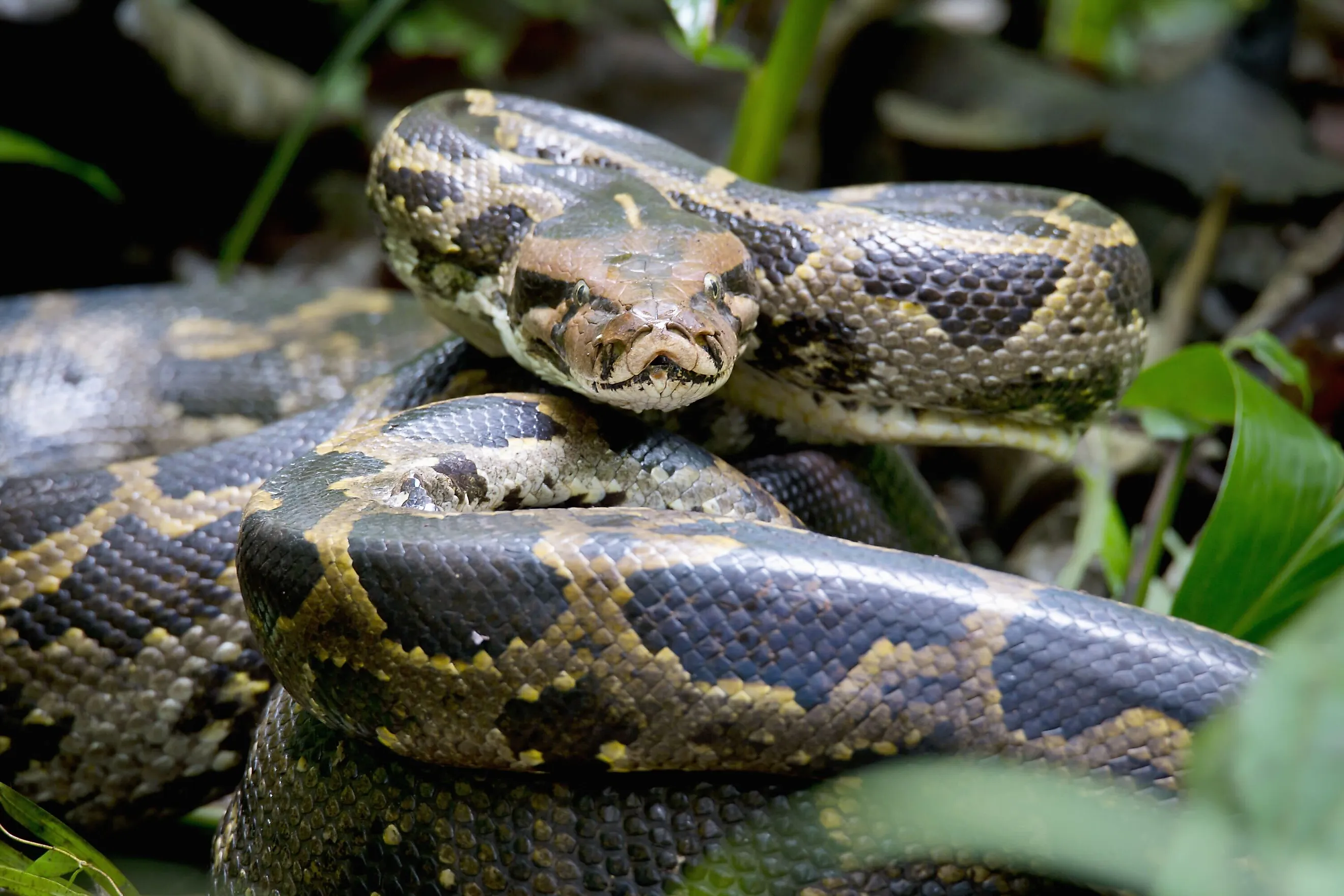
The large and powerful Burmese python has dominated the Florida Everglades for decades, fueled by releases and escapes tied to the exotic pet trade. Many scientists also point to Hurricane Andrew (1992) as a major turning point after captive facilities were damaged in South Florida.
These snakes are built for stealth: strong swimmers, patient ambush hunters, and capable of remarkable growth. Burmese pythons can exceed 18 feet and weigh more than 200 pounds, and Florida’s record-setting capture measured nearly 18 feet and weighed 215 pounds.
Everglades National Park, which includes many small lakes, has taken the brunt of the invasion so far. As the population spreads, sightings continue to push outward toward Naples and beyond.
Lake Okeechobee

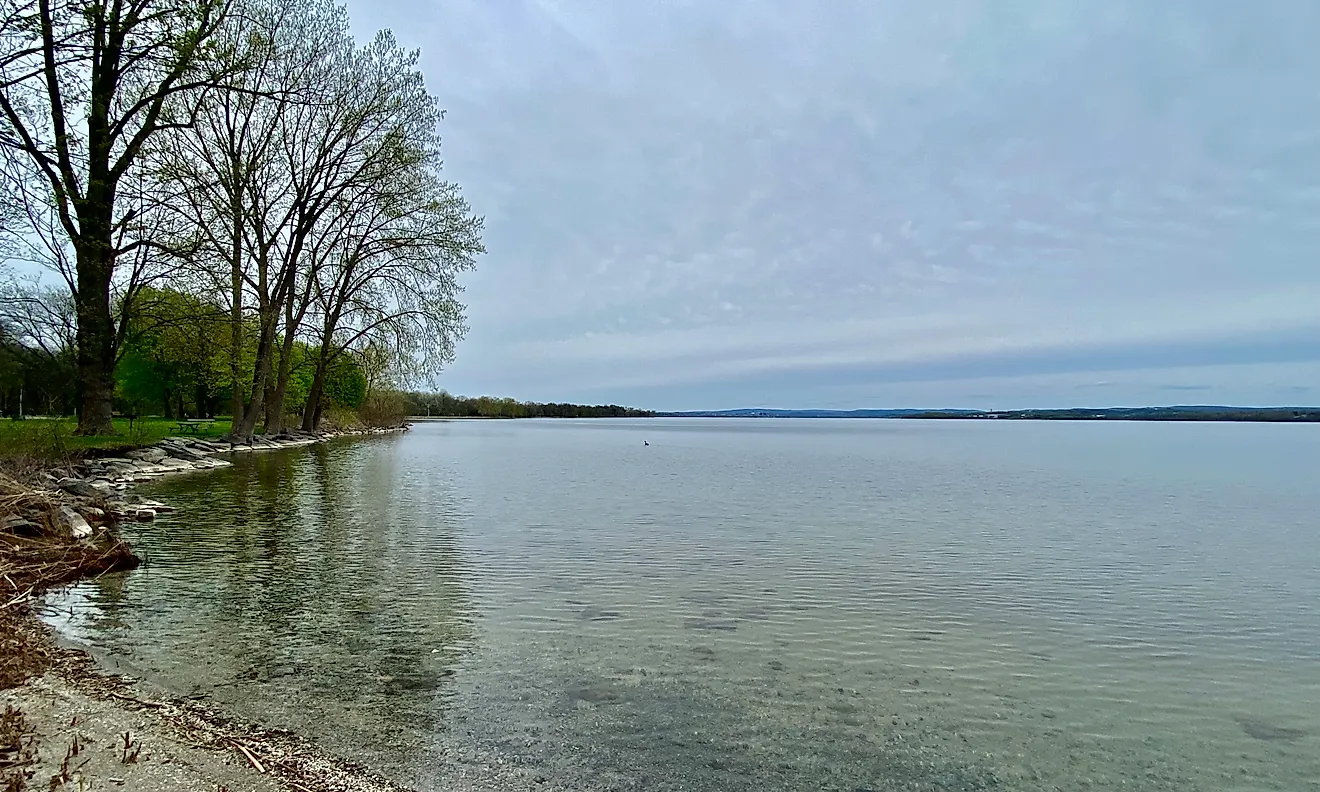
Lake Okeechobee is Florida’s largest freshwater lake, covering about 730 square miles. It’s famously shallow for its size, averaging around nine feet deep, which keeps the shoreline zone warm and active through much of the year.
Anglers come for largemouth bass, bluegill, and black crappie, while the marshy edges support a constant churn of smaller prey animals. That busy food chain also makes the lake’s rim a natural hunting lane for snakes.
Florida is home to 46 native snake species, and six are venomous. Around Okeechobee, many sightings involve water-associated species moving through reeds, grass mats, and canal edges.
Snakes commonly spotted in the broader Lake Okeechobee region include Florida green watersnakes, brown watersnakes, Eastern kingsnakes, Brahminy blind snakes, and Florida kingsnakes.
Lake Seminole

Northwestern Florida/Southwestern Georgia’s Lake Seminole is a long reservoir and the anchor water feature for Three Rivers State Park. It was filled in 1958 after the construction of the Jim Woodruff Dam, creating a broad, wildlife-rich shoreline.
Flooded timber, grassy edges, and shallow backwaters keep this lake productive for fish and amphibians, and that steady prey base supports frequent snake activity along the margins.
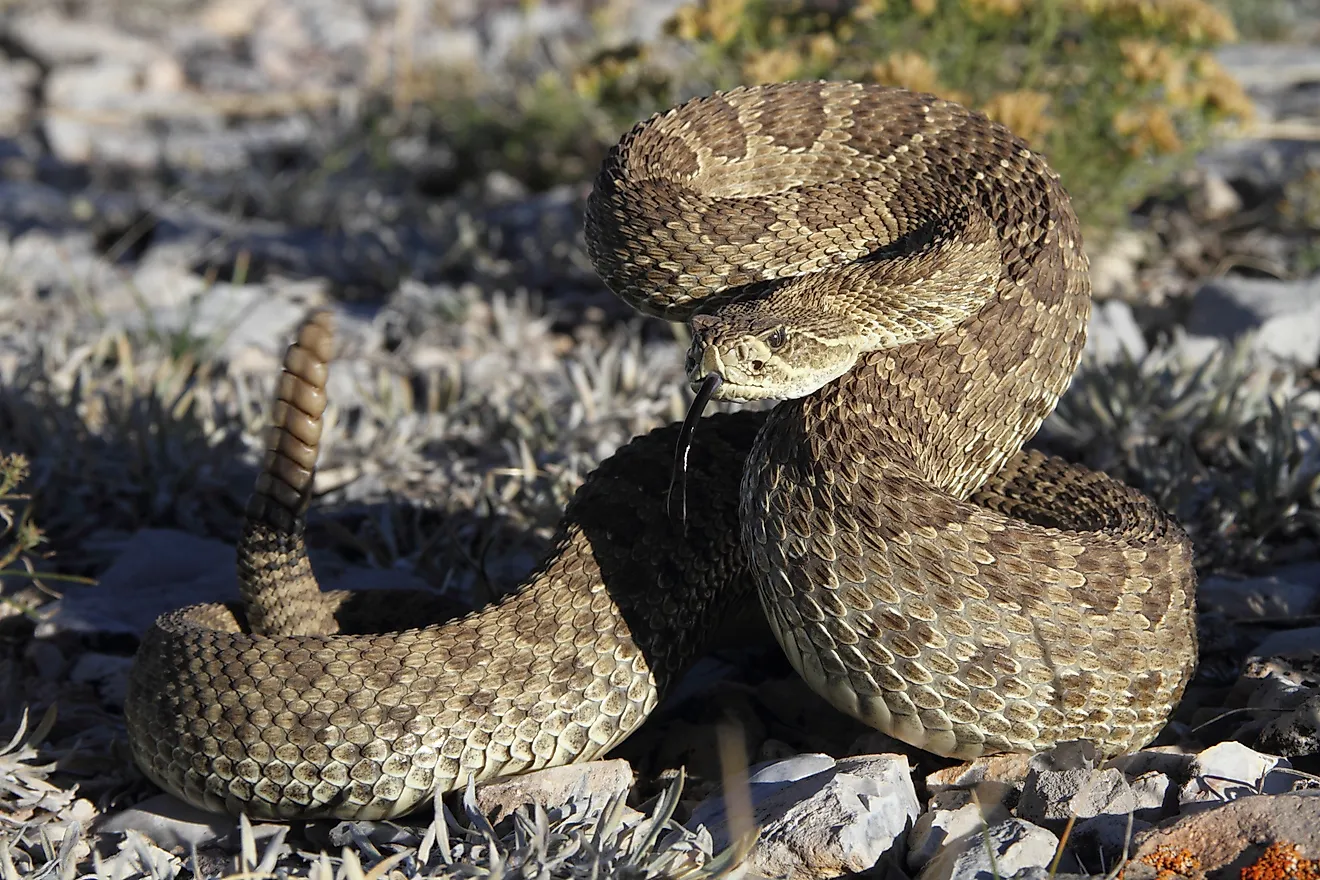
Reported species around Lake Seminole include timber, eastern diamondback, and pygmy rattlesnakes, along with cottonmouths (water moccasins) and several non-venomous watersnakes that share similar patterns.
Lake Iamonia

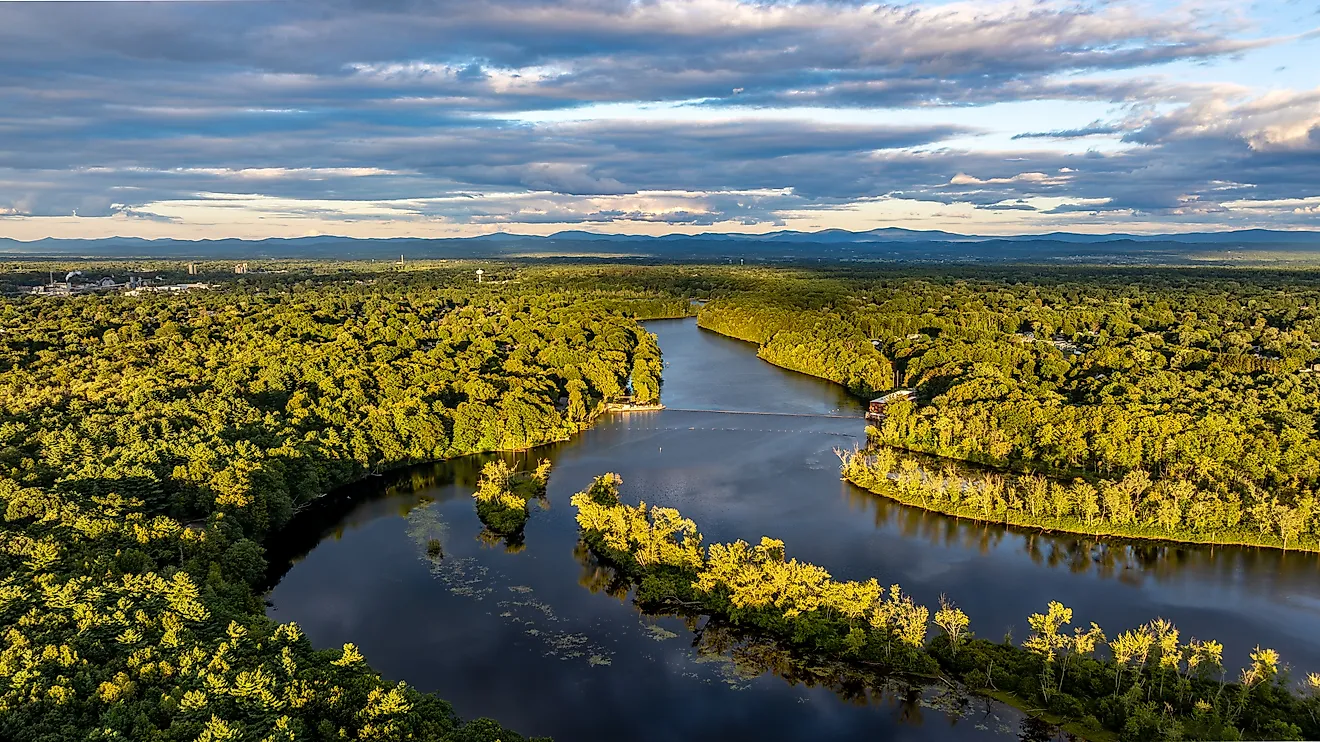
Leon County’s Lake Iamonia, immediately north of Tallahassee, stretches roughly seven miles and sits close to the Georgia line.
It behaves like a classic “sinking lake,” with water levels that can change dramatically as the basin drains through natural underground features and refills with seasonal rains. That shifting shoreline repeatedly refreshes feeding zones along the reeds and grasses.
Identified species include banded watersnakes, Florida green watersnakes, cottonmouths, Eastern kingsnakes, corn snakes, red-bellied snakes, Southern ribbon snakes, ringneck snakes, and scarlet snakes.
Lake Talquin

Less than half an hour west of Tallahassee, Lake Talquin is a reservoir with a surface area a little over 10,000 acres (about 15 square miles) and more than 40 miles of shoreline when its winding inlets are included.
The lake’s coves, timbered edges, and shaded banks create consistent snake habitat along the margins, especially near fallen branches and low vegetation. Cottonmouths, red-bellied watersnakes, and brown watersnakes are among the most frequently reported in the area.
Lake Talquin also attracts birdwatchers, with rich habitat that supports a long seasonal rotation of species.
Snakes play an important role in Florida’s lake ecosystems by helping regulate rodent populations and providing food for larger wildlife. At waterside destinations, the best approach is simple: scan the shoreline, keep a respectful distance, and let the animals continue on their way.