The Last Free-Flowing River Left In America
It is the Yellowstone, running 692 miles from a peak in the Absaroka Range to its confluence with the Missouri in North Dakota, and the National Park Service calls it the last major undammed river in the lower 48. That claim needs two immediate footnotes, because both are more interesting than the headline. There is concrete in this river, including a diversion structure near Glendive that blocked an endangered fish for decades, so undammed means no reservoir rather than no construction. And it very nearly was dammed, in the 1970s, by a proposal that got as far as a named site before a coalition of ranchers and anglers killed it. What survived is a river that still floods when it wants to, which in June 2022 meant closing Yellowstone National Park for the first time in its history.
Here is what the Yellowstone actually is, what nearly happened to it, and what free-flowing buys you.
692 Miles Without A Reservoir

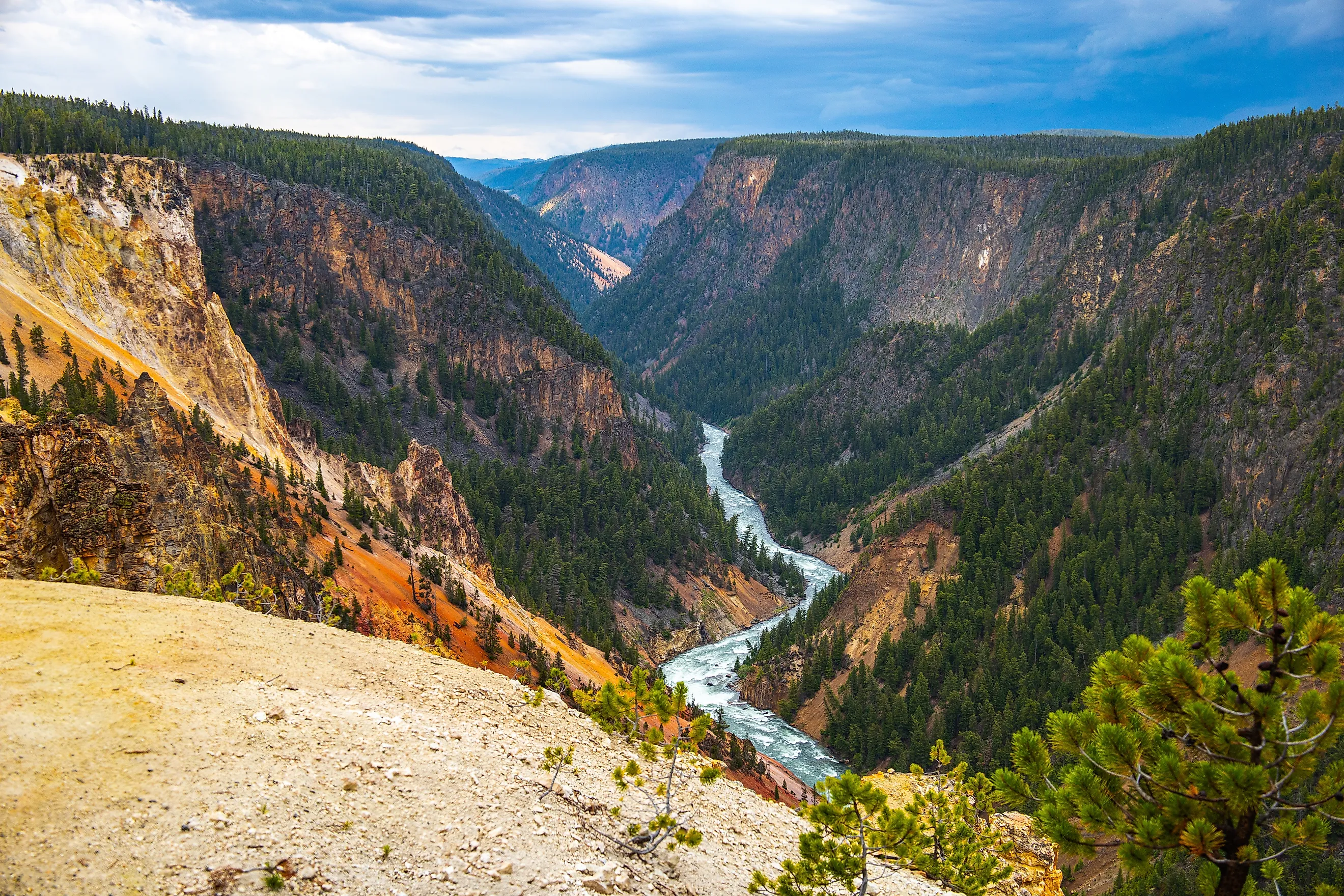
The river starts on Yount Peak in northwestern Wyoming at over 12,800 feet, enters Yellowstone National Park, fills Yellowstone Lake, leaves it at Fishing Bridge, and drops over the Upper and Lower Falls into the Grand Canyon of the Yellowstone. The Lower Falls alone is 308 feet, close to twice the height of Niagara.
From there it runs through Montana and clips North Dakota before joining the Missouri northeast of Sidney. It drains roughly 70,000 square miles, an area larger than all six New England states combined, and it is the 23rd longest river in the country.
Worth noting that the length figure moves depending on the source. Most give 692 miles. The Park Service's own page gives 671. Rivers are hard to measure when they run through lakes and canyons.
Undammed Does Not Mean No Concrete

This is the caveat everyone skips, and it matters.
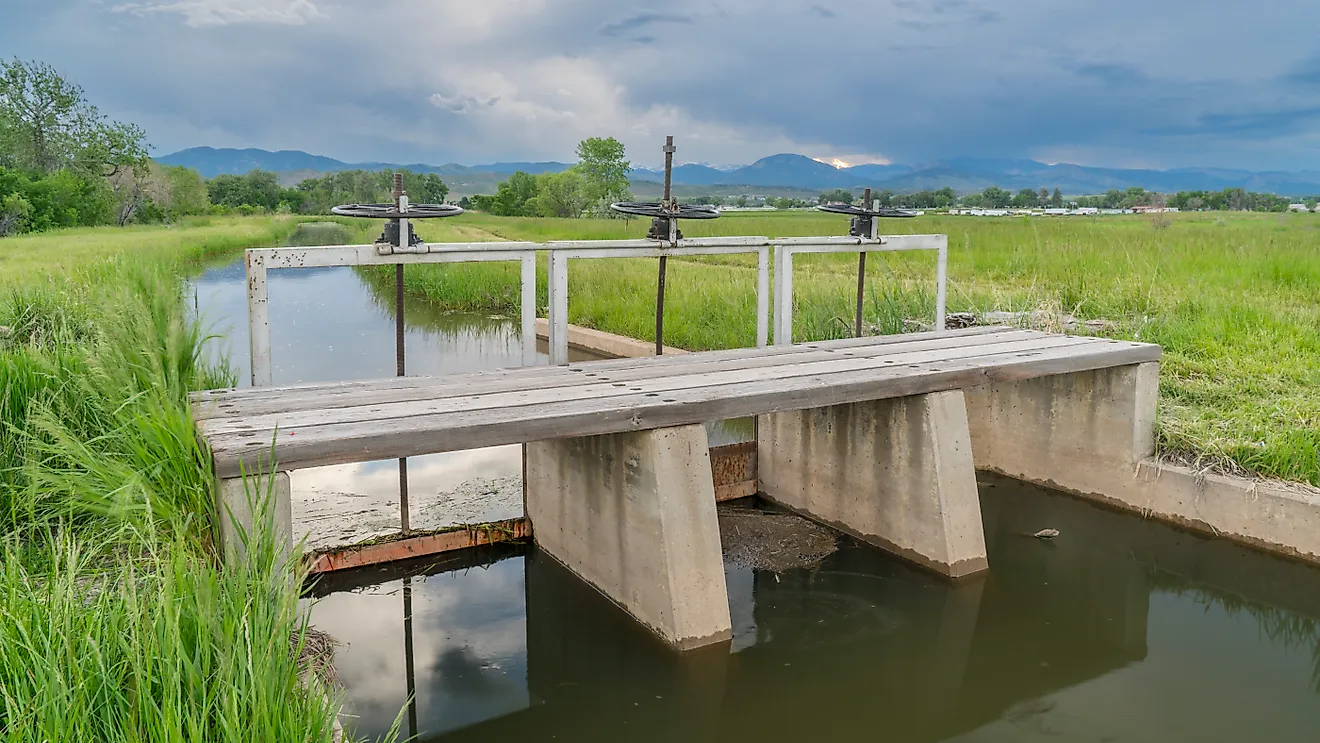
There are numerous low-head dams along the lower Yellowstone. The largest structure on the entire river is the Intake Diversion Dam east of Glendive, which pulls water for irrigation. The technical claim is that the river has no mainstem impoundments, meaning nothing that creates a reservoir and flattens the natural flow regime, and that is true.
What is not true is that everything on the river was harmless. Intake was a barrier to pallid sturgeon, an endangered fish whose Montana range includes this stretch, and Montana Fish, Wildlife and Parks has been blunt that damming, channelizing and diking destroyed much of its habitat. A bypass channel was eventually engineered so sturgeon could get around the structure.
So the honest version is that the Yellowstone is the longest river in the Lower 48 with an intact flow regime, which is a mouthful and also the actual distinction.
It Was Nearly Dammed At Allenspur

The reason the Yellowstone survived is not that nobody wanted to dam it.
In the 1970s a proposal advanced to build a dam at Allenspur, just upstream of Livingston, which would have flooded Paradise Valley. That is the hundred-mile stretch between the Gallatin and northern Absaroka ranges that now carries most of Montana's floating and fishing traffic.
It was defeated by an unusual alliance of ranchers, anglers and conservationists, groups that agree on very little and agreed on this. The West was largely dammed by coalitions that never met this kind of resistance, which is why the Yellowstone is the exception rather than the rule.
Then Montana Did Something Unusual

Killing the dam only settled the question for one generation. What made it durable was water law.
After the Allenspur fight, Montana reserved a substantial volume of the Yellowstone's water to remain instream, meaning legally allocated to the river itself rather than to any diverter. In a prior appropriation state, where water rights are normally claims to take water out, reserving a flow so that the river cannot be fully drained is a genuinely unusual move.
That reservation is why the river is still wet in dry years, and it is arguably a bigger deal than the dam that never got built.
What Free-Flowing Actually Buys You
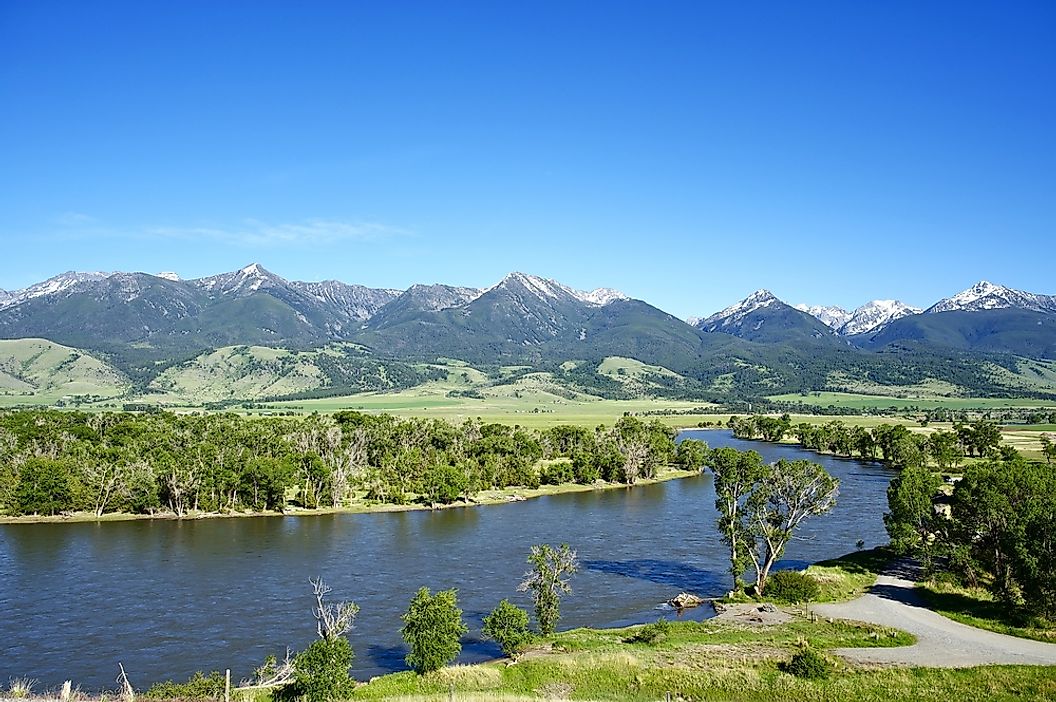
An undammed river does three things a dammed one cannot, and all three are visible from the bank.
It floods on schedule. Spring peak flows and autumn and winter low flows still happen here, which is the natural rhythm most Western rivers lost, and a great deal of riverine ecology is keyed to that pulse rather than to a constant release.
It moves sediment. Gravel and sand travel downstream instead of settling behind concrete, which maintains spawning beds and rebuilds bars and islands.
And it migrates. The channel is allowed to shift, cut new banks and abandon old ones, which is what creates the cottonwood gallery forests along the corridor. Cottonwoods germinate on fresh, bare, wet sediment. Stop the floods and you stop the next generation of trees.
The Fish That Prove The Point

The river runs through two entirely different fisheries, which is itself a consequence of being unregulated.
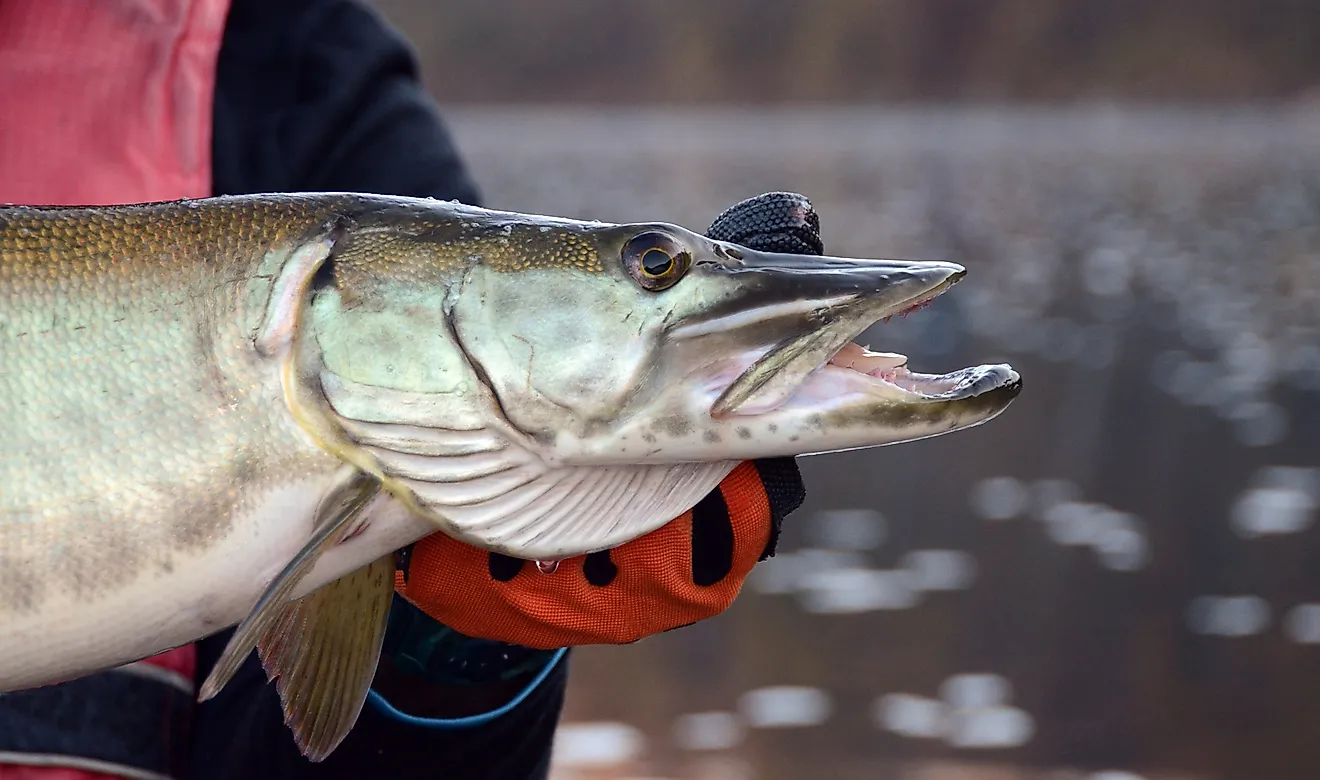
The upper river is cold and clear and holds Yellowstone cutthroat trout, a subspecies native to this drainage and found nowhere else. The lower river, past Billings, warms into Great Plains habitat holding pallid sturgeon and paddlefish, both of which look like they wandered in from the Cretaceous.
A dammed river tends to become one thing throughout, usually cold and clear below the dam and thermally flattened. The Yellowstone still transitions naturally from mountain trout stream to warm prairie river across its length.
2022 Was A Demonstration

In June 2022 rain fell on a heavy snowpack and the Yellowstone did what free-flowing rivers do.
The flooding tore out roads, cut off communities and forced Yellowstone National Park to close entirely, the first full closure in its history. Gardiner was isolated. Sections of the North Entrance Road simply left.
The uncomfortable point is that this is the system working as designed. A river with no upstream reservoir has nothing to absorb an event like that, and the same lack of control that produces the ecology also produces the flood. Free-flowing is not a synonym for benign.
The Other Rivers With A Claim
Last is doing a lot of work in the title, and it deserves qualifying.
Plenty of American rivers are undammed. What is rare is a long one. The Salmon River in Idaho runs about 425 miles undammed, making it the longest free-flowing river entirely inside a single state. The Buffalo National River in Arkansas was the first federally designated national river specifically to keep it undammed.
And Alaska changes the arithmetic completely. Entire river systems up there have never been impounded, at lengths that make the Yellowstone look modest. The Yellowstone's claim is specifically about the contiguous states.
Why Last Is Nearly Right

There are around 90,000 dams in the United States and the great majority of significant American rivers have at least one. Against that, a 692-mile mainstem with no reservoir on it is close enough to unique that the Park Service's phrasing holds up.
The historical marker along Interstate 90 puts it better than any agency does. When the West was won, most rivers were lost to damming and dewatering. This one is the exception.
What is worth remembering is that it is an exception by decision rather than by luck. Somebody proposed the dam, somebody fought it, and somebody wrote the water reservation that keeps the river in the river. The last free-flowing river in America is free-flowing because a specific group of people in Montana in the 1970s decided it would be.