Why Mississippi Towboats Push Their Barges Instead Of Pulling Them
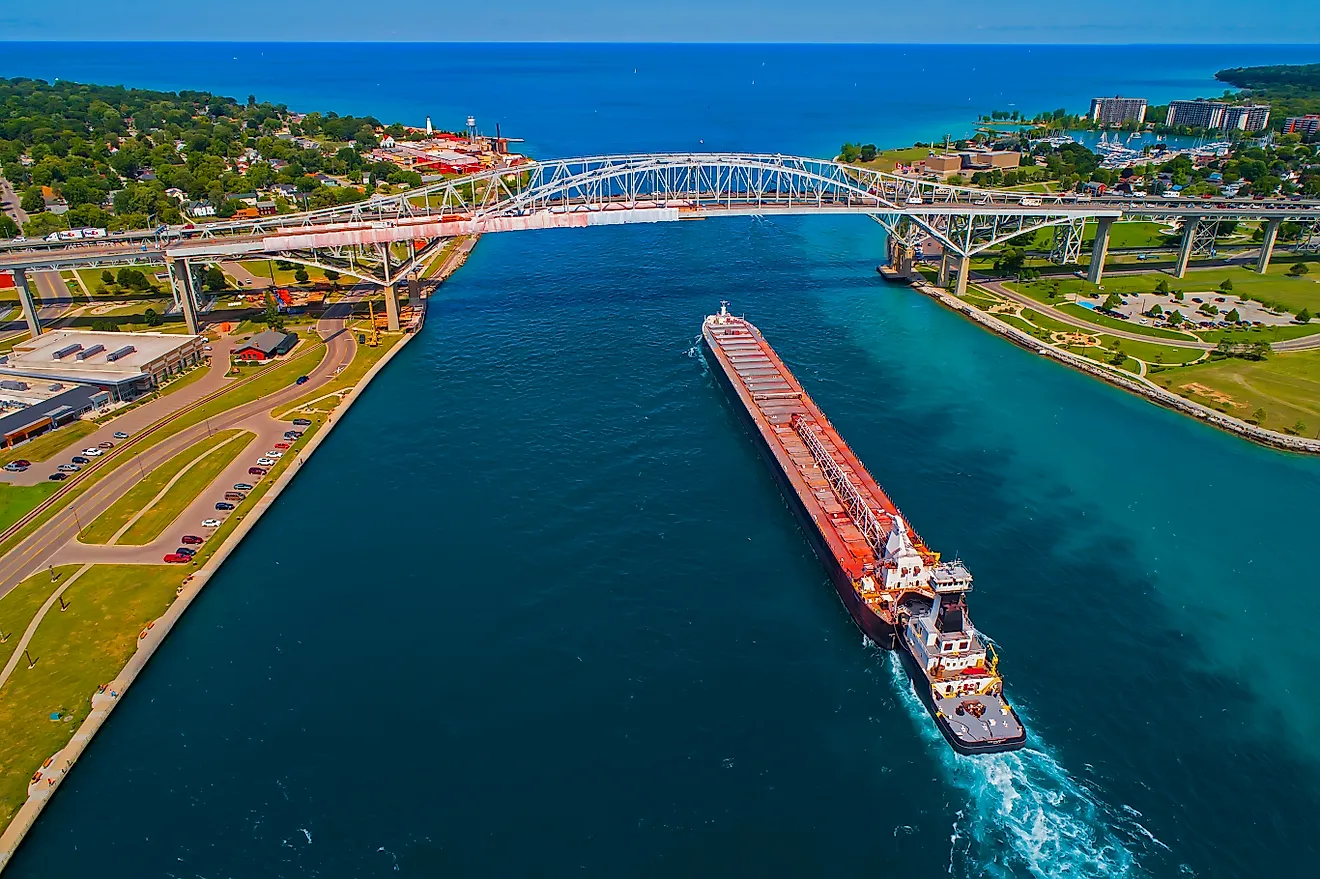
A 1956 article in the Naval Institute's Proceedings put the answer in one sentence: twenty barges, or even ten, pulled astern of a towboat could not be maneuvered around bends in the river. That is the whole explanation. A river has corners, some of them with radii no greater than the length of two tows, and a string of barges on a cable behind a boat will not go around them. Pushed into a single rigid mass, the same barges steer like one very long ship.
The Rudder Is At The Wrong End

The physics of steering a vessel explains why pulling fails in a channel.
A rudder works by deflecting water flowing past it, and it sits at the stern because that is where the propellers push water across it. Pull a barge on a line and the steering is at the back of the combination while the load is out front, swinging on a hinge.
Push instead and the rudder sits at the stern of the whole unit, exactly where it would be on a conventional ship. The tow becomes a single hull with its controls in the right place.
A Towline Lets The Load Swing

The flexibility that makes a towline useful at sea is the problem on a river.
On a cable, a barge can swing wide on a bend or lag behind the steering input, arriving where the current puts it rather than where the pilot wanted it. There is no way to correct it except by waiting.
In open water that slack is a virtue, absorbing wave shock. Between two bridge piers it is the reason the method is not used.
The Barges Are Lashed Into One Object

What makes a pushed tow steerable is that it stops being several vessels.
Barges are lashed rigidly to each other and to the towboat with steel cables, drawn tight over pelican hooks using heavy-duty ratchets. Crews call the hardware river jewelry.
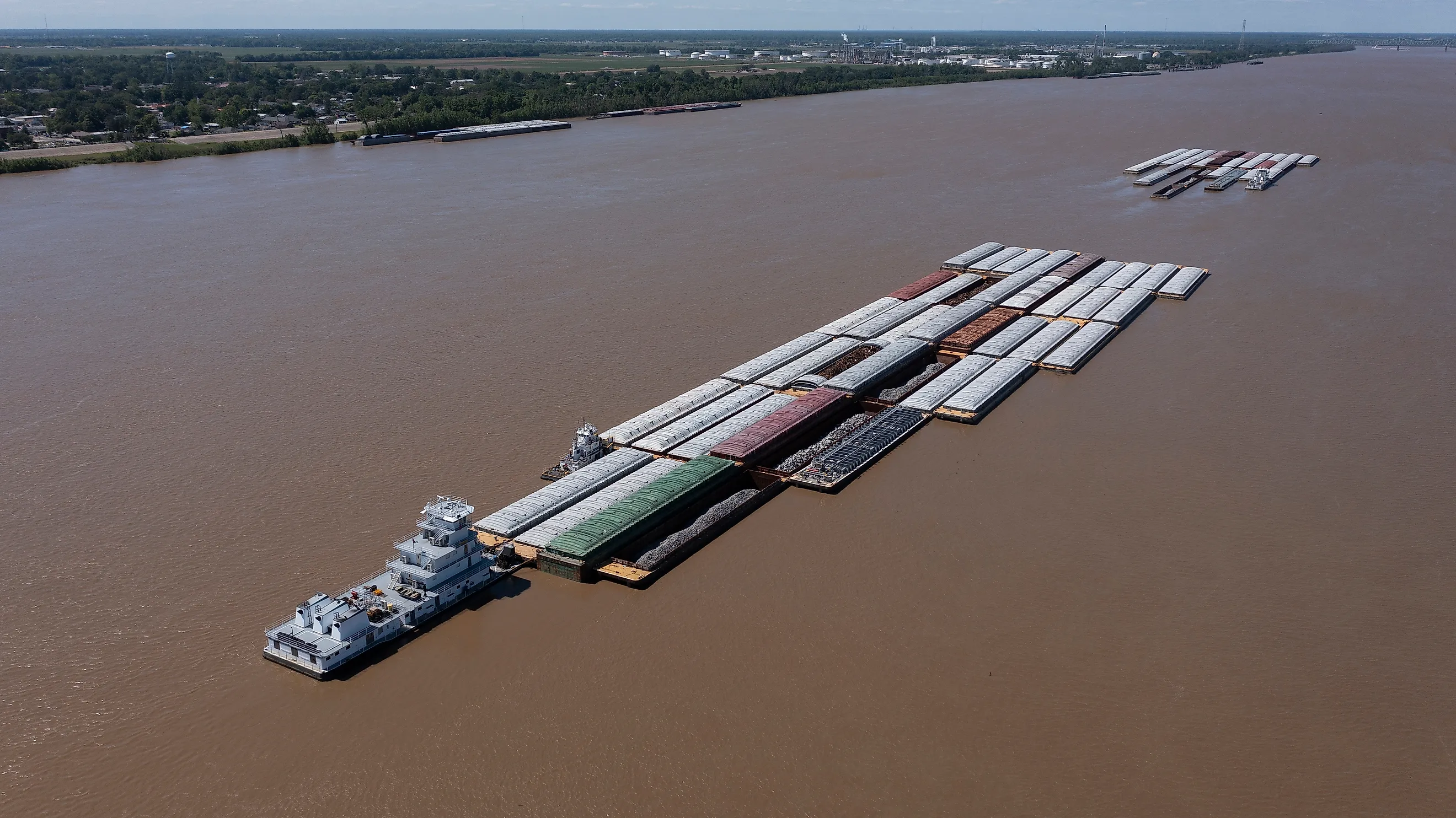
Done properly the result has no give in it at all. Fifteen loaded barges and the boat behind them behave as one structure, which is the only way a pilot can predict what the front end will do.
Push Knees Take The Thrust

The flat front end of a towboat is a specific piece of engineering rather than a cost saving.
Push knees are flat steel frames faced with timber or heavy rubber pads, giving a flush mating surface between boat and barge. They are to a towboat what towing bitts are to an ocean tug, because all the thrust the engines produce is focused through them.
Double knees are preferred over a single one, because two spread the load and put less strain on the face wires holding everything together.
It Is A Towboat, Not A Tug

The terminology is confusing and the industry has settled on the confusing version.
A vessel pushing barges on American inland waterways is almost universally called a towboat rather than a tug, despite the fact that it is a pushboat and does no towing. Nobody calls it a pushboat.
A tow, meanwhile, is the collection of barges being moved rather than the act of moving them. A tow is made up when it has been hitched together and is ready to go.
The Locks Decide The Size

Everything about tow dimensions comes back to the chambers they have to fit through.
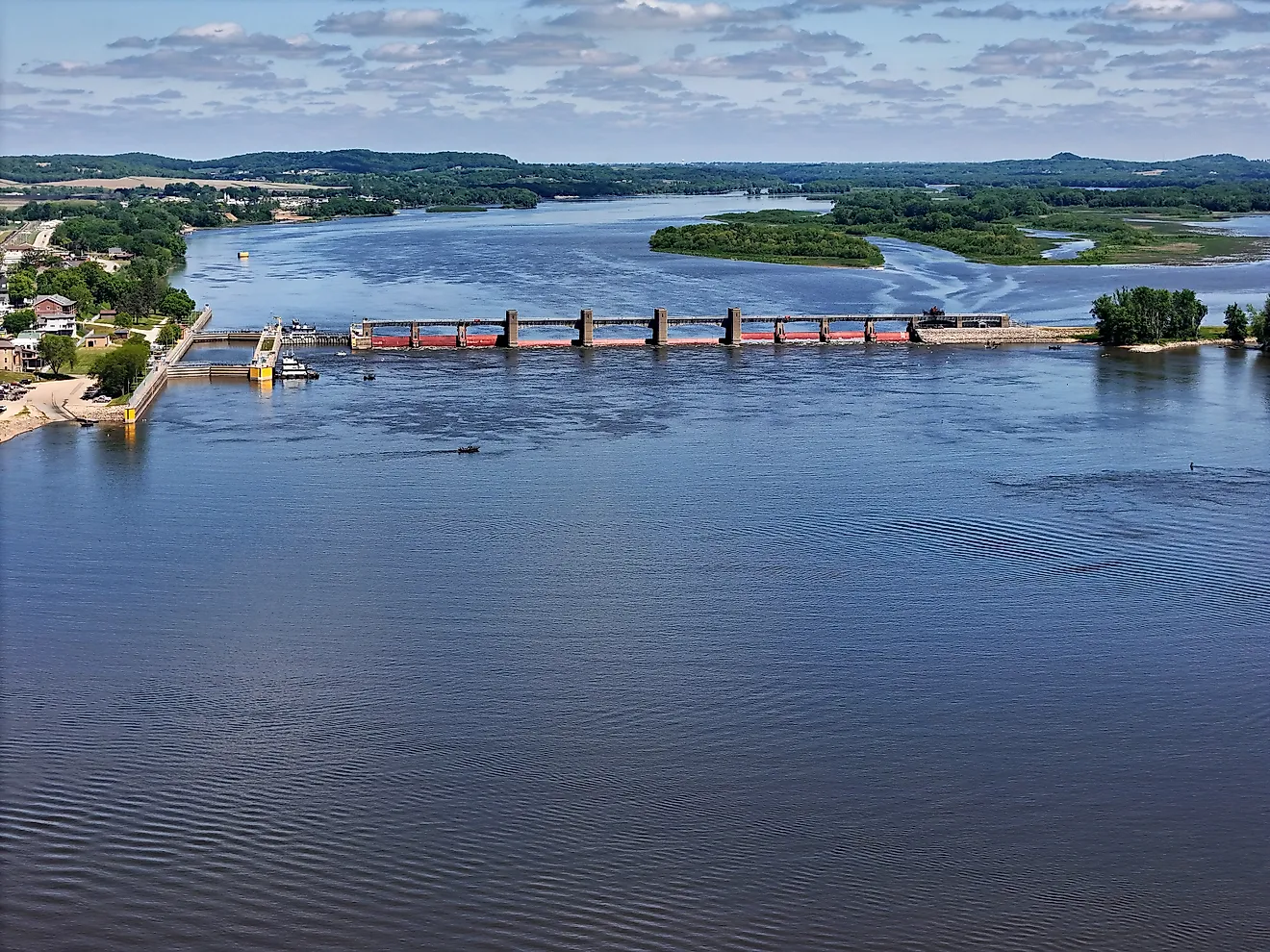
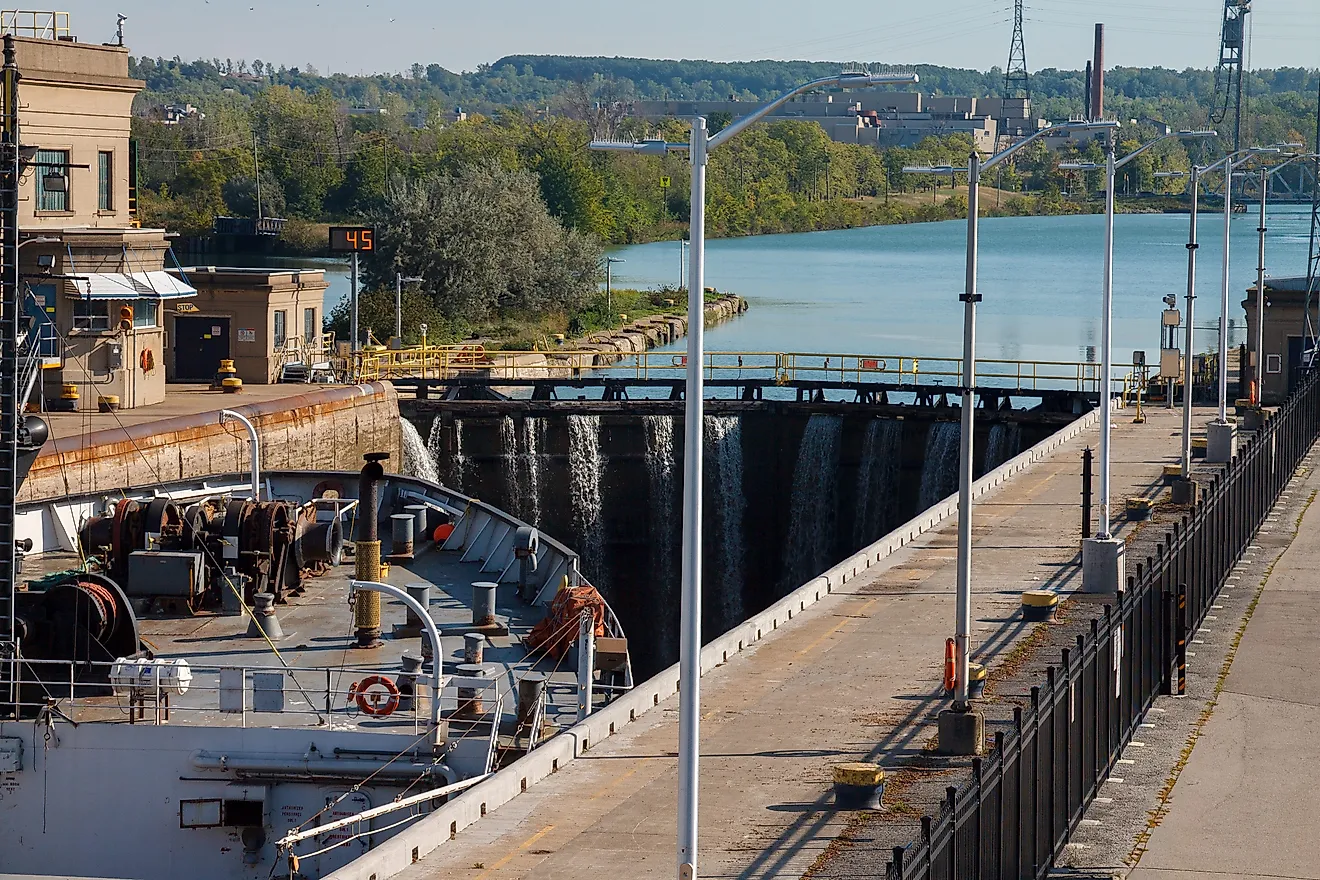
Older locks on the system measure 600 feet, which is too short for a standard tow. The solution is double lockage: the tow is cut in half, the first section is locked through and pulled clear, then the boat brings the remainder and the whole thing is reassembled on the far side.
Newer 1,200-foot locks allow a towboat with twenty barges to lock through in a single operation. The difference in transit time is the entire argument for rebuilding them.
Boats Are Built To The Lock, Not The River

The constraint reaches back into the design of the vessels themselves.
Towboats are limited in overall size so they can pass 600-foot locks in two lockages along with their barges. A boat that could not do that would be unusable regardless of how well it handled.
Horsepower follows geography instead. Upper Mississippi towboats typically run 3,000 to 5,000 horsepower, and boats working south of St Louis are larger because the river is deeper and wider and they are permitted to push more.
Steering Comes From The Stern Of A Small Boat

The demands on handling are higher than the arrangement makes them look.
Control has to be exerted from the stern of a comparatively small boat pushing a long, rigid and awkward tow through varying currents, with shaft horsepower usually low relative to the deadweight tonnage being moved.
River towboats therefore need exceptional steering characteristics, with multiple rudders and flanking rudders ahead of the propellers to give astern control. The boat is small, the tow is enormous, and the channel does not widen to help.
At Sea They Pull After All

The clearest proof that this is about geography rather than efficiency is what the same industry does offshore.
Ocean tugs pull barges on steel tow lines running 1,500 to 2,000 feet astern, because the cable acts as a shock absorber and lets both vessels ride the swell independently. A rigid connection in open water would tear itself apart.
Same cargo, same companies, opposite method. Pushing wins where the channel is narrow and pulling wins where the water is rough.
One Tow Replaces A Lot Of Trucks

The reason the industry puts up with the complication is the volume it moves.
A typical towboat pushes between 15 and 30 barges, with individual barges carrying from a few hundred to three thousand tons. The economic case rests on a small crew, cheap barge construction and the ability to reconfigure a tow for whatever cargo is moving.
The barges are unmanned and the boat is independent of them during loading and unloading, so the expensive part of the operation never sits idle at a dock.
The Short Answer

Mississippi towboats push because a pulled string of barges cannot be steered around a river bend. Lashed rigidly together with steel cable and ratchets, pushed from behind against steel push knees, fifteen or twenty barges become a single vessel with its rudder at the stern where it belongs.
The lock chambers then decide how big that vessel can be, which is why tows get cut in half at 600-foot locks and why 1,200-foot ones are worth building. Offshore, the same companies pull on a two-thousand-foot cable, because out there the problem is waves rather than corners.