Which States Have The Cheapest Cost Of Living
The standard reference for this question is the Cost of Living Index published quarterly by the Council for Community and Economic Research and compiled by the Missouri Economic Research and Information Center, which sets the national average at 100 and measures a household basket of goods against it. In the first quarter of 2026, the cheapest state on that index was Oklahoma at 83.5, roughly 17 percent below the national average, followed by Alabama at 85.0 and Mississippi at 86.2. Housing plays a big role: the housing sub-index ranges from 66.9 in Oklahoma to 302.4 in Hawaii, a four-and-a-half-fold difference that far exceeds the variation in groceries or utilities. One important caveat before anything else: this index measures prices, not incomes, and these states also tend to have median household incomes below the national average. Below, you'll find the most affordable states in the country, along with specific towns worth considering rather than just the states as a whole.
A note on the disagreement you will find elsewhere. Different outlets crown different winners because they use different vintages of the same underlying survey, so Mississippi, Oklahoma and West Virginia all get called cheapest depending on the quarter. The figures here are MERIC's Q1 2026 release.
Oklahoma, and Bartlesville

Index 83.5, the lowest in the country, with the cheapest housing component of any state at 66.9.
Bartlesville stands out as a charming choice, just an hour north of Tulsa, Oklahoma. It's quite a special town given its value. Originally the founding home and headquarters of Phillips Petroleum, it has a cozy population of around 37,000. Despite its size, the city boasts fantastic cultural amenities like a symphony orchestra, a noteworthy annual music festival, and the iconic Price Tower—the only skyscraper designed by Frank Lloyd Wright.
That is the general rule for finding value in a cheap state. Look for a former company town, because the corporate money built amenities that outlast the payroll.
Alabama, and Huntsville

Index 85.0, second cheapest nationally.
Huntsville stands out as the best option on this page because it overcomes the usual trade-off. While most affordable locations are inexpensive due to low wages, Huntsville, Alabama, offers a different scenario. It hosts Redstone Arsenal, NASA's Marshall Space Flight Center, and a thriving aerospace and defense contracting industry. This results in higher engineering salaries in a state where the cost of living is about 15 percent below the national average.
It is no longer a secret and prices have moved, so it is now the expensive part of a cheap state rather than a bargain outright. It remains the best value-per-dollar city in the South.
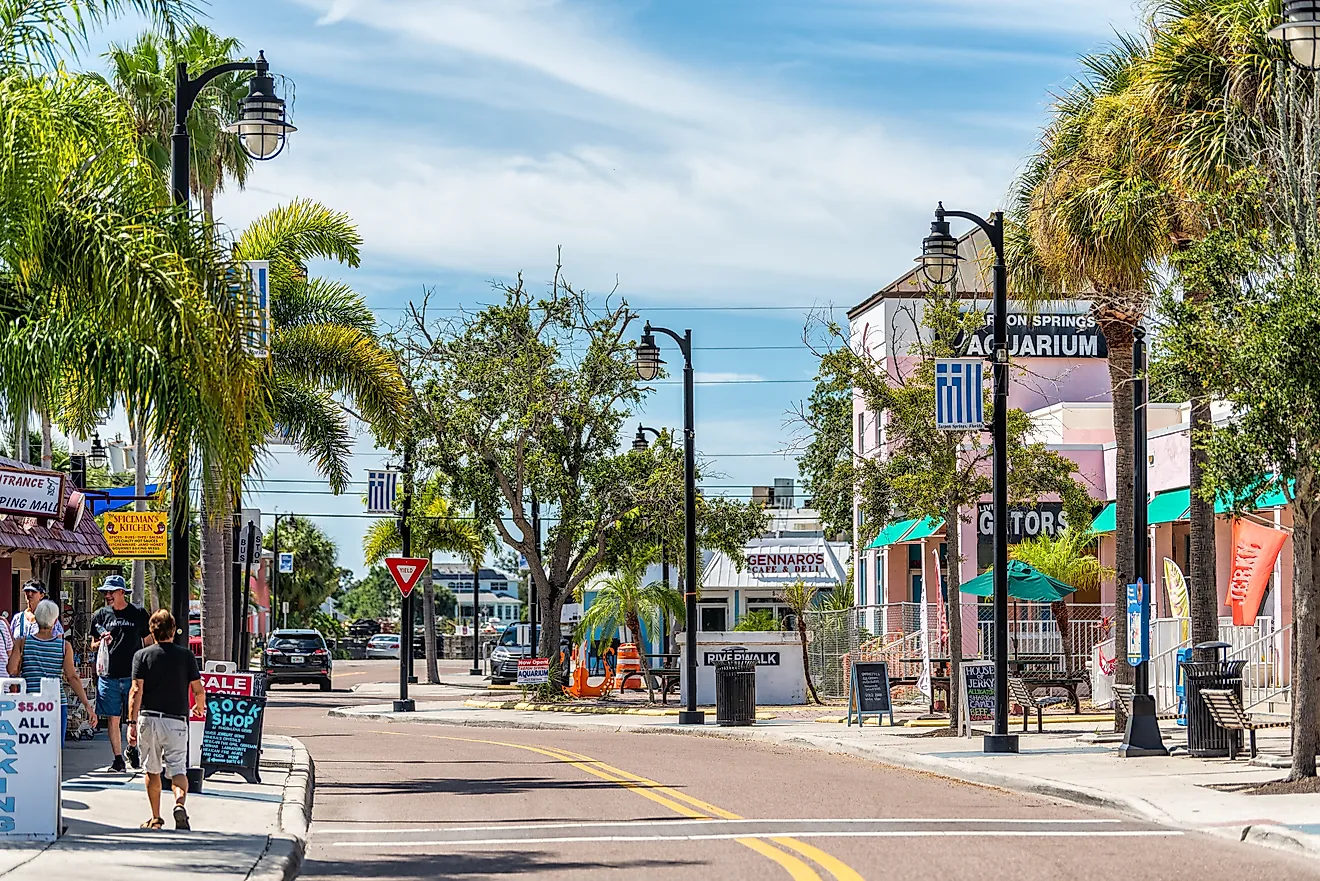
Mississippi, and Ocean Springs

Index 86.2, and among the very cheapest housing anywhere in the country.
Ocean Springs is located on the Gulf across the bay from Biloxi, Mississippi. It remains one of the few American coastal towns that hasn't been driven out by rising prices. The town features a walkable downtown filled with independent shops and galleries, a vibrant arts community centered around the Walter Anderson Museum, shaded streets lined with live oaks, and access to the beach.
Coastal Mississippi carries hurricane exposure and the insurance costs that follow, which is a real part of the budget and the reason this coastline stayed affordable while the rest of the Gulf did not.
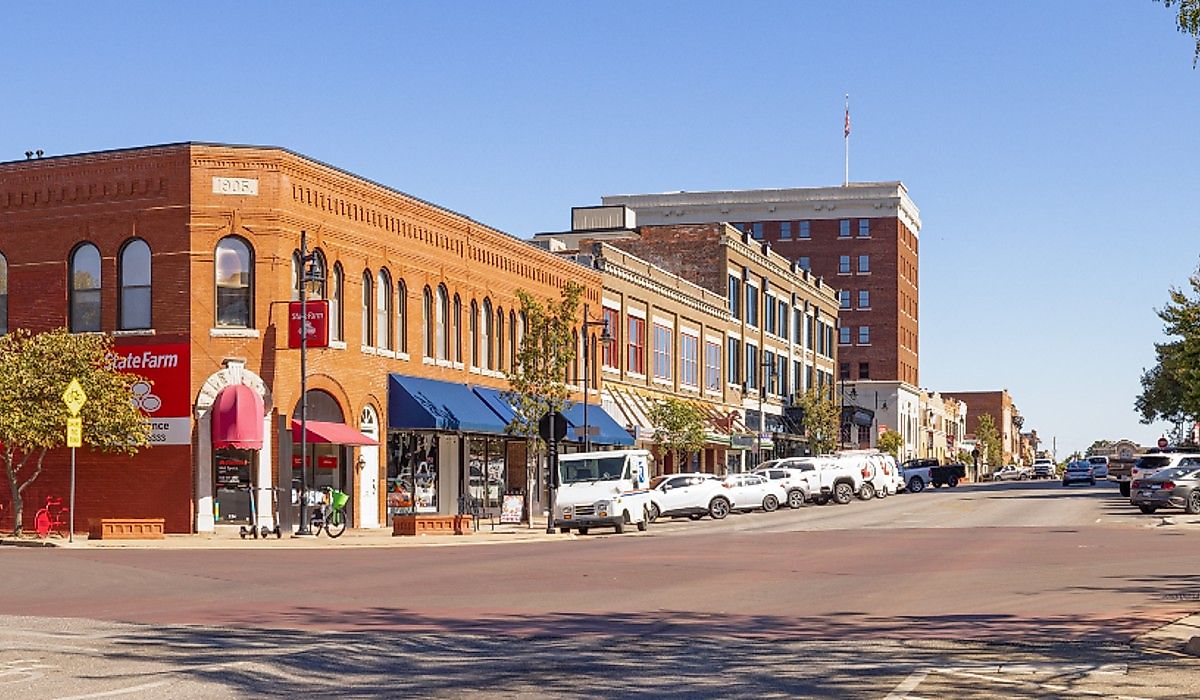
Kansas, and Manhattan

Index 87.6, fourth cheapest.
Manhattan is a Kansas State University town of around 55,000 in the Flint Hills, which is the last large stretch of tallgrass prairie left in North America and considerably better looking than the state's reputation allows.
A university is the most dependable anchor for amenities in a low-cost state. It provides a hospital, a concert schedule, restaurants that thrive on student patronage, and an employer that remains even when a plant shuts down.
West Virginia, and Lewisburg

Index 87.9, fifth cheapest, with a housing component near the bottom nationally.
Lewisburg, a town of about 4,000 residents located in the Greenbrier Valley of West Virginia, features a well-preserved historic district, an independent bookstore, a professional theater troupe, and a medical school. It is close to the Greenbrier resort and the New River Gorge, and with access to Interstate 64, it remains connected unlike many other parts of the state.
West Virginia's caution is real and worth stating: population decline, an aging demographic, and thin job markets outside a few centers. Lewisburg is one of the exceptions rather than the rule.
Indiana, and Fort Wayne

Index 88.3, sixth cheapest and the only northern state in the top group.
Fort Wayne, Indiana's second-largest city with approximately 270,000 residents, has spent the last fifteen years revitalizing its downtown, which had become deserted. Its development along the riverfront, a restored theater district, and a diverse manufacturing and healthcare sector provide a stable job market not reliant on a single employer.
The advantage over the southern entries on this list is winter, which sounds like a disadvantage until you price summer air conditioning in Mississippi.
Missouri, and Springfield

Missouri sits just under 89 on the composite index.
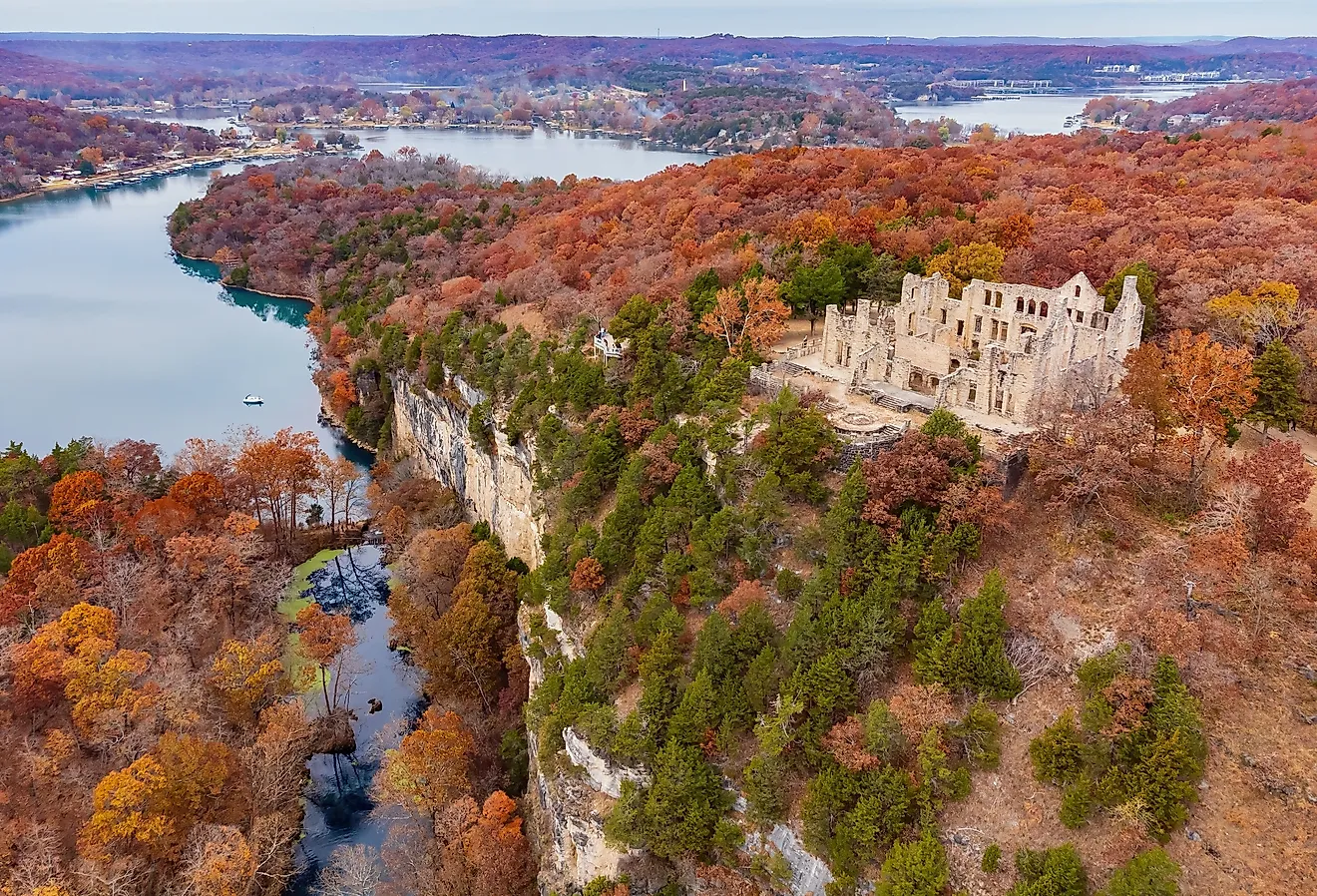
Springfield, Missouri, has roughly 170,000 residents and sits near the Ozarks, home to three universities, a prominent medical sector with CoxHealth and Mercy, and Bass Pro Shops headquartered locally. Its size supports a solid economy while still maintaining affordable housing.
Table Rock Lake and the Ozark hills are under an hour out, which is the kind of thing that costs a great deal of money to be near almost anywhere else.
Arkansas, and Fayetteville

Arkansas is in the sub-89 cluster, with one of the five lowest housing indexes in the country.
Northwest Arkansas is known for growth, but there's a caveat. Bentonville, driven by Walmart's headquarters and the prominent Crystal Bridges museum, attracts attention. However, housing prices in Bentonville have surged significantly, making it no longer an affordable area.
Fayetteville, twenty minutes south, still is. It has the University of Arkansas, the Ozark trail network, and access to the same regional job market without the Bentonville premium.
Kentucky, and Bowling Green

Kentucky rounds out the sub-90 group.
Bowling Green is home to Western Kentucky University and the world's only Corvette assembly plant with an attached museum, plus Mammoth Cave National Park just half an hour north. The population has steadily increased while maintaining affordability, a rare combination.
It also sits on Interstate 65 roughly an hour from Nashville, close enough to use a major city and far enough to avoid paying Nashville prices.
What The Index Does Not Tell You

Three things get lost when a state is reduced to one number.
The index reflects the average of participating cities within a state, not every community. A low-cost state can include expensive towns, and vice versa, which is why the specific town is more significant than the state as a whole.
Income moves with cost. Median household income in every state on this list is below the national figure, so the arbitrage only works cleanly if you bring an income from somewhere else, which is why remote workers have reshaped these markets faster than anyone else.
And some costs are not in the basket at all. Gulf Coast wind insurance, state tax treatment of retirement income, and how far the nearest specialist hospital is will all move a household budget more than the grocery index, and none of them show up in a figure of 83.5.