7 Places Where People Are Moving To In Maryland In 2026
Maryland added roughly 20,000 residents between July 2024 and July 2025, a 0.3% gain, per the US Census Bureau's Vintage 2025 estimates. Where those households are settling has changed. As the inner suburbs of Washington and Baltimore grow more expensive, the growth is shifting outward to the exurban edge and the Eastern Shore, where buyers find more space, lower prices, and often a shorter drive to the water. The seven places below are where Marylanders are moving right now.
Frederick

Frederick County is Maryland's clearest case of growth. The county grew from 271,717 residents in the 2020 Census to an estimated 302,883 by 2025, per Census Vintage 2025. That 11.5% increase led among all other Maryland jurisdictions. The City of Frederick tracked the trend, with the population rising from 78,171 residents in the 2020 Census to an estimated 92,059 by 2025. It now ranks as the second-largest incorporated city in the state. Much of the county's gain traces to taxpayers leaving Montgomery County, which IRS migration data identifies as a major in-state source of new arrivals. Frederick County homes remained materially cheaper than those in Montgomery County in late 2025. That price gap helps pull households up Interstate 270. Fort Detrick is the county's largest employer, with about 10,000 military, federal, and contractor staff. The Frederick National Laboratory for Cancer Research and firms like AstraZeneca continue to add jobs around Carroll Creek downtown.
Hagerstown and Washington County

Washington County extends the same logic of affordability farther west. Its population grew from 154,705 residents in 2020 to an estimated 157,731 by 2025, per Census Vintage 2025. The county also recorded the largest residential assessment increase in the state, at 22.8%, in the latest reassessment. Hagerstown grew modestly, from 43,527 residents in the 2020 Census to an estimated 44,228 by 2025. Most of the growth landed in the surrounding county. New arrivals include movers from Frederick and Montgomery counties, per IRS migration data. Some buyers priced out of the biotech corridor look west. About a quarter of Fort Detrick's workforce already lives here, and roughly 11,000 life-science professionals commute east from the area. Hagerstown sits at the crossroads of Interstate 70 and Interstate 81, making it a regional logistics hub. The Washington County Museum of Fine Arts stands in Hagerstown City Park, and Meritus Medical Center ranks among the area's top employers. Antietam National Battlefield lies to the south, where the county offers more space at lower prices than the bigger metro counties.
Waldorf

Charles County leads Southern Maryland's growth. The county's population climbed from 166,617 residents in 2020 to an estimated 176,593 by 2025, a 6% increase that ranked third-highest statewide, per Census Vintage 2025. Waldorf is the engine. The community grew from 81,410 residents in the 2020 Census to about 82,000 in the 2024 American Community Survey. It remains the largest place in Southern Maryland and ranks among the largest census-designated places statewide. Many new residents arrive from Prince George's County and the District of Columbia, per IRS migration data. They come for more square footage, 23 miles south of the capital. The Brookings Institution documented the shift directly: rents fell in the inner suburbs and rose in Charles County as households chased space. St. Charles, a master-planned community that has expanded for decades, remains the area's residential center. Charles County ranks among the highest-income majority-Black counties in the United States, and its retail spine along Route 301 has grown to match.
Leonardtown

St. Mary's County runs on defense work, and that economy helps sustain population growth. The county grew from 113,777 residents in 2020 to an estimated 116,692 by 2025, per Census Vintage 2025. Leonardtown, the county seat, has grown faster than many towns around it. Its population rose from 4,541 residents in the 2020 Census to roughly 5,000 by 2024, a sharp climb for a Maryland town. The Patuxent River Naval Air Station drives demand, employing about 9,800 civilian staff plus thousands of contractors at the Naval Air Systems Command headquarters. Some of the counties' in-state growth comes from the Washington suburbs, including Prince George's County, according to state migration analysis. Engineers and defense contractors relocating for work tend to favor Leonardtown's new subdivisions over the older corridor near the base. Median household income here runs near $150,000, well above the statewide figure. The historic square by the wharf on Breton Bay has attracted restaurants and housing, keeping the town center busy.
Stevensville

Queen Anne's County ranked second statewide for growth. It expanded from 49,874 residents in 2020 to an estimated 54,448 by 2025, a 9.2% gain, per Census Vintage 2025. Almost all of that growth lands on Kent Island, where the Chesapeake Bay Bridge carries commuters across the Chesapeake Bay to the Eastern Shore. Stevensville, the island's main community, grew from 7,442 residents in 2020 to about 8,800 in the 2024 American Community Survey 5-year estimates. That rise tracks with the county's pull on Anne Arundel County, a major in-state origin per IRS migration data. Annapolis-area buyers cross the bay for space. The island functions as an outer-ring suburb, with US Route 50 carrying the daily flow. PRS Guitars runs its factory in Stevensville, giving the island a manufacturing base beyond the commuter trade. Kent Island also claims to be the oldest English settlement in Maryland, dating to 1631. The Kent Island Farmers Market runs on Thursday afternoons, and the Cross Island Trail lets residents bike the width of the island off the highway.
Elkton and Cecil County

Cecil County occupies Maryland's northeastern corner, where the state meets Pennsylvania and Delaware. It grew from 103,725 residents in 2020 to an estimated 107,131 by 2025, per Census Vintage 2025. The county gained residents every year of that span. Elkton itself rose from 15,807 residents in the 2020 Census to an estimated 16,670 by 2025. The county's main draw is price. Its in-state arrivals include movers from Baltimore and Harford counties, per IRS migration data. More residents also arrive from Delaware and Pennsylvania across the nearby state lines. Housing here ranks among the most affordable along the Interstate 95 spine between Baltimore and Philadelphia. Elkton's median household income, near $58,640, runs well under the statewide figure. Many residents commute across state lines to Newark and Wilmington in Delaware. Elkton's historic Main Street earned the town its nickname as the Elopement Capital of the East Coast, a holdover from its no-wait marriage era. The Penn Line commuter rail stops at nearby Perryville, adding a link to Baltimore.
Berlin and Worcester County

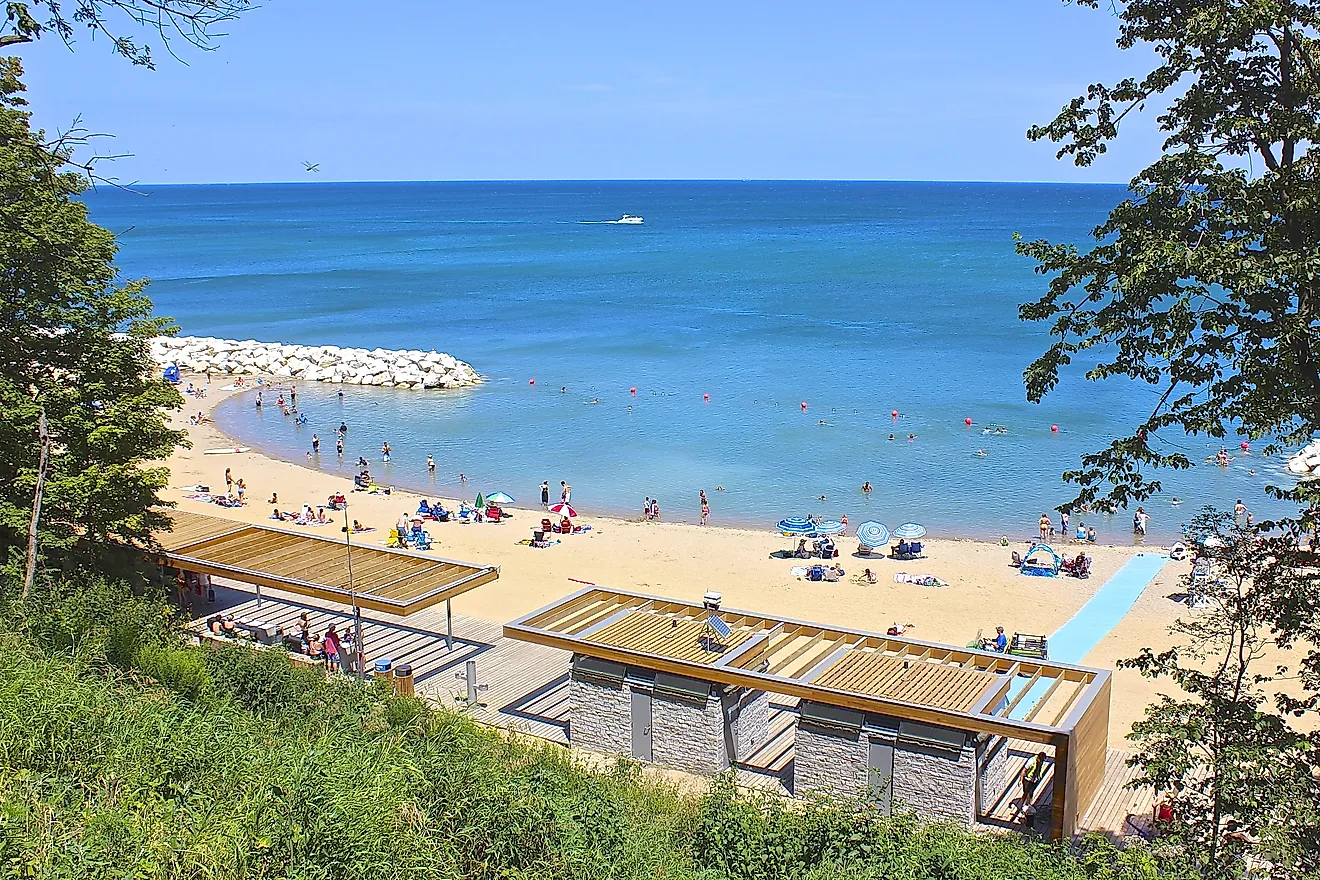
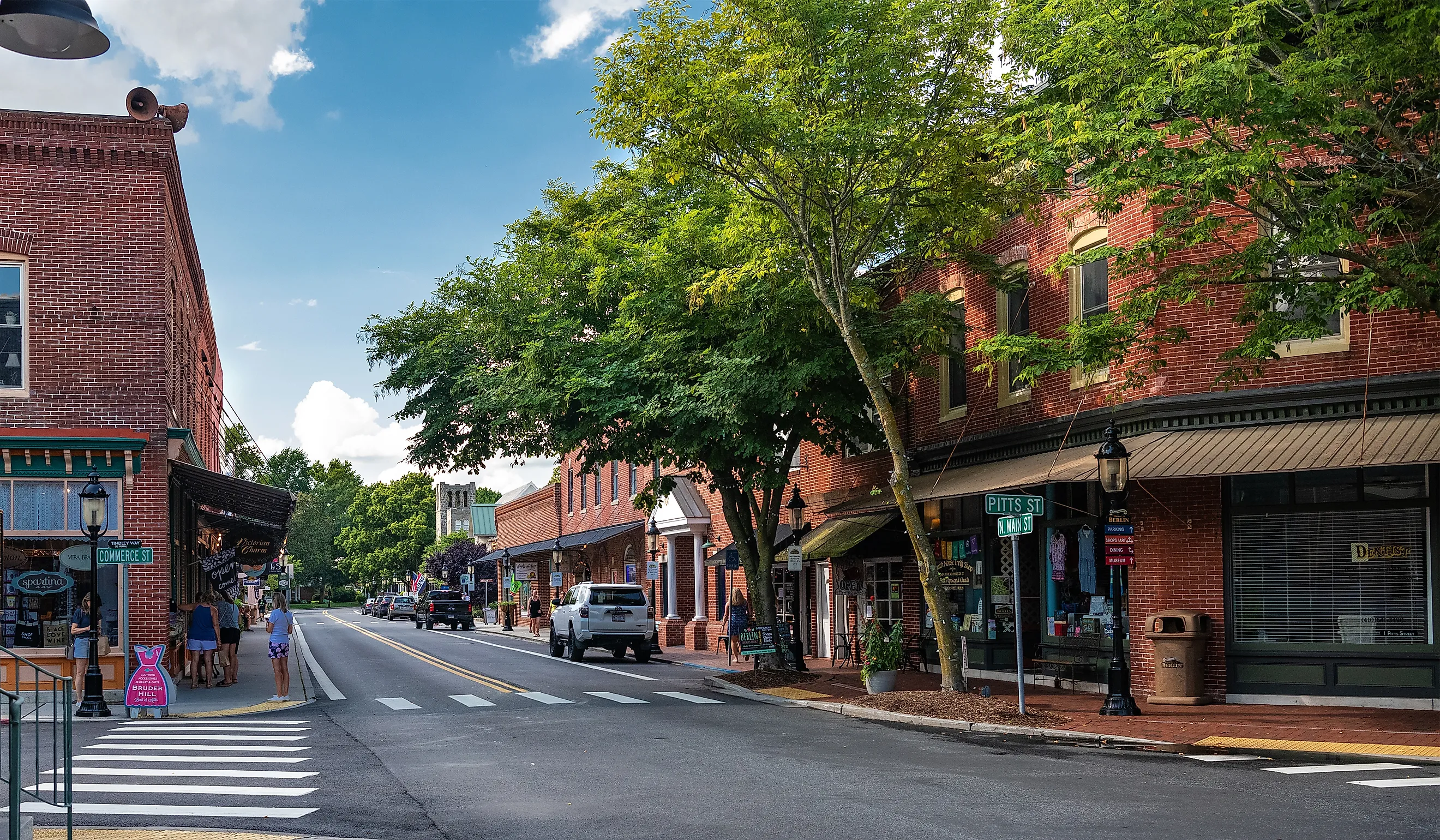
Worcester County has Maryland's only Atlantic coastline, and it continues to draw retirees and remote workers to the shore. The county grew from 52,460 residents in 2020 to an estimated 54,459 by 2025, a 3.8% increase, per Census Vintage 2025. Berlin itself grew from 5,026 residents in the 2020 Census to an estimated 5,335 by 2025. The county's gains come from steady coastal inflow, including retirees from the Baltimore and Washington suburbs. Berlin supplies the historic downtown that shapes the county's appeal. Nearby, Ocean Pines remains the county's largest community and one of the Eastern Shore's biggest retiree centers. New arrivals increasingly include remote workers who no longer need to commute daily. They trade inland Maryland for a short drive to the beach at Ocean City. Berlin's Main Street district has restored storefronts that won the town a national "coolest small town" title in 2014. Atlantic General Hospital serves the area from Berlin, and Assateague Island National Seashore sits to the south, where wild horses share the dunes with summer visitors.
Where Maryland's Growth Is Headed
The map of in-state movement now points away from Maryland's biggest job centers. The inner suburbs of Washington and Baltimore are shedding domestic migrants, while the exurban rim and the Eastern Shore absorb the gains. Affordability drives most of the shift, with the defense payroll in St. Mary's and the coastal pull in Worcester as the exceptions. Frederick, Charles, and Queen Anne's counties look set to keep pulling in households priced out of the core.