4 Rattlesnake Hotspots In British Columbia
British Columbia is home to just one native rattlesnake species, the Northern Pacific rattlesnake. Its range concentrates in the province's hottest and driest landscapes. These include the desert hills around Osoyoos, the South Okanagan grasslands, and the steep valleys near Kamloops and Lillooet. Each provides hidden dens and prey for these cold-blooded predators. Many populations return to the same communal winter dens year after year and create localized hotspots far more common than elsewhere in this vast and diverse province. Here are the strongholds where you especially need to watch your step to avoid an unwanted encounter.
Osoyoos

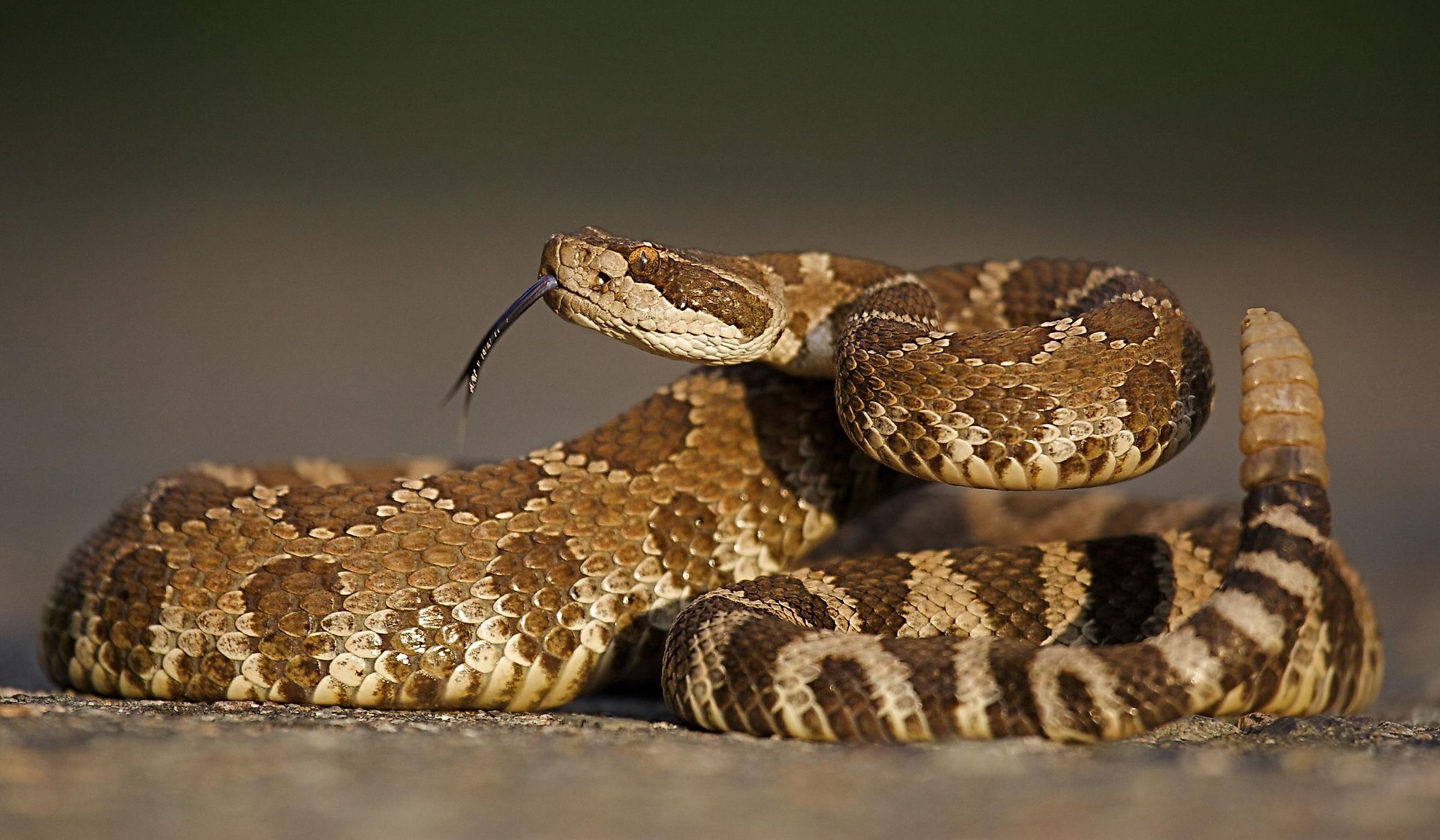
Osoyoos sits in the south-central interior of British Columbia, in the heart of the province's rattlesnake country. In fact, the town lies within the only true desert environment in all of Canada, a type of landscape that is highly favorable to most kinds of rattlesnakes. The greater Okanagan Valley stands out for its dry, shrub-steppe ecosystems that provide ideal habitat for the Northern Pacific rattlesnake (Crotalus oreganus oreganus) in particular. This species is a heavy-bodied pit viper with a triangular head, dark blotches along its back, and the distinctive rattle at the tip of its tail. Again, it is also the only rattlesnake native to British Columbia.

The rocky hillsides, grasslands, and talus slopes surrounding Osoyoos support one of the province's highest concentrations of Northern Pacific rattlesnakes. But this still is the Great White North after all, and cold winters do kick in for several months every year. With that, local rattlers use the area's abundant rock crevices and underground dens for winter hibernation, often returning to the same sites year after year. In turn, encounters are most common from spring through early fall, especially along hiking trails and undeveloped slopes.
Thompson River Valley

The Thompson River Valley, particularly the area around Kamloops, hosts another significant population of Northern Pacific rattlesnakes. The region's hot summers, low rainfall, and rugged terrain create favorable conditions for the species in a variety of ways, as south-facing slopes, rocky outcrops, and open meadows provide good basking sites and hunting grounds, while deep rock fissures serve as winter dens. Wildlife biologists have even identified several vital denning areas here, making it all the more important to protect its natural integrity.

During spring and fall, rattlers may travel between communal dens and summer feeding areas, increasing the likelihood of sightings near trails, roads, and rural properties. Meanwhile, the valley's extensive network of grasslands houses healthy populations of rodents, a primary food source. Northern Pacific rattlesnakes are frequently documented throughout large swathes of the valley, often sharing habitat with other reptiles such as gopher snakes, garters, and western yellow-bellied racers.
Lillooet

A little over 250 kilometers (155 miles) northeast of Vancouver, Lillooet lies just within British Columbia's interior dry belt, an area known for its sunny, warm climate, steep canyon walls, mountainous slopes, and meadows surrounding the town on all sides. Northern Pacific rattlers are regularly observed in and around town by campers, hikers, and off the side of the highway by roadtrippers, particularly on sun-exposed hillsides overlooking the Fraser River and its tributaries.

Furthermore, the area's abundant fractured bedrock creates numerous denning opportunities, allowing resident snakes to survive the colder months underground. During warmer seasons, however, they disperse across nearby grasslands and shrub-covered slopes in search of food, namely rodents, birds, and other smaller prey. As is typical across British Columbia, most human-rattlesnake encounters occur between late spring and early autumn, when the snakes are actively feeding and breeding. Lillooet's location at the transition between coastal and interior ecosystems actually supports quite a diverse reptile community, but the Northern Pacific rattlesnake remains the only venomous species, and is closely monitored due to its threatened status in Canada.
South Okanagan Grasslands

Similar to Osoyoos, the South Okanagan Grasslands stretch across a broader section of southern British Columbia and contain some of the province's most arid and important rattlesnake habitat. Although considered a species at risk, they are widely distributed throughout this particular region for these reasons, with numerous den sites documented by researchers and conservation organizations over the decades.

Dry bunchgrass slopes, sagebrush-covered benches, and rock-strewn escarpments add up to make an excellent environment for Northern Pacific rattlesnakes to thrive and multiply. Many local rattlesnakes spend the winter in remote, communal dens before dispersing up to several kilometers away to summer feeding areas. This seasonal movement helps explain why snakes in the Okanagan Valley are encountered in a variety of settings, including secluded woodlands, vineyards, hiking routes, and rural roads. These grasslands likewise support abundant populations of mice, voles, and ground squirrels, providing a reliable food supply. Because much of British Columbia's remaining native grasses occur here, the region is a major focus of habitat protection efforts aimed at safeguarding snakes and other sensitive flora and fauna that call it home.
Be Careful Where You Step In These Wonderful BC Landscapes
The rattlesnake distribution in this Pacific coast province is tightly tied to a handful of unusually warm, arid regions where rugged, rock-covered terrain and wide open grasslands dominate. Areas such as the South Okanagan, Thompson River Valley, Lillooet, and Osoyoos consistently boast BC's most productive zones for these hardy reptiles, making respect and stewardship essential whenever you decide to visit.