9 Best Cities To Retire In Victoria
The best part of retiring in Victoria is often the morning walk before breakfast. In Ballarat that is a full lap of Lake Wendouree past the gardens. In Geelong it is the Eastern Beach boardwalk beside Corio Bay. In Mildura it is Langtree Avenue running down to the Murray wharf. In Echuca it is the red gum wharf where paddle steamers still work. Each of the nine cities here is built around a place like that.
Bendigo

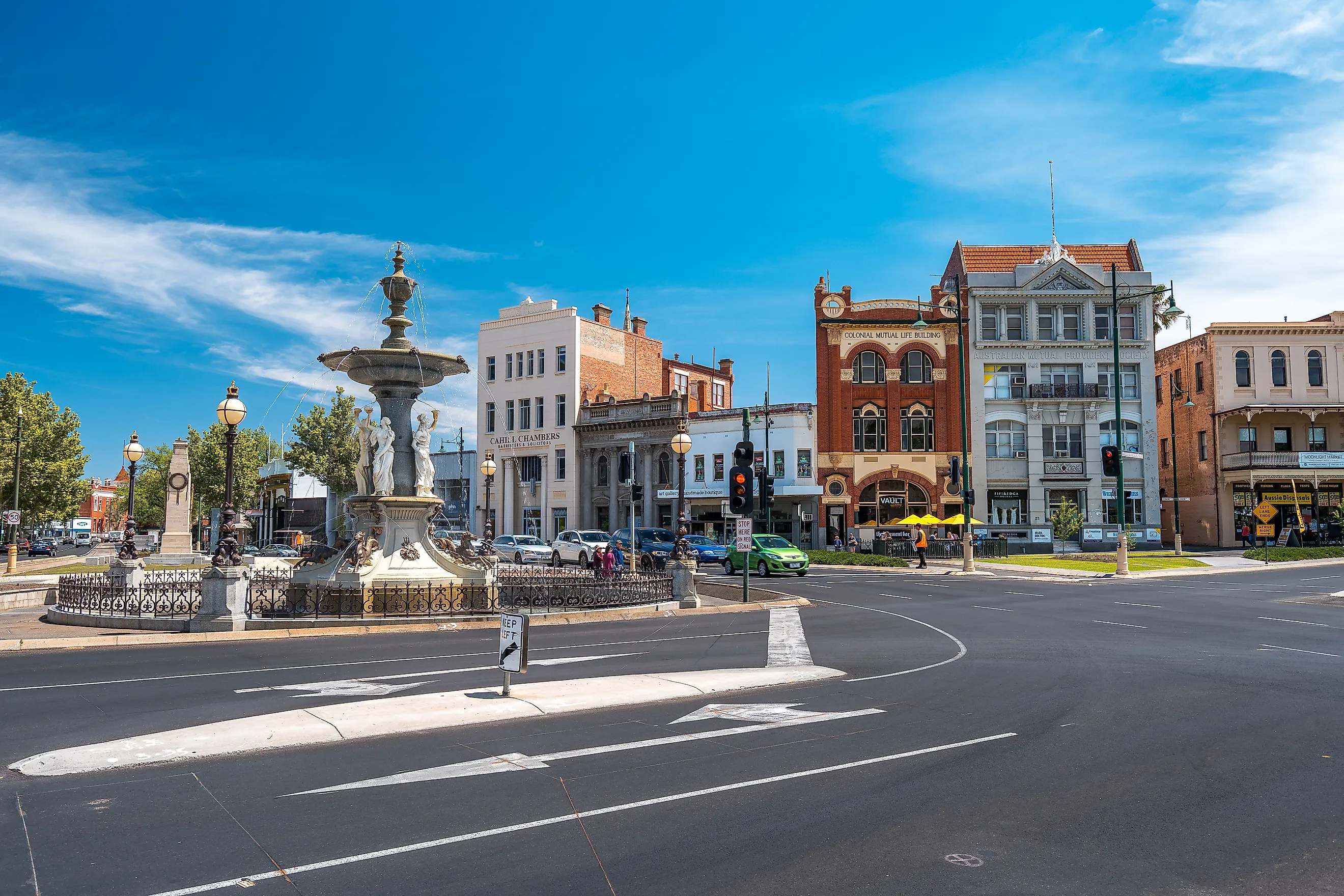
Ride a vintage tram down View Street and you get the measure of Bendigo in about ten minutes. The gold pulled out of the ground here in the 1850s built a downtown of grand facades, and most of them still earn their keep as galleries, cafes, and shops. The vintage tramline is the easy way to see it, rolling past the spires of the Sacred Heart Cathedral on a narrated loop that suits an unhurried afternoon. For a change of pace, the Central Deborah Gold Mine runs tours down into the real shafts the miners worked, not a replica. The Bendigo Art Gallery, one of the oldest in the country, keeps a strong Australian collection and a schedule of touring shows worth planning a week around. It is a walkable, good-natured city where a retiree never has to go far for something to do.
Ballarat

Most mornings in Ballarat start the same way, with a lap of Lake Wendouree. The full circuit runs past the botanical gardens and shares its route with a working heritage tram, so you can walk one direction and ride back if the legs say so. The gardens hold the Prime Ministers Avenue, a line of bronze busts of every Australian prime minister, which makes for an oddly grand stroll. Ballarat wears its gold-rush money in wide streets and Victorian buildings that have aged well. Sovereign Hill re-creates the 1850s diggings, where you can pan for real gold at Red Hill Gully and keep whatever flecks you find. After dark the same site runs AURA, a sound-and-light show projected across the hillside. It all suits the kind of slow, repeatable outings that make retirement easy.
Geelong

Geelong sits at the edge of Corio Bay, and its rebuilt waterfront is the best of it. Eastern Beach still has its 1930s sea baths, a set of enclosed swimming areas with a boardwalk and a tiered lawn above them. The foreshore is lined with the Baywalk Bollards too, more than a hundred painted timber figures for company along the walk. A little inland, a path loops the lagoons at Balyang Sanctuary, where black swans and pelicans gather in the early light. The Geelong Gallery sits beside Johnstone Park with a solid collection of Australian art, so a culture fix is a short outing rather than a day trip. Between the bay, the birds, and the galleries, a Geelong retiree can fill a week without driving much at all.
Warrnambool

Each winter, southern right whales swim in close to Warrnambool to calve, and half the town seems to know the day the first one shows up. A free clifftop platform at Logans Beach puts you within a hundred metres of mothers and calves, roughly June through September. Warrnambool sits on the wild edge of the Southern Ocean, so the water is never far from the day. Flagstaff Hill Maritime Village re-creates a 19th-century port, with a museum devoted to the shipwrecks scattered along this coast. When the ocean turns rough, the Merri River estuary is the calmer option, a flat walk where fresh water meets salt. It is an active, outdoorsy place to retire, with plenty of reasons to get outside most days.
Melbourne

Melbourne is the big-city option on this list, and it works for retirement because you can live it at neighbourhood scale. Pick a tram line and a couple of suburbs and the size of the place stops mattering. The Yarra trail is the spine of a good week, a green corridor that follows the river out to the Abbotsford Convent and its Sunday makers market. On the water, the Williamstown ferry carries you across to a preserved maritime village of timber piers and old pubs. The Royal Botanic Gardens are a short tram ride from the centre, with Guilfoyle's Volcano, a restored reservoir, planted out in terraces. Trams, river paths, and laneway coffee stops add up to a version of Melbourne that feels manageable and genuinely walkable.
Shepparton

Shepparton grew out of the orchards of the Goulburn Valley, and it still keeps a country pace. The heart of a Shepparton day is Victoria Park Lake, a short circular walkway with plenty of birdlife and an easy grade for morning laps. On its shore stands the Shepparton Art Museum, a striking five-level building that opened in 2021 and holds one of the country's best ceramics collections. Around town you will spot the Moooving Art cows, painted fibreglass sculptures that locals treat as old friends. The Australian Botanic Gardens are still filling in along the water, and the Goulburn River runs along the city's green edge. For a retiree who wants space, birdsong, and a proper gallery within walking distance, Shepparton is hard to beat.
Echuca

Echuca made its name on the Murray, and the river is still the reason retirees keep choosing it. The Port of Echuca keeps the world's largest fleet of working paddle steamers, including the PS Adelaide, the oldest wooden-hulled steamer still in service anywhere. You can walk the towering red gum wharf, listen to a steam whistle, and be back at a riverside cafe inside an hour. Day to day, the draw is simple: flat riverbank paths, a friendly main street, and Moama a short bridge away on the New South Wales side. Housing costs less here than in the big cities, which is a big part of the appeal. One honest note: the Murray flooded the town in 2022, so it is worth checking a property's flood history before buying. Even so, few retirement towns put you this close to the water.
Mildura

If sunshine is high on your retirement wish list, Mildura is the Victorian answer. Way up in the state's northwest corner, it gets a warm, dry climate that keeps you outdoors nearly year-round. The Murray River runs right through town, with a wharf, riverside paths, and houseboats you can hire by the week. Langtree Avenue, known locally as Feast Street, is a run of cafes and restaurants under palm trees for the evening stroll. The art deco streetscape is a local point of pride, with the old Astor Theatre now the Mildura Brewery and the T and G Building's clock tower marking the main corner. Rio Vista, the 1897 home of irrigation pioneer William Chaffey, sits at the Mildura Arts Centre alongside its galleries. Add prices below the coastal average, and Mildura makes a lot of sense.
Sale

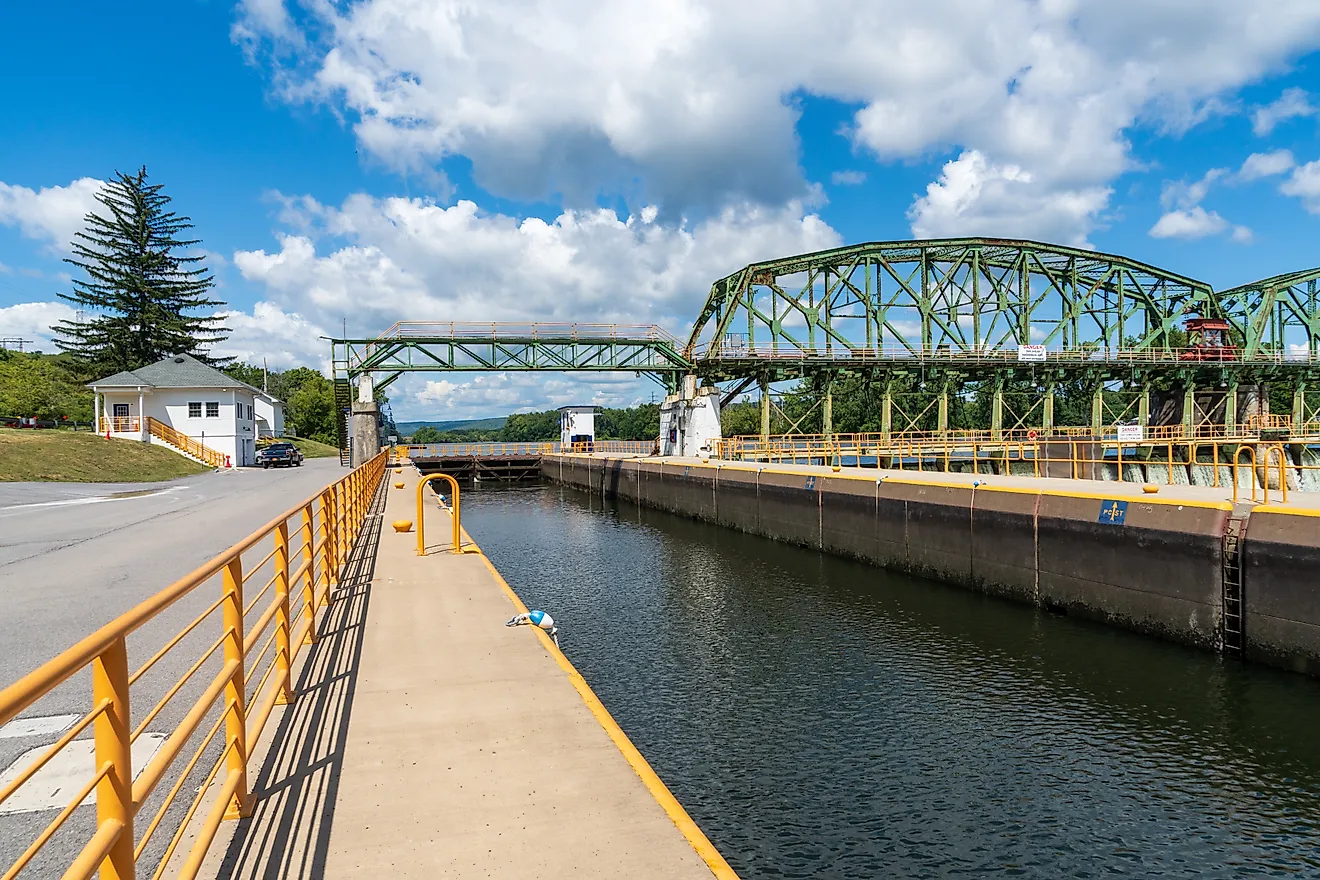
Sale is Gippsland's quiet achiever, a flat and easy-living city where water is never more than a short walk away. The Port of Sale sits at the end of a canal dug by hand in the 1880s, now a marina with a boardwalk, the Gippsland Art Gallery, and the Wedge theatre all in one spot. Just south of the centre, a long boardwalk runs out over a Ramsar-listed marsh at the Sale Common, with a bird hide for the pelicans and swans. Closer in, Lake Guthridge and Lake Guyatt connect to the botanic gardens for a gentle loop. The heritage boat Rubeena, on the water since 1912, still runs cruises down to the 1883 Swing Bridge, the first movable bridge in Victoria. Sale also sits at the gateway to the Gippsland Lakes and Ninety Mile Beach, so bigger water is close when you want it.
What Ties These Cities Together
The thread running through all nine is a simple one: each of the cities here has a single, reliable place to build a week around. In Bendigo it is a tram and a street of gold-era grandeur. In Warrnambool it is a clifftop and the whales that visit each winter. In Sale it is a boardwalk over the wetlands, and in Shepparton a lake with a gallery on its shore. Even in Melbourne the idea holds, once you shrink the city to a tram line and a river path. Pick the water or the streets that suit you, and the daily part of retirement mostly takes care of itself.