5 Most Rattlesnake Infested Areas in The Northern United States
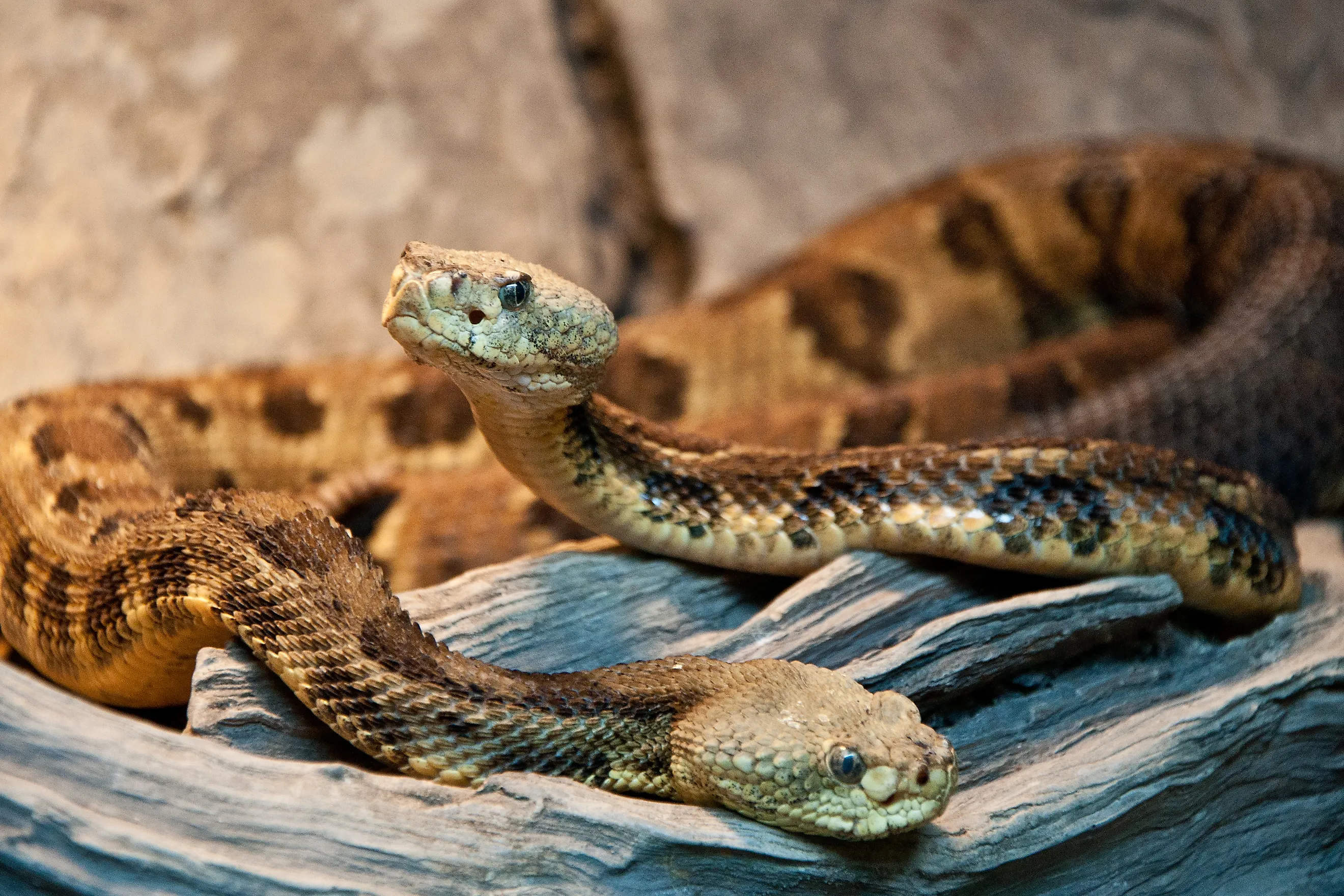
Across the Northern United States, rattlesnakes have found areas for their populations to flourish. While species like the timber rattlesnake (Crotalus horridus) are endangered in several northern states, they have also been found in areas such as Brown County State Park, where local populations are thriving. From rocky slopes and ledges that create optimal denning sites to riparian edges, this list highlights some of the most rattlesnake-infested areas in the Northern United States that create ideal conditions for this misunderstood species to hunt, bask, shelter, and reproduce.
Meshomasic State Forest, Connecticut

Meshomasic State Forest is home to the largest population of timber rattlesnakes in Connecticut. The forest floor is laced with streams and covered with rocks and boulders left behind by the last ice age. This creates the optimal environment for timber rattlesnakes, which favor rugged terrain with second-growth deciduous forest, rock slides, a nearby water supply, and rocky ledges, which they use as dens for hibernation over the winter.
The forest's topography is also favored by timber rattlesnakes. As an upland species, they are usually found at elevations of at least 500 feet above sea level. Meshomasic Mountain is the highest point in the forest, at 916 feet. There are other hills in the forest that reach 800 or 900 feet high.
Brown County State Park

Although Brown County State Park is one of the only places where timber rattlesnakes occur in Indiana, that doesn’t mean their population isn’t thriving. As a state-endangered species, great lengths are taken to protect it within the park. 115 rattlesnakes have previously been implanted with transponders to measure their locations and growth rates.
Ten timber rattlesnake hibernation dens have been located. Timber rattlesnakes usually begin hibernation in October as the weather gets colder. When they emerge from their dens in mid-April, they begin searching for food, basking sites, shelter, and a mate. Mating usually occurs in May, and females return to hibernation dens to give birth to live young in September. Ordinarily, rattlesnakes will return to the same hibernation site for many years.
Maquoketa Caves State Park

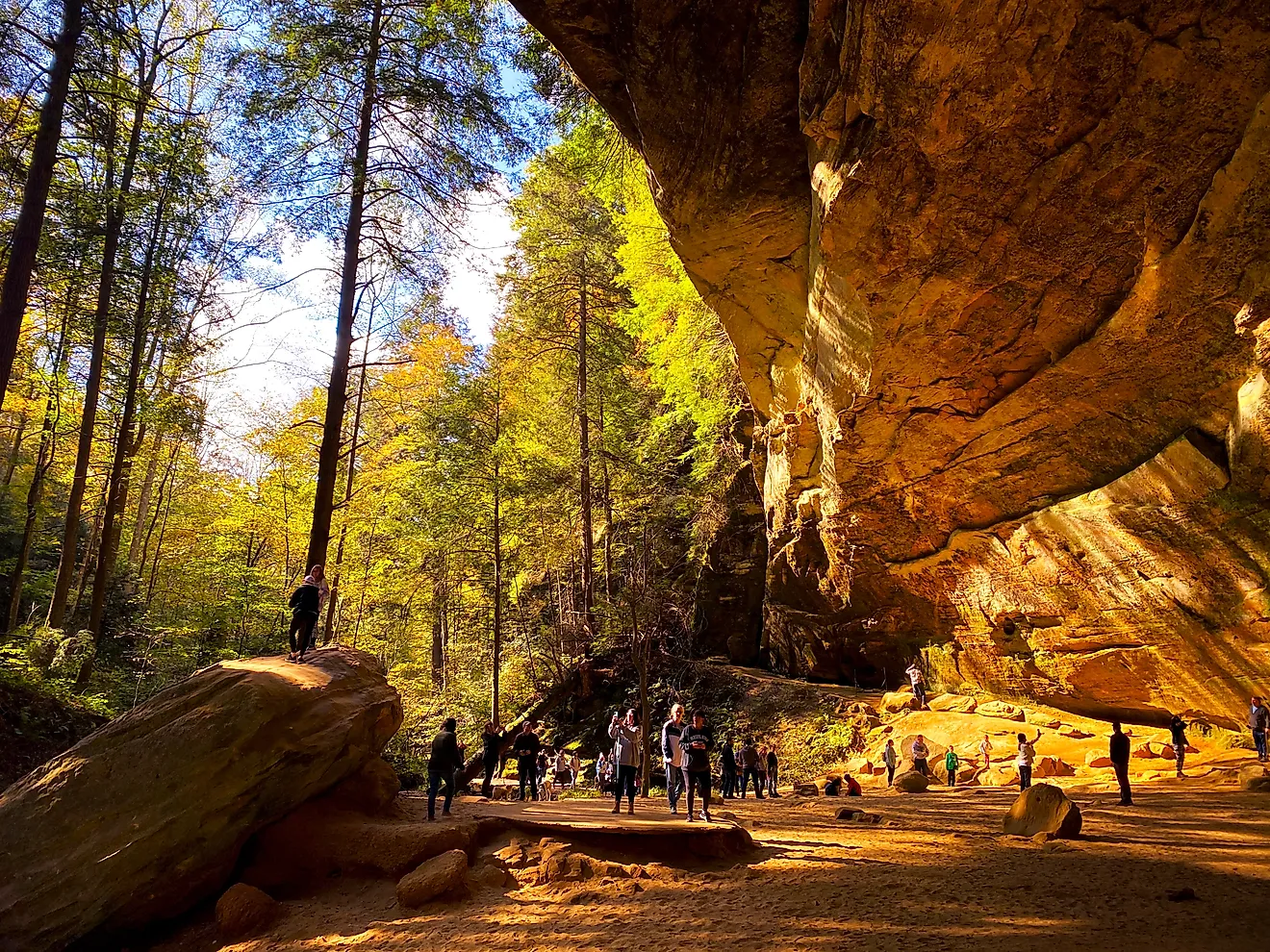
Maquoketa Caves State Park is home to two of three rattlesnake species found in Iowa: the timber rattlesnake and the massasauga rattlesnake (Sistrurus catenatus). The park has more caves than any other state park. Other features of the park include large bluffs throughout and a six-mile trail system that links most of the 13 caves together. Timber rattlesnakes prefer the park's bluffs, frequenting the south and southwest sides where there are open, sunny areas for basking, as well as the surrounding forested areas for shelter.
In addition to caves and rock formations, the park features meadows that are likely used by massasauga rattlesnakes. Unlike timber rattlesnakes, this species tends to avoid heavily forested areas.
Bighorn Canyon National Recreation Area

Bighorn Canyon National Recreation Area spans 120,000 acres between northern Wyoming and southern Montana. It is estimated that on average, there is one prairie rattlesnake (Crotalus viridis) per acre. Prairie rattlesnakes have even been observed swimming across the surface of Bighorn Lake. Fishermen sometimes discover young rattlesnakes in the stomachs of rainbow trout.
Prairie rattlesnakes prefer dry and rocky areas with moderate vegetation, grasslands, and prairies. However, they are not opposed to inhabiting woodlands, forests, and caves. In the summer months, when it is hotter, they usually like to hunt at night when the temperature is cooler. Due to their prevalence in the area, hikers need to exercise caution and be mindful of where they step and place their hands.
Catskill Mountains

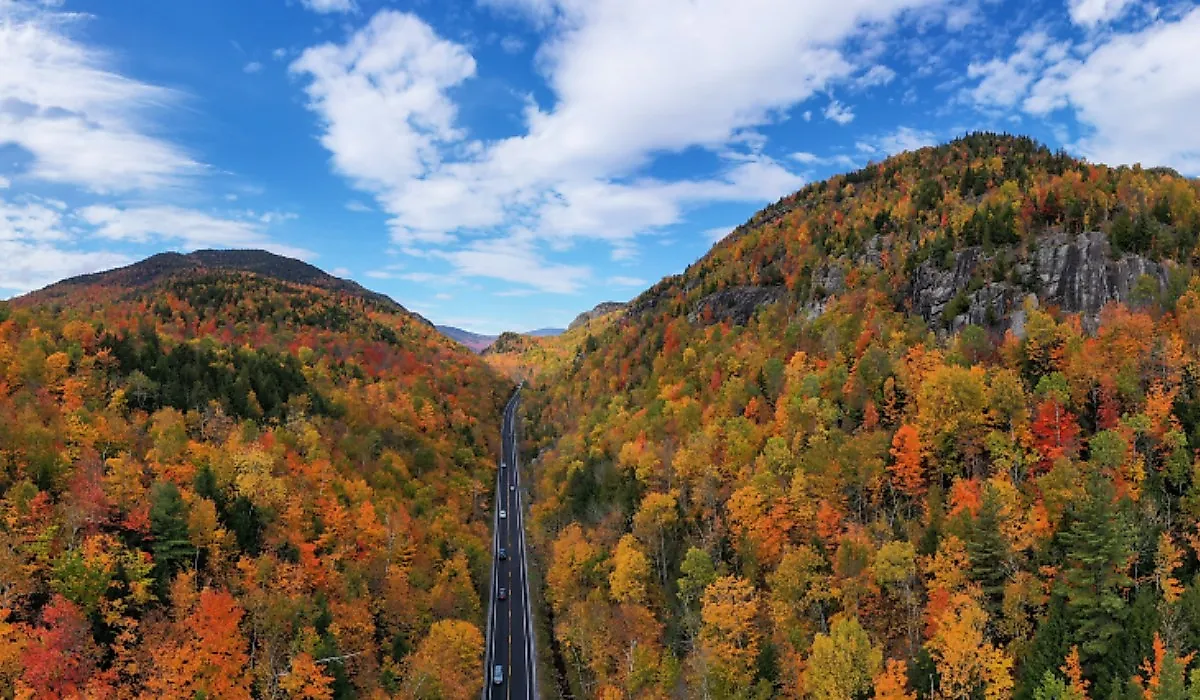
The Catskill Mountains of New York are a subrange of the Appalachians. The Catskills are characterized by round, forested peaks laced with narrow, winding valleys and rivers and streams. Catskill Park covers an enormous 600,000 acres of unspoiled wilderness. Rattlesnake sightings are common in the area, especially around Tremper Mountain and Overlook Mountain.
About 100 feet off the trail on Tremper Mountain, an estimated 100 rattlesnakes share a den. Hikers often spot rattlesnakes on and around a nearby trail. Overlook Mountain has the highest population of timber rattlesnakes of anywhere else in the Catskill Mountains. However, the trail to the summit is wide, making it easier to see and avoid them.
Rattlesnakes in the North

While rattlesnakes are an important part of ecosystems in the Northern United States, encounters with them are still relatively uncommon. Species such as the timber rattlesnake and prairie rattlesnake are generally elusive and tend to avoid humans, preferring quiet, undisturbed habitats like rocky hillsides, forests, and open grasslands. By staying aware of your surroundings, remaining on established trails, and giving wildlife plenty of space, visitors can safely enjoy these natural areas where rattlesnakes are plentiful in the Northern United States.