US Towns You Can Only Reach By Boat
In a handful of American towns, the road really does end at the water. Reaching Monhegan means crossing 10 miles of open sea off Maine. Tangier rises from the middle of Chesapeake Bay with no bridge in sight. Farther west, ferries carry passengers to Mackinac Island in Lake Huron and Avalon off Southern California. The isolation has shaped everyday life in unusual ways: cars disappear, horses and golf carts take over, old dialects survive, and development moves more slowly.
Monhegan Island, Maine

10 miles off the coast of Maine, Monhegan Island is just 1 square mile in size. Under 100 people call the remote island home, and residents like it that way. With no roads connecting it to the mainland, the community stays quiet and unrushed. The island's unspoiled coastal landscape attracted artists in the mid-to-late 1800s. The commercial fishing town quickly became an artist's colony and peaceful tourist hub, which it remains to this day.
Monhegan Island can be reached from Port Clyde using the Monhegan Boat Line. Since the town lacks paved roads or traffic lights, residents and visitors mainly navigate the island on foot. Nature lovers come to hike the Monhegan Island Cliff Trail, a steep route with Atlantic vistas. The shorter Lobster Cove Trail also includes views of the D.T. Sheridan, a 1948 shipwreck. From mid-June through September, the Monhegan Museum of Art & History is another popular stop. The attraction is next to the 19th-century Monhegan Lighthouse. Each site spotlights Monhegan's heritage, one with fine art, the other with tower tours.
Ocracoke Island, North Carolina

Ocracoke Island is an Outer Banks village in North Carolina, bounded by the Pamlico Sound and Atlantic Ocean. After centuries of isolation from the mainland, its islanders developed a distinct dialect known as "Ocracoke Brogue," stemming from English settlers. Many longtime residents still speak with the accent and vocabulary today, though it is becoming less common. These days, a state-run ferry ride makes it easier to reach Ocracoke Island, especially since the Hatteras Ferry is free.
Much like Monhegan, Ocracoke Island lives life at a slower pace. While the tight-knit community receives its fair share of visitors, the village still runs on island time. Lifeguarded Beach is quiet compared to typical resort shores. Springer's Point Preserve also features a secluded beach on the Pamlico Sound and nature trails through maritime forests. With no parking available, the preserve can only be reached by bicycle or on foot, keeping it uncrowded. Nearby, the 1823 Ocracoke Lighthouse is a favorite follow-up as one of the nation's oldest beacons.
Mackinac Island, Michigan

People still travel by carriage on Mackinac Island, a Michigan town where cars are banned. The island has been car-free since 1898 to prevent scaring local horses. Today, people still walk, bike, and travel the island by carriage. Even though cars are prohibited and ferry rides are the main way to get here, Mackinac receives about 1 million annual visitors. Over 80% of the island is kept in its natural state at Mackinac Island State Park. Laws and ordinances also safeguard downtown Mackinac's Victorian aesthetic. With park preservation and no loud vehicles, the island feels frozen in time.
Horse-drawn taxi rides are available through Mackinac Island Carriage Tours in the summertime. Others prefer to explore on foot to see the townscape at eye level. Downtown Mackinac Island is just off the ferry docks. The district is flanked by 19th-century architecture and historic candy stores like Original Murdick's Fudge. At Mackinac's state park, Fort Mackinac is a centerpiece dating back to 1780. The historic site has 14 restored buildings and daily cannon firing demonstrations. Deeper into the park, hikers can find natural landmarks like Arch Rock, a limestone arch framing Lake Huron.
Avalon, California

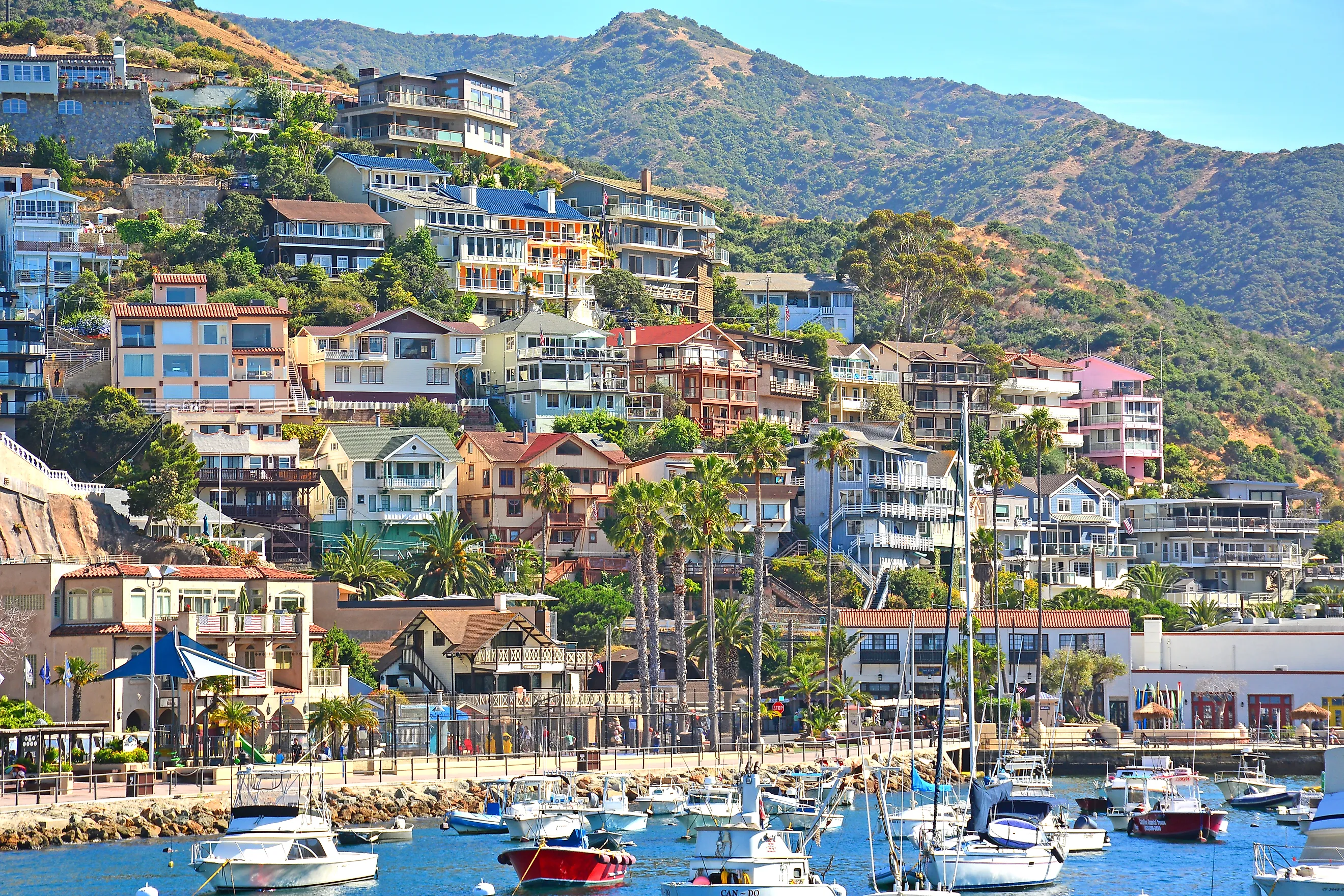
Catalina Island also tightly restricts cars, with a 25-year waitlist to own one. Located 22 miles off the coast of Los Angeles, people mainly get here on the Catalina Express, a passenger ferry departing from Long Beach. Although the island is not completely car-free, most people travel by golf cart, keeping life on the quiet side. Avalon is Catalina Island's main town, located on its east end. It is the only California town legally allowed to regulate the number of cars on its roads. With its lack of traffic and distance from the mainland, most people come here to escape L.A.'s fast pace.
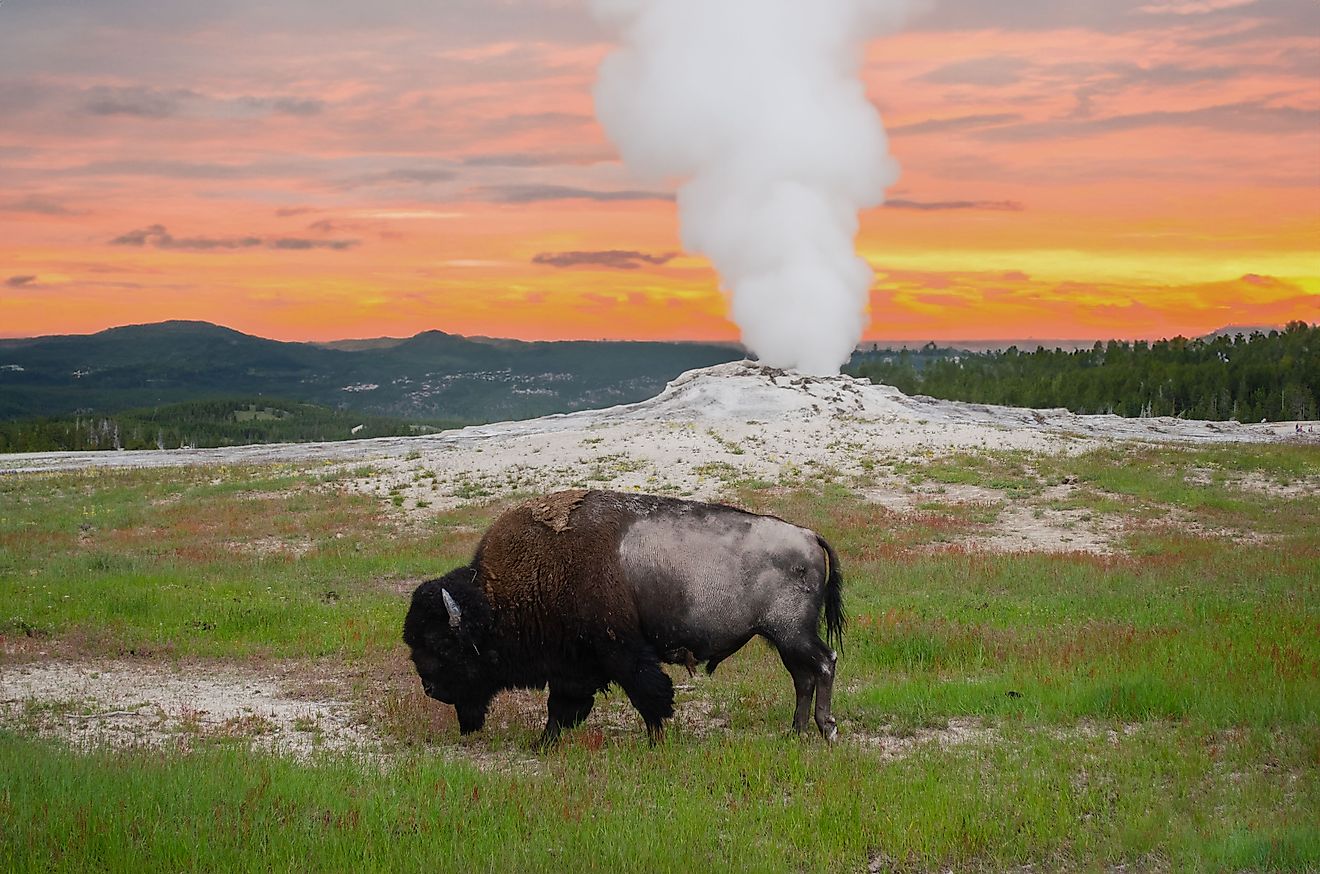
Avalon traded commercial fishing for tourism in the late 19th century. Today, this vacation spirit coincides with everyday life. South, Middle, and Step Beach are the town's 3 public shores. South Beach is closest to the ferry terminal, while the other 2 bookend the Green Pleasure Pier. Built in 1909, the historic pier extends more than 400 feet into Avalon Bay. People come here to sightsee and book excursions with Catalina Adventure Tours, including a submarine experience and bison expedition. Over 100 wild bison roam the island's interior, descending from a herd left behind by a 1920s film crew. The wildlife tour also takes passengers up Cape Canyon to an overlook on Black Jack Mountain.
New Shoreham, Rhode Island

New Shoreham is Rhode Island's smallest town, home to about 1,000 year-round residents. The Block Island Ferry is the main way to get here, and 15 to 20,000 people visit per day during peak summer months. Although New Shoreham is a tourist town, its rugged sections make it feel off-grid. About 43% is preserved open space to protect Block Island's coastal ecosystems. Since it is roughly 12 miles away from the Rhode Island coastline, this distance also helps keep development at a minimum.
Many visit New Shoreham to hike the Mohegan Bluffs, which rarely feel crowded due to being spread out. The bluffs rise roughly 150 feet on Block Island's southern shore, overlooking the Atlantic. The 1875 Southeast Lighthouse can also be toured here from spring through fall. A wooden 141-step staircase leads down to a secluded sand beach as well. Alternatively, New Shoreham shores like Mansion Beach and Fred Benson Beach are easier to reach, not requiring a climb.
Washington, Wisconsin

A 5-mile ferry ride leads to Washington, Wisconsin, Door County's only year-round island community. Washington Island sits where Lake Michigan and Green Bay meet, secluded from busier towns on the mainland. The unincorporated town became a popular place to escape urban strains in the late 19th and 20th centuries. Even so, Washington's open fields and rocky beaches contrast Lake Michigan's flashier resort towns. A lack of bridges or connecting roads also keeps daily life here rustic and relaxed.
The Washington Island Ferry Line transports passengers here year-round. Schoolhouse Beach is a local crowd-pleaser, with waters lined by smooth white stones instead of sand. This is one of the few limestone beaches of its kind in the world. Because it sits in a protected bay on Washington Harbor, the water is also very calm and clear. For a bird's-eye view of the island, the Mountain Park Lookout Tower lets guests climb 186 steps for the perfect photo. Even further inland, the Fragrant Isle Lavender Farm is billed as the Midwest's largest lavender farm. The farm's 20,000 lavender plants generally peak in July and August.
Tangier, Virginia

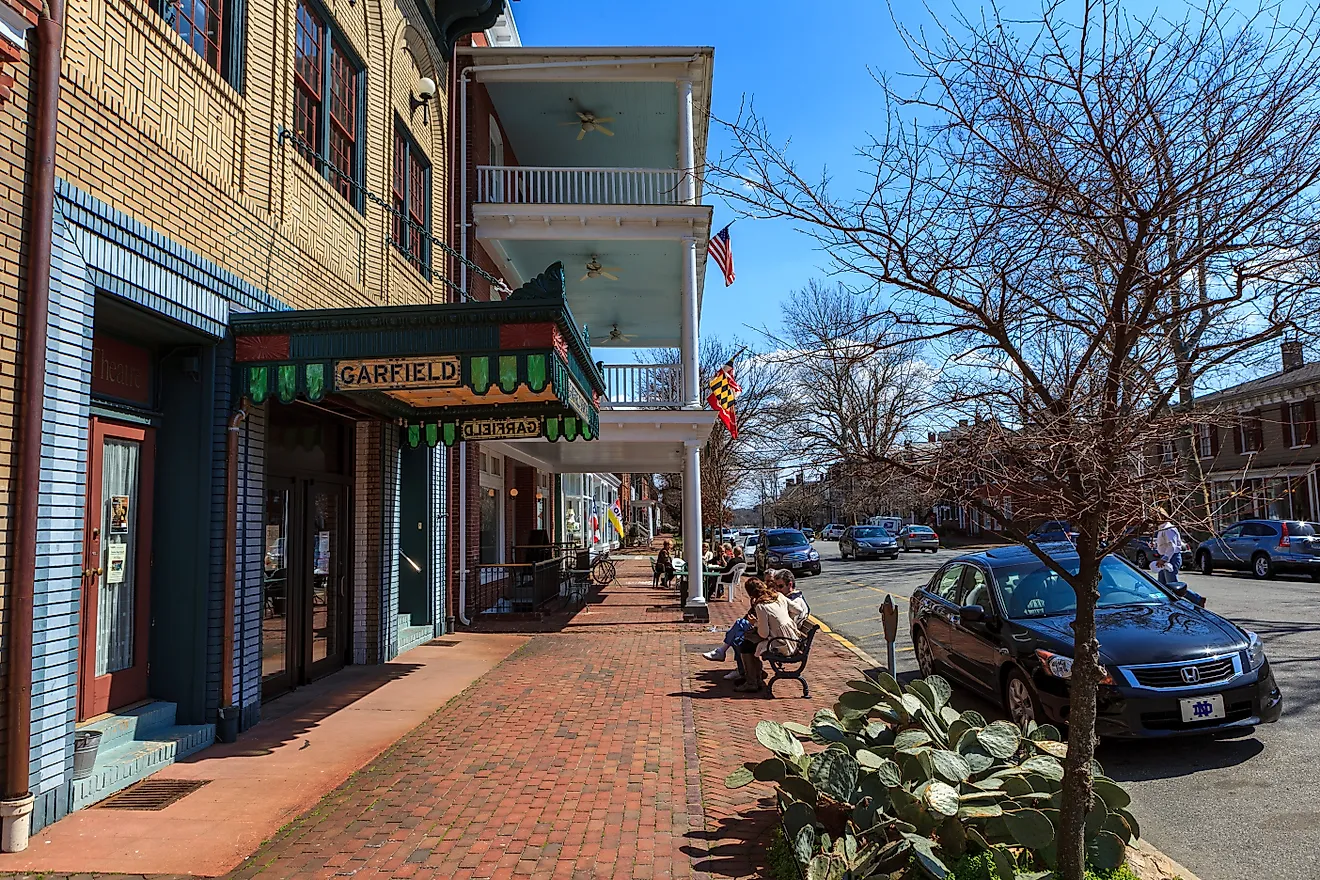
Ending on Chesapeake Bay in Virginia, Tangier is another island town with no cars or causeways. Tangier Island's small size and historic settlement led to this long-standing prohibition. The town was settled by farmers in the 1700s, long before the invention of cars. Consequently, its roads are narrow and unequipped for automobiles. Today, Tangier sticks to its car-free roots, requiring visitors to leave their vehicles on the mainland. After the ferry ride in, bikes and golf carts are the main forms of transportation here.
Tangier Island is small, at just 3 miles long and 1 mile wide, but golf carts make it easy to see more in a day. Most Tangier locals own their own carts, but visitors can rent them through the Four Brothers Crab House & Ice Cream Deck. Nearby, the Tangier History Museum has exhibits exploring the town's maritime heritage and its role in the War of 1812. The museum also lends kayaks and canoes for free paddling on Chesapeake Bay. Further south, Tangier's main public shore is undeveloped and sequestered from downtown for the ultimate peaceful beach day.
Island Towns Worth The Ferry Ride
Ferries make it easy to access these island communities. But without causeways connecting them to the mainland, seclusion makes each town unique. Mackinac Island is a tourist hub, yet its Victorian downtown and park preservation make it feel timeless. Tangier's lack of cars keeps its rural landscape intact, just as Catalina Island's wild interior allows wild bison to thrive. Distance from the mainland is an enduring push, allowing each town to exist in its own little world. With modern infrastructure making true seclusion rare, these US island towns let guests experience what is nearly gone.