The Strongest Ocean Current Off The American Coast
Currents are natural occurrences caused by wind and differences in water density. When water temperatures rise along with salinity currents are stronger especially during storms. Gravity also plays a part alongside other major earth events like earthquakes, hurricanes, or tsunami (tidal) waves from changes in the ocean floor. American currents are also affected by the Coriolis effect, or the earth's rotation speed.
The American coast has several currents, the strongest is the Gulf Stream. The California and Alaska currents are important for ecosystem support and natural ocean processes but neither has the natural strength of the Gulf Stream.
The Gulf Stream

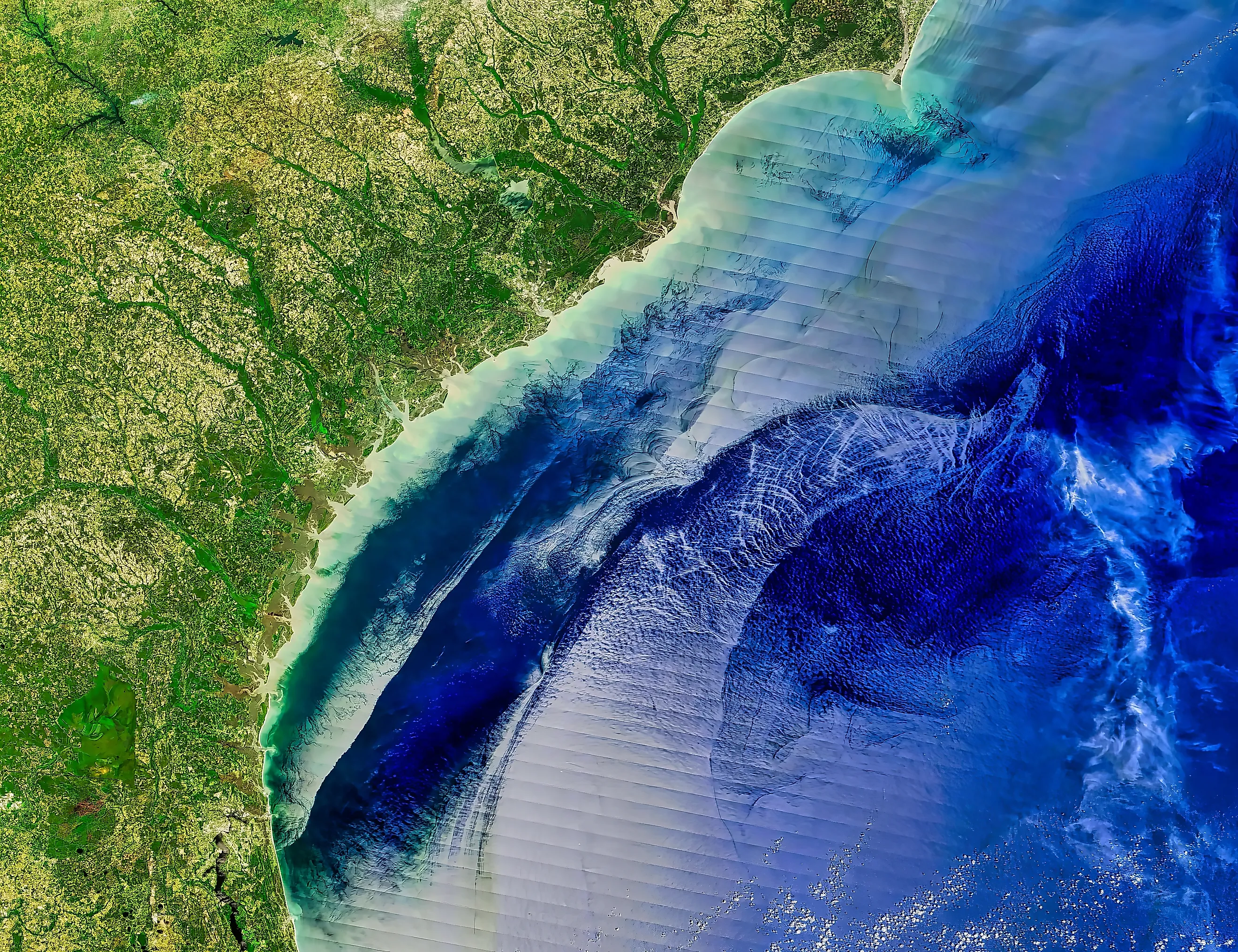
The Gulf Stream originates in the Caribbean and moves along the Gulf of Mexico, then exits through the Straits of Florida following the eastern coastline and onward through the Atlantic Ocean on its way to Europe.
The Gulf Stream travels at speeds ranging from 1 to 9 miles per hour (MPH). Speeds are influenced by wind, the speed of the Earth's rotation, gravity, and the sun. The current travels around 75 miles daily. As the current runs up the east coastline from Florida it warms the water in winter and cools it in the summer.
The average temperature of water within the Gulf Stream is 75°F during the winter, and approximately 84°F the rest of the year. Hence, why many people prefer swimming and surfing along beaches in Texas, Louisiana, Mississippi, Alabama, and Florida.
The California Current

On the west coast of America runs the California Current. The current flows southward along the western coast. The California Current is wider and shallower than the Gulf Stream. It runs more slowly than the Gulf Stream at approximately .5 MPH. The California current is cold as it comes out of southern British Columbia (Canada) and flows south to Baja California. In British Columbia the California Current combines with the Aleutian Current coming south from Alaska.
Surfers, swimmers, and other water users typically wear wetsuits in California to protect against the cold temperatures. Water that flows in the current originates in the Bering Sea. The water in the Bering Sea has an average temperature of 32°F at the surface and 35°F near the bottom.
The Alaska Current

The Alaska Current flows counterclockwise along the coast of the Pacific Northwest states heading to Alaska and the remote Aleutian Islands. The current is wider than the Gulf Stream or the California currents and moves around 2 MPH until it reaches the Kodiak Island where it speeds up significantly as the current narrows. The average water temperature is 39°F year-round.
The Purpose of Currents off the American Coast
Currents powered by wind move warmer surface water away from the beaches by pulling in colder, more nutrient-rich water in a process called upwelling. The nutritious cold water includes phytoplankton blooms that feed all those small water critters like fish, seabirds, and crabs.
Additionally, the cooler water lowers the air temperatures and is the cause of the constant west coast fogs in San Francisco and Los Angeles.
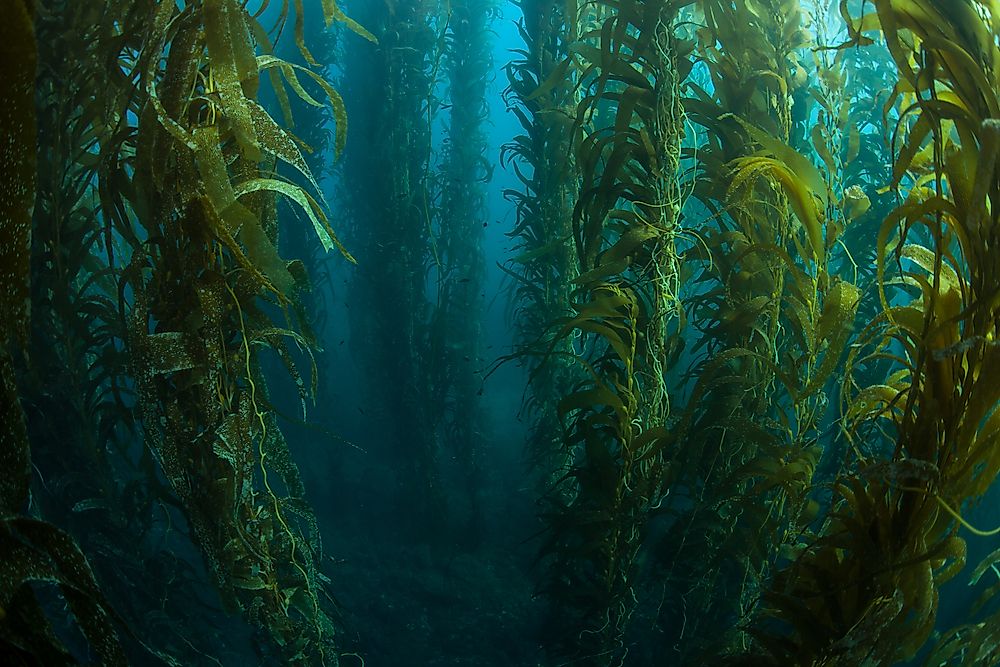
The California current specifically supports the food ecosystem by supplying kelp forests with nutrients that then in turn feed dolphins, whales, other sea mammals, and fish. The effects of climate change raise ocean temperatures in places which negatively impacts the source of nutrients for the living species in the oceans. Fewer fish means less food for living creatures in the ocean and humans. No more seafood, kelp, seaweed, lobster, and many other types of food from the ocean.
Ocean ecosystem imbalance caused by fewer kelp forests translates into a rise in predators and deadly algal blooms. Algal blooms decrease the available oxygen in the water and create large dead zones. Healthy kelp forests not only feed ocean species but are natural barriers to beach or coastline erosion.
The Gulf Stream's primary purpose is to move warm water and thermal energy up from the Caribbean and Gulf of Mexico and disperse it to support species needing warmer water as it moves north. Similarly, the Alaska Current makes the southeast coastline of Alaska warmer than it would otherwise be. Currents support the ocean ecosystems as they travel. Stable currents means normalized temperature zones and abundant fish. More fish, more seafood for critters living in the ocean and the seafood many humans enjoy.
The currents running along the American coasts create a healthy ocean ecosystem. Currents support commercial fishing industries in the U.S. as well as sustaining all ocean species. Currents influence ocean temperatures, create upwellings, and keep water within the ocean in a constant flow state. American coasts depend on wind, gravity, and earth's rotation speed to keep water flowing for a healthy and abundant ocean ecosystem.