What Happens If The Snake River Dams Are Breached
The Snake River could flow freely for more than 140 miles through southeastern Washington if four federal dams were breached. Reservoirs that now slow the river would give way to a narrower, faster-moving channel, changing one of the Pacific Northwest's most important transportation, energy, and salmon corridors. The effects would extend far beyond the riverbanks, affecting electricity, agriculture, shipping, recreation, and communities in Washington and Idaho.
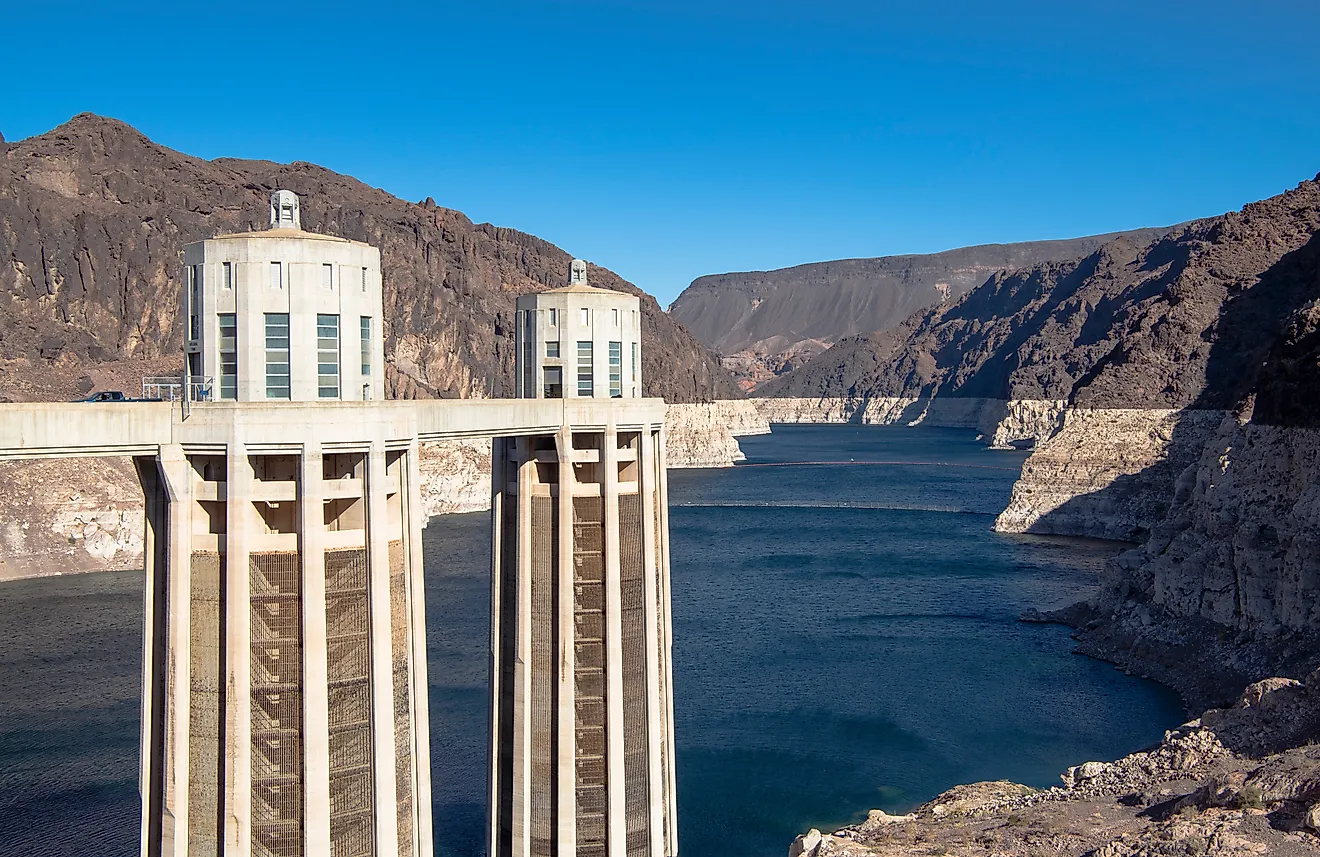
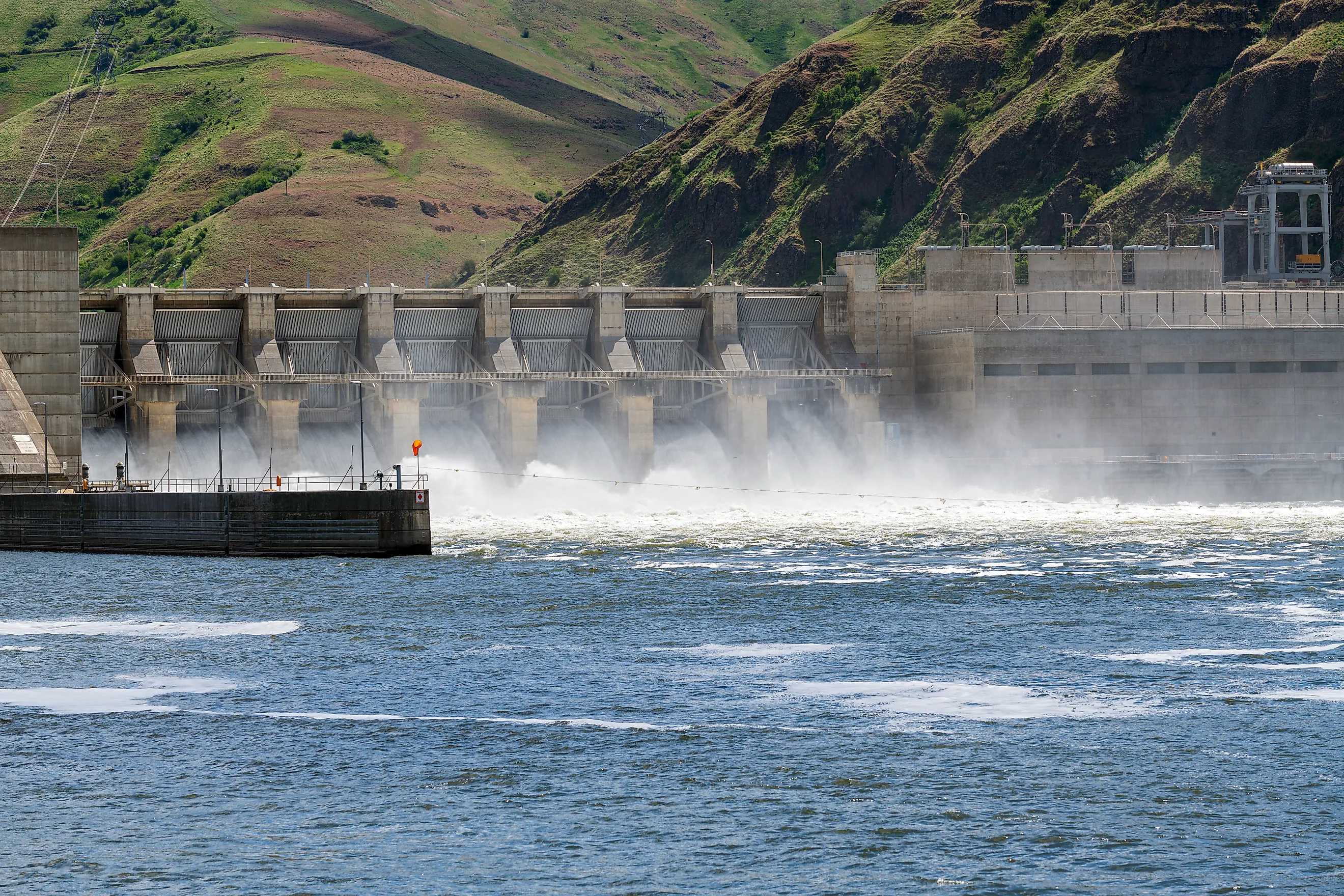
The four structures at the center of the issue are Ice Harbor, Lower Monumental, Little Goose, and Lower Granite dams. They are the lower Snake River dams, not all the dams in the Snake River system. The US Army Corps of Engineers operates them as multipurpose facilities that provide hydropower, navigation, recreation, and fish and wildlife benefits. Breaching them would involve drawing down the reservoirs and removing or altering the earthen portions of the structures that maintain existing water levels. Such a project would also require congressional authorization and substantial investment in replacement infrastructure.
The River Would Change First

The most immediate physical change would occur along the lower Snake River. The four dams have transformed this section into a series of deep, slow-moving reservoirs. Breaching them would allow the river to reclaim a more natural channel. That transition would not happen without disruption. Water levels would fall as the reservoirs were drawn down, exposing shorelines that have remained underwater for decades. Sediment deposited behind the dams could also complicate restoration. Federal and state assessments have noted uncertainty about how much sediment could move through the river and how much temporary turbidity could occur during drawdown.
Over time, vegetation could begin growing across newly exposed land, and the river would establish new channels, beaches, and floodplain features. Federal assessments estimate that the river could take two to seven years to reach a new sediment-transport equilibrium after breaching. The landscape would not return exactly to its pre-dam conditions. Roads, farms, towns, and other developments have changed the region since construction of the dams began in the 1950s.
Salmon Would Face Fewer Obstacles

The strongest argument for breaching the dams centers on salmon and other migratory fish. Salmon born in the Snake River Basin must travel hundreds of miles to reach the Pacific Ocean, then make the journey in reverse when they return to spawn. Fish ladders and other passage systems allow many adult and juvenile fish to move past the dams, but the reservoirs also slow the river's current. According to the US Army Corps of Engineers, slower water can increase the time juvenile fish spend migrating downstream, alter water temperatures, and create conditions that make predation easier.
Breaching the dams would remove four major barriers from the migration route and speed the downstream journey for juvenile fish. The 2022 Lower Snake River Dams Benefit Replacement Report notes that salmon and steelhead populations using the Snake River include species listed as threatened or endangered under the Endangered Species Act. Removing the dams would not guarantee the recovery of every salmon population. Fish also face challenges from habitat loss, ocean conditions, other dams, predators, and changing river conditions elsewhere in the basin.
Barges Could No Longer Reach Lewiston

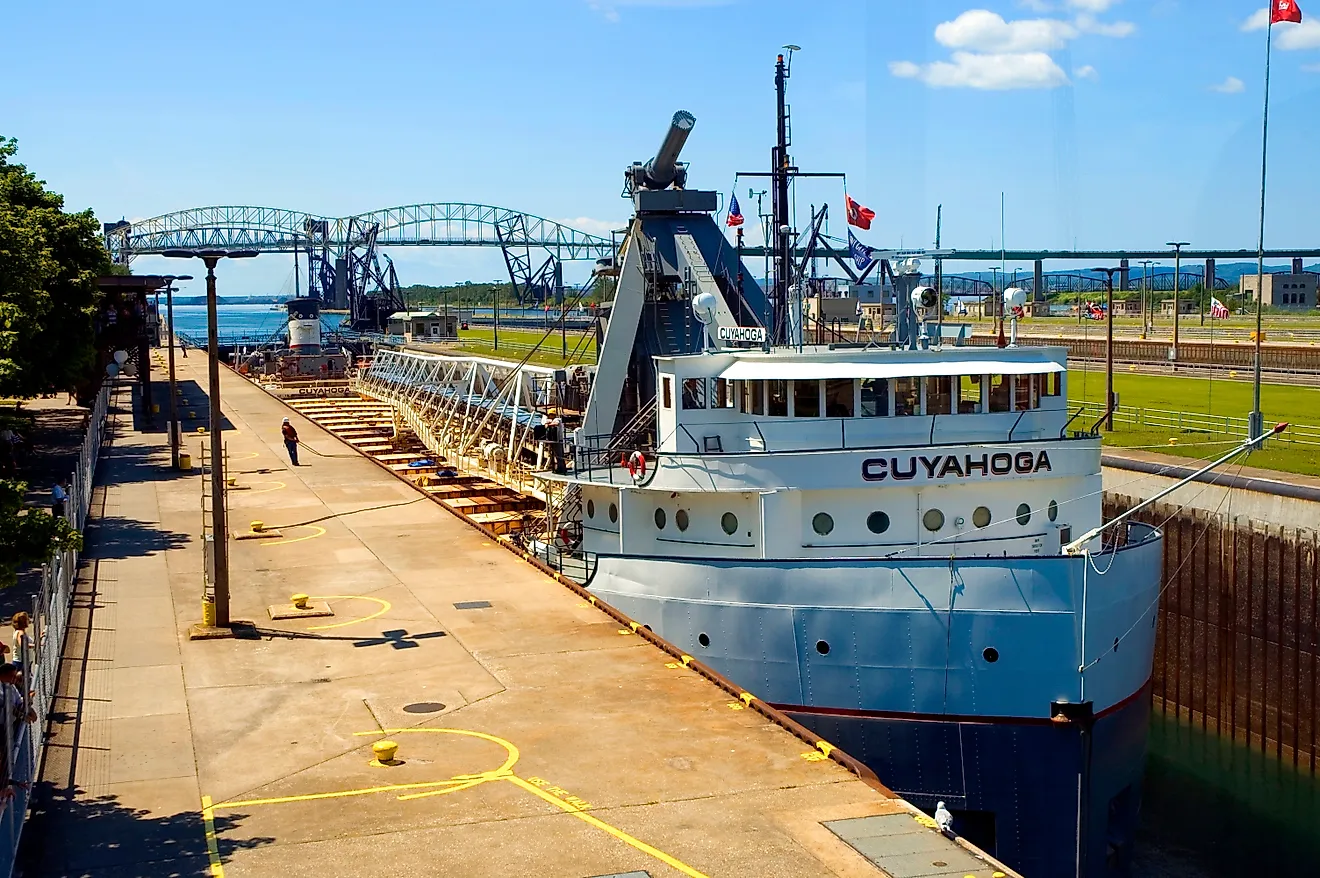
One of the clearest changes for people would involve navigation. The dams and their locks maintain a shipping route that allows barges to travel between Lewiston, Idaho, and the Columbia River. Without the dams, commercial barge transportation on this section of the Snake River would end. The river's current and rapids would replace the deep, slow reservoirs needed for large vessels. A Congressional Research Service report states that barge and cruise transportation on the lower Snake River would not be possible without the dams and navigation locks.
Wheat is the primary commodity moved along the Snake River. Farmers and grain companies would need to rely more heavily on trucks and railroads to move crops toward export terminals along the Columbia River. Replacing that transportation capacity would require improvements to other parts of the regional freight network. The loss of navigation would also affect river recreation. Cruise boats that currently travel upstream toward Clarkston and Lewiston would lose access to the same route. Other forms of recreation could emerge around a restored river, but boating, fishing, and waterfront activities built around the existing reservoirs would change substantially.
The Region Would Need Replacement Power

The four dams also generate electricity. Together, they produce an average of about 900 megawatts of power and have a combined generating capacity of 3,033 megawatts, according to Washington's 2022 benefit-replacement report. Their ability to respond to changing demand makes them part of the broader Northwest power system.
Breaching the dams would therefore require replacement energy resources. Wind and solar power could contribute, but the regional grid would also need to account for the dams' ability to generate electricity when it is needed and support system reliability. Bonneville Power Administration has continued studying the complexity and cost of replacing the energy services provided by the four dams. Washington State has also examined the resources needed to replace their benefits.
Some Water Systems Would Need New Infrastructure

The reservoirs behind the dams also support irrigation and water withdrawals. Water would continue flowing through the Snake River after a breach, but the lower river levels would make some existing pumping systems unusable. According to the Congressional Research Service, approximately 50,000 acres receive irrigation water from the lower Snake River system, primarily near Ice Harbor Dam. Municipal and industrial users also withdraw water from the reservoirs, including the cities of Lewiston, Idaho, and Clarkston, Washington.
Breaching the dams would require changes to protect those water supplies. New pumping stations, pipelines, or other infrastructure could allow users to reach the river after its water level dropped. Washington's Department of Ecology has studied water-supply impacts and potential approaches for replacing services currently supported by the dams. The scale of the work would vary by location. Some farms and communities could adapt with relatively straightforward infrastructure, whereas others could require more extensive changes.
The Costs and Benefits Would Extend Beyond the River

Breaching these four dams would create both new opportunities and major adjustment costs. A restored river could support salmon recovery and create different recreation and tourism opportunities. Communities and industries that depend on the existing reservoirs, however, would need replacement transportation, power, water, and recreation infrastructure. The 2022 benefit-replacement report estimated replacement and mitigation costs of $10.3 billion to $31.3 billion in 2022 dollars, excluding certain costs that could not yet be estimated. The report did not recommend either keeping the dams or breaching them. Instead, it examined what would be necessary to replace or mitigate the services they provide.
The report's central finding was that adequate replacement strategies would need to be identified and implemented before breaching could occur as part of a broader salmon-recovery strategy. The question also involves more than engineering. Tribal nations, farmers, shipping companies, utilities, fishing communities, and residents of the Snake River region have different connections to the river and its future. Any decision would require weighing changes that benefit one use of the river against the costs imposed on another.
A River With a Different Future
If the four lower Snake River dams were breached, the reservoirs would give way to a more natural, free-flowing corridor. Salmon would gain a migration route with fewer barriers, and shoreline communities would see major changes to the landscape around them. The consequences would reach beyond southeastern Washington. Barge traffic would need an alternative route to market, electricity would need replacement sources, and farms and cities that rely on existing water infrastructure would need new ways to access the river.
Breaching the dams would not restore the Snake River to a version of its past. It would create a new landscape shaped by a faster river, decades of human development, and decisions about how the Pacific Northwest balances energy, transportation, agriculture, and fish recovery.