The Saltiest Sea In The World
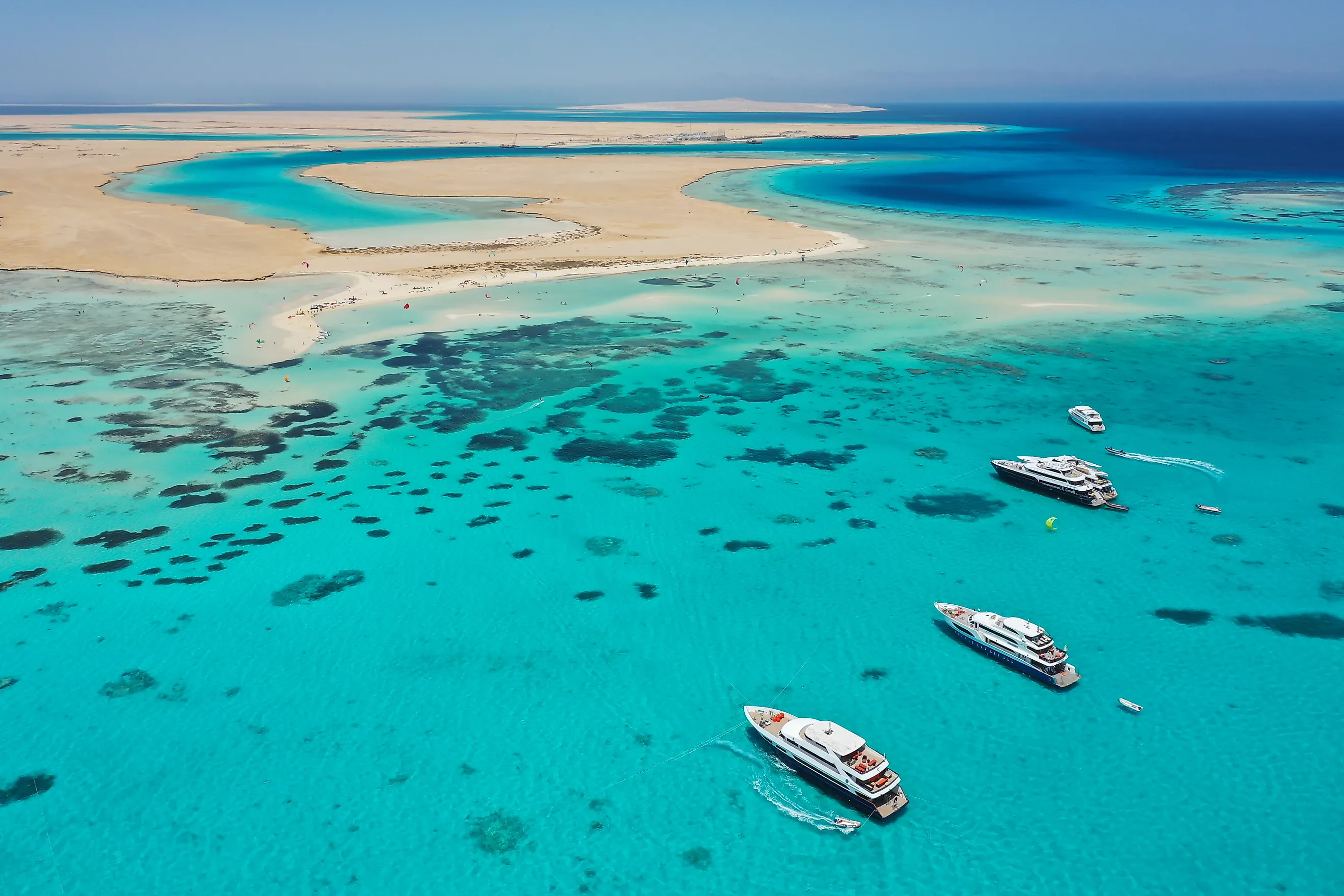
The Red Sea is the saltiest sea in the world, with an average salinity of 40 parts per thousand (4%). It is an inlet of the Indian Ocean, bordering the African countries of Djibouti, Eritrea, Sudan, and Egypt to the west, and Yemen and Saudi Arabia to the east. It also borders Jordan and Israel through the northeastern Gulf of Aqaba. Surface temperatures here can exceed 82 degrees Fahrenheit, contributing to a rich diversity of shallow-water fish and corals. Read on to explore the reasons behind the sea's salinity, as well as other contenders around the world.
A Matter of Semantics
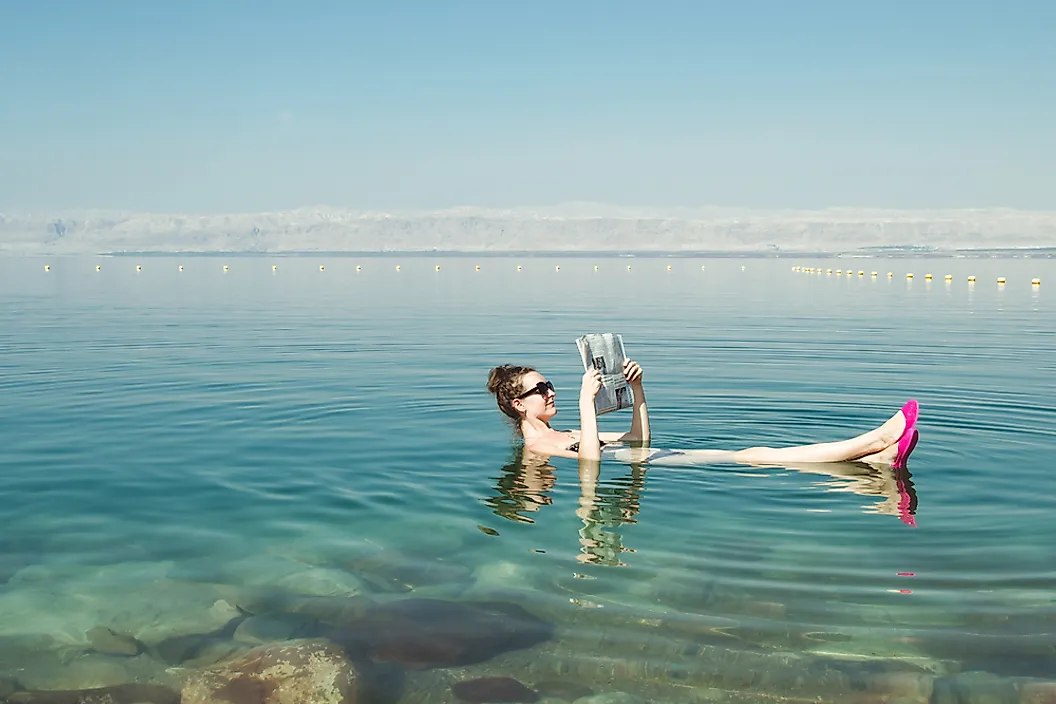
The Dead Sea is often considered the saltiest "sea" in the world. Located between Israel and Jordan in the Jordan Rift Valley, it has a salinity of 34%, significantly higher than that of the Red Sea. However, the Dead Sea does not technically qualify as a sea. A sea is directly connected to the ocean. The NOAA further defines seas as "located where the land and ocean meet." They are also partially but not completely surrounded by land. The Dead Sea has no outlet to the ocean and is fed by the Jordan River. It is completely surrounded by land. This type of feature is known as an endorheic basin, where the waters flowing into it never enter a sea or the world ocean. In other words, the Dead Sea is a lake.
The same logic applies to the Salton Sea in California, an endorheic basin with a salinity of about 60 parts per thousand and rising. The Mediterranean Sea is another contender for the saltiest sea, with an average salinity of 3.8%, higher than some parts of the Red Sea, where salinity is only 3.6%, particularly in the southern region. However, the Red Sea's overall average is higher at 4%, reaching up to 4.1% in the north.
Geology
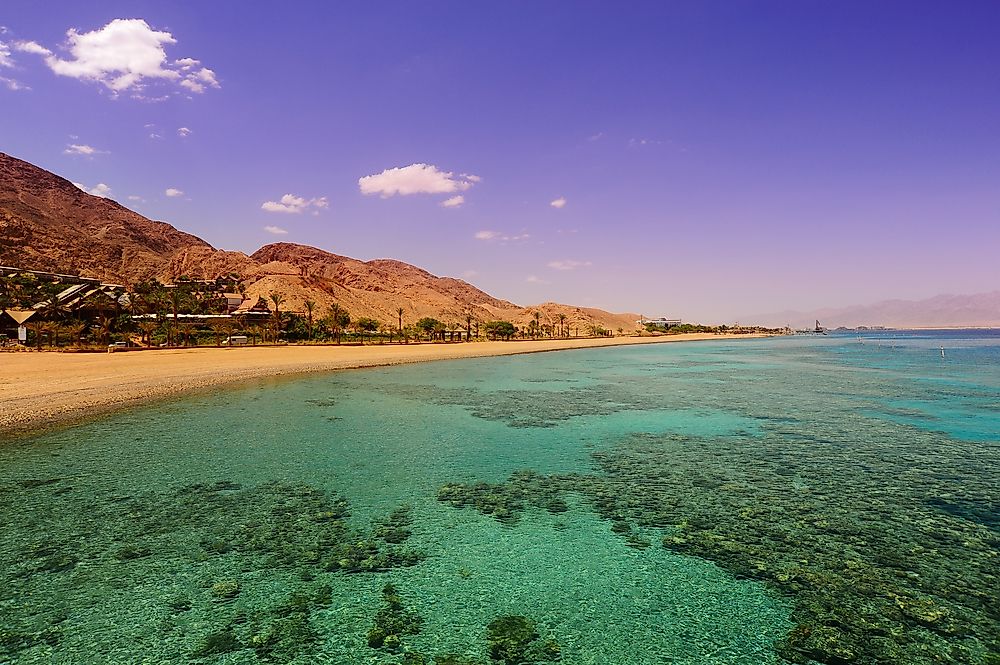
The Red Sea is about 1,400 miles from north to south, and 221 miles wide at its widest point. It is part of a massive rift between two tectonic plates, which is known by two names: the Great Rift Valley and the African Rift Valley system. In this valley, the African and Arabian tectonic plates have been tearing apart due to magmatic currents in the underlying mantle. This process has created some of the world's oldest lakes, including Lake Tanganyika in East Africa, the second-largest lake on Earth by water volume. Eventually, this rift will cause the African continent to break in two, with a sea filling in the gap.
The Red Sea itself began to form 30 million years ago, when the rift broke apart the Arabian Peninsula from East Africa. Rifting began in the south and spread north, with seafloor spreading opening the southern basin 4 to 5 million years ago. The Red Sea is still growing today, widening by about half an inch a year. This movement also supports volcanic activity, with hydrothermal vents located in the deepest sections of the Red Sea, such as the Suakin Trough, the deepest point at 8,960 feet.
Why is it so salty?

The Red Sea's high salinity comes from the surrounding environment and precipitation. In particular, temperatures are very high around the Red Sea, leading to high evaporation rates. Mean evaporation rates in this sea are just over 2 meters a year, driven both by the high surface temperatures, which regularly exceed 80 degrees Fahrenheit, and by wind, which carries the water vapor as far as roughly 125 miles inland. In the northern section, western Egyptian winds can blow strongly, especially in winter, which contributes to the evaporation rate.
The other factor is the lack of rainfall, with the region receiving an average of about 2 inches annually. The higher evaporation rate in the northern region of the Red Sea, driven in part by high summertime outdoor temperatures, which can reach as much as 104 degrees Fahrenheit, is why the salinity rate is higher here than in the south. Additionally, some of the salt content comes from salty brines from the hydrothermal vents on the seafloor. Lastly, no major river systems flow into the Red Sea, and its connection to the Indian Ocean is very narrow. It flows through the narrow Bab el Mandeb strait, which is 16 miles wide at its narrowest point, into the Gulf of Aden, which flows into the Indian Ocean.
Biodiversity

One major reason behind the Red Sea's name is the regular blooms of the alga Trichodesmium erythraeum, which produce a reddish-brown color. In addition, iron-oxide-bearing rocks release reddish-brown particles into coastal waters. The Red Sea supports more than 1,700 shallow fish species and 346 hard coral species. Of the fish species, there are carpet flathead fish, which live near coral heads, along with the highly venomous tasseled scorpionfish. This fish has spines on its body with venom glands that can paralyze creatures that attempt to eat it.
Corals tend to grow close to the shoreline, with the most common being the fringing reef. In addition to coral, around 100 species of algae grow in the shallower parts of the sea, especially mangrove pools. The hydrothermal vents are too hot to support most life, reaching temperatures of 140 degrees Fahrenheit. However, some bacterial and archaeal microbes can survive in low-oxygen, hot, salty water.
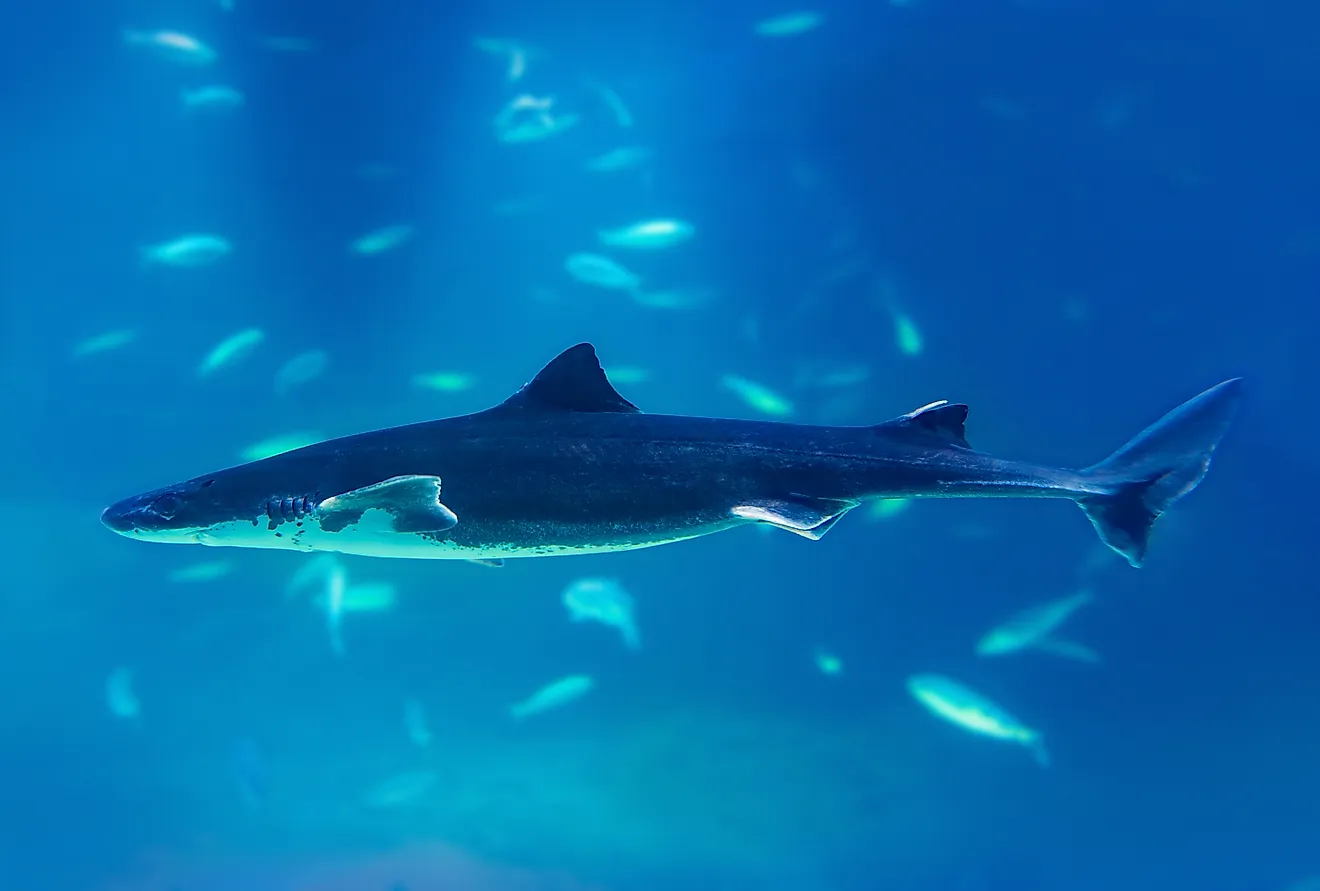
One predator that travels through the Red Sea is the oceanic whitetip shark, which can move through tropical and subtropical waters. They prefer warmer waters and stay close to the surface. They are identifiable by a series of white markings on their fins. These sharks were feared during World War II as they would at times attack and eat sailors who fell overboard or escaped from sinking ships or submarines.
Nature's Bathtub

Some have described the Red Sea as being like a hot tub, as the extreme temperatures and lack of rain cause it to rapidly evaporate. This region of the world is already quite hot, as the connected Indian Ocean is the hottest ocean on Earth. As the Indian Ocean is separated from the Arctic Ocean by Eurasia, it does not receive its cold waters and remains hot. In the Red Sea, the high heat and low amounts of rain leave behind large amounts of salt. Although unfit for human drinking, this salty water does support a great deal of wildlife, which flourishes in its warm, shallow waters.