The National Parks With The Most Endangered Species
The Hawaiian Islands. Death Valley. The Florida Everglades. They are all drastically different environments, but the commonality is that life has evolved in these places and nowhere else on Earth. The Haleakala Silversword plant blooms only on the slopes of the volcano in Haleakala National Park, while the Devils Hole pupfish have adapted to live in the water of a single cavern in Death Valley National Park. Yet, this isolation makes these species vulnerable. Human development, habitat loss, and invasive species can be catastrophic to the endangered populations that live in these national parks.
Haleakala National Park, Hawaii

Haleakala National Park has more endangered species than anywhere else in the United States. The park contains 103 endangered species of plants and animals within its boundaries. Since the Hawaiian Islands are so isolated, much of the flora and fauna that inhabit them evolved nowhere else on Earth.

The Haleakala Silversword plant blooms in the summer on the slopes of the Haleakala volcano. It was once threatened by feral goats, although now it is federally protected and recovering within the park. The Kiwikiu, an endangered bird endemic to the island of Maui, inhabits a small area of high-elevation wet forest on the eastern side of the island. About one-third of Hawaii's state bird, the nene, a medium-sized goose, is found in a variety of habitats in the park, including high-elevation lava flows, volcanic deserts, grasslands, and shrublands.
These species are directly threatened by over 400 established introduced plants in Haleakala's ecosystem. Invasive species outcompete native plants by absorbing more water and nutrients, which allows them to quickly grow and reproduce. As native plants decline, so do the habitats for native birds in the park.
Hawaiʻi Volcanoes National Park, Hawaii

Just like Haleakala, Hawaiʻi Volcanoes National Park is home to many species that are listed as rare, protected, or endangered due to the geographic isolation of Hawaii. After western contact in 1778, large tracts of forests were cleared and harvested for ranching, lumber, and other agriculture. As the human population continues to grow, more invasive species appear that impact 54 species of endangered plants and animal in the park.

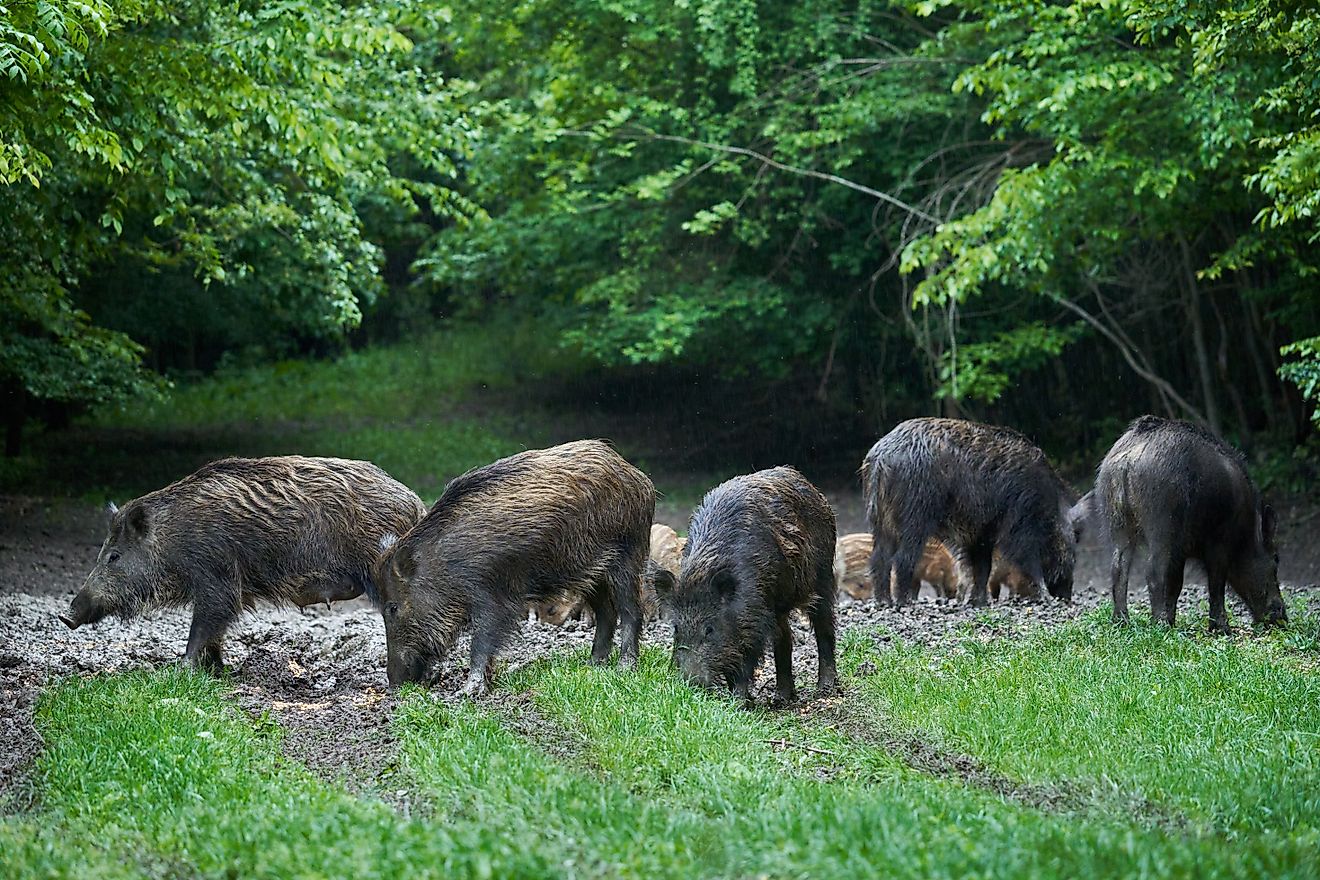
The park's species face threats from factors such as declining habitat outside park boundaries, invasive plants, and invasive ungulates, like pigs and goats. Pigs in particular root the ground and knock over native tree ferns to eat the interior, leaving holes in the ground that create pools of standing water where mosquitoes can breed and eventually pass malaria on to native birds.
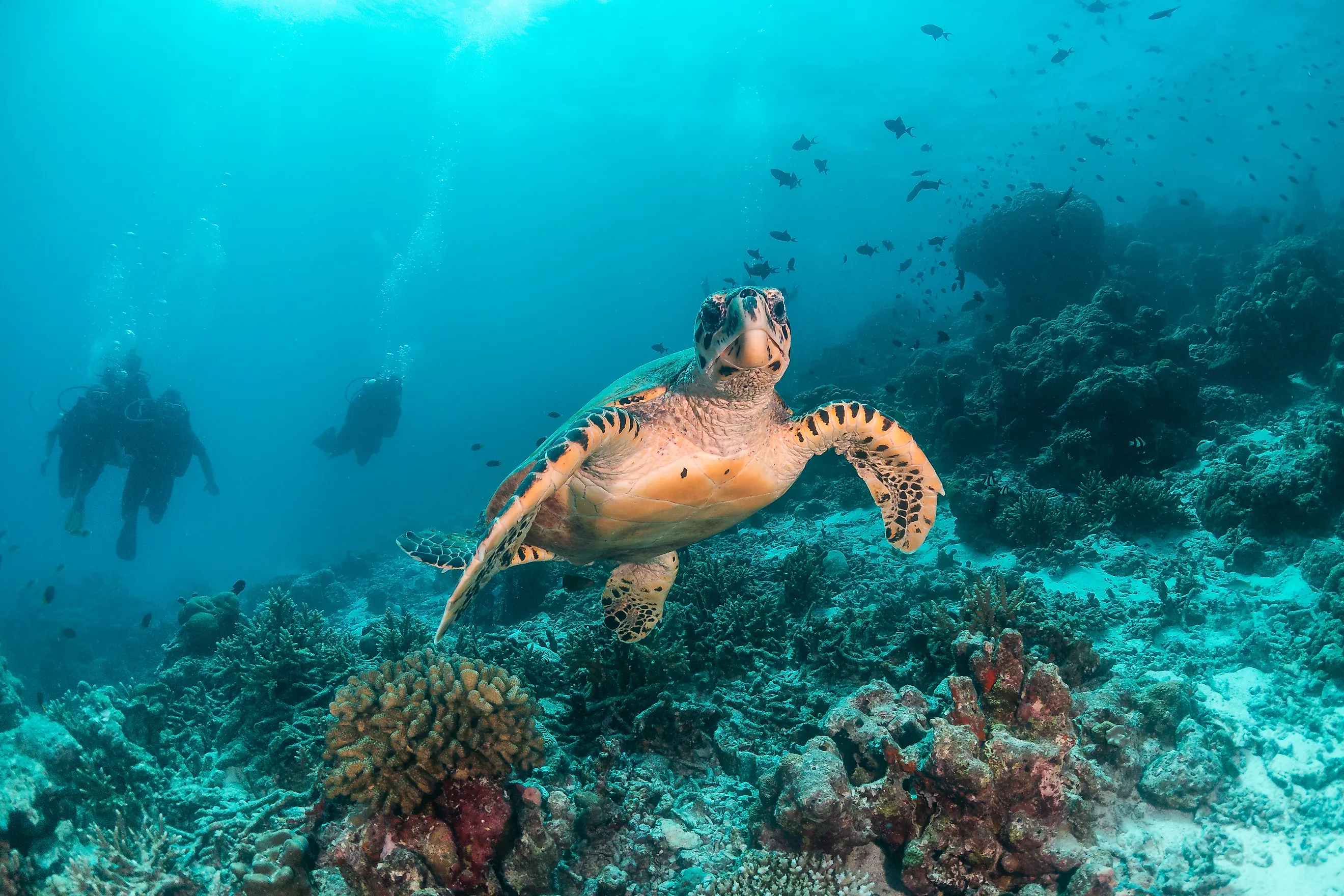
Feral cats are also a problem for native birds, especially the nene and the Hawaiian petrel. Other notable endangered species in the park include the Hawaiian hawksbill turtle, which utilizes the beaches in the park for nesting.
Everglades National Park, Florida
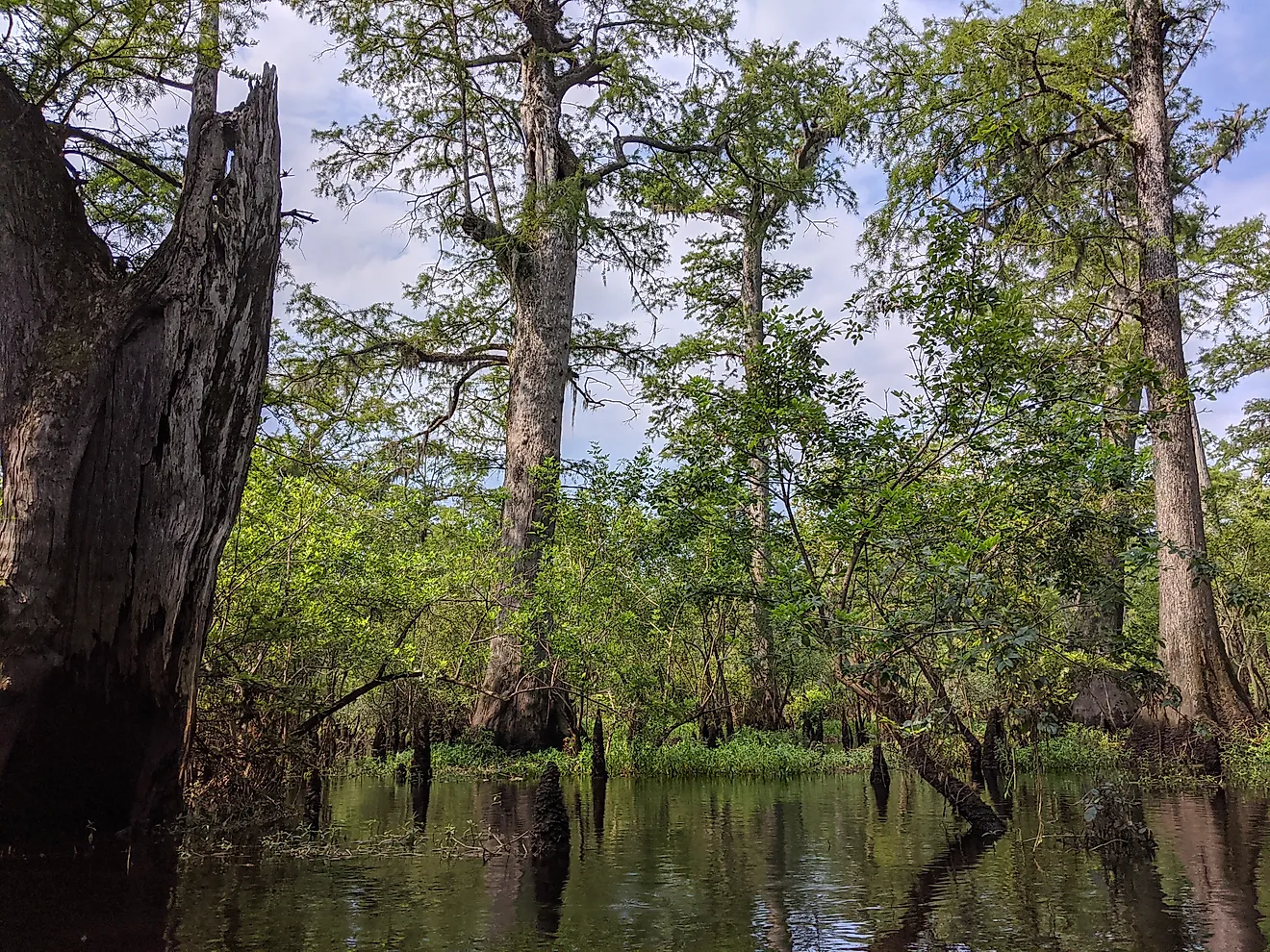
Everglades National Park is a unique subtropical wetland ecosystem of both freshwater and saltwater habitats. It supports a wide array of life, including 44 endangered species. It has the most endangered species of any mainland national park. The Everglades has significantly decreased in size due to water diversions and flood control structures paired with agricultural and urban development.
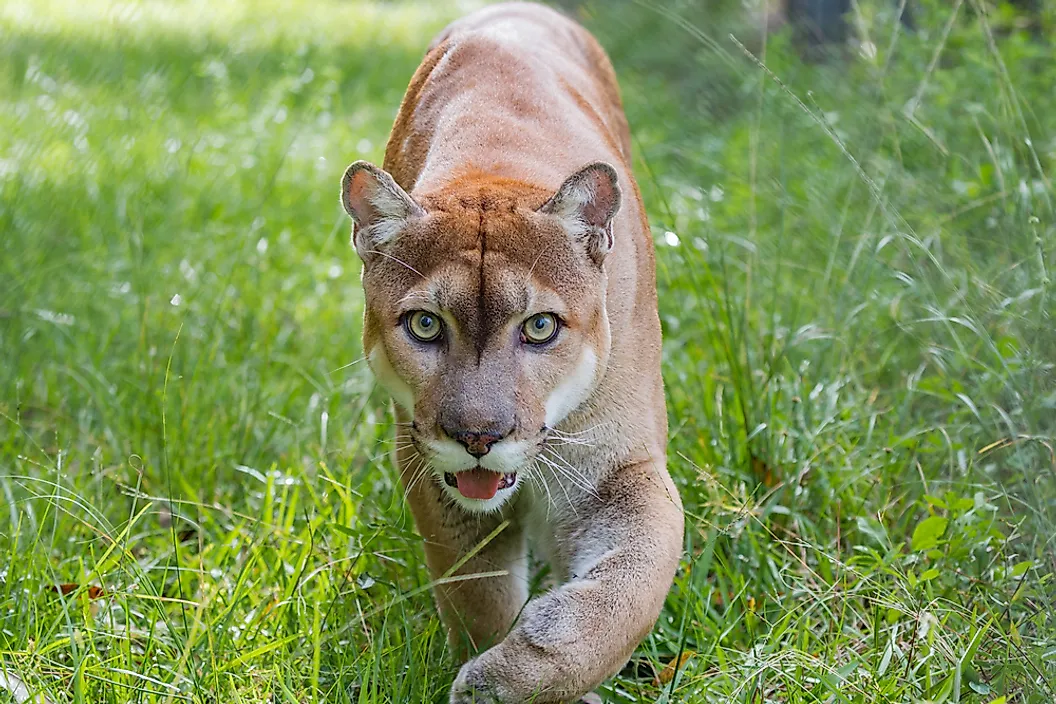
Mammals like the Florida panther, which numbers only about 120 to 230 individuals, require large territories. Adult males have a home range of approximately 200 square miles, while adult females can survive in 75 square miles. Aquatic mammals like the West Indian manatee have experienced loss of seagrass due to water pollution.

The Burmese python is by far the most concerning invasive species in the Everglades. With the potential to reach lengths of 18 feet, they have been documented to prey on alligators. They have established breeding systems in South Florida. In the southernmost regions of the park, populations of raccoons, opossums, and bobcats have declined, while marsh and cottontail rabbits and foxes have practically disappeared.
Channel Islands National Park, California

Channel Islands National Park faces the same issues that national parks in Hawaii face. Due to the isolation of the islands off the coast of Southern California, over 150 species and subspecies of plant and animal life have developed nowhere else in the world. Not all of these species are endangered, however. Only 14 species of plants are listed as federally threatened or endangered.

The island fox lives on six out of eight Channel Islands. Each island population represents a separate endemic or unique subspecies. Each of them was listed as federally endangered in 2004. Their decline was associated with predation by golden eagles. The eagles were drawn to the island to prey on non-native ungulates. They eventually established a breeding population, which started preying on the island fox.
Similarly, the island night lizard was listed as threatened due to predation from non-native ungulates, as well as feral cats, until its recovery led to delisting in 2014. Conservation efforts have since focused on the removal of introduced ungulates to allow populations of island fox and island night lizard to recover.
Death Valley National Park, California

Any species that is capable of surviving the harsh conditions of Death Valley National Park demonstrates remarkable resilience. But even creatures adapted to desert life, where temperatures can reach as high as 130 degrees Fahrenheit in the summer, are not immune.

The Devils Hole pupfish exists nowhere else on Earth. Even then, it is restricted only to Devils Hole, a deep, water-filled cavern in the Amargosa Desert. Devils Hole pupfish are one of the most endangered fish species in the world. They cannot adapt to environmental changes, and since they are restricted to the top 80 feet of water in Devils Hole, they cannot migrate to a different location. Their population fell to a historic low of about three dozen fish in 2013, though recent counts have reached their highest in roughly 25 years.
Mojave Desert tortoises are a threatened species that is susceptible to illegal poaching, death related to off-road driving, and trash, such as popped balloons that they mistakenly eat.
Coming Back From the Brink
National parks with the greatest numbers of endangered species are often among the most ecologically unusual places in the United States. Protecting these parks means more than preserving landscapes. It means protecting some of the most irreplaceable species in the country. In the instance of the island fox or the Devils Hole pupfish that exist nowhere else on Earth, Channel Islands and Death Valley National Parks are their last refuge.