The National Parks Where The Wildlife Is Most Active In Fall
Fall is an excellent time to visit America's national parks, especially for travelers hoping to spot wildlife in its natural habitat. As temperatures cool and forests turn brilliant shades of red and gold, certain animals become particularly active. Elk enter their mating season, black bears search for food before winter, and migratory birds begin their journeys south. These five national parks, spanning Colorado's mountain meadows and Maine's Atlantic coastline, offer memorable opportunities to observe seasonal wildlife activity. No matter when or where you visit, however, remember to keep a safe distance from animals and follow park regulations.
Rocky Mountain National Park, Colorado

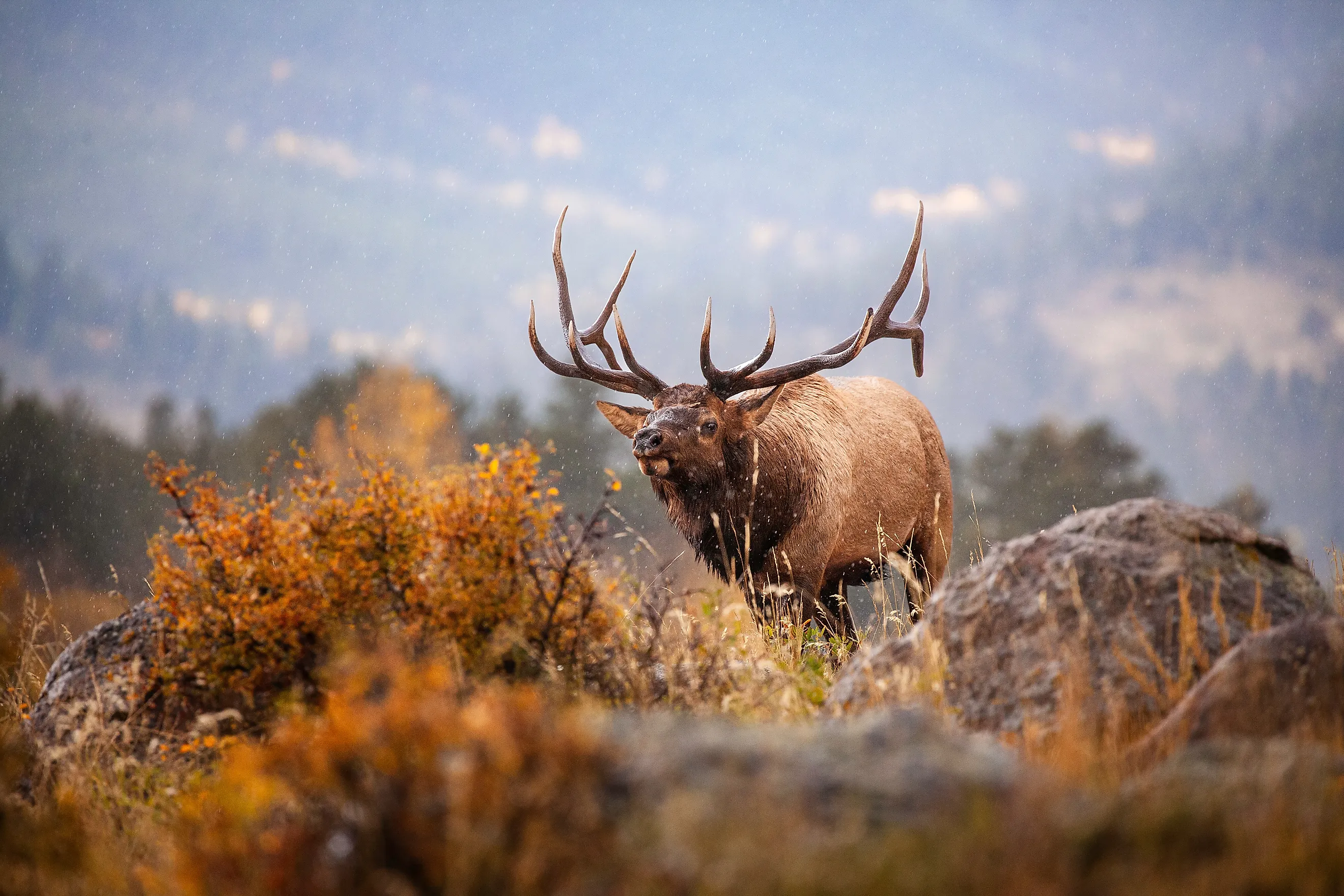
Covering more than 265,000 acres, Rocky Mountain National Park protects an impressive range of habitats, from montane meadows to alpine tundra. Among its most recognizable large mammals are elk, whose annual mating season brings increased activity each autumn. According to the National Park Service, the elk rut generally peaks between mid-September and mid-October, although bugling can continue into November. During this period, bull elk produce distinctive calls that begin with low tones and rise into high-pitched whistles. These bugles help communicate with females and warn competing males.
Moraine Park is one of the best-known locations to watch elk gather during the rut. Visitors may observe bulls defending groups of females or challenging rivals. Elk can become aggressive during mating season, so maintaining a safe distance is essential. The park also restricts access to certain meadows during the autumn rut to protect wildlife and visitors.
Voyageurs National Park, Minnesota

Voyageurs National Park encompasses approximately 218,000 acres of lakes, forests, and wetlands in northern Minnesota. Established in 1975, the park takes its name from the French-Canadian voyageurs who traveled the region's waterways during the fur trade. Autumn brings the breeding season for moose, the park's largest mammals. During the rut, bulls become more vocal and may compete with other males for access to females. Their calls and occasional clashes are part of the mating behavior associated with this season.
However, moose sightings in Voyageurs are uncommon. According to the National Park Service, the park has historically supported a small population averaging approximately 40 to 50 moose, most concentrated on the remote Kabetogama Peninsula. Visitors exploring the park's forests and waterways may have opportunities to observe other wildlife, including beavers and bald eagles. Beaver ponds along the Cruiser Lake Trail and Locator Lake Trail are particularly interesting places to look for signs of animal activity.
Shenandoah National Park, Virginia

Shenandoah National Park protects more than 200,000 acres of the Blue Ridge Mountains in Virginia. During autumn, its hardwood forests turn shades of yellow, orange, and red, making the park a popular destination for fall foliage. The season also coincides with the breeding period of white-tailed deer. As the rut approaches, bucks become more active in their search for receptive females and may compete with other males. Visitors may have opportunities to observe deer in open areas near wooded habitats, particularly around dawn and dusk.
Skyline Drive provides access to overlooks and trails throughout the park, offering opportunities to explore its varied habitats. Shenandoah is also home to black bears, foxes, and numerous bird species. As cooler weather arrives, wildlife continues searching for food before winter. The National Park Service notes that the period following autumn leaf fall can offer good opportunities to watch animals foraging. Visitors should drive cautiously, especially during periods when deer are active near roadways.
Great Smoky Mountains National Park, North Carolina and Tennessee

Straddling the border between North Carolina and Tennessee, Great Smoky Mountains National Park is renowned for its biological diversity and extensive forests. It is also one of the country's best-known destinations for observing black bears. The National Park Service estimates that approximately 1,900 black bears inhabit the park. During autumn, bears enter a period of intense feeding called hyperphagia, consuming large quantities of food to build fat reserves before winter. Acorns and other natural foods become especially important during this period, and bears may spend much of their time foraging.
Black bears in the Smokies typically begin entering winter dens between late October and mid-December, although timing varies. They undergo a period of reduced activity known as torpor, during which they conserve energy while remaining capable of responding to disturbances. Autumn also brings another wildlife spectacle to the park. Elk enter their annual rut, and visitors may observe or hear their activity in areas such as Cataloochee Valley. Wildlife sightings are never guaranteed, and visitors must remain at least 50 yards from bears and 25 yards from elk, as required by park regulations.
Acadia National Park, Maine

Acadia National Park protects rocky Atlantic headlands, forests, and coastal habitats in Maine. Although its autumn foliage attracts considerable attention, fall is also an important season for bird migration. Hawks and other raptors pass through the region as they travel south toward their wintering grounds. Cadillac Mountain offers a well-established location for observing this movement. The park's Hawk Watch program monitors migrating birds of prey, with observers recording species and numbers as birds pass overhead.
Visitors may spot sharp-shinned hawks, broad-winged hawks, and other raptors during the migration season, although sightings depend on weather conditions and timing. The National Park Service identifies a viewing area along the Cadillac North Ridge Trail, approximately 200 yards from the summit parking area. Clear conditions with favorable winds can provide particularly productive viewing opportunities. Beyond the mountain, Acadia's forests and coastal habitats support numerous resident and migratory bird species, making autumn an appealing season for birdwatching.
National Parks Come Alive With Wildlife in the Fall
Autumn offers distinctive opportunities for observing wildlife, with bugling elk in Rocky Mountain National Park and foraging black bears in Great Smoky Mountains National Park. Shenandoah's white-tailed deer become more active during their breeding season, while migrating raptors pass over Acadia. Voyageurs offers a more elusive wildlife experience in its northern forests. Each park offers a different perspective on seasonal animal behavior, with changing foliage enhancing the experience. For the best opportunities, plan around local wildlife activity, stay on permitted trails, and observe animals from a safe distance.