The National Parks Where You Can Watch Elk Rut
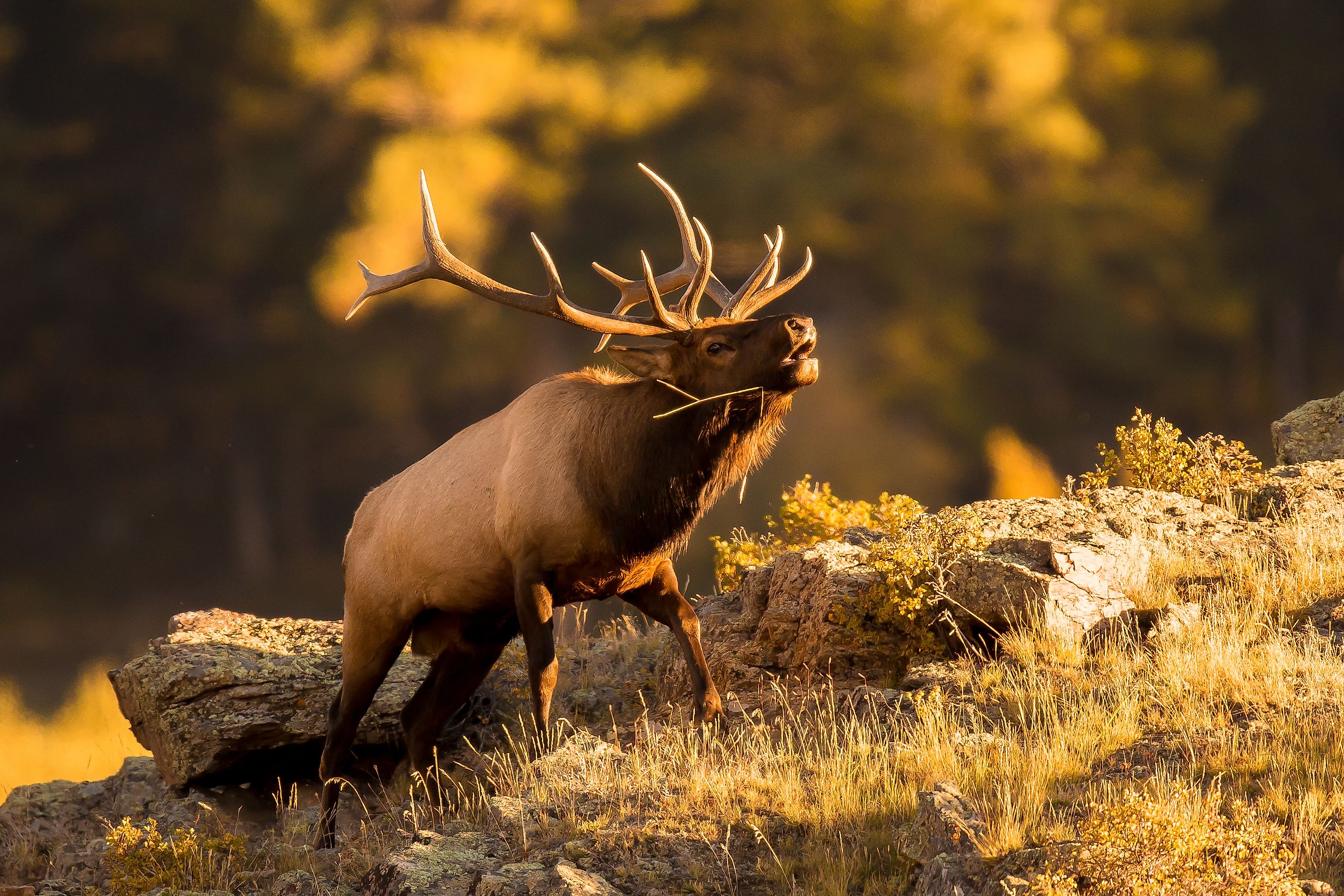
For a few weeks every autumn, bull elk start behaving differently. They abandon normal feeding routines, spend hours bugling (calling) across valleys, fight rivals with antlers that can span more than four feet, and may lose up to 20% of their body weight defending groups of cows known as harems. This annual breeding season, known as the rut, is one of North America's greatest wildlife spectacles. Across America's national parks, that behavior plays out in remarkably different settings, from Colorado's high mountain meadows to Washington's moss-covered rainforest. These are the best national parks to witness an elk rut.
Rocky Mountain National Park

Hundreds of elk descend into Rocky Mountain National Park's broad valleys each fall, turning places like Moraine Park, Horseshoe Park, and Upper Beaver Meadows into some of the country's most reliable locations for watching the rut. The park maintains a winter population of 600 to 800 elk, with 200 to 300 overwintering inside its boundaries and 400 to 500 staying in Estes Valley. In summer, 2,000 to 3,000 elk roam the high country (according to 2024 data from the NPS). The National Park Service advises visitors to arrive around sunrise or near dusk between mid-September and mid-October, when bulls are most active. Their unmistakable bugles, a sound that begins as a deep grunt before rising into a piercing whistle, can echo across entire meadows as dominant males gather harems of cows and challenge rival bulls.
Unlike parks where spotting elk requires a strenuous hike, much of Rocky Mountain's rut unfolds in open grasslands visible from roads and pullouts, as well as established trails. That accessibility is also why the Colorado park stresses keeping at least 25 yards away from elk at all times. During the rut, testosterone levels surge and normally tolerant bulls can become unpredictable, making them one of the most dangerous animals in a national park.
Yellowstone National Park

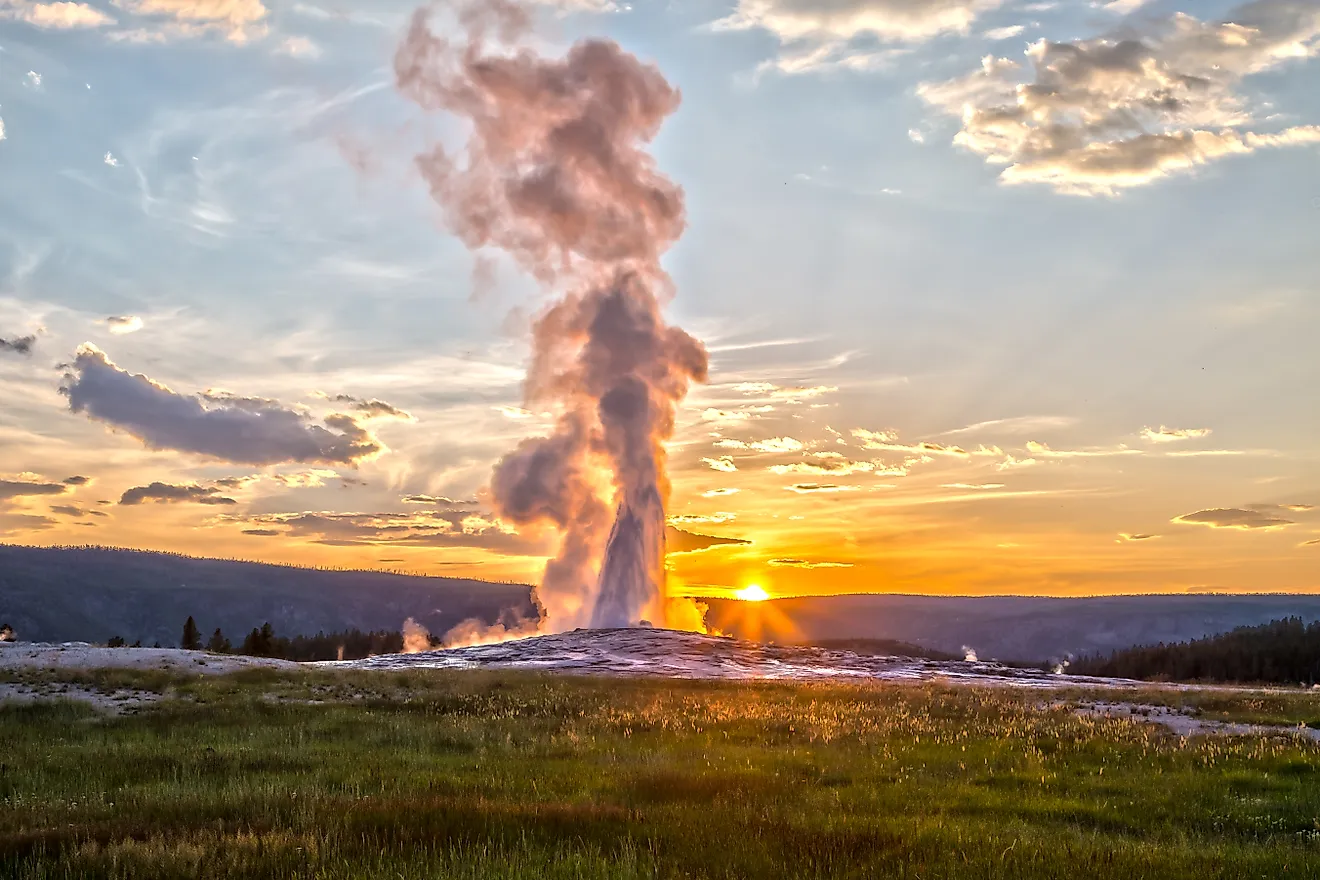
Stretching across parts of Wyoming, Montana, and Idaho, Yellowstone National Park gives the elk rut plenty of room to unfold across open valleys and developed areas. Reliable viewing locations include Mammoth Hot Springs, Hayden Valley, Madison, and parts of the Northern Range, where broad grasslands make elk easier to spot.
Bugling bulls regularly cross the lawns around Mammoth Hot Springs, sometimes moving between buildings with groups of cows. It is one of the few places in the National Park System where one of North America's largest mammals routinely passes through the middle of a developed village during its breeding season.
Yellowstone's elk are also part of one of the world's best-studied large-mammal ecosystems. As of 2025, the NPS claims six or seven herds of about 10,000 to 20,000 elk live in Yellowstone throughout the summer, making it one of North America's largest protected elk populations. The park's Northern Range herd has been monitored for decades, helping scientists understand how harsh winters, drought, predators like wolves and bears, and disease influence the elk rut and their general population.
Olympic National Park

A mature Roosevelt elk bull can weigh more than 1,000 pounds, making it the largest elk subspecies in North America. Olympic National Park protects one of the world's healthiest wild populations of around 5,000 animals, according to the Washington Department of Fish and Wildlife, 2024. Each fall, the breeding season fills the park's temperate rainforests with bugles that sound dramatically different when carried through dense forests of Sitka spruce and Douglas-fir.
Unlike Rocky Mountain National Park, Olympic's elk are rarely concentrated in vast alpine valleys. Instead, they are most likely to be encountered in lower-elevation river valleys and meadows, particularly around the Hoh, Quinault, Queets, and Elwha valleys. The setting is what separates Olympic from nearly every other national park. Rather than watching bugling bulls against alpine peaks or sweeping grasslands, here enormous Roosevelt elk emerge from curtains of Washington's moss-covered rainforest or disappear into dense old-growth forest only moments after announcing their presence.
Grand Teton National Park

By the time winter arrives, thousands of elk will gather on the nearby National Elk Refuge outside Jackson, Wyoming. But every September, that migration begins inside Grand Teton National Park, where bulls establish harems across the valley before many of the region's elk continue south. During the park’s 2023 midsummer survey, biologists counted 1,169 elk in a high-density survey area, although the National Park Service emphasizes that this was a minimum count rather than a complete park-wide census. They also report that these animals form part of the much wider Jackson elk herd, which they believe contains around 10,064 elk, as of 2023.
There may not be another place in North America where the elk rut is photographed more often than the sagebrush flats beneath the Cathedral Group. Every September, bugling bulls drift across Antelope Flats, Willow Flats, and the historic Mormon Row district, creating the kind of wildlife photographs that have become synonymous with Grand Teton National Park. Other places to watch the elk rut in Grand Teton National Park include the Bradley-Taggart parking area and trailhead, as well as the White Grass Meadow, off of Death Canyon Road.
Theodore Roosevelt National Park

Theodore Roosevelt National Park is one of the few places in the United States where the elk rut unfolds alongside another icon of the American West. Throughout September, bugling bulls compete for harems across the park's grasslands while nearby herds of American bison (Bison bison) continue grazing almost completely unfazed. Watching two of North America's largest native mammals share the same Badlands landscape offers a glimpse of the Great Plains as it existed long before fences and settlement transformed it.
Elk were gone from North Dakota by the late 1800s, but they returned to the park through reintroduction efforts during the 1980s. Theodore Roosevelt National Park's elk population exceeded 1,000 animals by approximately 2010, prompting the National Park Service to adopt its Elk Management Plan. Today, they can be spotted in the park's South Unit, particularly along the Wind Canyon Overlook and the Scenic Loop Drive, where open prairie, wooded draws, and the Little Missouri River valley create ideal habitat. The rut generally peaks through September.
Unlike the towering forests of Olympic or the alpine meadows of Rocky Mountain, Theodore Roosevelt National Park offers remarkably open sightlines. Elk are often visible from overlooks and roadside pullouts as they move between rolling prairie and sheltered coulees, making it easier to watch from a safe distance.
Great Smoky Mountains National Park

Until 2001, there were no wild elk roaming Great Smoky Mountains National Park. The species had been wiped out across the Southern Appalachians by the mid-1800s through overhunting and habitat loss. That changed when the National Park Service began reintroducing elk from Land Between the Lakes National Recreation Area on the Tennessee-Kentucky border. Today, the elk can be found a few hours away in the national park, in both Tennessee and North Carolina. The western North Carolina herd numbers about 270 elk, with roughly 150 living within Great Smoky Mountains National Park for part or all of the year (National Park Service, updated 2026). This makes the park one of the few places in the eastern United States to reliably witness the rut starting in early September.
The heart of the action is Cataloochee Valley, a broad mountain valley in the park's remote southeastern corner. During September and October, bugling bulls move between fields as they gather cows and challenge rivals, often within view of the valley's preserved barns, churches, and homesteads dating back to the late 1800s. Because the herd is still relatively small, sightings are never guaranteed, but early mornings and evenings consistently offer the best opportunities.
Wind Cave National Park

Most visitors arrive at Wind Cave National Park to descend into one of the world's longest caves. Above ground, bugling elk compete for mates across nearly 30,000 acres of mixed-grass prairie every autumn. Wind Cave's rolling hills and open grasslands often provide long, unobstructed views of bulls challenging rivals with their antlers.
The South Dakota park protects one of the largest remaining mixed-grass prairie ecosystems in the United States, creating habitat not only for elk but also for bison and prairie dogs. Boland Ridge, located near NPS 6, is where one of Wind Cave National Park’s elk herds makes its home. This is one of the better places to watch the rut in September and October. The difficult Boland Ridge Trail, which can also be accessed from NPS 6, brings hikers close to the animals. They are best spotted close to sunrise and sunset.
The National Park Service does not currently publish a park-wide elk population estimate for Wind Cave National Park. However, as of 2017, the Elk Management Plan stated that there was a range of 232 to 475 elk in the park. The winter before, an estimated 900 elk were present before many departed in the spring.
When the Bugling Begins
Whether it's the echo of a bugle rolling across alpine meadows, a Roosevelt elk emerging from an old-growth rainforest in Washington, or a bull wandering past century-old buildings before continuing a migration that will eventually carry it to Jackson, Wyoming, the elk rut reveals a different side of every national park it touches. Arrive during the breeding season, keep a respectful distance, and you'll witness one of North America's oldest wildlife traditions playing out exactly as it has for thousands of years.