The National Monuments That Were Upgraded To National Parks
What makes a park? On October 20, 2026, Chiricahua became America's 64th park. Like many of the parks before it, Chiricahua started out as a national monument.
Of the 64 national parks, approximately half of them began as national monuments. This represents a common trend in land preservation where a piece of land is first set aside and then later expanded into a national park, either by simply changing its name or by adding additional land. In some cases, multiple monuments were combined together into one national park. In this story, we will explore which national parks began as a monument, what sets a national monument apart, and examine the oldest and most recent national parks that began as monuments.
Which parks began as national monuments?

Listed below are the 31 parks that started as monuments, from oldest to most recent:
- Lassen Volcanic National Park in 1916 from Cinder Cone and Lassen Peak National Monuments.
- Lafayette National Park (later renamed Acadia National Park) in 1919 from the Sieur de Monts National Monument.
- Grand Canyon National Park in 1919 from the US Forest Service-administered Grand Canyon National Monument. It would also gain additional land from a NPS administered Grand Canyon National Monument and a Marble Canyon National Monument in 1975.
- Zion National Park in 1919 from Zion National Monument.
- Bryce Canyon National Park in 1928 from Bryce Canyon National Monument.
- Carlsbad Caverns National Park in 1930 from Carlsbad Caverns National Monument.

- Olympic National Park in 1938 gained part of its land from Mount Olympus National Monument.
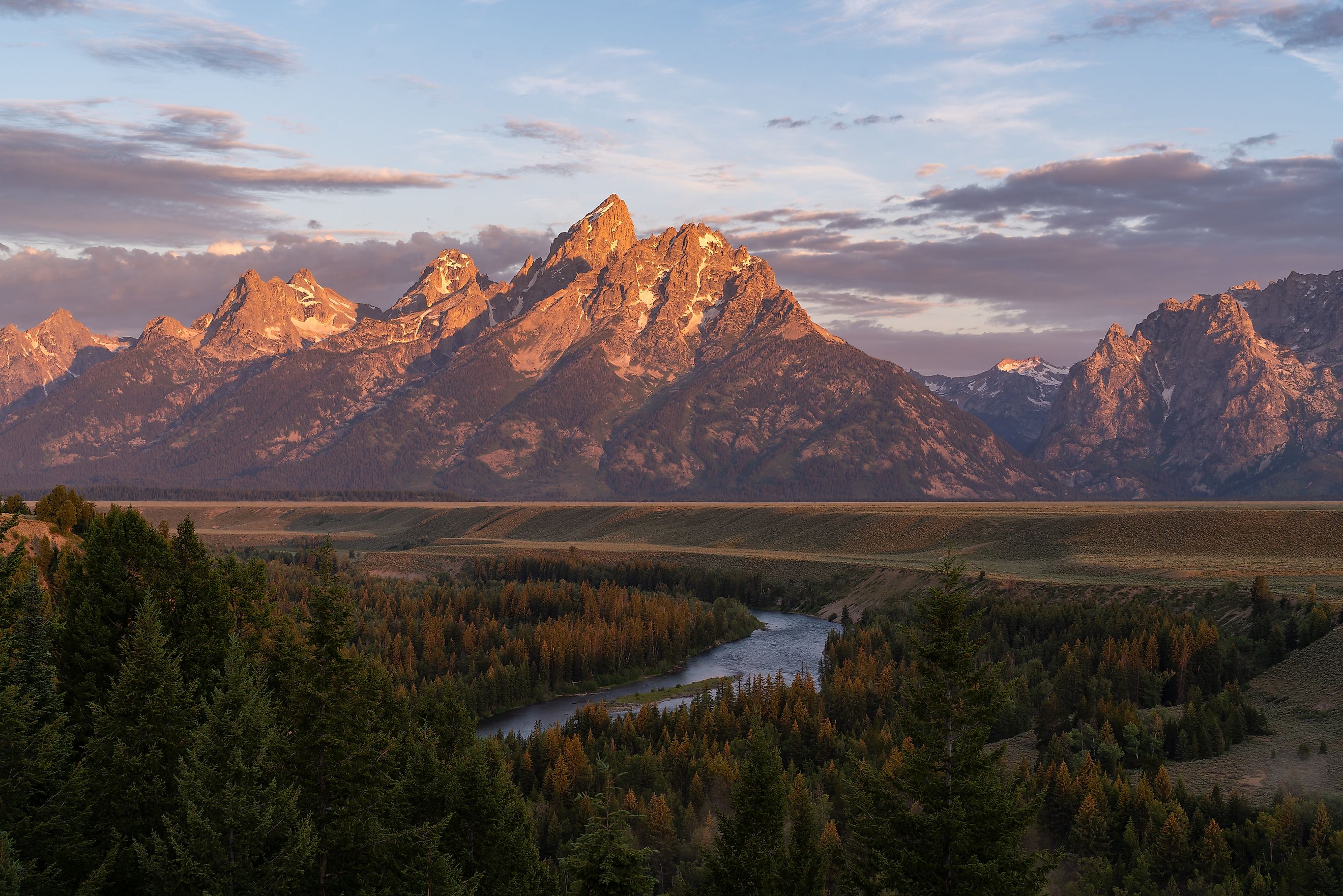
- Grand Teton National Park absorbed Jackson Hole National Monument and lands donated from John D. Rockefeller Jr. in 1950.
- Petrified Forest National Park in 1962 from Petrified Forest National Monument.
- Arches National Park in 1971 with incorporated territory from Arches National Monument.
- Capitol Reef National Park in 1971 with incorporated land from Capitol Reef National Monument.
- All eight of Alaska's national parks, including Katmai, Glacier Bay, Denali, Gates of the Arctic, Wrangell-St. Elias, Kenai Fjords, Lake Clark, Kobuk Valley National Parks were established in 1980 from existing national monuments established.

- Badlands National Park in 1978 with land from the Badlands National Monument.
- Channel Islands National Park was established in 1980 from lands in the Channel Islands National Monument.
- Biscayne National Park in 1980 from the incorporated Biscayne National Monument.
- Great Basin National Park in 1986 from Lehman Caves National Monument.
- Dry Tortugas National Park in 1992 from Fort Jefferson National Monument.
- Saguaro National Park in 1994 from Saguaro National Monument.
- Death Valley National Park in 1994 from Death Valley National Monument.
- Joshua Tree National Park in 1994 from Joshua Tree National Monument.

- Black Canyon of the Gunnison National Park in 1999 from Black Canyon of the Gunnison National Monument.
- Congaree Swamp National Park in 2003 from Congaree Swamp National Monument.
- Great Sand Dunes National Park in 2004 from Great Sand Dunes National Monument.
- Pinnacles National Park in 2013 from Pinnacles National Monument.
- White Sands National Park in 2019 from White Sands National Monument
- Chiricahua National Park in 2026 from Chiricahua National Monument.
What is a national monument?

National monuments are a direct result of a piece of legislation signed by President Teddy Roosevelt: the Antiquities Act of 1906. This act was done to protect archeological finds from looting and preserve them for scientific study.
According to a summary on Congress.gov, it notes that the act gives a President authority "to proclaim national monuments on federal lands that contain historic landmarks, historic and prehistoric structures, or other objects of historic or scientific interest."
This act in effect enabled Presidents to set aside land for conservation purposes in addition to historic ones. It was under this act that President Teddy Roosevelt established 18 national monuments. The NPS notes that he interpreted this act on a much broader level than simply historic sites, declaring the Grand Canyon, Devils Tower, Petrified Forest, and other areas.

One limitation put in the law is that the President should not make national monuments overly large, as they should consist of a small area meant to preserve the cultural, historic, or prehistoric items or landmarks to conserve.
National monuments can be created through Presidential acts or by Congress. National parks, on the other hand require an act of Congress to establish. A President does not have the power to unilaterally declare a national park. In addition, Congress has restricted the power of the president to declare monuments. For example, in 1980, the Antiquities Act was amended to require Congressional approval for any national monuments of more than 5,000 acres in Alaska.
An eruption turned these monuments into a national park

Lassen Volcanic Park gets its name from Peter Lassen, a Danish-American pioneer during California's Gold Rush, who found a trail around the volcanic peak. Due to the impact of heavy logging and ranching, the Lassen Forest Reserve was put in place in 1905, and was then expanded into the Lassen National Forest in 1907.
This was a major year for conservation, as Teddy Roosevelt set aside the Lassen Peak and Cinder Cone National Monuments on May 6, 1907. This area would be brought to the forefront of locals and travellers when Lassen Peak began errupting in 1914, with the biggest eruption in May 1915, and would continue until 1917. The initial eruption sent a cloud of ash smoke 30,000 feet into the air that traveled 200 miles.

This eruption also attracted tourists who were eager to see such a rare volcanic event on the lower 48 states. In response to this interest, President Woodrow Wilson signed the act to create Lassen Volcanic National Park on August 9, 1916 by incorporating Teddy Roosevelt's two national monuments. Today, the volcano is dormant, but still shows signs of volcanic activity through gas vents known as fumaroles.
Typically, Lassen Volcanic National Park has been on the low end for visitors, but it saw a huge bump in 2025 to 504,777 visits, up from 357,641 in 2024.
The newest national park was a national monument

Chiricahua National Park was officially made a national park on October 20, 2026, making it the nation's 64th national park. It took over the land of a much older national monument, dating back to 1924 when Calvin Coolidge set aside 12,000 acres as the Chiricahua National Monument.
Chiricahua is most known for its Wonderland of Rocks, a series of pinnacles and hoodoos that were formed by a combination of volcanic eruptions and gradual erosion through ice and water. It has a similar landscape to Bryce Canyon National Park, which is best known for its hoodoos, eroded rock pinnacles with a harder cap on top.

The land around Chiricahua was highly renowned for its rocks by the Apache people who lived there and immigrants such as the Swedish Americans Neil and Emma Erickson, who lived there on a homestead. Their daughter Lillian would later turn the homestead into a guest ranch for visitors coming to see the rocks.
As the 64th national park, it is the fourth smallest, surpassing American Samoa, Hot Springs, and Gateway Arch. It is 3,000 acres smaller than the fifth smallest national park: Virgin Islands National Park covering 15,052 acres.
What's the real difference between a national park and monument?

There are two answers to this question. One is a matter of legislation, as a monument can be declared by a President or Congress, while only Congress can declare a national park, with the President signing off on a national park act. However, there's another practical difference and it comes down to how much attention a site draws.
National Parks in general not only draw in significant numbers of guests, they can also significantly raise the profile of an existing landmark, including a national monument. In general, national parks are supposed to protect and preserve a variety of unique natural resources and landmarks, so simply declaring one can generate significant attention.
Lastly, national monuments can act as an initial attention booster for a region that can more easily raise it to the level needed for consideration to become a national park. This is why nearly half of the U.S. national parks today began as national monuments.