2026's Newest National Park in the United States
After nearly 6 years, the US is welcoming in a new national park. Chiricahua National Park is the 64th national park, making it the newest park as of October 20, 2026. It was signed into law on that date by President Donald J. Trump through the Chiricahua National Park Act, which renamed Chiricahua National Monument to a national park.
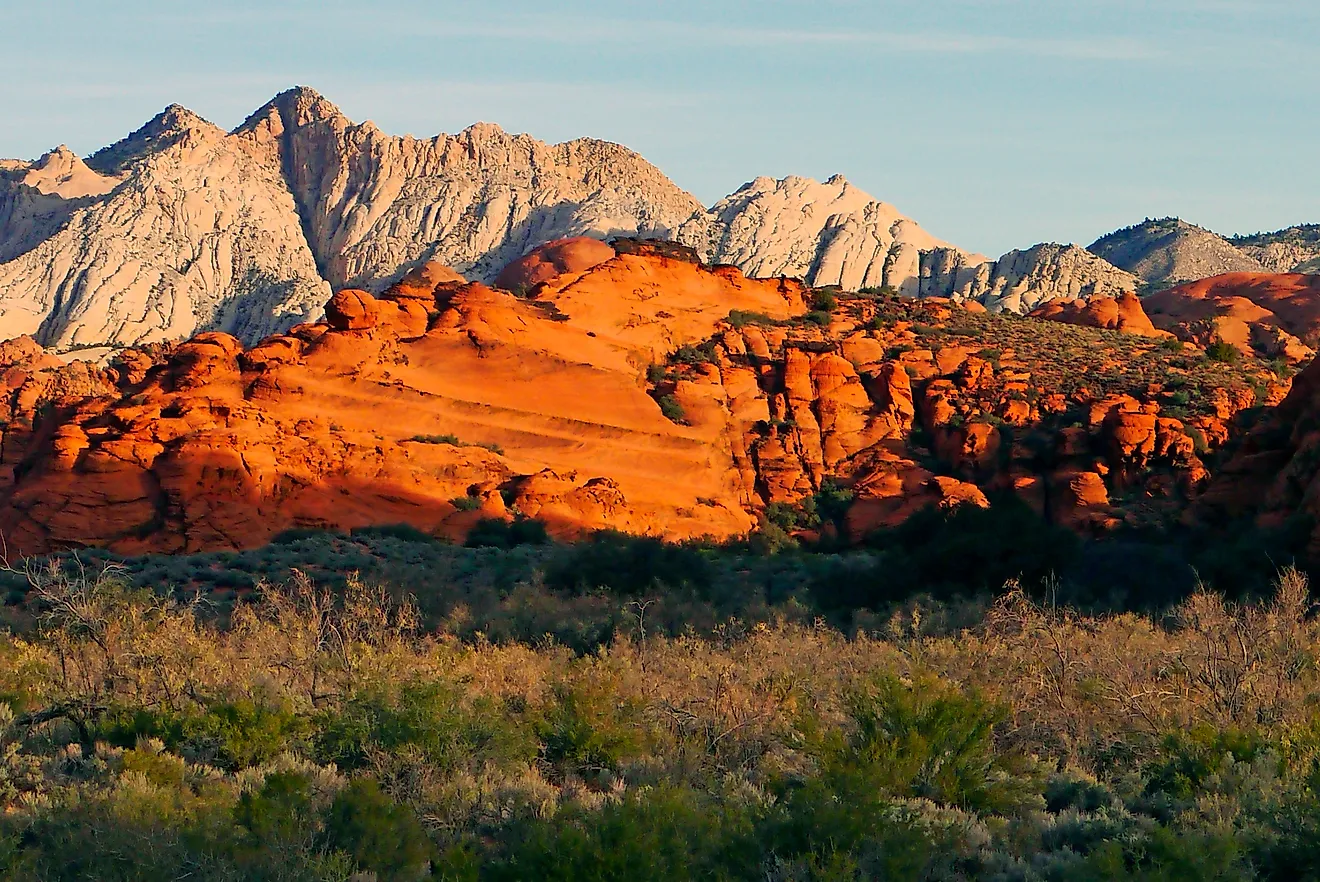
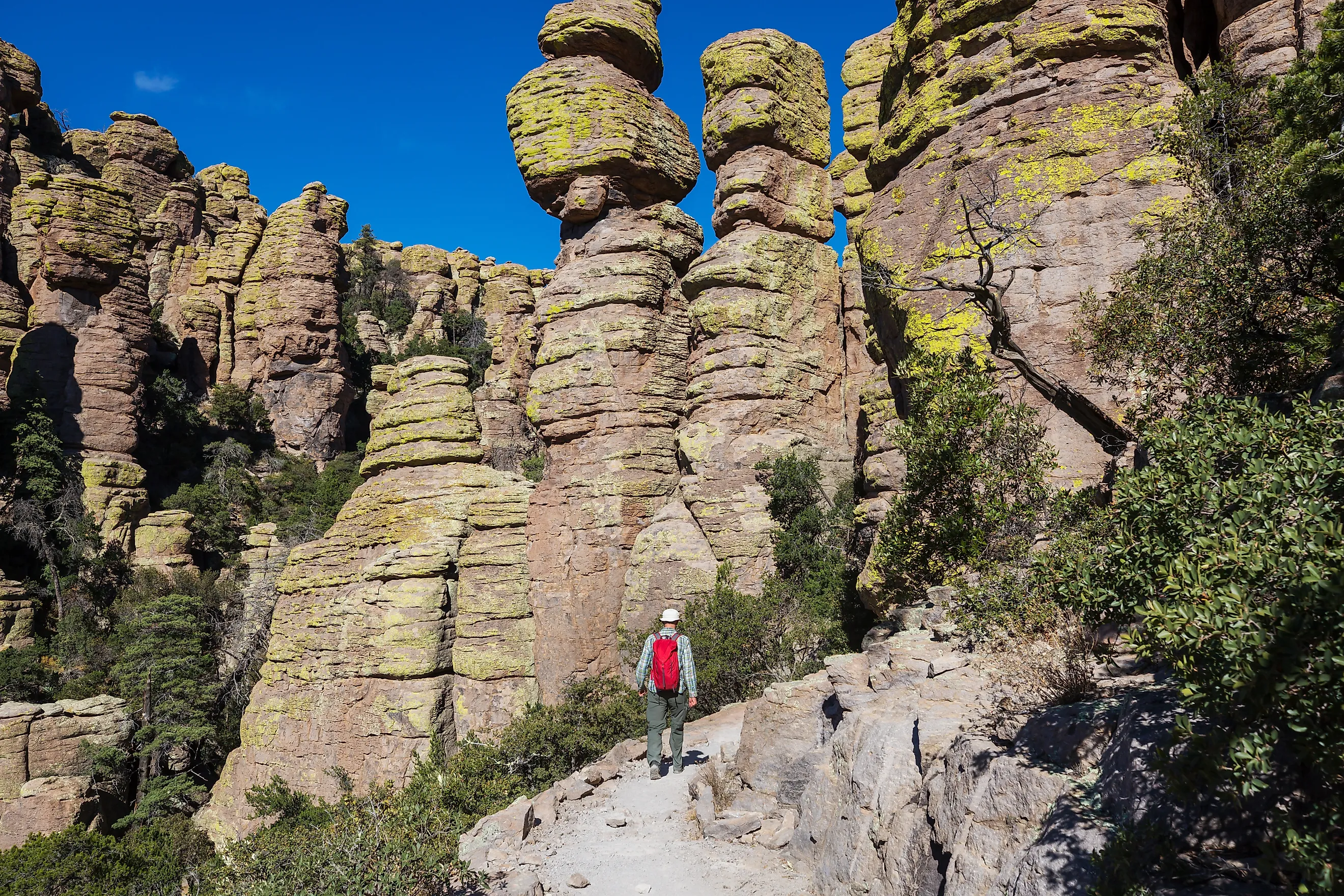
Located near Willcox, Arizona, Chiricahua National Park protects a landscape that was shaped by a prehistoric volcanic eruption, creating a vast array of hoodoos and rock spires atop a mountain range situated between two deserts. In fact, it sits in what is known as a sky island, which provides a dazzling view of the night sky.
Geology

Chiricahua was formed 26.9 million years ago with the eruption of Turkey Creek Volcano. There were three successful eruptions that blanketed a region of at least 1,200 square miles with ash and other volcanic debris, including hot shards of glass. The eruption produced a thousand times more rock and ash than the eruption of Mount St. Helens in 1980.
This eruption occurred in the Chiricahua Mountains, which are known as sky islands. This is a term for a mountain range that is isolated and usually rises out of a flat landscape. In the case of Chiricahua, these are the Sonoran Desert and the Chihuahuan Desert.
The volcanic eruption also produced a 1,600-foot-thick deposit of tuff in the Rhyolite Canyon, which is a form of volcanic igneous rock made of ash and pumice. Once this rhyolite cooled down, joints allowed water to pass through. Through natural processes such as freezing and thawing, the joints expanded and slowly broke down the rocks.
This process of erosion left behind a variety of rock spires that stand together in large groupings. These spires are known as hoodoos, which typically have a harder, more erosion-resistant cap at the top.
History

One major group to live here were the Apaches, who called these formations "standing up rocks." The Apache successfully resisted many colonial groups such as the Spanish and the Americans before they were forced out onto reservations in 1886.
Settlers recognized early on the beauty of these rocks, such as Swedish immigrants Neil and Emma Erickson, who set up a homestead in 1888. In the 1920s, their daughter Lillian turned it into a guest ranch for visitors to see what they called the Wonderland of Rocks.
In 1902, the Chiricahua Forest Reserve was established by the United States General Land Office, which was then transferred to the US Forest Service in 1905. At the time, it included close to 12,000 acres of land that would become the Chiricahua National Park.
In 1924, President Calvin Coolidge declared Chiricahua a national monument under the Antiquities Act of 1906. This act gives a president the power to declare historic landmarks, historic and prehistoric structures, and other objects of historic or scientific interest that are situated on land owned or controlled by the Federal Government as national monuments. In fact, this act was used by several presidents to establish places that would later become national parks such as the Grand Canyon.
By 1932, the US Forest Service began construction on the Bonita Canyon Highway to allow drivers to go up Bonita Canyon and up to Massai Plateau, sitting at 6,870 feet within the monument. At the same time, the Civilian Conservation Corps helped construct trails, highways, and infrastructure in Chiricahua for use by guests, including clearing away vegetation and putting the finishing touches on the Bonita Canyon Highway.
Landmarks

Of course, the most impressive landmarks to see are the thousands of standing rock formations. These rocks have highly varied shapes. Some are hoodoos, which are thicker and have a spire or cap on top, while others are thin pinnacles.
To give a few examples of the rocks here, one of the most impressive is the Pinnacle Balanced Rock, which is a boulder dangling precariously on another rock. Other formations include the Old Maid hoodoo.
Massai Point Overlook provides the best view of the pinnacles and hoodoos, allowing one to see them standing together row upon row. From the overlook, one can also see the mountain ranges and desert valleys beyond the park.
The drive up to this overlook is on the Bonita Canyon Drive, which goes through oak and cypress forests as one ascends in elevation. These forests also support many types of birds such as northern flickers, towhees, and white-breasted nuthatches.
For hiking to see the rocks, there is the 7.3-mile Heart of Rocks Loop, which passes by Old Maid, Pinnacle Balanced Rock, and others.
Another landmark here is a historic one: Faraway Ranch, the home of the Swedish immigrants who hosted guests. Today, their ranch home acts as a place of comfort for visitors, with places to sit and relax and a swimming pool.
Seeing Stars

Other than the rocks, Chiricahua National Park is known for its dark skies. In fact, it is the 104th International Dark Sky Park.
In order to gain this certification, the International Dark Sky Association looks at parks and other regions in terms of how they utilize lighting. They look at issues such as whether the park uses energy-efficient lighting that prevents light pollution, and whether it has clear skies. In particular, the night sky brightness must equal or be darker than 20 magnitudes per square arcsecond. The Association will often compare parks with the nearest cities.
Chiricahua meets this classification, which benefits wildlife that is used to the night sky and humans who wish to see the Milky Way Galaxy. Some of the best spots to stargaze are at Massai Point Overlook, the Echo Canyon Trailhead, or a campground. The park is always open, even at night.
Has anything changed now that it is a national park?
In a sense, nothing has changed about Chiricahua with this designation. The land was already managed by the National Park Service since 1933, and will continue to do so. Chiricahua National Park joins Bryce Canyon National Park and other national parks known for their hoodoos.
On the official website of the US government, Doug Burgum, the Secretary of the Interior, stated, "This new designation will shine a national spotlight on one of Arizona's hidden gems, creating opportunities to welcome more visitors, strengthen local economies, and share this incredible landscape with more Americans."
One important caveat in the act is that the National Park Service must protect and respect Native American and their use of the park, especially the Apache people who lived there. In addition, it must accommodate temporary closures in the event that a tribe needs to use the land for religious or cultural events.
In reality, the biggest change with this designation is that, as a national park, it is likely to attract far more visitors than before, as it previously only saw just over 70,000 visitors annually, and national parks bring in huge numbers of guests, with parks such as the Great Smoky Mountains National Park seeing 11.5 million visitors in 2025.
This could bring in a lot more tourism, although questions have been raised about whether the park service is capable of accommodating these visitors, as the park service has made no announcements about whether they plan to hire additional staff, amid workforce cuts to the National Park Service under the Trump Administration.
Overall, this designation will bring greater focus to this wonderland of rocks, along with their Apache heritage, and the remarkable volcanic history that created them.