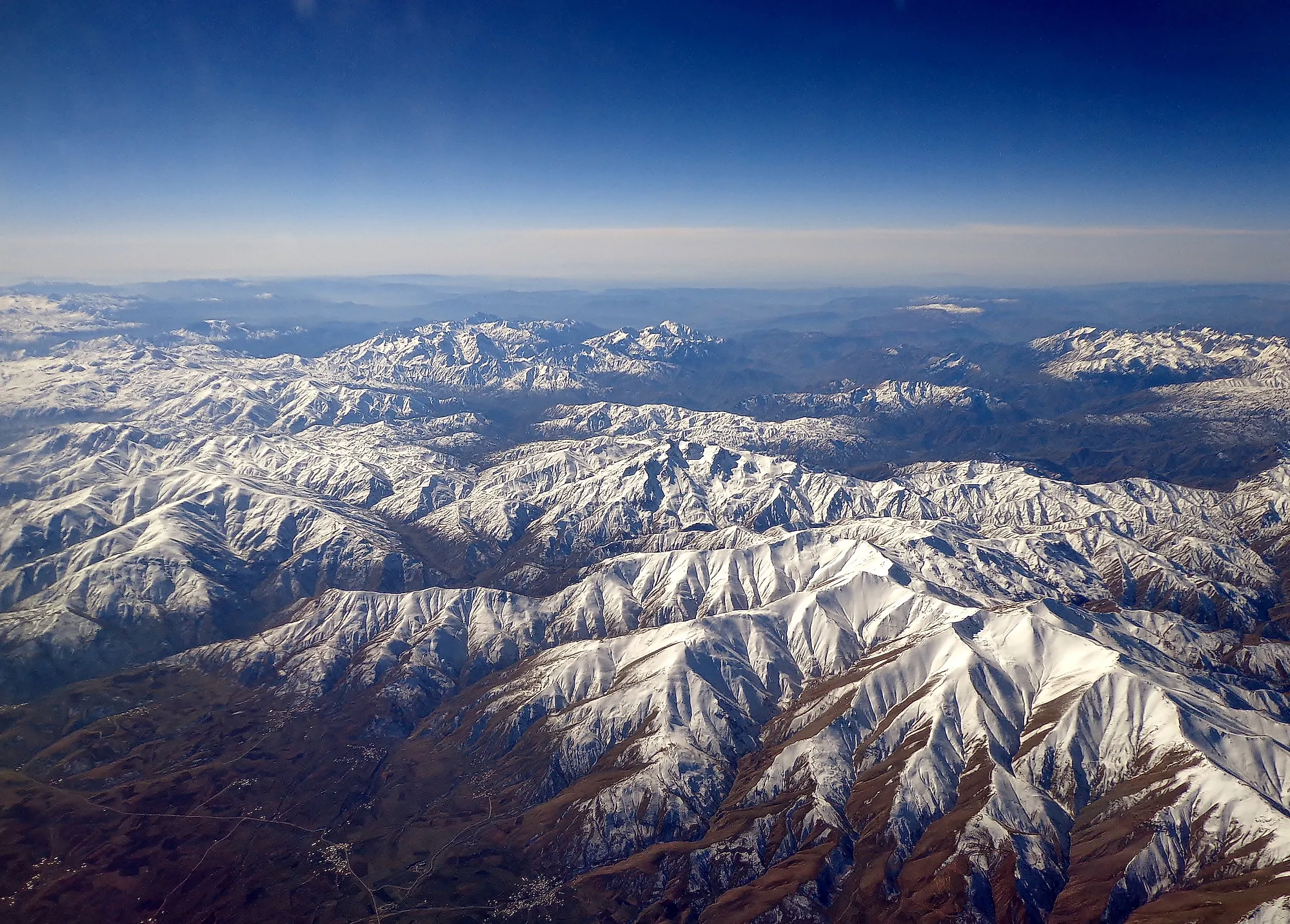
How The Andes Compare To The Rockies
Mount Elbert is the highest point in the Rocky Mountains at 14,439 feet, which is a serious mountain by any reasonable standard. It would not make the top ten in the Andes. It would not make the top fifty. The tenth-highest Andean peak stands about 2,200 meters above Elbert, and Aconcagua, the tallest of them, beats it by 8,399 feet. The Andes are also about 50 percent longer. The honest summary is that these two ranges are the same idea executed at completely different scales, and the Rockies are the small one.
Length: Not Close

The Andes run roughly 7,000 kilometers down the western edge of South America, making them the longest continental mountain range on Earth. The Rockies manage about 4,800 kilometers from British Columbia to New Mexico.
That is roughly 50 percent longer, an extra 2,200 kilometers, which is about the distance from Denver to Montreal added onto a mountain range that was already enormous. The Andes cross seven countries. The Rockies cross two.
Height: Also Not Close

Aconcagua reaches 6,961 meters, or 22,838 feet, making it the highest mountain outside Asia and the tallest point in both the Western and Southern hemispheres. Mount Elbert reaches 4,401.

Aconcagua is therefore around 58 percent taller, a difference of 8,399 feet. You could stack most of a second Rocky Mountain on top of Elbert and still be looking up at the Argentines.
The Statistic That Settles It
Forget the summits for a moment and look at the averages, because this is the number that actually ends the argument. The Andes have an average height of about 4,000 meters, which is 13,124 feet. Mount Elbert, the single highest point in the entire Rocky Mountain system, stands at 14,439.
So the average elevation of the Andes comes within about 1,300 feet of the highest point in the Rockies. Not the average Rocky Mountain. The highest one, the whole range, beaten almost on aggregate.
The Rockies Have No Equivalent Of The Top Ten

Here is the list that makes the scale obvious. The ten highest Andean peaks are Aconcagua at 6,961 meters, Ojos del Salado at 6,893, Pissis at 6,795, Huascaran at 6,768, Cerro Bonete at 6,759, Nevado Tres Cruces at 6,749, Llullaillaco at 6,739, Mercedario at 6,720, Yerupaja at 6,635 and Icahuasi at 6,620.
Every single one is more than 2,200 meters taller than anything in the Rockies. The Andes do not have a few exceptional peaks and then a normal mountain range behind them. They have a wall.
People Live At Rocky Mountain Summit Height

The Altiplano, the high plain of the Central Andes, sits at around 3,750 meters, which works out to roughly 12,300 feet. It is the second-highest plateau on Earth after the Tibetan.
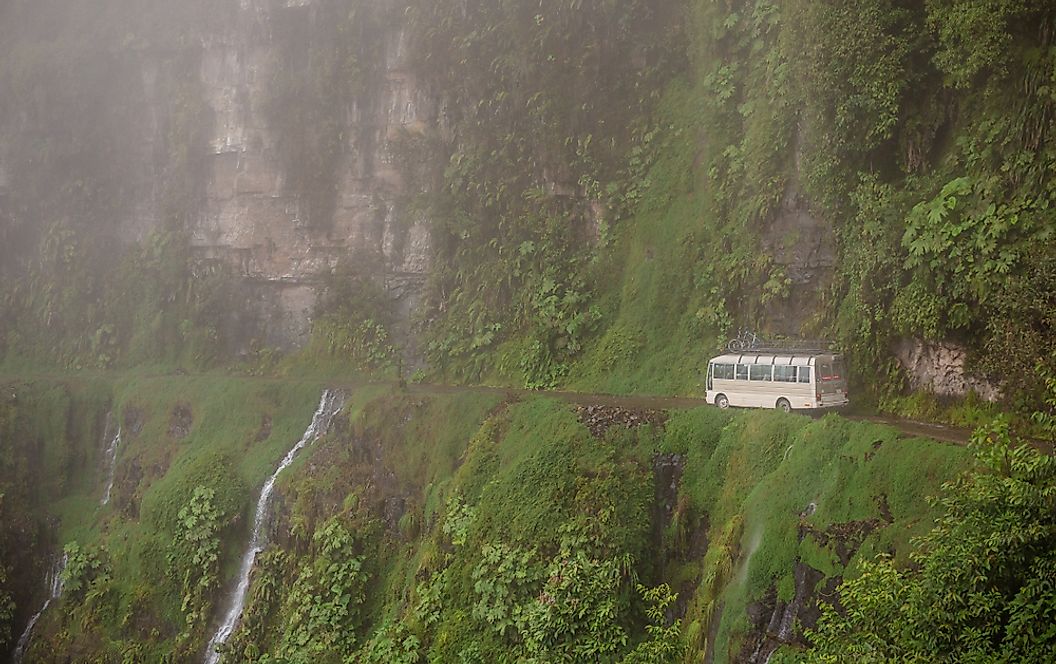
That is not a summit. It is farmland, cities, roads and several million people, sitting about 2,100 feet below the top of the highest mountain in North America's most famous range. In the Rockies, 12,300 feet is where you take the summit photograph. In Bolivia it is where you buy groceries.
One Andean Peak Beats Everest
On a technicality, but a real one. Chimborazo in Ecuador is only about 6,263 meters above sea level, which does not even place it in the Andean top ten. Measured from the center of the Earth, however, its summit is the single most distant point on the planet's surface, because the equatorial bulge pushes everything near the equator outward.
Until the early nineteenth century Chimborazo was widely believed to be the tallest mountain in the world, and Alexander von Humboldt attempted it in 1802 on that assumption. He was wrong, but by less than it sounds.
The Andes Are Still Growing
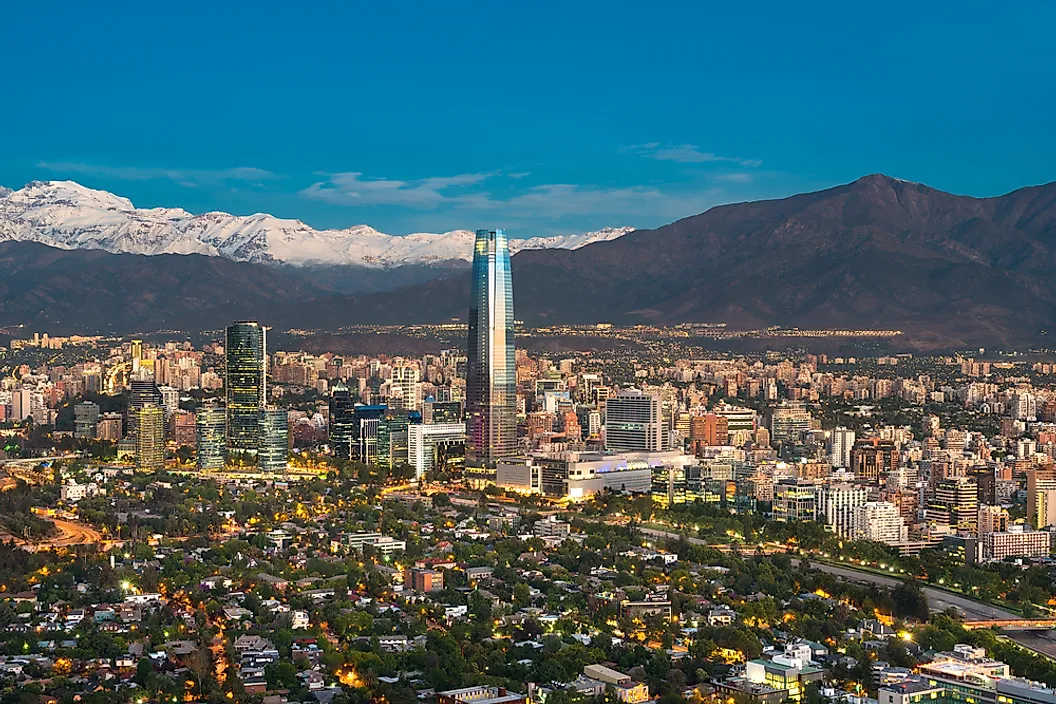
This is the structural difference underneath all the numbers, and it explains why the gap exists at all. The Andes sit on an active subduction zone, where oceanic plate is still being driven beneath South America, and the range is still being pushed upward and shaken regularly. The central portion between about 33 and 35 degrees south has the highest rate of seismic activity along the boundary.
The Rockies were built by a very different process ending tens of millions of years ago, and have been eroding ever since. One range is under construction and the other is in slow decline, which is roughly what the elevation figures are describing.
Where The Rockies Actually Win
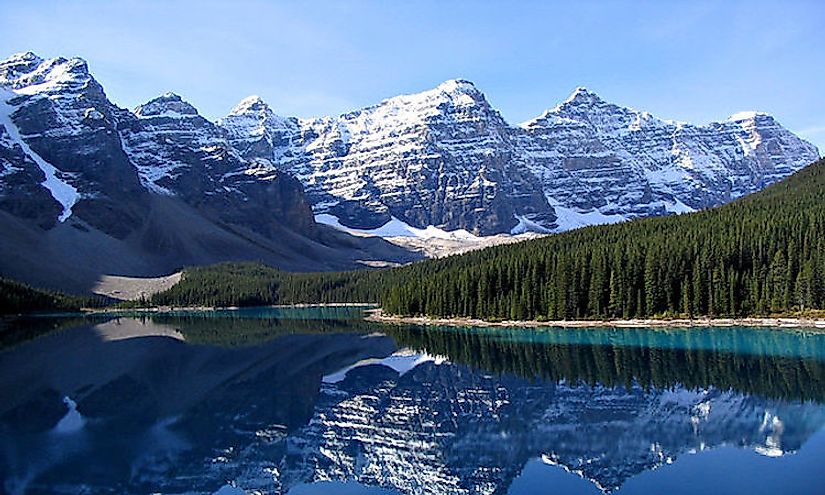
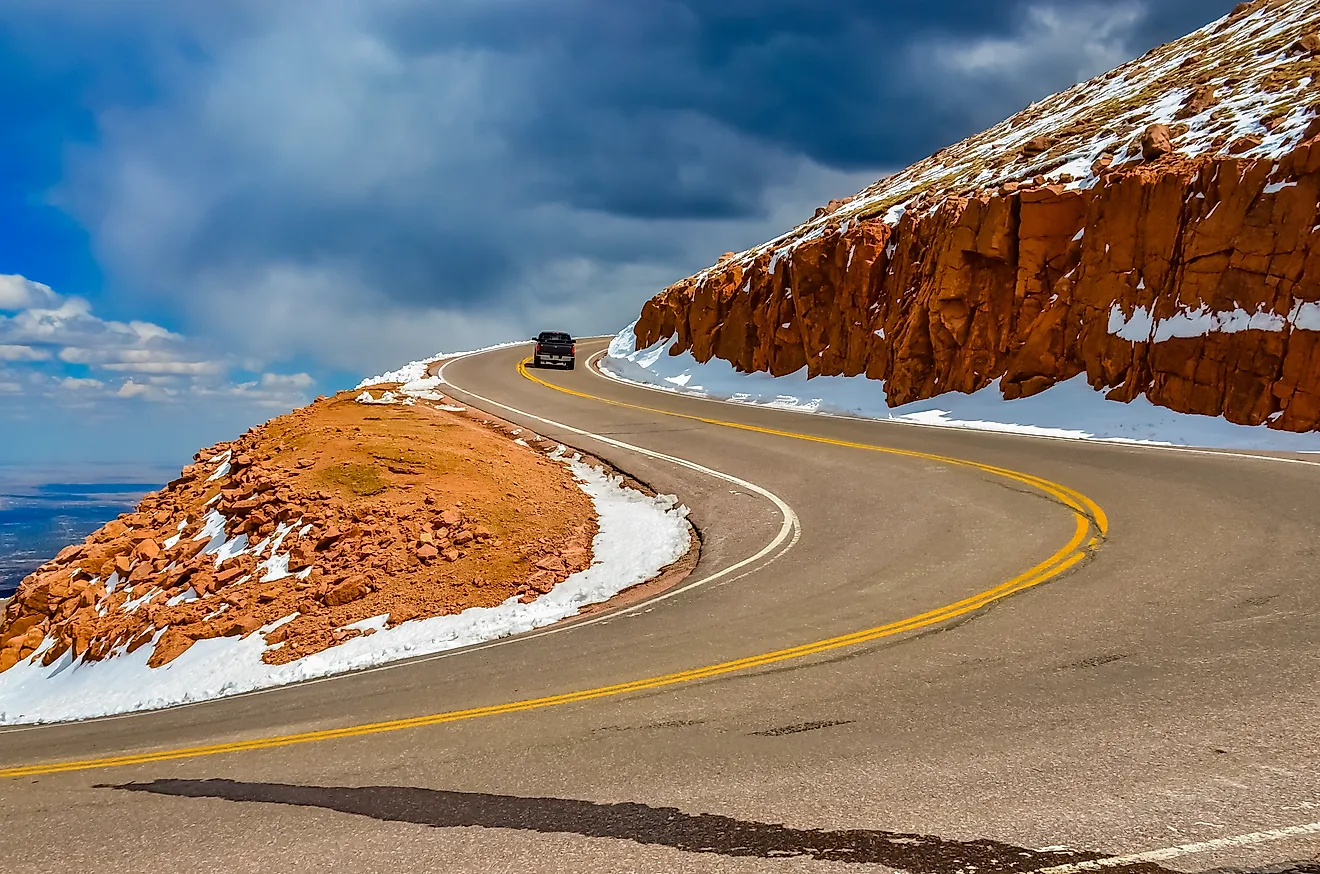
Two categories, and both of them are real. The first is accessibility. The Rockies carry a dense network of paved roads, national parks, ski resorts and trailheads, and a visitor can drive to 12,000 feet on a Tuesday afternoon. Large stretches of the Andes remain genuinely difficult to reach.
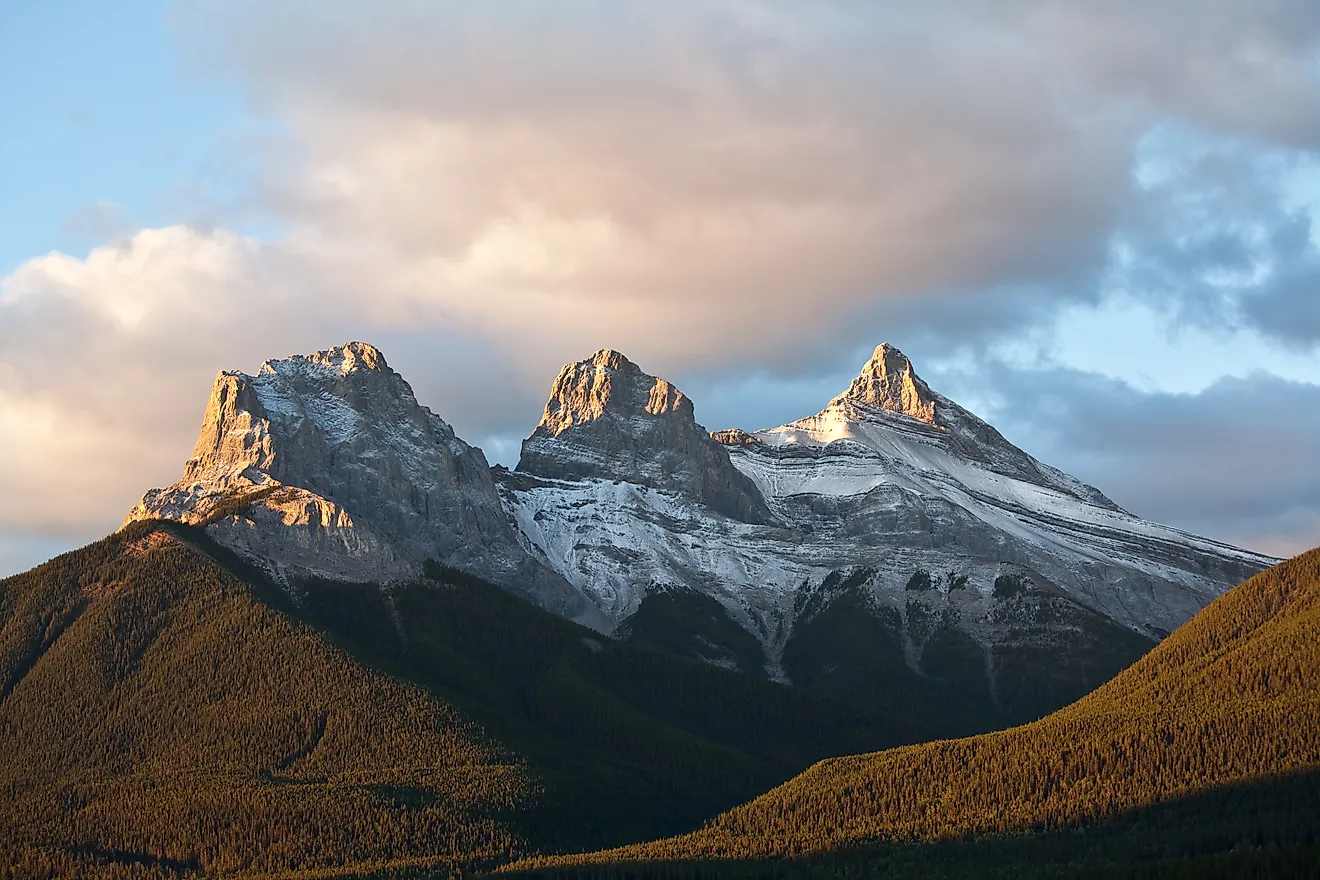
The second is glacial scenery. The Canadian Rockies in particular hold a concentration of turquoise lakes, hanging valleys and ice fields that the drier Andean ranges cannot match, because heavy Pleistocene glaciation plus abundant precipitation produces a landscape that extreme altitude alone does not.
And One Thing They Share

Both ranges are continental divides, which is the one structural job they genuinely share. The Rockies separate water heading for the Pacific from water heading for the Atlantic and Arctic. The Andes do the same for South America, and more dramatically, since rain falling on the eastern slope can travel the entire width of the continent down the Amazon while rain on the western slope reaches the Pacific in a few dozen miles.
The Scoreboard

The Andes are about 50 percent longer, their highest peak is about 58 percent taller, their tenth-highest peak clears the Rockies' summit by 2,200 meters, and their average elevation lands within 1,300 feet of Mount Elbert.
The Rockies win on roads, parks and photogenic glacial lakes, which are genuinely the things most people actually want from a mountain range. But on the raw measurements it is not a contest, and anyone who has stood on a 14,000-foot Colorado summit feeling pleased with themselves should know that somewhere in Bolivia, a farmer is at a comparable altitude, doing the shopping.