The Youngest Mountain Range In The United States
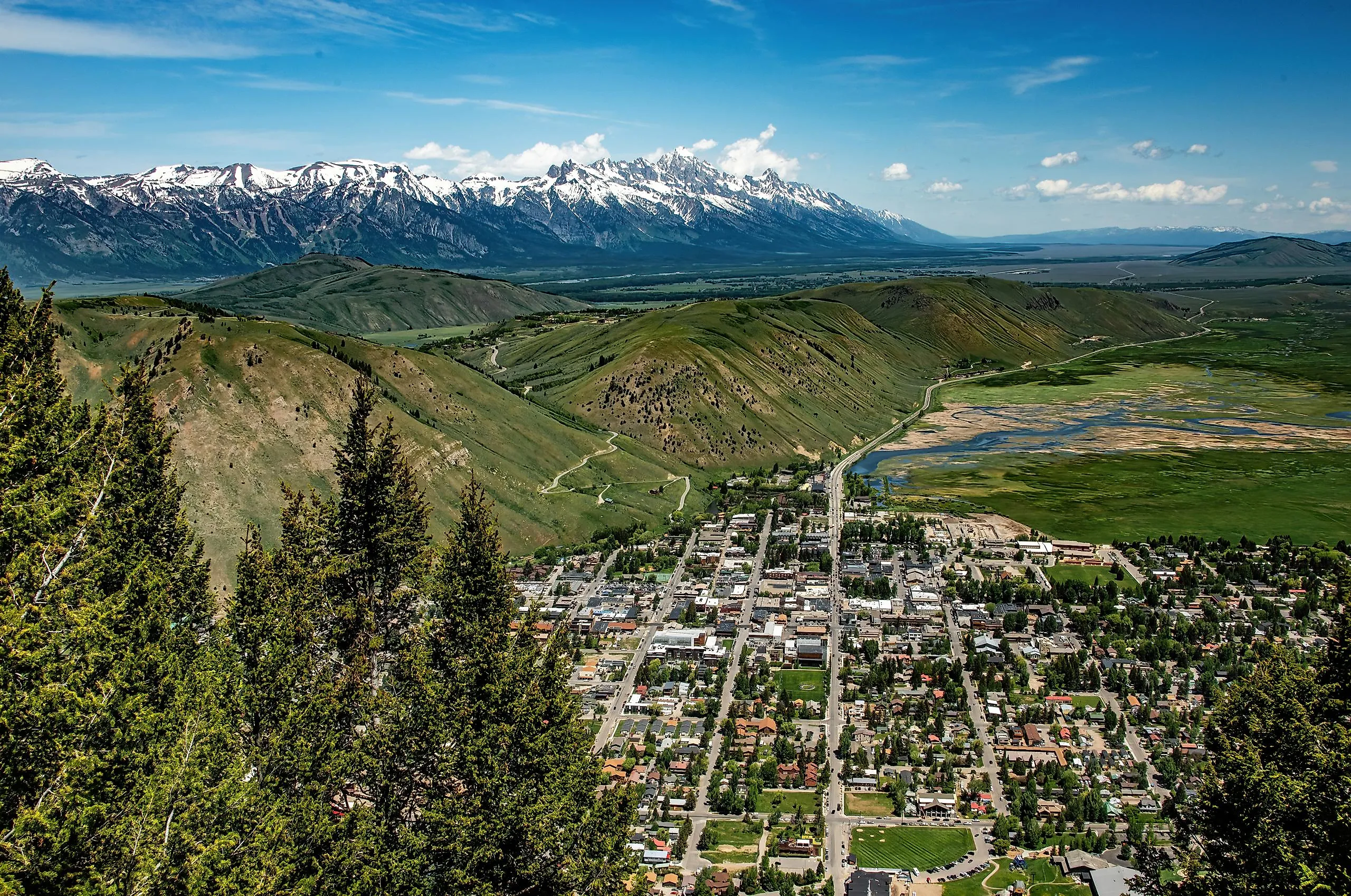
At around 10 million years, the Teton Range in Wyoming is the youngest mountain range in North America. The Tetons are a smaller, relatively young part of the Rocky Mountains, compared with much older ranges which rose during the Laramide Orogeny. The Appalachian Mountains are older still, with mountain-building episodes dating back hundreds of millions of years.
One Important Distinction

While many of the peaks that exist in other ranges today emerged more recently than those found in the Tetons, those other ranges have existed far longer than their current peaks have. In short, no whole mountain range is younger than the Tetons.
The rock that forms the basis of the Tetons first formed some 2.7 billion years ago. At that time, a sea covered the area where the Tetons stand today. Over time, currents deposited sediments along the sea floor, which were then forced miles underground as tectonic plates collided. The combined heat, up to 1,000 F, and pressure acted on the sediments, forming a rock called gneiss, whose dark and light bands can still be seen in the mountains today.
About 2.5 billion years ago, as magma worked its way through the rocks, it cooled, leaving behind granite. Much later, sometime between 1.3 billion and 775 million years ago, more magma intruded, causing the formation of diabase dikes. As the region alternated between sea and land over millions of years, layers of mudstone, sandstone, and limestone formed, remnants of which can still be seen at the highest elevations.
Shifting Plates

The Farallon Plate began to slide beneath the North American Plate around 160 million years ago. Much later, between about 80 and 70 million years ago, the Laramide Orogeny began, raising numerous mountains across what is today western North America. That period of mountain building continued until roughly 55 to 35 million years ago and also uplifted the area where the Tetons would later form.
Though the Laramide Orogeny raised the area where the Tetons are, the modern mountain range only began to uplift around 10 million years ago. After billions of years of history, the components that make up the mountains rose as the crust stretched and blocks on either side of the Teton Fault moved apart, with one dropping and the other rebounding upward. In modern-day Wyoming, this extension occurred in an east-west direction, leaving a range that runs north-south.
Recent Glacial Activity

Despite its long history, glaciers continued to alter the Tetons relatively recently on the geological scale. Major glacial periods between about 150,000 and 130,000 years ago and again between about 22,000 and 14,000 years ago eroded the mountainsides and carved broad U-shaped valleys, many of which today contain lakes. As the glaciers retreated, they carried sediment and left behind large rocks and stretches of gravel.
The Tetons are still geologically active. The Teton Fault has a long-term average slip rate of approximately 2 mm per year, although that movement occurs during earthquakes rather than as steady annual motion. Periodically, earthquakes cause slippage between the mountain block and Jackson Hole. The fault is still capable of producing earthquakes around magnitude 7.2 to 7.5, although a major earthquake has not occurred there in thousands of years.
Other Young Mountain Ranges

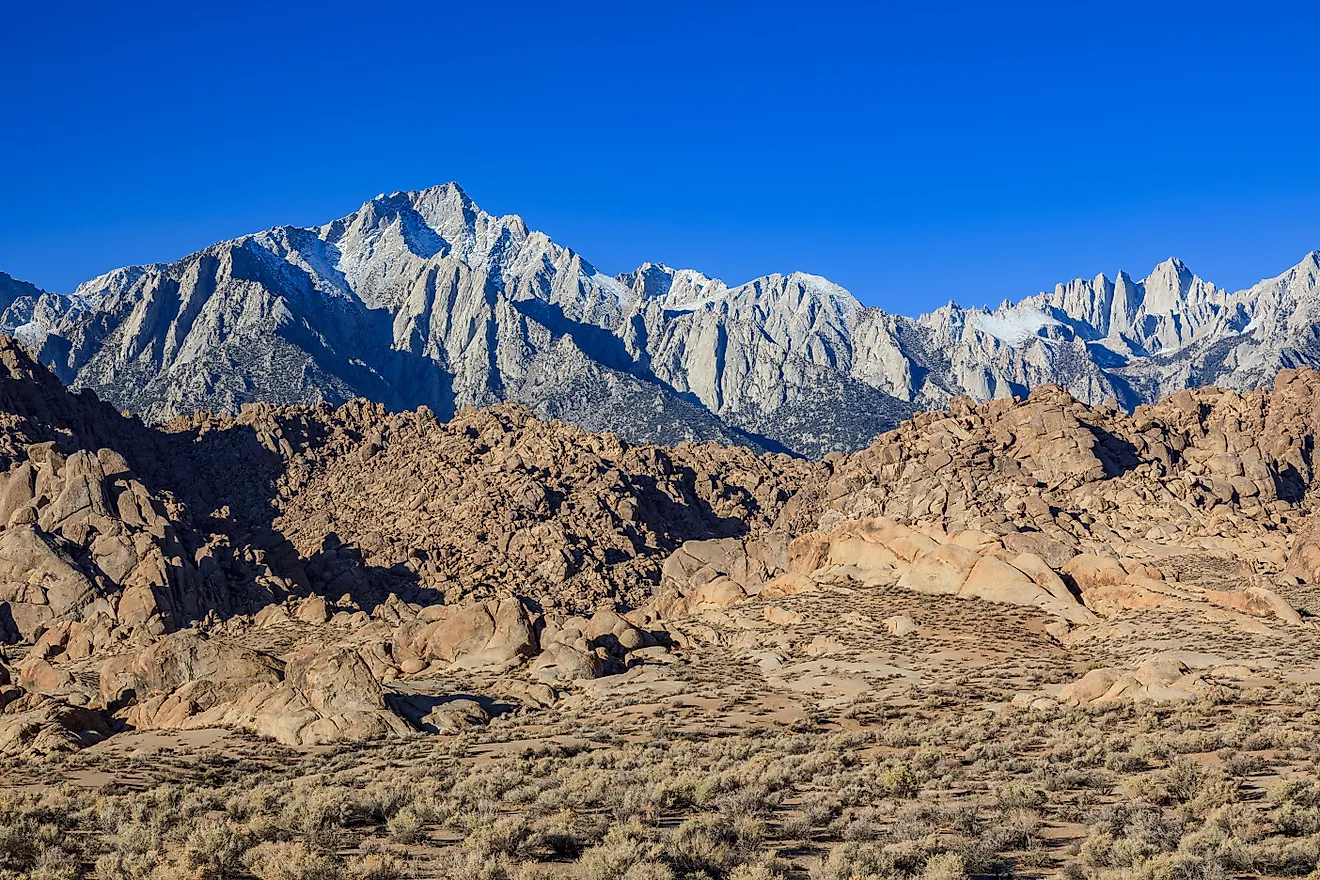
The Tetons are not the only American mountains whose appearance developed relatively recently. The Sierra Nevada, for example, contains rocks more than 100 million years old and had an ancestral mountain range long before the Tetons formed. However, much of the uplift and tilting that produced its present shape occurred during the past several million years.
The Cascade Range is another complicated case. Cascade volcanism began roughly 45 million years ago, making the range older than the Tetons, but many individual Cascade volcanoes are much younger. Mount Hood's current volcanic center, for example, has been active for roughly 500,000 years. The Alaska Range is also still being uplifted as the Pacific Plate moves beneath Alaska. These examples show why the age of a mountain, the age of its rocks, and the age of the range itself can produce different answers when determining America's youngest mountains.
An Unusual Distinction
What makes the Tetons unusual is the contrast between their age and the rocks that form them. Some of the exposed rock is billions of years old, yet the range itself is a relatively recent feature shaped by faulting, erosion, and repeated glaciation. The mountains continue to change today, making the Tetons a young range built from some of the oldest material on the continent.