Why Water Moccasins Are Most Active In Fall
The strangest thing a water moccasin does all year happens in autumn, and it involves leaving the water. The animal in question is Agkistrodon piscivorus, which goes by two common names, water moccasin and cottonmouth, and they refer to exactly the same snake. Across much of their range cottonmouths migrate out of lowland wetlands in October and November and travel overland to upland forested bluffs and rock crevices to spend the winter, returning to the swamps in spring. At the same time they switch from the nocturnal habits of summer back to daytime activity, they mate, and the year's young are dispersing. Four things happening at once is why autumn produces more cottonmouth encounters than the height of summer does. It is also why a good number of them happen nowhere near a pond, which is not what the name leads anyone to expect.
One Snake, Two Names, And A Lot Of Confusion
Before going further it is worth sorting out the vocabulary, because this species has a naming problem that causes genuine trouble in the field.
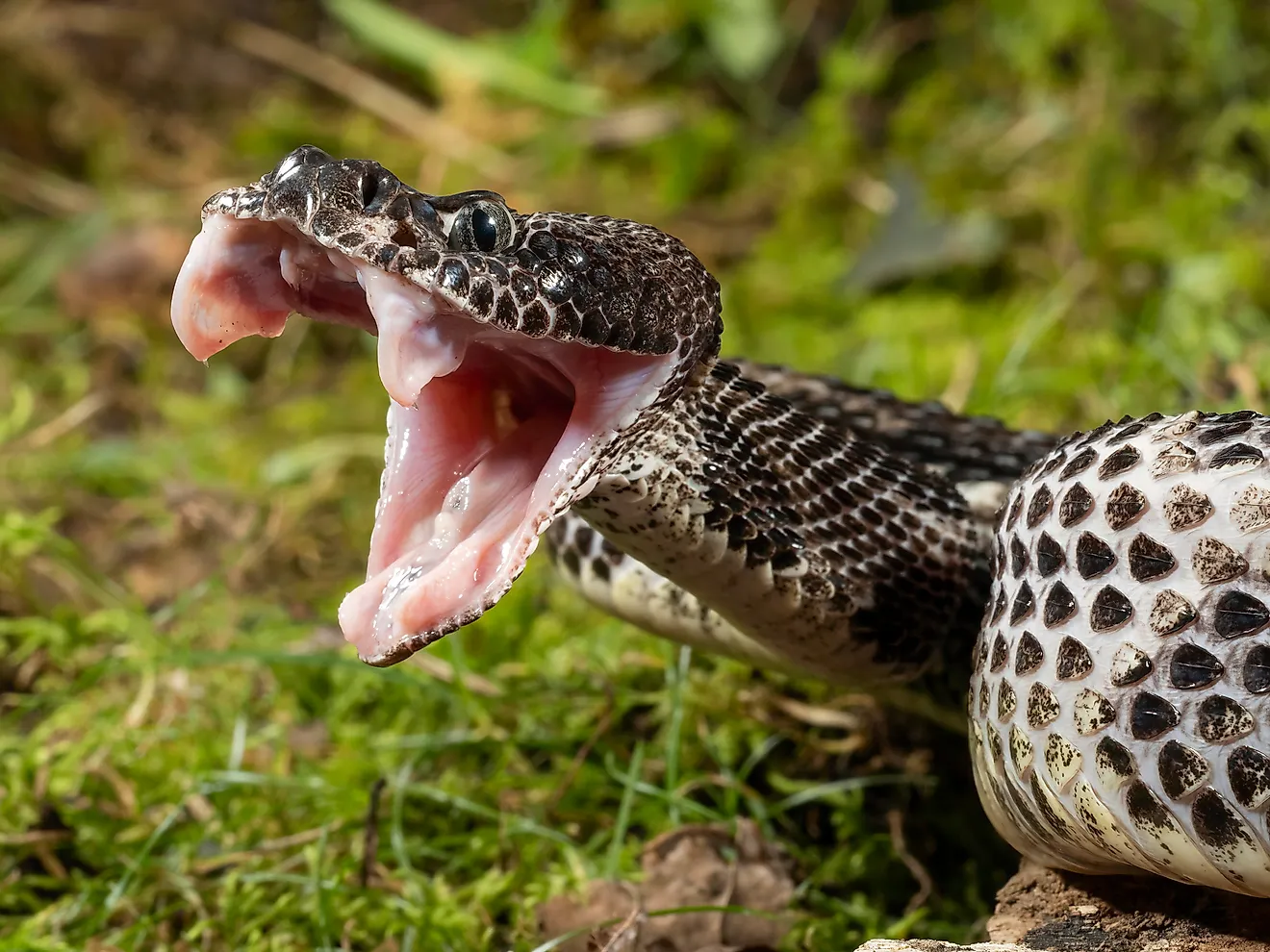
Water moccasin and cottonmouth are two common names for one animal. Cottonmouth comes from the startling white lining the snake displays when it gapes in warning. Water moccasin is the older folk name and the one most people in the Southeast actually say.
The difficulty is that cottonmouth refers to this species and nothing else, while water moccasin does not. The same phrase gets applied casually to several harmless watersnakes of the genus Nerodia that share the same ponds and swamps, and in some regions moccasin is also used for copperheads. That is why herpetologists and wildlife agencies overwhelmingly prefer cottonmouth, and why this article uses it from here on when precision matters.
If somebody tells you they saw a water moccasin, they may well have seen one. They may equally have seen a completely harmless snake.
Where They Live

The range runs across the Southeast, from southern Oklahoma east to North Carolina and from southeastern Missouri down to the tip of Florida, which means most of the country never has to think about this at all.
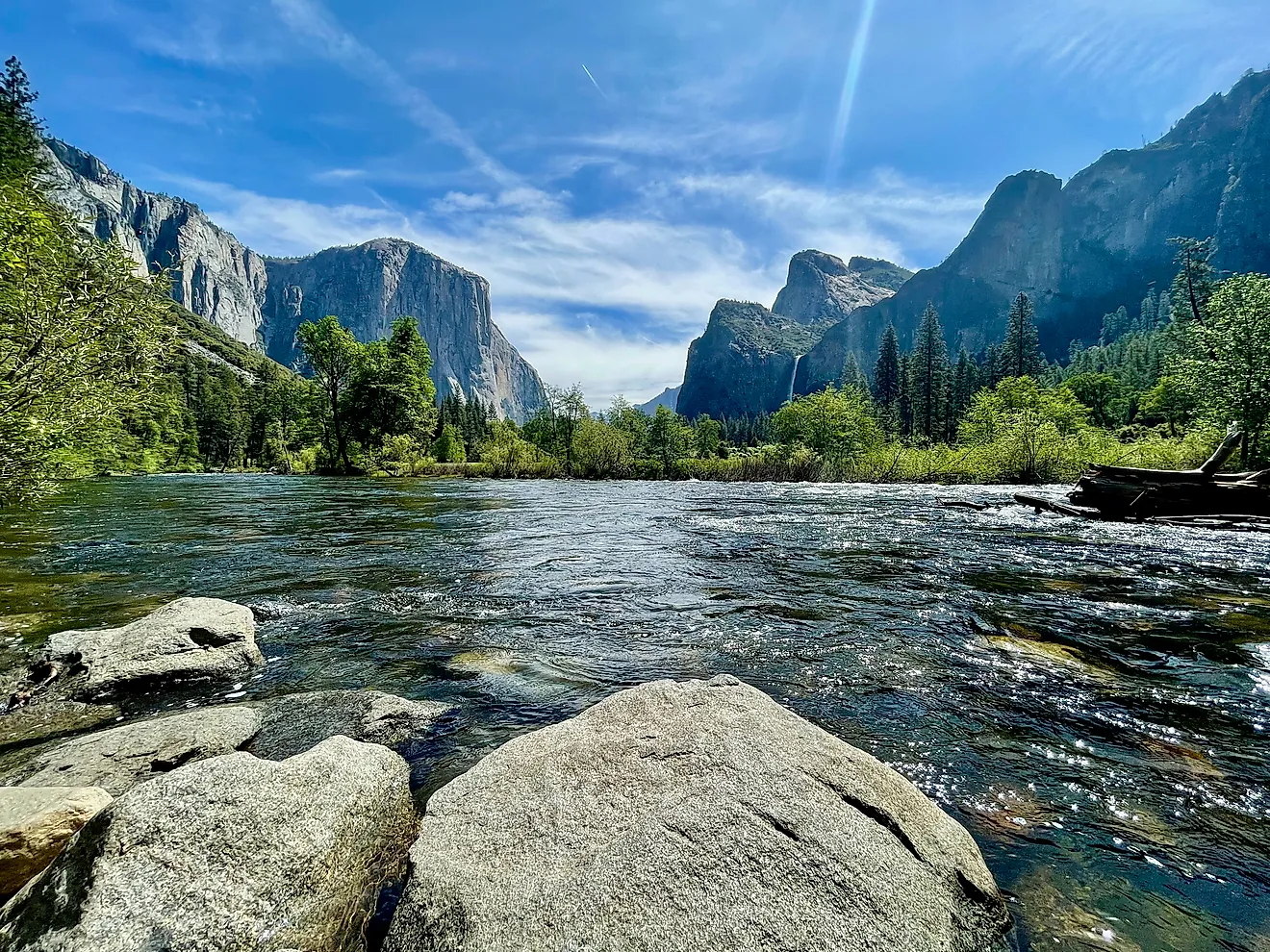
Within that range they are the most aquatic venomous snake in North America, found in cypress swamps, sloughs, oxbow lakes, drainage ditches, slow rivers and spring-fed rocky creeks. In the Ozarks they are described as highly nocturnal and secretive, which is a reminder that behavior varies considerably across the range.
They Go Nocturnal In Summer

State wildlife agencies describe the pattern in almost identical language. During spring and fall cottonmouths are generally diurnal, while much of their activity in summer happens at night.
The reason is heat management. A snake in a southeastern summer cannot spend the afternoon in the open without cooking, so it forages after dark and sits out the day. When the weather cools, the middle of the day becomes usable again and the snake moves back onto the day shift.
That alone changes the odds of meeting one, because the hours people are outside and the hours the snake is active overlap in October in a way they do not in July.
The Autumn Migration
This is the behavior that sets cottonmouths apart from other venomous snakes in the region, and it is well documented in the research literature. In some areas cottonmouths migrate from lowland wetland habitats to upland forested bluffs in autumn and return to the wetlands in spring. Field studies on an isolated wetland population recorded extensive overland movement in October and November, and concluded that cottonmouths make considerable use of upland habitat and depend on forested corridors between wetlands and their overwintering sites.
That migration is not a drought response. Research found it to be part of an annual cycle between seasonal wetlands that provide summer foraging and uplands that provide winter refuge.
So You Meet Them Away From Water

The practical consequence catches people out, because the name sets an expectation the animal does not honour in autumn.
A snake called a water moccasin is reasonably assumed to be in water. In October it may be crossing a hillside, moving through forest floor leaf litter, or heading for a limestone bluff several hundred yards from the nearest swamp. Adults are regularly found on hillsides and in forests near streams and lakes.
If you are hiking upland woods in the Southeast in autumn and assume cottonmouths are a waterside problem, you have the wrong mental model for the season.
Where They Spend The Winter
The destinations are specific, and they are shared. Cottonmouths overwinter in cavities in the ground at the base of large trees, in rock crevices along limestone bluffs, and sometimes in beaver dens. They often aggregate in late fall rather than denning alone.
Those sites are frequently shared with other species, including racers, western ratsnakes, copperheads and timber rattlesnakes. A good hibernaculum is a scarce resource and the occupants are not fussy about company.
They Mate In Autumn Too
Most American pit vipers breed in spring. Cottonmouths do both seasons, which adds another layer of movement to the autumn picture.
Courtship and mating can occur at any point in the active season, and in Missouri the documented peaks are April through June and again August through October. Males move to find receptive females and engage in combat with one another, which means more snakes covering more ground.
And The Young Arrive

Cottonmouths give birth to live young rather than laying eggs, and the timing puts newborns into the landscape at precisely the busiest moment.
Litters of roughly three to fifteen arrive between August and October, with each neonate around seven to ten inches long. Females may congregate before giving birth and remain with their broods for several days afterward, which is unusual among snakes.
Those juveniles then disperse to find their own territory and their first winter den, with no learned sense of where to avoid. Small, inexperienced and scattered is a combination that produces encounters.
Most Sightings Are Not Cottonmouths
Before anyone recalculates their risk, the most useful correction in this whole subject is about identification. Harmless watersnakes of the genus Nerodia share the same ponds, swamps and streams across the Southeast, look broadly similar to an untrained eye, and are also commonly called water moccasins. A large share of reported cottonmouth sightings are these animals.
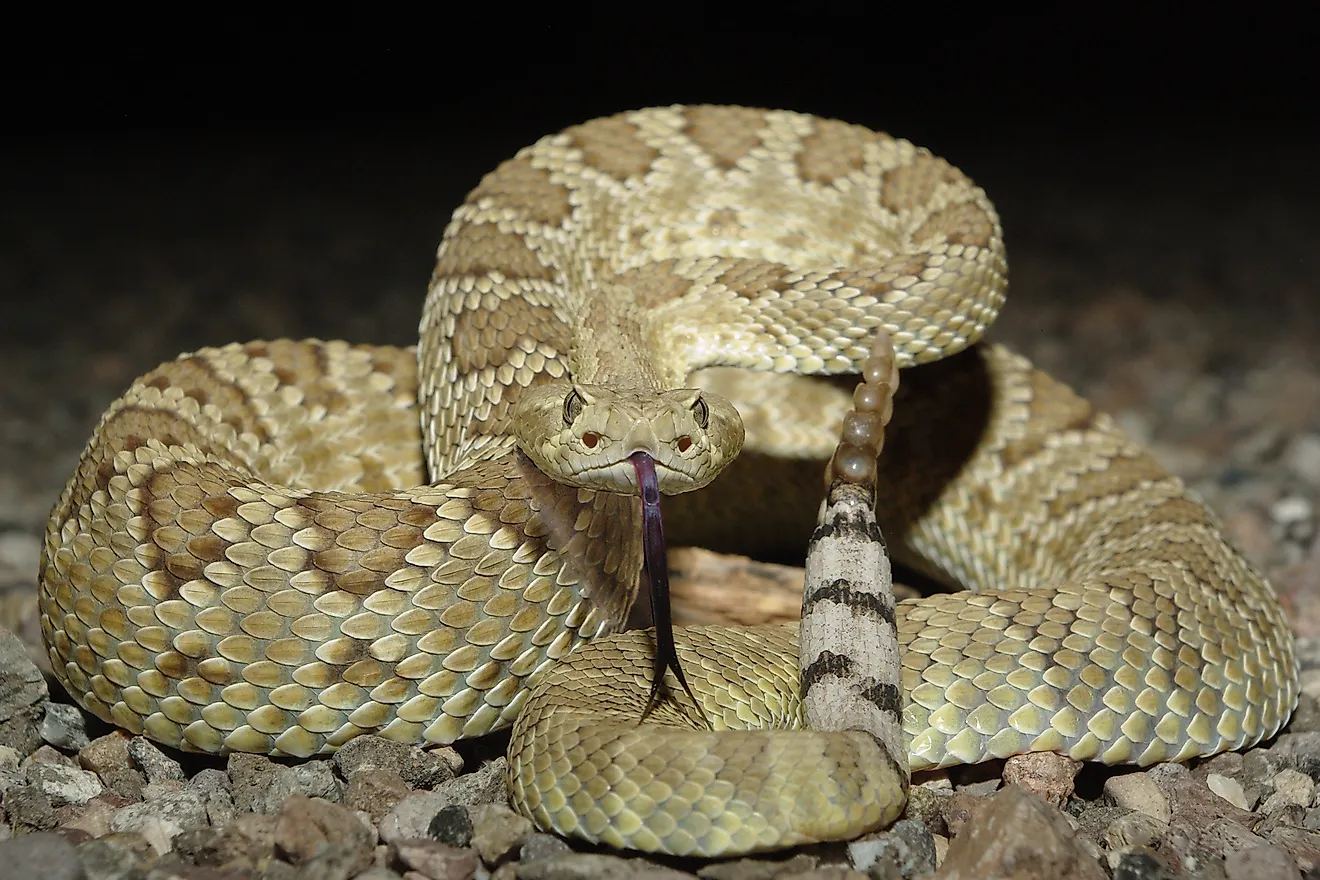
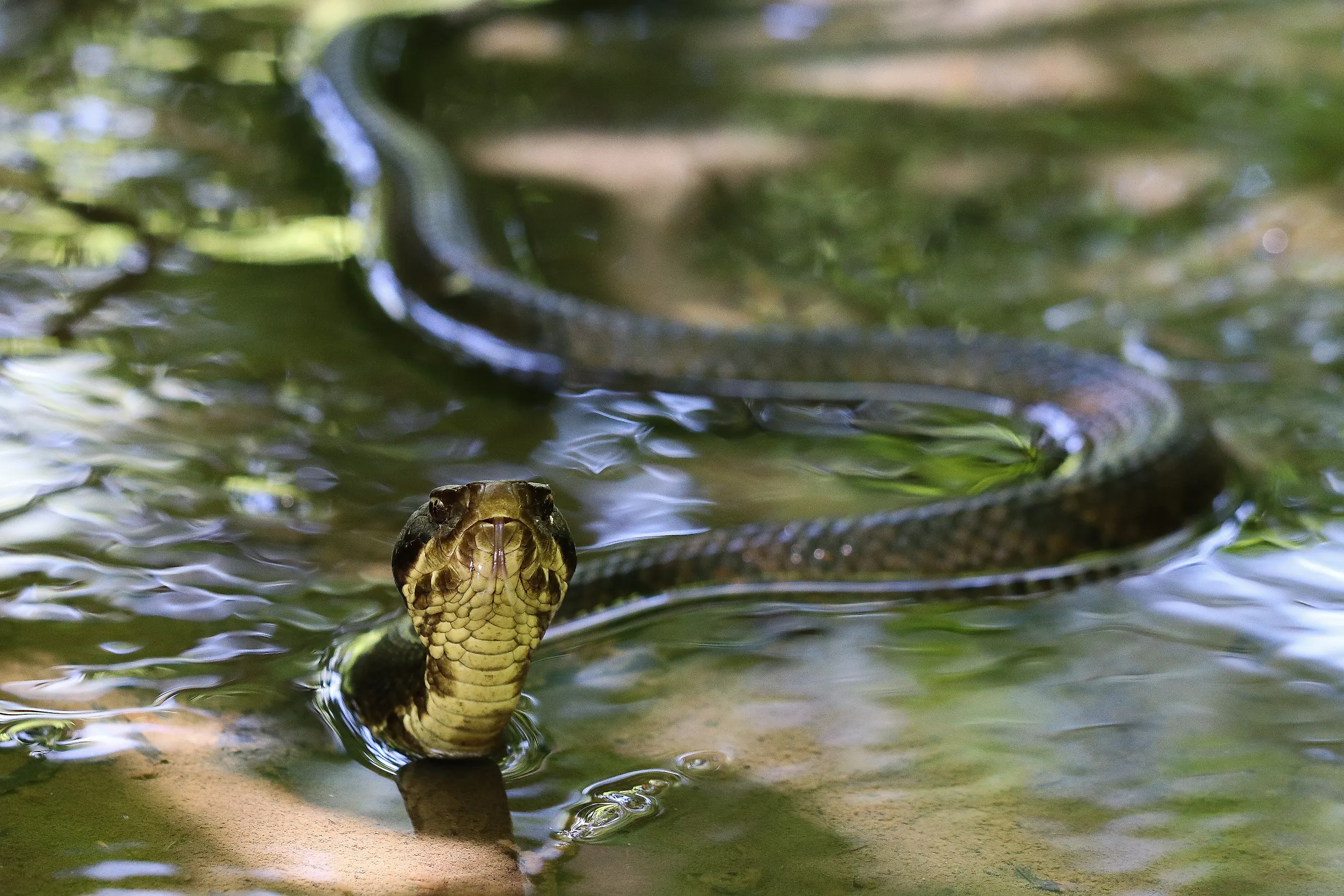
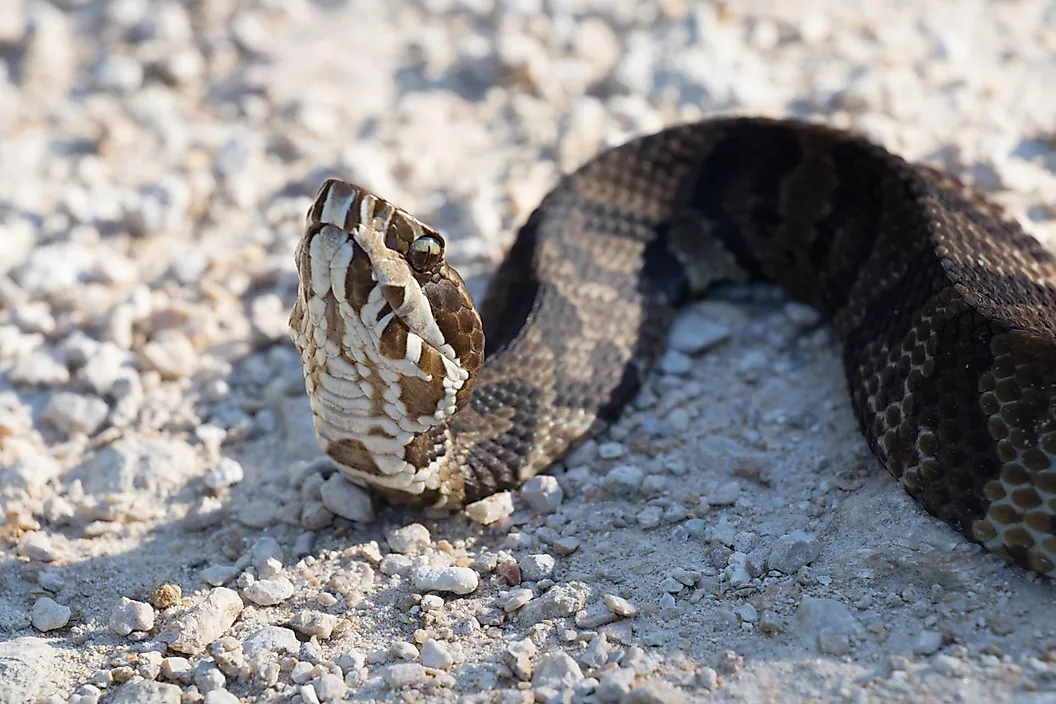
The real cottonmouth is heavy-bodied with a blocky head, usually 24 to 48 inches, olive to dark brown with dark crossbands. Young ones are reddish brown with a yellow tail tip and are regularly mistaken for copperheads instead.
The Gaping Is A Warning, Not A Threat

The display the species is named for may be the most misread piece of animal behavior in the American Southeast.
The white mouth lining is shown when the snake gapes to defend itself. It is an advertisement, and it means the animal has noticed you and would like the situation to end. University herpetology resources are explicit that although cottonmouths are often perceived as aggressive, they usually try to escape or dissuade before biting.
The full warning sequence runs through several steps before any strike. The snake gapes, vibrates its tail, flattens its body to look larger, and releases a foul-smelling musk from glands near the tail. An animal working through four separate deterrents is not looking for a fight.
What The Season Actually Requires
The guidance is ordinary and it works. Watch where you put your hands and feet, particularly around logs, rock crevices and the base of large trees, which is exactly where a cottonmouth heading for winter quarters wants to be. Do not assume a wooded hillside in the Southeast is snake-free because there is no water in sight. Keep dogs on a leash, since they investigate precisely the cavities snakes are using.
And if one gapes at you, it has already done the polite thing. Step back and let it leave.
The Short Version
Cottonmouths, or water moccasins if you prefer the older name, are most active in autumn because four things coincide. The cooling weather moves them back to daytime activity, they migrate overland from wetlands to upland winter dens through October and November, they mate during the same window, and the year's young are dispersing across the landscape.
The counterintuitive part is the one worth remembering. A snake named for water spends part of every autumn walking away from it, which is why the encounters that surprise people most are the ones nowhere near a swamp. And if the snake you met was in the woods on a hillside in October, the odds it was actually this species are better than you might assume.