Why Las Vegas Built A Third Straw Under Lake Mead
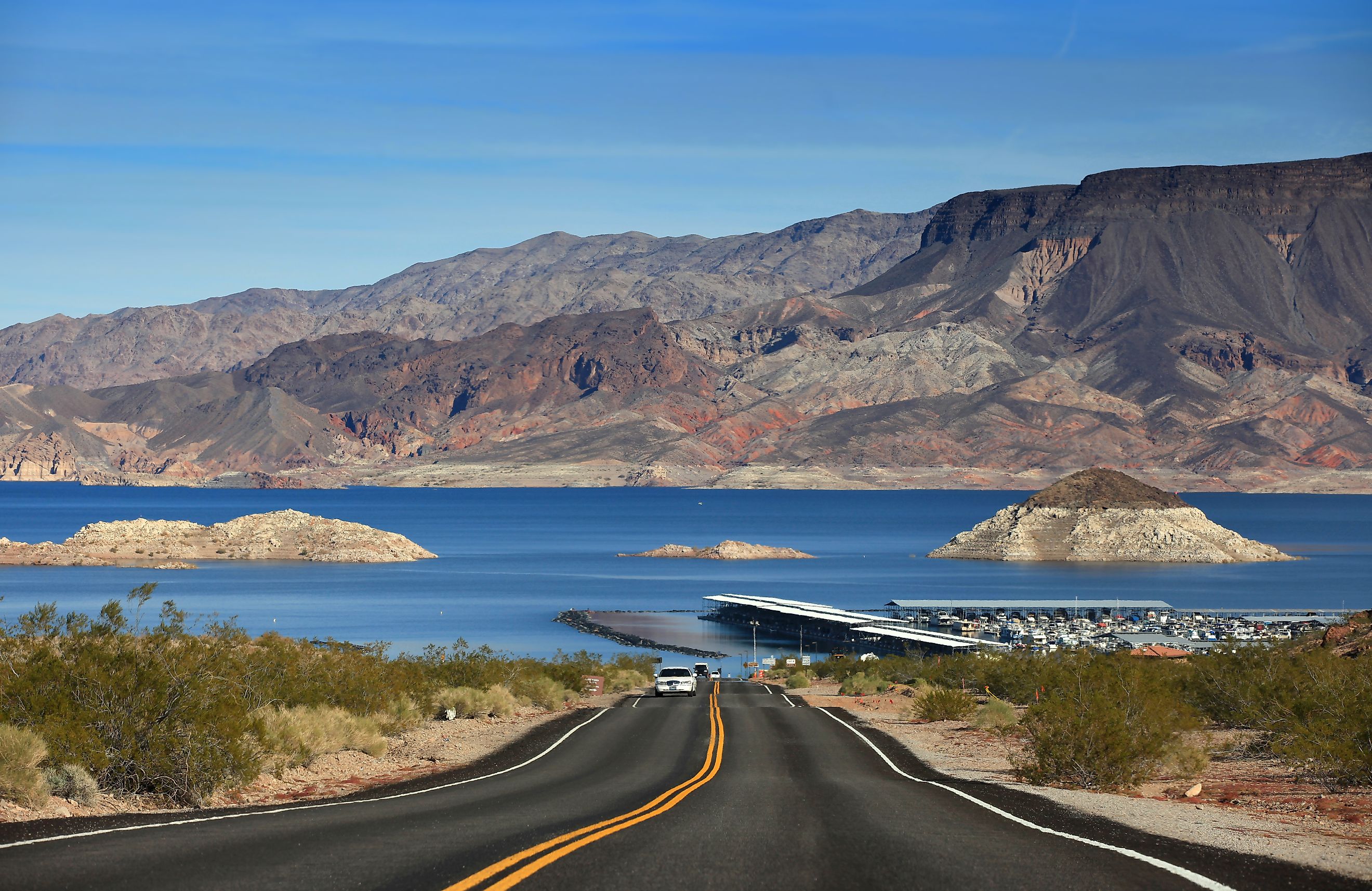
Las Vegas takes about 90 percent of its water from Lake Mead, and until 2015 it took all of it through two pipes that stop working when the lake gets low enough. The first sits at elevation 1,050 feet and the second at 1,000. By the mid-2000s the reservoir was falling fast enough that both looked like a problem with a date attached. So the Southern Nevada Water Authority spent 817 million dollars and seven years drilling a three-mile tunnel 600 feet beneath the lakebed to reach a new intake at 860 feet, which is below the elevation at which Hoover Dam can release water downstream at all. The head of the agency called it the most complicated construction job in the country, and the record suggests she was not exaggerating.
The Two Old Straws Were Running Out Of Lake

Southern Nevada started drawing from Lake Mead in 1971, when the region had about 126,000 residents. It now has roughly two million people and receives around 40 million visitors a year, in a place that averages a little over four inches of rain.
Intake No. 1 goes offline when the lake drops below 1,050 feet. When the project was being planned, that threshold was close enough that officials were counting the feet rather than the years. Intake No. 2 at 1,000 feet bought more time and not very much.
The decision was never about whether Lake Mead would recover. It was about making sure the answer did not matter.
Why They Went Under Rather Than Down
The obvious solution would be to run a pipe further out and further down from the shore. The geography of Lake Mead does not allow it.
Instead SNWA sank a 600-foot access shaft at Saddle Island, roughly 55 stories straight down, and drove a three-mile tunnel beneath the lakebed to meet an intake structure lowered onto the bottom from the surface. The water enters at the deepest practical point and travels horizontally through rock rather than down through water.
The intake sits at 860 feet. For context, dead pool at Hoover Dam is 895, so the third straw draws from 35 feet below the elevation at which the dam itself can no longer pass water downstream.
The Machine
The tunneling was done by a dual-mode Herrenknecht boring machine capable of switching between hard-rock and slurry modes, because the ground changed repeatedly along the route.
The machine measured 23.29 feet across the cutterhead, ran about 620 feet long, weighed somewhere between 1,500 and 1,700 tons and cost 25 million dollars on its own. Crews of 14 worked it in shifts, advancing roughly 35 feet a day, and the finished tunnel was lined with around 2,400 precast concrete segments weighing about 34,000 pounds each.
Those segments were fitted together like jigsaw pieces to hold the tunnel against the pressure of the lake sitting on top of it.
Fifteen Bar
Here is the number that makes this a genuinely exceptional piece of engineering rather than just a long tunnel. Boring beneath a full reservoir means working against the water pressure above, and the machine was subjected to a world-record 15 bar while cutting under Lake Mead. That is roughly fifteen times atmospheric pressure, pushing in on a moving machine through fractured rock.
The route also ran through the Muddy Creek Formation, alternating layers of hard rock and weak conglomerate shot through with fault zones, many of them already full of lake water. That combination is the reason the project needed a machine that could change its own operating mode underground.
It Went Badly Wrong Twice
In July 2010 crews excavating the starter tunnel for the boring machine hit a fault zone and the work area flooded. They spent weeks trying to stabilize it, and it flooded twice more.
Eventually the contractor abandoned that tunnel entirely and excavated a new one heading in a different direction to get around the fault. The groundwater inundations added more than two years and close to 40 million dollars to the project.
That is the kind of setback that gets a project cancelled in most circumstances. Here the alternative was a city of two million people with a water supply on a countdown.
A Worker Was Killed
On a June afternoon in 2012, 600 feet underground, Thomas Albert Turner of Henderson was killed when one of the concrete lining rings slipped and ejected a pressurized jet of grouting material that struck him in the head. He was 44.
Another worker was injured in the same incident. It is worth recording plainly in any account of the project, because the engineering tends to get written up as a triumph and the cost included a life.
They Hit The Target By Millimetres

The intake riser, a 100-foot concrete structure, was built on the surface and sunk to the lakebed in 2012, then secured with more than a thousand truckloads of concrete. Ready-mix trucks were loaded onto barges eight at a time and floated three miles out to pour it.
Then the tunnel had to find it. On December 10, 2014, after three miles of boring through variable rock under extreme pressure, the machine holed through into the riser structure, reportedly ending up only millimeters off its intended target.
The intake was unplugged on September 24, 2015, flooding the tunnel and bringing the third straw into service.
Then They Built The Pump Station
An intake near the bottom of a reservoir only helps if you can lift water out of it, and the existing pumps had been designed for a much higher lake.
So SNWA built the Low Lake Level Pumping Station, completed in 2020, fully operational by April 2022, at a cost of around 522 million dollars and delivered under budget. Together with the third straw it allows Southern Nevada to keep withdrawing at lake elevations near 875 feet.
The two projects are a pair. The tunnel reaches the water and the pump station lifts it, and neither works alone.
Who Paid And What It Bought
Customers of the Southern Nevada Water Authority and its seven member agencies footed the bill through rates and connection charges rather than federal money.
What they bought is unusual among Colorado River users. Nevada holds the smallest allocation of the seven basin states at 300,000 acre-feet a year, and it has now spent well over a billion dollars across both projects to guarantee physical access to that allocation under almost any conceivable lake level.
Arizona and California have no equivalent. Their deliveries depend on water passing through Hoover Dam, which stops at 895 feet. Las Vegas pumps directly.
Why It Looks Smart Now
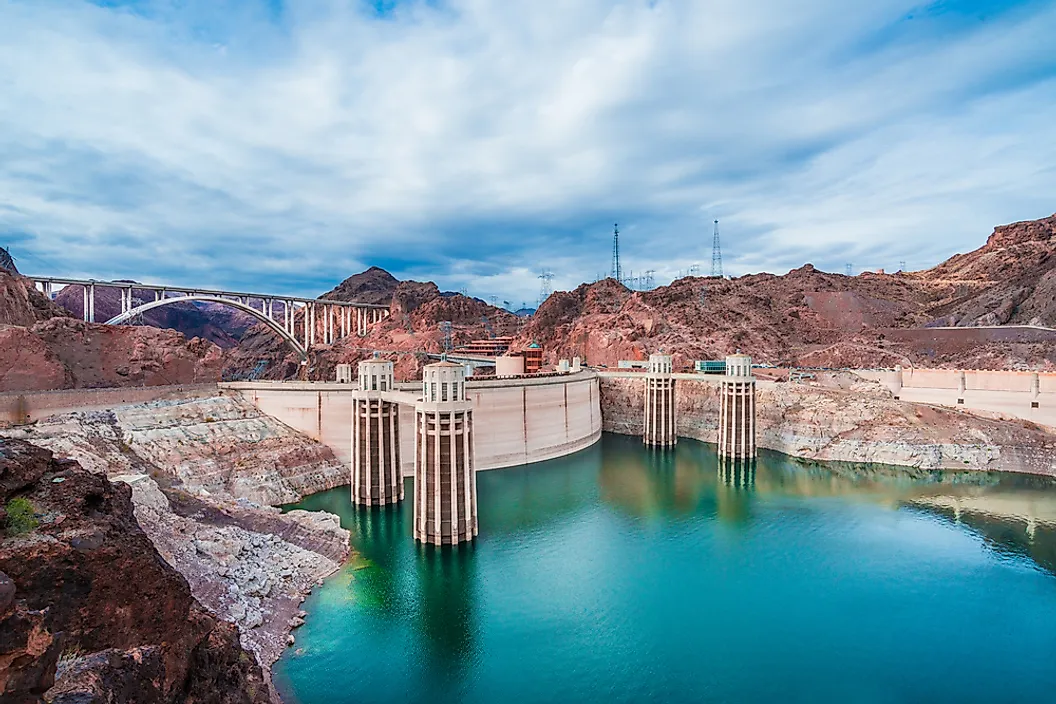
When construction started in 2008, spending 817 million dollars on a tunnel for a lake that might yet refill looked to some like expensive pessimism.
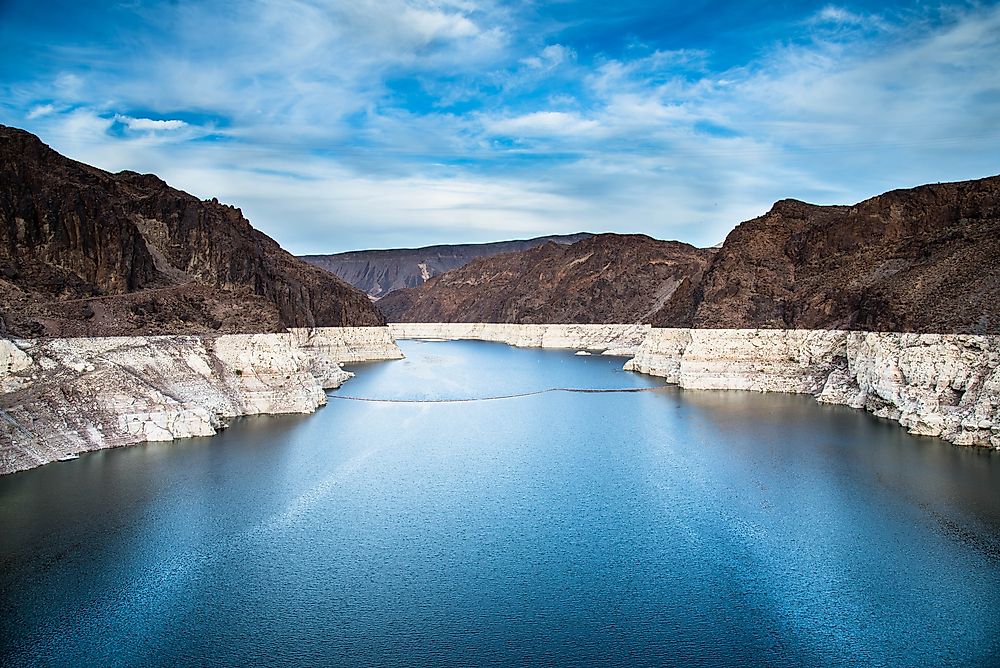
Lake Mead has since fallen well below 1,100 feet and spent years in the range where Intake No. 1 was designed to stop working. The straw that was built for a hypothetical is now the reason the question of Las Vegas running out of water is a different question from the one Phoenix and Los Angeles face.
It did not create a drop of new water. Nevada's allocation is the same as it was. What the tunnel bought was certainty about reaching it, which in a basin where everything else is negotiable turns out to be worth a great deal.