Who Actually Uses Colorado River Water
Ask most people who uses the Colorado River, and they will picture thirsty desert cities: Las Vegas fountains, Los Angeles lawns, Phoenix swimming pools. That picture is almost entirely wrong. The most thorough accounting ever made of where the river's water actually goes reveals a very different, and genuinely surprising, cast of characters. Here is who really drinks the Colorado.
It's Farms, Not Cities

The headline finding is stark: agriculture, not people, is the river's dominant user. Farms consume about 74 percent of the water that humans directly take from the Colorado, which is roughly three times as much as every city and industry combined. All those desert metropolises, home to some 40 million people, together account for less than a fifth of the river's water. The lawns and fountains of Las Vegas and its neighbors make for a dramatic story, but they are practically a rounding error next to the farms.
The Single Biggest User Is Cattle Feed

Now for the genuinely jaw-dropping part. The single largest use of Colorado River water is not a city, or even a food crop for people. It is hay. Alfalfa and other grasses grown to feed cattle soak up around 46 percent of all the water diverted from the river, which is close to a third of the Colorado's entire flow, and more than every city, business, and industry in the basin put together. Put bluntly, growing feed for beef and dairy cows is by far the thirstiest single thing the Colorado River does. The 40 million people, it turns out, use less water than the cows.
One Valley Uses More Than Two States

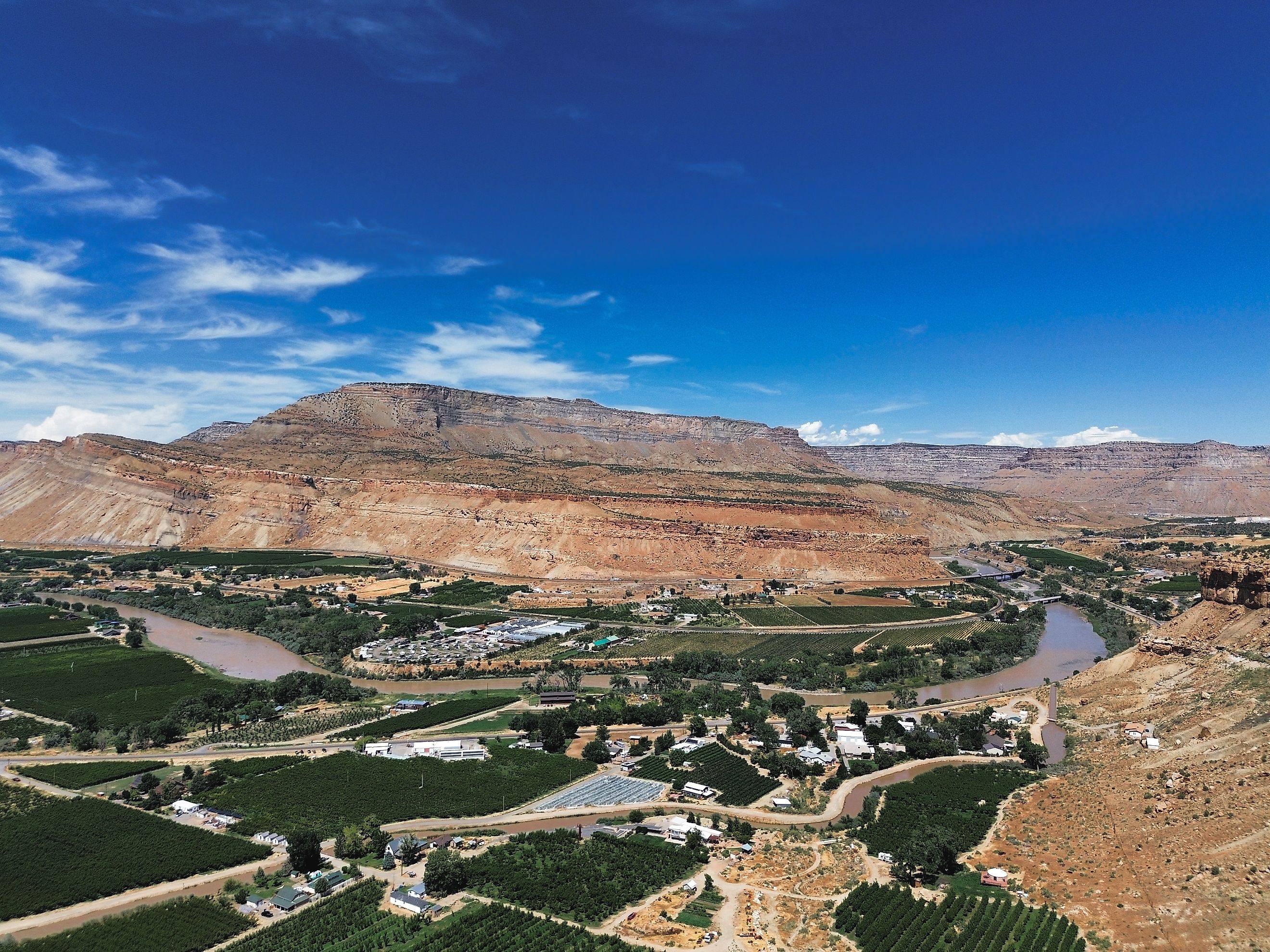
Zoom in, and one place towers over everywhere else: California's Imperial Valley. This single stretch of irrigated desert, farmed by the Imperial Irrigation District, is by far the largest user of Colorado River water anywhere. In 2022, it consumed more water than the entire states of Arizona and Nevada combined. Fed almost entirely by the river through a sprawling network of canals, this improbable farming empire has transformed a scorching, bone-dry basin into one of the most productive agricultural regions in the whole country.
It Grows Your Winter Salad

There is an upside to all this desert farming, and it ends up right on your plate. The Imperial Valley and the nearby Yuma area, both drinking deeply from the Colorado, together grow roughly two-thirds of all the vegetables Americans eat during the winter months. That January salad of lettuce, spinach, and leafy greens, harvested when almost nothing else can grow across the country, very likely got its start in a field irrigated by Colorado River water. In a real and literal sense, when you eat a winter salad, you are drinking the Colorado.
Where the Rest Goes

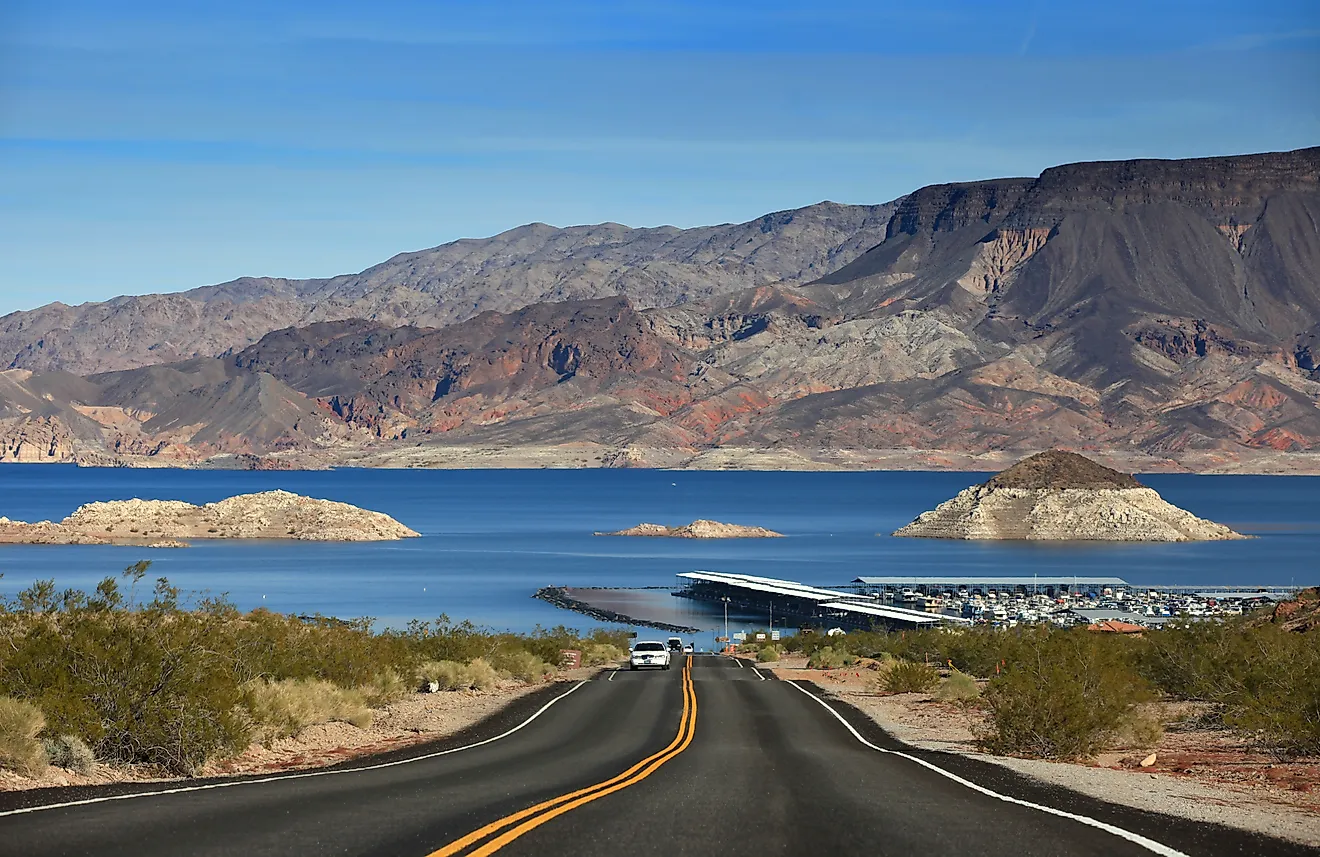
So who splits up what is left? After agriculture's dominant share, the remainder of the river is divided among cities and industry (about 18 percent), the natural vegetation and wetlands lining the river's banks (about 19 percent), and plain old evaporation off the reservoirs like Lake Mead (about 11 percent). Mexico also receives a treaty-guaranteed 1.5 million acre-feet every year. Add it all together and a hard truth emerges: the river is chronically over-promised, handing out more water in most years than actually flows through it, which is precisely why the reservoirs keep dropping and the seven states keep fighting. So next time you hear that 40 million people depend on the Colorado, remember the fuller picture. They do, but the cows, the hayfields, and one remarkable valley in the California desert are drinking far more.