Why Some Fish Can't Survive Below A Certain Depth
The ocean can look like one uniform environment, but life changes dramatically with depth. A fish that thrives near the surface may not survive more than a thousand feet down. The differences are not only about temperature, light, or food. The main obstacle is pressure. Water adds roughly one atmosphere for every 33 feet of depth, reaching about 10 times surface pressure at 300 feet and more than 600 times surface pressure at 20,000 feet.
That immense force does not crush a deep-sea fish the way you might expect. Most of a fish's body is water and other materials that barely compress. The trouble is microscopic, in the proteins, membranes, and chemical reactions that keep cells running. Fish that live at extreme depths have evolved specific ways to keep those systems working.
Under Pressure

Proteins let fish digest food, produce energy, and keep their cells working, yet extreme pressure can distort their shape and disrupt their function. Deep-sea fish counter this by carrying more trimethylamine N-oxide (TMAO), a compound that helps stabilize proteins against pressure. There is a ceiling, though. Too much TMAO makes proteins so rigid they can no longer flex and work, which is one reason bony fish appear unable to survive at the ocean's greatest depths.
This is part of why scientists pay close attention to fish found in the deepest trenches. They live near the limit of what a vertebrate body can tolerate. The Mariana snailfish, for one, carries specialized proteins and cell membranes that let it function more than 26,000 feet down.
The Swim Bladder Effect

Pressure is hardest on fish with gas-filled organs. Many species carry a swim bladder, which holds them at a given depth without constant swimming. As pressure rises with depth, the gas inside compresses, and as pressure drops, it expands. A rapid change in depth can therefore cause serious injury.
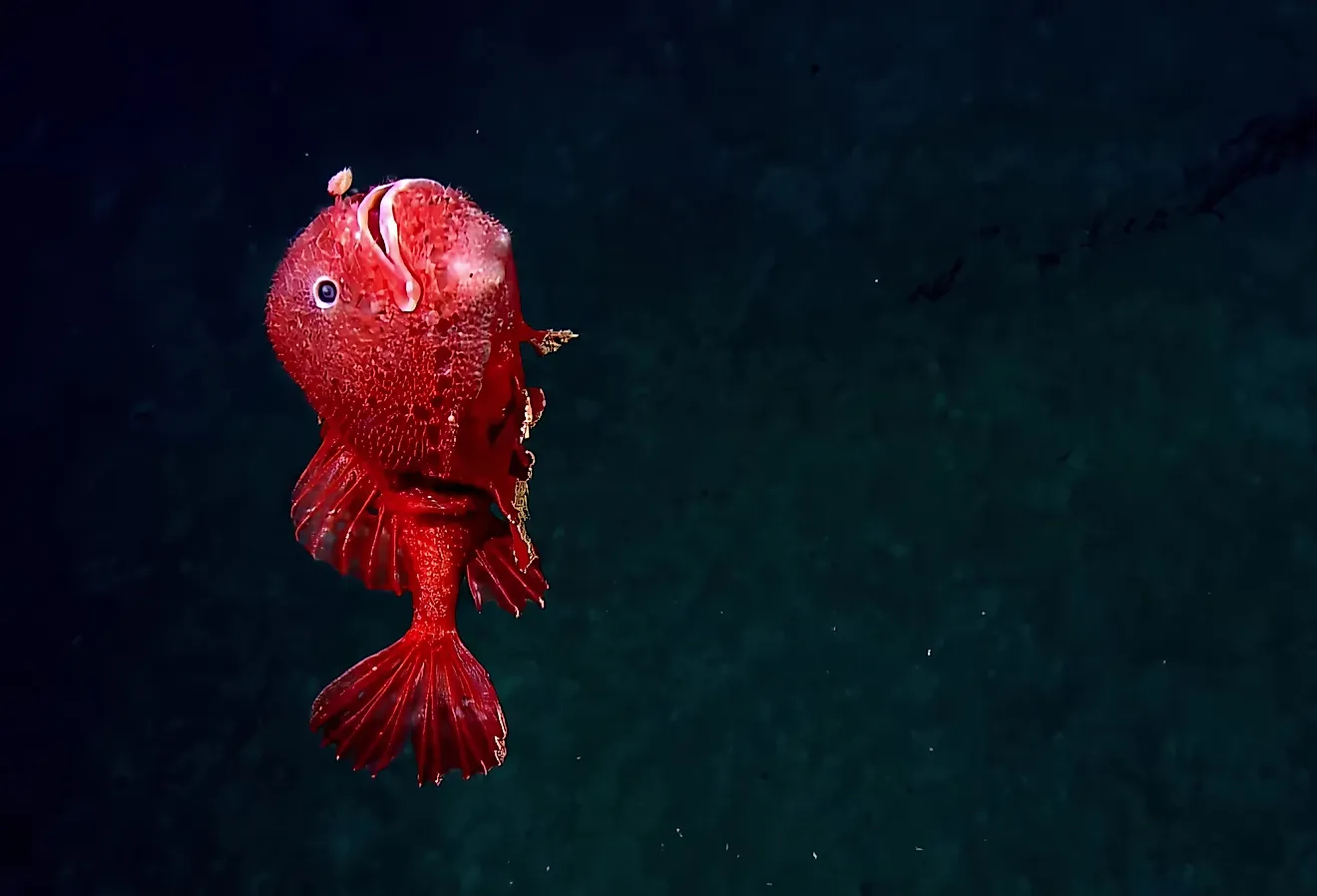
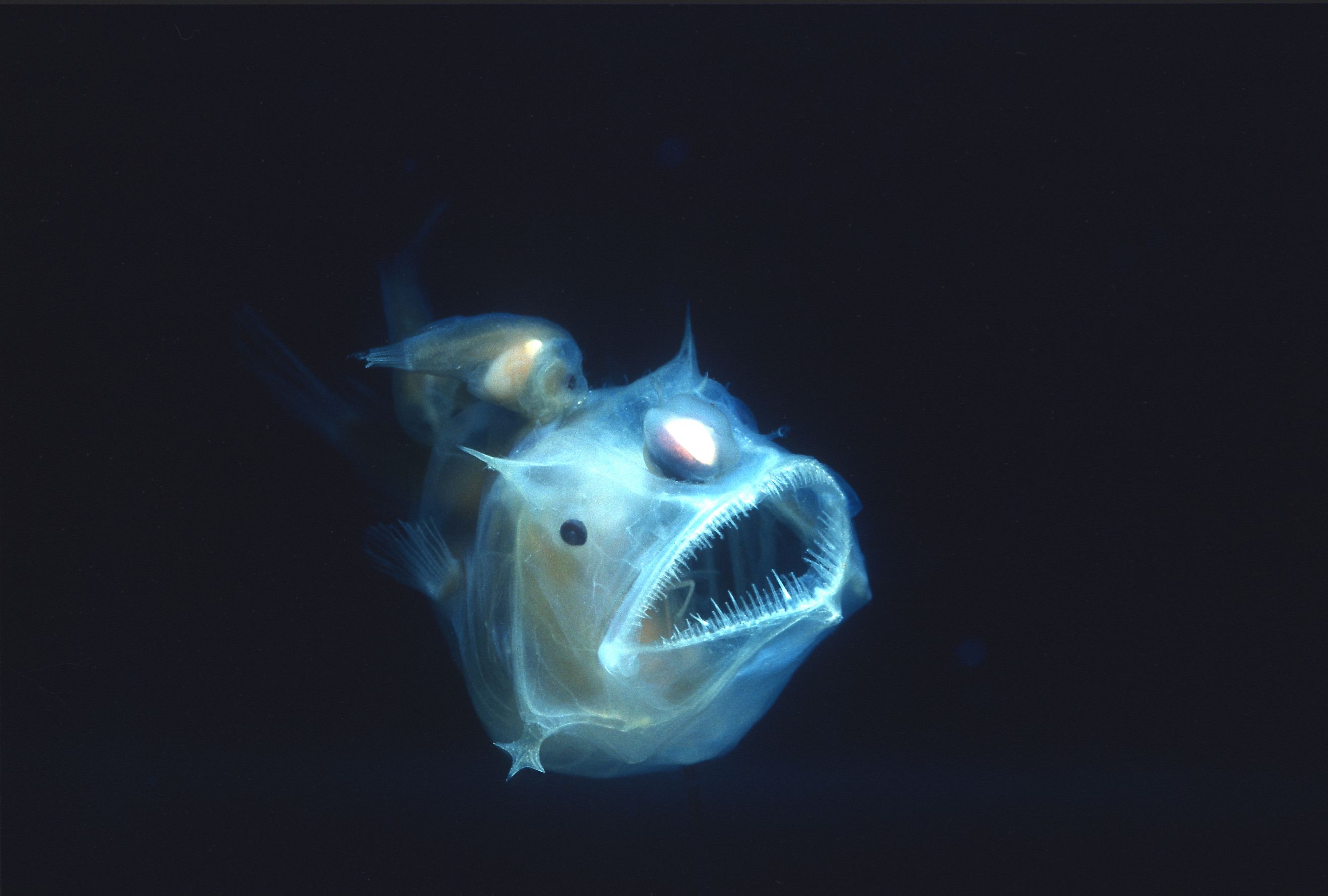
Deep-sea fish such as blobfish, snailfish, and cusk eels sidestep much of this by having little or no gas-filled space inside them. Their soft, water-rich bodies hold up far better under extreme pressure.
Deep Sea Fish Look Different

Deep-sea fish often look nothing like the fish of rivers, lakes, and coastal shallows. Many have soft, flexible bodies, fewer bones, and less rigid structures, all of which help them cope with extreme pressure. The blobfish lives at roughly 2,000 to 3,900 feet, where pressure runs more than 100 times greater than at the surface. Rather than a swim bladder or a heavy skeleton, it relies on a soft, jelly-like body suited to the weight of the deep ocean.
These traits do more than handle pressure. Deep water is almost completely dark, close to freezing, and often short on food, so fish living thousands of feet down need bodies built for a setting that has little in common with the sunlit surface.
Fish At Different Depths

Fish survive across a wide range of depths, and each species has its own tolerances. Ocean life is often sorted into zones that give a useful picture of where different fish turn up. Near the surface, species such as tuna, mackerel, sardines, anchovies, and reef fish thrive in sunlit, salty water, while freshwater fish like bass, trout, salmon, walleye, and goldfish hold up better in the low-salt water of lakes and rivers.

Deeper down, lanternfish, bristlemouths, and hatchetfish move through colder, darker water, and some travel hundreds or even thousands of feet up and down to feed. In the deepest parts of the ocean, fish such as viperfish, gulper eels, cusk eels, and snailfish carry specialized bodies that handle extreme pressure, cold, and scarce food.
The Fascinating Mariana Snailfish

The Mariana snailfish has been recorded at more than 26,000 feet, placing it among the deepest-living fish ever documented. It lives in the hadal zone of the Mariana Trench in the western Pacific near Guam, usually at depths of about 20,000 to 26,000 feet.
It looks surprisingly delicate for an animal living under such enormous weight. Its body is translucent and soft, its bones are less mineralized than those of many shallower fish, and its cells carry traits that keep it functioning in the deep. Researchers have pinpointed changes tied to protein stability and cell-membrane function as the key. Its existence makes an important point: pressure alone does not make deep water impossible for fish. The animals in the deepest trenches are not winning a contest of stronger bodies against compression. They persist because their entire biology is built for those conditions.
Life At The Limits
Depth changes everything for a fish, and not just the pressure. Temperature, darkness, food supply, buoyancy, and the way cells function all shift with it. A trout in a mountain lake, a tuna in the open ocean, and a Mariana snailfish thousands of feet below are each built for a different world. The deeper a fish lives, the more specialized its body becomes, and the closer it sits to the edge of where any fish can survive. The deepest species are not simply enduring extreme conditions. Their bodies are made for an ecosystem far removed from the one we know at the surface.