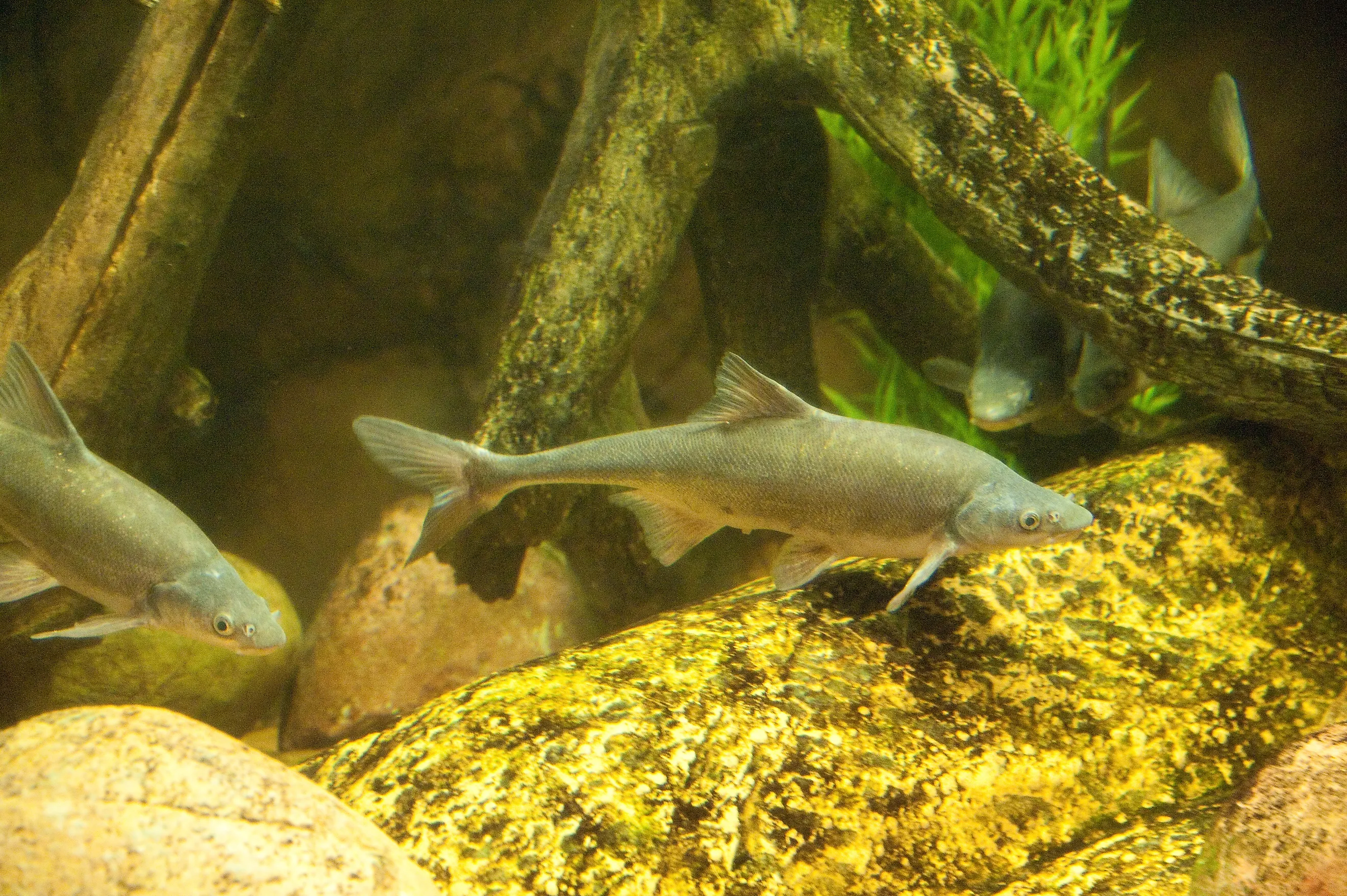
The Next Great Lakes Invader Scientists Fear Most
The Great Lakes have a long history of biological invasions that permanently changed how their ecosystems work. Sea lampreys devastated native fish populations during the twentieth century. Zebra and quagga mussels later spread across lake bottoms, stripping plankton from the water and redirecting nutrients toward the shoreline and lake floor. Round gobies became so widespread that many native predators now eat them.
More than 180 non-native aquatic species have been recorded in the Great Lakes basin. One notorious invader, however, has so far been kept from establishing a reproducing population in the lakes themselves: the silver carp.
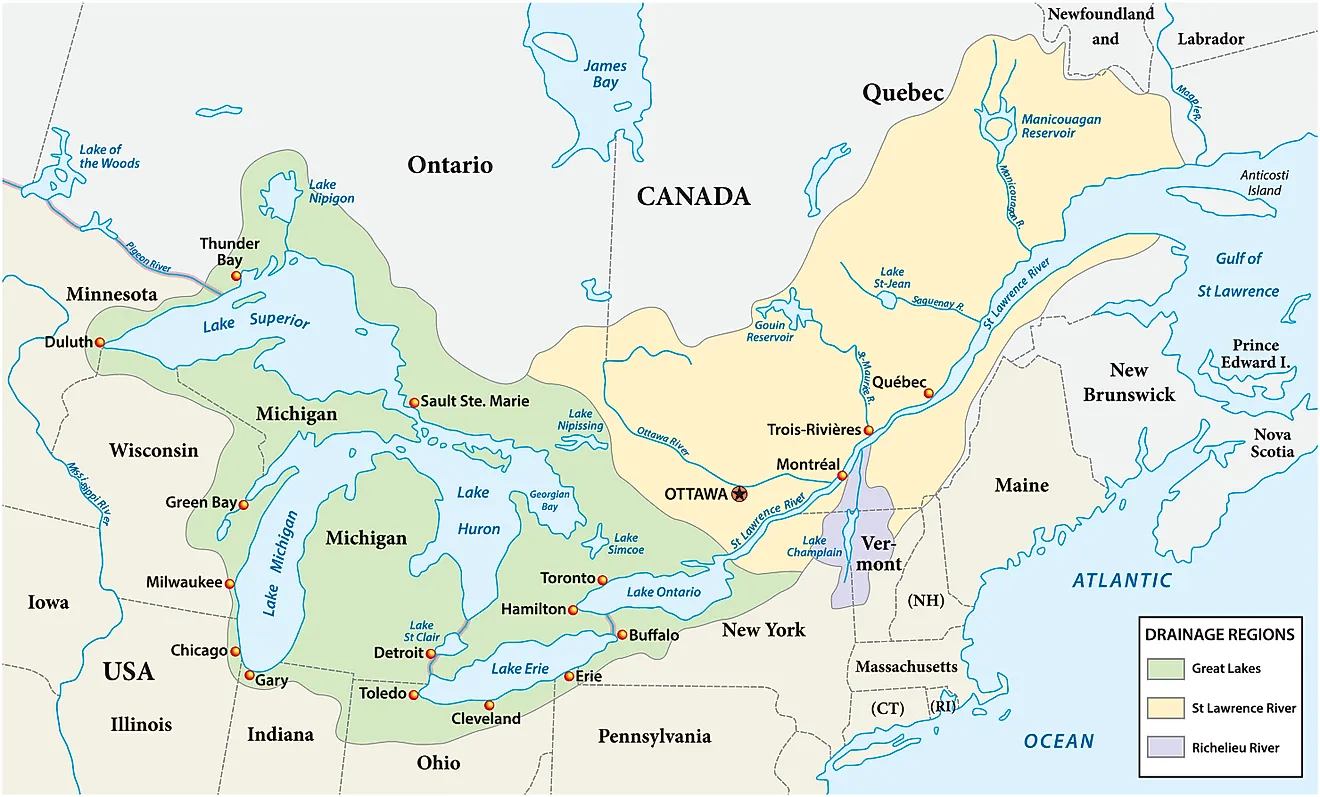
The danger is serious enough that the federal government's 2026 Invasive Carp Action Plan describes silver carp in the Illinois Waterway as the invasive carp population that currently poses the greatest threat to the Great Lakes. The concern comes from geography as much as biology. Silver carp already occupy waterways connected to Lake Michigan, and managers are trying to prevent the fish from crossing the remaining stretch between their established population and the lake.
Why Silver Carp Are So Disruptive

Silver carp were brought to the United States in the 1970s for use in aquaculture and water-treatment facilities, where their ability to consume algae made them useful. Escapes eventually placed them in natural waterways connected to the Mississippi River basin. Once established, the fish spread widely through rivers where suitable habitat and food were available.
Their feeding behavior makes them particularly troublesome. Silver carp are large fish that can exceed 60 pounds, yet much of their food is microscopic. They filter phytoplankton and zooplankton from the water using specialized structures called gill rakers. These organisms sit near the base of aquatic food webs. Young native fish depend heavily on zooplankton, while other species rely on the same food directly or indirectly. A dense population of silver carp can therefore compete with native animals long before predators become large enough to eat the carp themselves.
Evidence from invaded rivers suggests that this competition can have measurable consequences. Research on the Upper Mississippi River System found a negative relationship between silver carp abundance and adult native sport-fish abundance. The researchers identified competition for zooplankton during early life stages as a likely mechanism. That matters for the Great Lakes because many valuable native and recreational fish species begin life feeding on the same limited food supply.
Lake Michigan May Be More Suitable Than Once Hoped

For years, one possible source of reassurance was the low productivity of much of Lake Michigan. Compared with many rivers and reservoirs where silver carp flourish, large portions of the lake contain relatively little plankton. Researchers therefore examined whether the fish could actually obtain enough energy to survive if they reached open Great Lakes water.
USGS modeling found that the answer is more troubling than a simple yes or no. Huge areas of Lake Michigan may be poor silver carp habitat, but the entire lake does not have to support them. River mouths, productive nearshore zones and other areas with higher concentrations of algae could provide enough food for survival and growth. Those pockets of favorable habitat could act as refuges for an invading population.
Lake Erie raises even greater concern because it is generally more productive. Research has concluded that both silver carp and bighead carp could encounter sufficient food there. The central question is therefore whether enough fish could enter the Great Lakes, find suitable habitat and reproduce successfully. Once a self-sustaining population formed, removal would become far more difficult than preventing the invasion in the first place.
The Population Front Is About 47 Miles From Lake Michigan

The key invasion route runs through Illinois. The Illinois Waterway links the Mississippi River basin with waterways around Chicago that eventually connect to Lake Michigan. According to the 2026 federal action plan, the adult silver carp population front remains in Dresden Island Pool, roughly 47 river miles from Lake Michigan and two lock structures away.
That distance sounds alarmingly short, although the recent history offers some reassurance. The established population front has remained in approximately the same location for more than a decade. Managers have occasionally detected individual fish farther upstream, but they have not found evidence of silver carp reproduction above Dresden Island Pool.
A dead silver carp found farther upstream in 2024 led agencies to increase sampling in the area. Follow-up work did not reveal a hidden population nearby. Intensive sampling in the Chicago Area Waterway System during May 2026 also found no silver or bighead carp. Those results suggest that prevention efforts are holding, but they do not remove the underlying risk. A large reproducing population remains downstream, continuously creating opportunities for individual fish to move toward the lake.
Silver Carp Can Also Make Boating Dangerous

Most Great Lakes invaders cause their worst damage underwater. Silver carp add a much more visible problem. They are famous for leaping into the air when startled by boat motors and other disturbances. USGS reports that they can jump as high as 10 feet above the water.
That behavior has made some heavily invaded rivers hazardous for recreational boaters. Large carp can strike passengers, damage equipment or land inside boats. A fish weighing several dozen pounds becomes a serious object when it leaves the water in front of a moving vessel. An invasion could consequently affect how people use sections of the Great Lakes and their connecting waterways even before ecological damage became obvious.
The economic exposure is considerable. The federal invasive carp program places the annual value of the Great Lakes commercial and recreational fishery at nearly $5.1 billion. The U.S. Army Corps of Engineers describes the region's fishing and boating industries as being worth around $20 billion. Changes that reduce desirable fish populations or make waterways less appealing for recreation could carry costs well beyond fisheries management.
A Billion-Dollar Choke Point Near Chicago

Federal and state agencies are spending heavily because silver carp would become exceptionally difficult to eradicate after establishment. The main line of defense is being developed at Brandon Road Lock and Dam near Joliet, Illinois, a strategic point between the established carp population and Lake Michigan.
The Brandon Road Interbasin Project has an estimated cost of about $1.15 billion. Its design uses several deterrent systems at the same location because no single technology is considered dependable enough on its own. Plans include an electric deterrent, underwater acoustic equipment, a bubble curtain, systems intended to prevent fish from moving alongside commercial barges and modifications that can flush fish away from the lock area. An electric barrier system has already operated farther upstream near Romeoville for more than two decades.
Agencies are also attacking the population before fish reach the barriers. Commercial removal has become a major part of Illinois River management. More than 7 million pounds of invasive carp were removed from the Illinois River during 2025, according to the federal partnership coordinating the response. Removing fish downstream reduces population density and, in theory, lowers the pressure on the invasion front.
Why Silver Carp Stand Out Among Several Carp Threats

Silver carp are not the only invasive carp species worrying Great Lakes managers. Bighead carp occupy much of the same river system and also consume plankton. Black carp eat mollusks and are spreading through parts of the Mississippi basin. Grass carp present a different problem because individual fish have already appeared in most of the Great Lakes, and natural reproduction has been documented in tributaries of Lake Erie.
Silver carp still stand out because their large established population sits along a direct aquatic pathway toward Lake Michigan. Their ability to compete for plankton has already been demonstrated in invaded river systems, while Great Lakes research shows that potentially suitable feeding habitat exists. Their explosive jumping behavior adds an unusual recreational hazard that species such as mussels and gobies do not create.
Whether the Defenses Hold
Calling silver carp the next Great Lakes invader does not mean their arrival is inevitable. The most important fact in the current data is that managers have held the established population front in roughly the same area for years. No reproducing population has been found near Lake Michigan, extensive surveillance continues, and the Brandon Road project is intended to strengthen the final major choke point between the carp and the lake.
The situation is unusual in the history of Great Lakes invasions. Zebra mussels, quagga mussels and round gobies were already spreading rapidly by the time their full ecological consequences became clear. With silver carp, agencies know where the main source population is, understand much of the route it could use and have identified the area where prevention may still work. Whether those defenses succeed could determine if silver carp remain a threat outside the Great Lakes or become the basin's next transformative invader.