The Lakes Where Kokanee Salmon Grow Largest
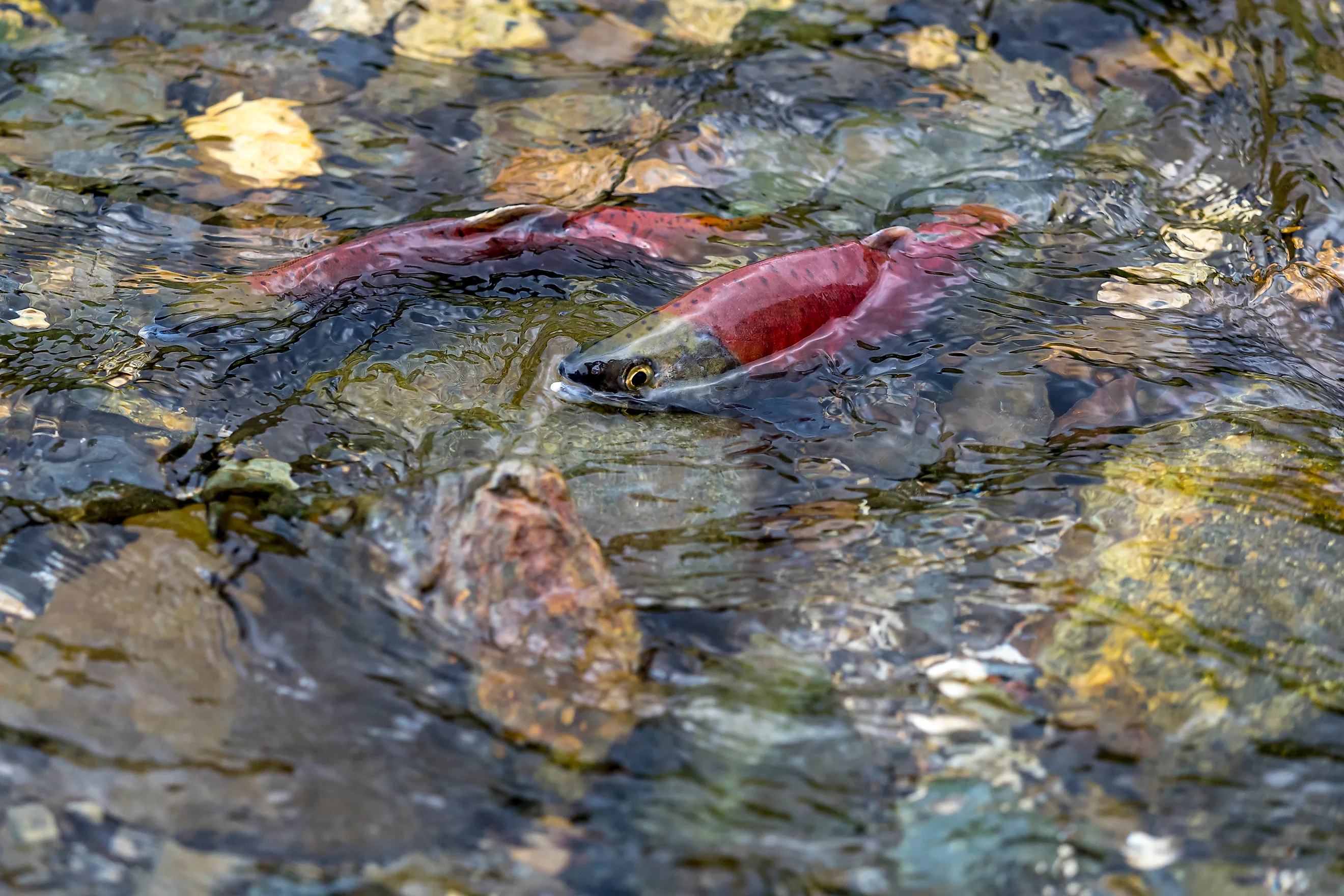
Most kokanee salmon never top a single pound. These landlocked sockeye feed deep and stay pan-sized in almost every lake they swim in. Then the conditions line up in a handful of Western lakes and reservoirs. Cold water, endless zooplankton, and almost no predators send these fish into overdrive. They balloon into flame-red giants that can push past 9 pounds. Here are the lakes where kokanee grow the largest.
Flaming Gorge Reservoir

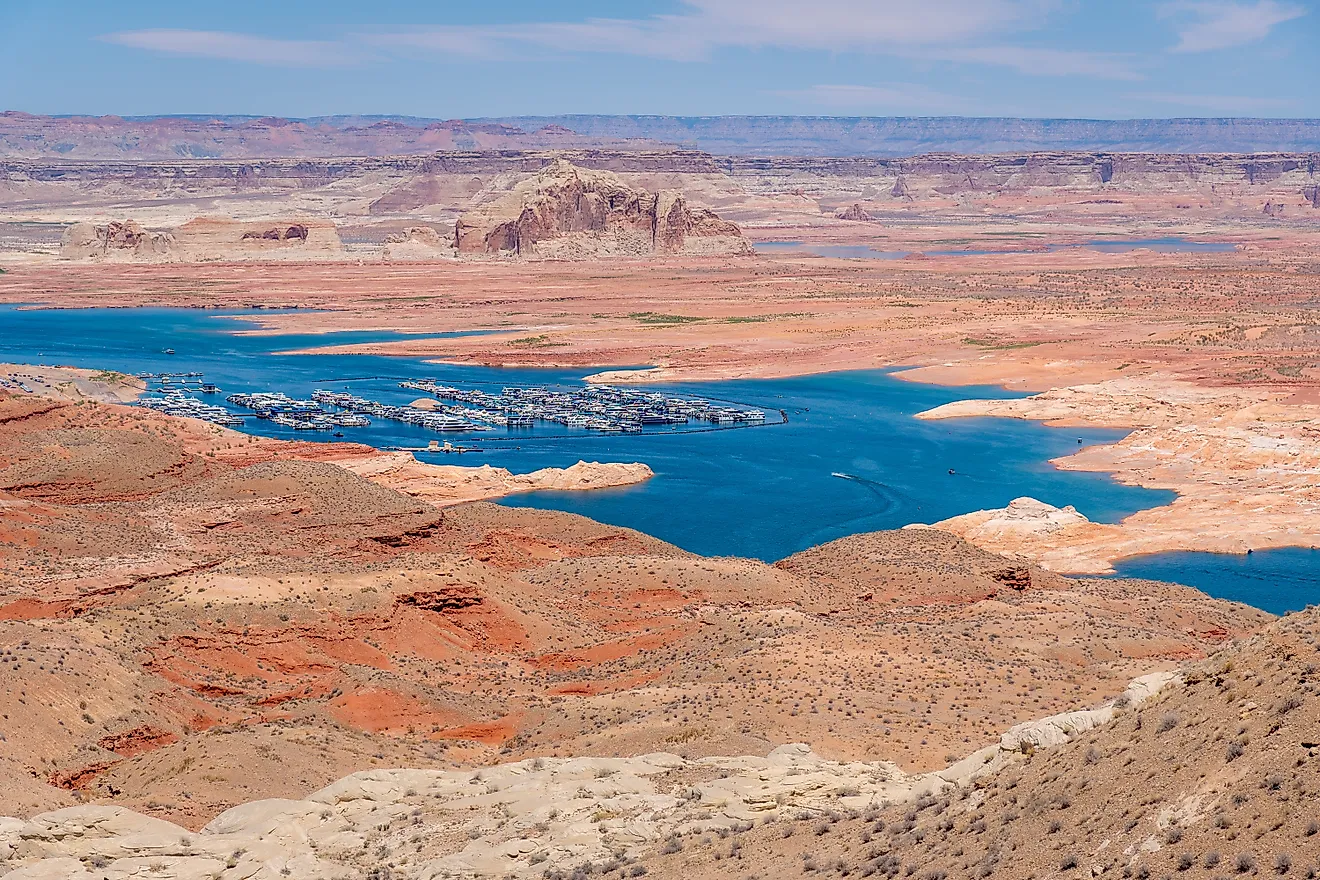
Created in 1964 when the Flaming Gorge Dam was built on the Green River, Flaming Gorge Reservoir is the largest reservoir in the state of Wyoming, although it reaches into Utah as well. At 91 miles long inside a canyon, it is known among anglers for its trophy-sized fish of many different species, including brown trout and kokanee salmon.
For kokanee salmon, Flaming Gorge Reservoir broke Wyoming's records when Colorado angler George Sharman caught a 6.31-pound kokanee that measured 25.25 inches long. The previous state record was also caught here in 2009, just under an ounce lighter than Sharman's fish.
The reservoir now has too many small lake trout, which compete with kokanee for food. To keep kokanee populations steady, Wyoming authorities recommend catching and removing smaller lake trout.
Lake Tahoe

The freshwater Lake Tahoe sits on the border of California and Nevada in the Sierra Nevada at 6,225 feet above sea level. At more than 122,000 acres, it is the largest alpine lake in North America and the second-deepest lake in the United States, with a maximum depth of 1,645 feet. Kokanee salmon were first introduced to this deep lake in the 1940s, stocked in the stream at Taylor Creek.
Today, anglers come to the southern shore of Lake Tahoe, where it connects with Taylor Creek near Baldwin Beach, to catch kokanee salmon, especially in October, when the fish begin their fall spawning run and turn a bright red color to attract mates. All of the biggest kokanee were caught on this southern side of the lake, the most recent record being 5 pounds, 2 ounces in 2013, breaking the former mark of 4 pounds, 13 ounces.
When weighing kokanee salmon, it is crucial to weigh them as soon as possible, as they start to lose weight once removed from the water.
Lake Berryessa

Lake Berryessa lies in California, well inland in the Vaca Mountains. It was created by the Monticello Dam on Putah Creek and supplies water and hydropower to the San Francisco Bay Area. With 20,700 acres and a 160-mile shoreline, it pulls anglers from across the Bay Area after its stocked kokanee salmon.
Kokanee salmon are stocked here in large numbers, and they grow up to 18 inches and 2 pounds in weight. Most anglers come during the spring to catch these larger fish, as they increase in numbers and hold around 10 to 30 feet below the surface.
Kokanee grow larger in this lake thanks to the smaller numbers of other stocked fish that would normally compete with them for resources.
Lake Roosevelt

Lake Roosevelt was created in 1941 by the Grand Coulee Dam on the Columbia River in Washington. It is named after Franklin D. Roosevelt, the longest-serving president in US history. The reservoir stretches 150 miles and has more than 600 miles of shoreline, and anglers find big kokanee along it no matter the season.
This lake currently holds the state record for kokanee salmon, the largest being 6.25 pounds caught in 2003. Anglers today still report chasing down large kokanee, some close to 4 pounds and measuring more than 22 inches long. Kokanee can go up to 200 feet deep in the lake, while in colder months they come closer to the surface. Their depth depends on the availability of food.
Lake Washington

Lake Washington is a highly urban lake, set right beside the city of Seattle, Washington. At about 21,500 acres, it is the second-largest lake in the state, measuring 22 miles long and 108 feet deep on average. Although the lake is more often defined by water skiing and bass fishing, it also holds kokanee salmon.
The kokanee fishery is open all year on Lake Washington, but October is one of the best times to catch them, as they begin to spawn. Kokanee here regularly reach 16 to 18 inches in length. They grow larger thanks to the size of the lake, which lets them spread out and feed on zooplankton. To catch them, though, most anglers have to troll out on the water rather than fish from the shore.
Wallowa Lake

Wallowa Lake is a narrow lake in northeastern Oregon. At 4,372 feet above sea level, this alpine lake has been a mountain retreat since the 1880s. What sets it apart for kokanee salmon is how many records anglers have set here.
Between 2001 and 2010, anglers landed 6.7-pound, 7.1-pound, and 7.5-pound fish. On June 13, 2010, Ron Campbell caught the largest kokanee salmon in the world, a 27.75-inch-long, 9.67-pound fish. That record has yet to be broken as of September 2026. The kokanee here rely on large numbers of zooplankton, and their size is directly tied to how much of it is available. Lake trout do live in the lake and prey on kokanee, but there are not enough of them to pose a real threat or to keep the kokanee from reaching trophy sizes.
Priest Lake

Priest Lake is a lesser-known lake in the Idaho panhandle, just 15 miles south of the border with Canada. This natural freshwater lake is the source of Idaho's record kokanee, a 24.5-inch, 6.59-pound fish that Jerry Verge caught in 1975.
Kokanee numbers have varied in the lake since they were first introduced in the 1940s. Wildlife authorities closed the kokanee fishery for a few years because of a declining population, then reopened it in 2011. The lake's main predator, lake trout, feed mostly on mysis shrimp, which lets the smaller numbers of kokanee grow large. State officials put the average kokanee here at more than 14 inches long.
A challenging fish to catch
Because of their feeding habits, kokanee can be difficult to catch no matter their numbers or size. While trolling for them, some anglers add sweet flavors that draw the salmon in, such as shoepeg corn and cured shrimp, since kokanee do not usually take traditional baits.
Anglers also have to keep local rules in mind, since it is illegal in some states to keep kokanee salmon during certain months. In Utah, for example, all anglers must release kokanee caught between September 10 and November 30, and the same policy applies at Flaming Gorge Reservoir. Following these rules matters, because it keeps the kokanee population healthy so trophy-sized fish can keep growing.