The State Parks With The Best Fall Salmon Runs
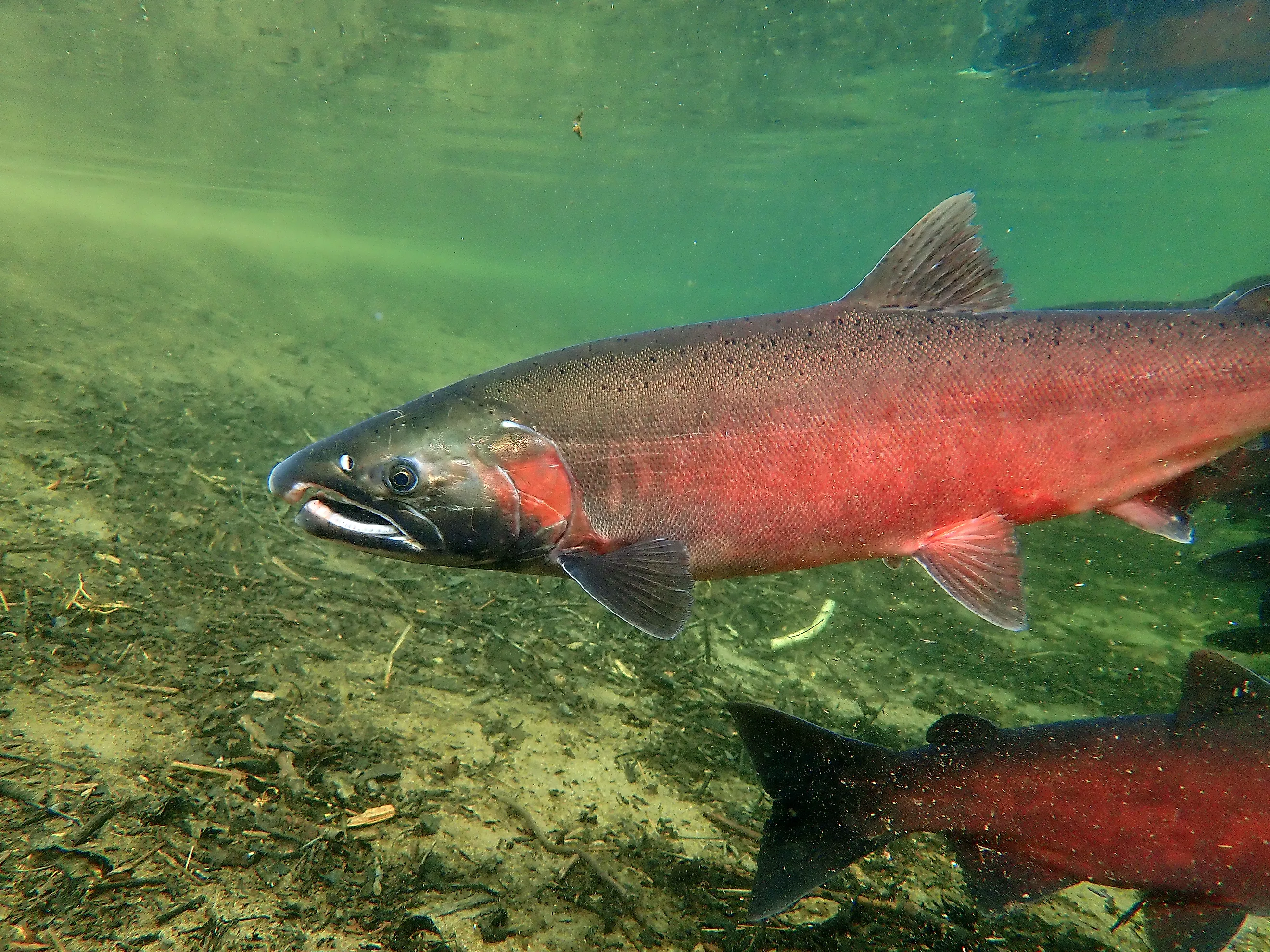
Every fall the salmon turn a handful of American rivers to churning silver. Chinook, coho, and sockeye leave open water and thrash their way back upstream to spawn. It is the last trip these fish ever make. Six state parks put you close enough to watch the whole struggle play out. You can stand at a boardwalk railing while fish stack tail to tail below. This guide runs from the Pacific Coast eastward through the parks where the run is strong and easy to see.
Lake Sammamish State Park, Washington

Lake Sammamish State Park, just east of Seattle in Issaquah, surrounds the mouth of Issaquah Creek where it enters the southern end of the lake. Chinook, coho, and sockeye salmon push up the creek from mid-September through mid-October, with the heaviest numbers typically showing in early October. The fish are towing themselves toward the Issaquah Salmon Hatchery upstream. Along the way, they're visible from the boardwalk in numbers that can look almost implausible on a good day: dozens of silver-scaled shapes stacked tail to tail in a single shallow pool. The run coincides with the city of Issaquah's long-running Salmon Days Festival, which draws crowds specifically for the spectacle, so a weekday visit is a better bet for anyone who wants a quieter view. A Discover Pass is required for vehicle parking. The park borders the southern end of Lake Sammamish itself, with additional trails, picnic areas, and swimming beaches for visitors who want to make a full day of it. The creek habitat has also been the subject of a major restoration project in recent years, aimed at giving young salmon more resting and rearing space before they head out to the Pacific Ocean.
Valley of the Rogue State Park, Oregon
Southern Oregon's Rogue River carries one of the most productive fall Chinook runs on the West Coast. Valley of the Rogue State Park, near Gold Hill between Grants Pass and Medford, sits directly on the riverbank with a campground built around it. The fall Chinook run typically begins in late August or early September. It continues through October, with the biggest fish, some of which top 40 pounds. October and November generally offer the best opportunity to see spawning fish on the shallow gravel bars near the park. Coho salmon follow in smaller numbers, showing up from late August through November. The park itself is more of a basecamp than a viewing platform: anglers wade the riverbank directly below the campground, and paddlers frequently put in here for float trips downstream toward Grants Pass. For those who want a dedicated viewing opportunity rather than a fishing spot, guided salmon walks are held periodically upstream along tributaries like Bear Creek, where fish can be seen in water shallow enough to expose their backs. The Rogue River valley's volcanic canyon walls and old-growth stands along the water provide a scenic backdrop for wildlife watching, and the state park's proximity to the Rogue Valley makes it an easy stop for a day trip or an overnight stay.
Humboldt Redwoods State Park, California

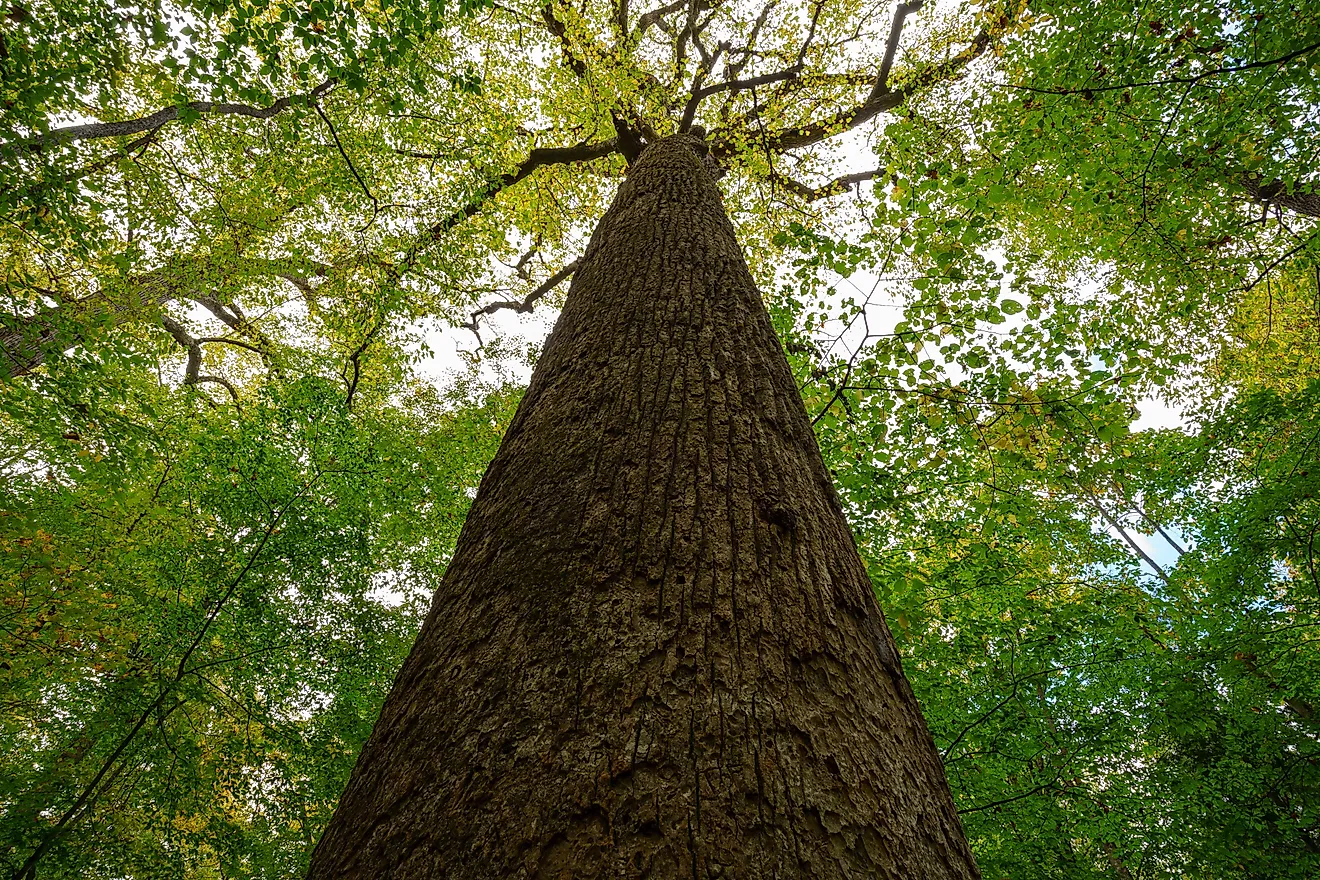
Humboldt Redwoods State Park is home to Rockefeller Forest, the largest remaining contiguous old-growth coast redwood forest in the world. While it isn't primarily known as a fishing destination, the Eel River supports a significant fall Chinook salmon run. Fish enter the river as early as August, holding in deeper pools until fall rains raise water levels enough to let them move upstream. The run peaks in late October. Coho salmon and steelhead are also present in the park's watershed, though both are federally protected, and fishing for them is prohibited. The park does allow catch-and-release fishing for Chinook only, but fishing is not the main draw. The bigger appeal is the setting: a satisfying drive through redwood groves on the 32-mile Avenue of the Giants in October, with salmon working upstream underneath towering, fog-laced trees. It is a very different kind of salmon-viewing experience than the boardwalks and viewing platforms found further north. River otters are a common sight along the banks during the same season, drawn by the same fish but for different purposes. Sightings of both are a bonus, not a guarantee. This isn't a managed viewing site with a platform or interpretive signage, just a wild river running through one of the most scenic stretches of park in the state.
Ludington State Park, Michigan

Wedged between Lake Michigan and Hamlin Lake on Michigan's western shore, Ludington State Park is crossed by a one-mile stretch of the Big Sable River that becomes one of the state's most reliable salmon-viewing spots every fall. As Chinook and coho move inland from Lake Michigan, they travel up the Big Sable River until reaching Hamlin Dam, concentrating fish in the stretch below it. The highly accessible Sable River Boardwalk puts spectators and anglers at eye level with the action. The run typically builds through September and peaks in October, overlapping with the park's fall foliage season, which reaches its peak in mid-to-late October. Anglers take note: special fishing regulations restricting hook type and size apply on this stretch of river from August 1 through November 1 to protect the run; check current Michigan DNR rules before casting. The park is home to the 112-foot Big Sable Point Lighthouse, reachable via a 1.8-mile sand-and-gravel path, and it spreads across roughly 4,800 acres of dunes, forest, and shoreline along both Lake Michigan and Hamlin Lake. Fall is widely considered the park's best all-around season: crowds thin out sharply after Labor Day, and cooler temperatures make the walk to the lighthouse considerably more comfortable than during the heat of summer.
Gooseberry Falls State Park, Minnesota

On Minnesota's North Shore of Lake Superior, Gooseberry Falls State Park is best known for the tiered waterfalls of the Gooseberry River. Still, this same river also carries a fall run of Chinook and coho salmon. The species was originally artificially introduced to the Great Lakes and is now self-sustaining in many North Shore tributaries. The run builds through September, continuing into November as water temperatures drop and larger fish move in from the lake to stage near river mouths before pushing upstream. A short, fishable stretch of the Gooseberry River below the falls offers a fine viewing opportunity. However, it's a smaller and less dramatic show than some of the region's larger streams, such as the nearby Knife River. What the park lacks in fish volume, it makes up for in scenery: the Upper, Middle, and Lower Falls drop through a rocky gorge formed by ancient lava flows, and the stonework throughout the park, including the retaining walls and buildings, dates to Civilian Conservation Corps crews in the 1930s. Minnesota's most-visited state park draws more than 760,000 people a year. The fall salmon run overlaps with some of the best autumn color on the North Shore. That makes late September and early October a particularly good window for a visit.
Selkirk Shores State Park, New York
Where the Salmon River empties into Lake Ontario near Pulaski, Selkirk Shores State Park sits at the doorstep of one of the most famous salmon fisheries in the eastern United States. Chinook and coho salmon, both introduced to the Great Lakes decades ago, tail into the river by the tens of thousands every fall, with the run typically building through September and continuing into November. The park itself borders the river's estuary, where small boats can be launched. Grindstone Creek runs along its southern edge, offering a quieter, smaller-scale alternative to the main river for anyone who wants to watch fish without the crowds that gather closer to Pulaski. The stretch of river just upstream from the park is regarded as one of the best salmon fisheries on the continent, and it draws anglers from well beyond New York State every fall. Selkirk Shores adds roughly 10 miles of hiking and biking trails, sandy bluffs overlooking Lake Ontario, and a reputation as a strong spot for fall bird migration, since the park sits directly on a major flyway. Campsites and cabins overlook the lake, making it a practical base for a multi-day fall trip built around the run.
Plan A Fall Trip Around The Run
Salmon runs are wild, weather-dependent events, not scheduled attractions, so timing a visit around one always involves some guesswork. Rain is often what sets the hook: a dry fall can hold fish in staging pools near river mouths for weeks, while a good storm can trigger a rush of fish upstream within a day or two. Calling ahead to a park office, or checking a state wildlife agency's fishing report, is the most reliable way to time a visit around peak numbers rather than the tail end of a run. Whichever of these parks makes the trip, the payoff is the same: a close-up look at one of the most demanding migrations any animal makes.