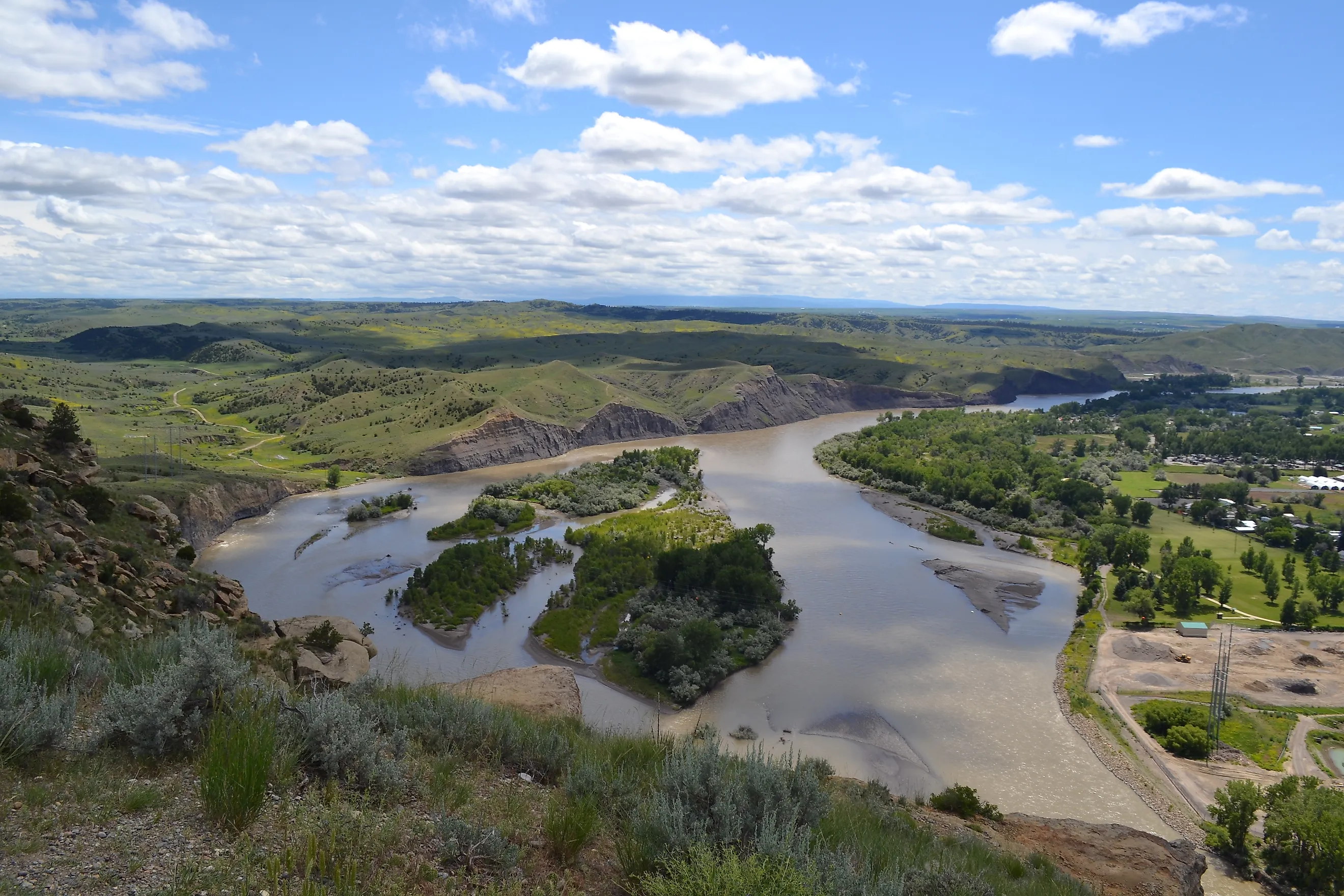
The Last River Still Running Wild Through A Major City
The Yellowstone runs 692 miles from the Absaroka Range to the Missouri without a single impoundment dam, which makes it the longest free-flowing river in the lower 48 states, and roughly halfway along it passes straight through Billings, Montana. That is the answer, with one caveat worth stating immediately: Billings has about 120,000 people, and calling it a major city requires some generosity. The caveat is also the point. No genuinely large American city has a wild river running through it, because cities and wild rivers are close to mutually exclusive, and the Yellowstone is the last place in the country where the two still overlap at any meaningful scale. Here is what that actually means, and why nowhere bigger qualifies.
What Free-Flowing Actually Means
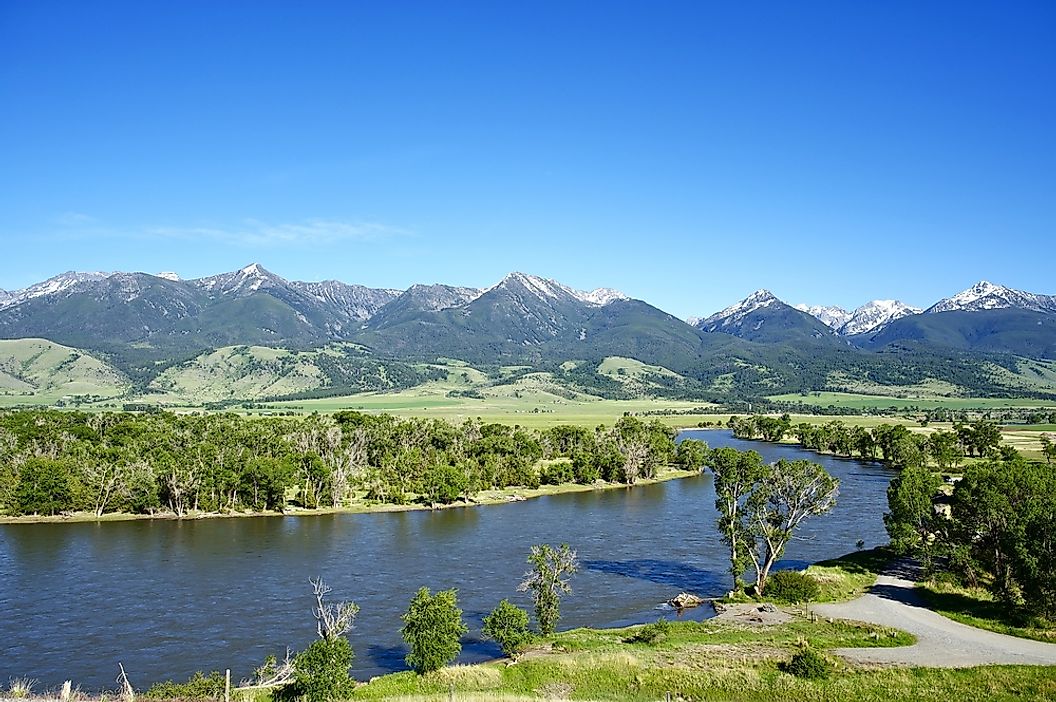
The claim needs some precision, because the Yellowstone is not entirely free of structures. There are no dams on the mainstem in the sense that matters, meaning nothing impounds a reservoir, blocks the flood pulse or stops the river moving sediment. What the river does carry is six low-head diversion dams that feed irrigation canals, at Huntley, Waco, Ranchers Ditch, Yellowstone Canal, Cartersville and Intake.
Those are weirs rather than barriers. The river flows over them, the seasonal flood still arrives, and fish can move past. That is the distinction between a dammed river and a free-flowing one, and it is why the Yellowstone keeps the title despite having hardware in it.
A River That Still Floods
The practical consequence of having no impoundment is that the Yellowstone still does what rivers used to do, which is behave unpredictably.
It carries a genuine spring flood pulse from snowmelt, moves gravel and builds new bars, abandons channels and cuts new ones, and tears out riverbank when it feels like it. A dammed river has its flood peak shaved off and its sediment trapped behind concrete, and over decades its channel stops moving.
Billings therefore sits beside a river with an active floodplain rather than a managed canal, which is a genuinely unusual arrangement for an American city of any size.
It Was Nearly Dammed In The 1970s

The reason the Yellowstone is still wild comes down to one fight that could easily have gone the other way. A dam was proposed at Allenspur Canyon that would have flooded Paradise Valley, the stretch of the river between Yellowstone National Park and Livingston. Conservationists and recreation interests organized against it through the 1970s and defeated it, an outcome still described as one of the largest environmental victories in Montana's history.
Montana then did something more durable than winning one argument. The state reserved a substantial volume of water to remain instream, legally protecting the flow itself rather than just blocking a single project.
The Watershed Is Enormous
The Yellowstone drains roughly 70,000 square miles, a larger area than all six New England states put together.
That is an unusual amount of country draining through an unregulated channel. On most American rivers of that scale, the water passes through a series of reservoirs that smooth the flow, store it for summer and release it on a schedule. Here it simply arrives.
Billings Is The Largest City On It
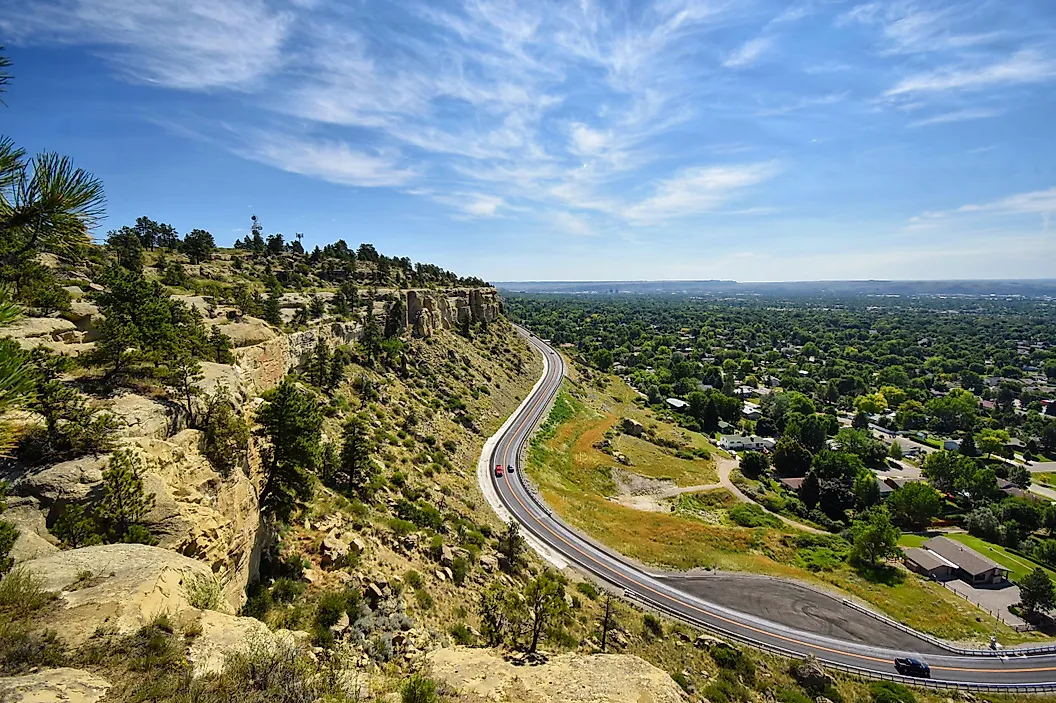
Montana's biggest city sits on the river several hundred miles downstream of Yellowstone National Park, and the relationship is closer than most city and river pairings manage.
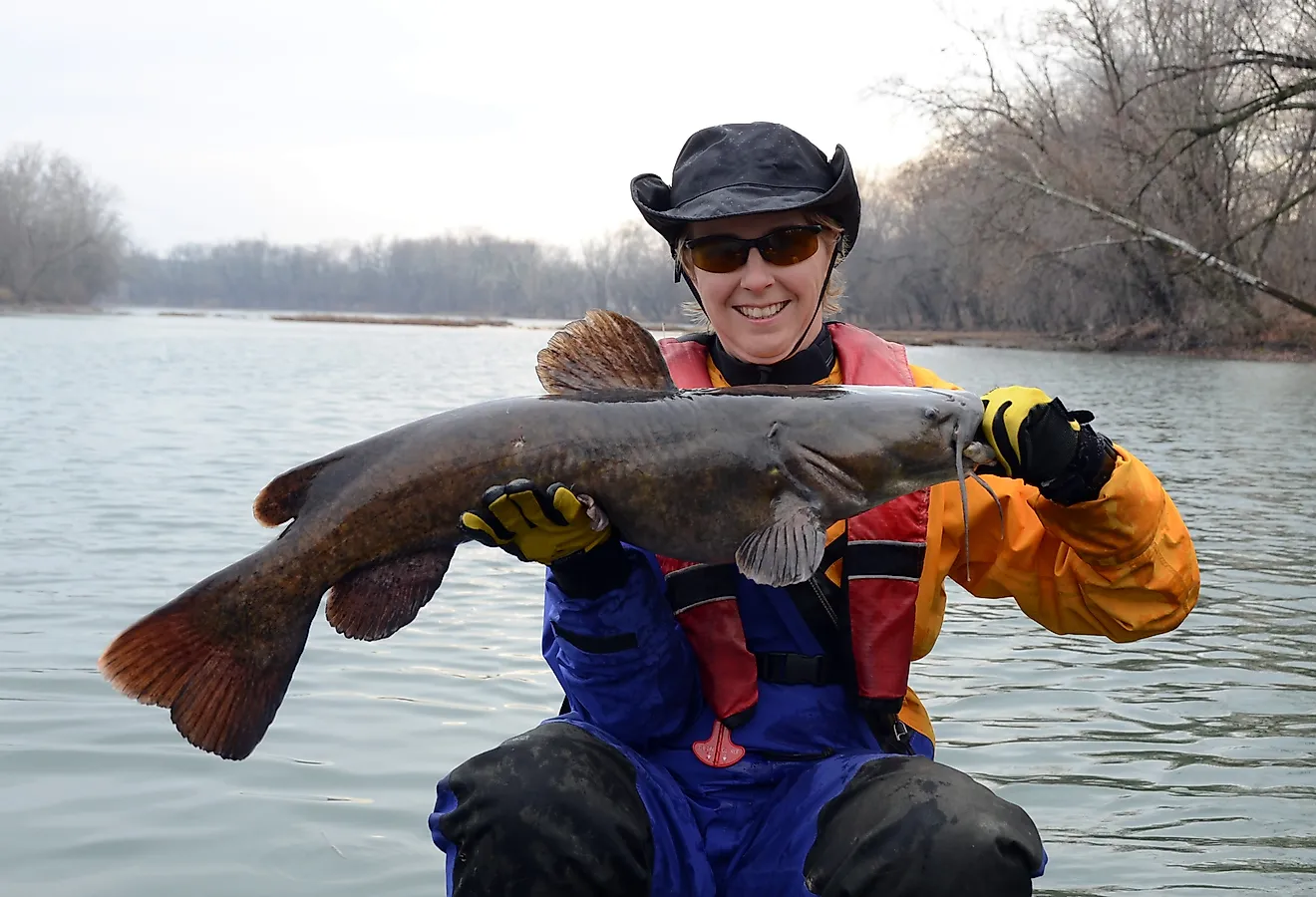
There is no flood wall separating the two, no concrete channel, and the river's gravel bars and cottonwood galleries run through the middle of the urban area. Below Billings the river shifts from a cold-water trout fishery to a warm-water system, and the stretch east of town is rated among the best channel catfish water in the country.
It is not a large city by national standards. It is, however, the largest city in America with a genuinely unregulated river running through it.
Why Almost Nowhere Else Qualifies

Run through the obvious candidates and they fall out one by one, for consistent reasons. The Colorado through Austin is held back by the Highland Lakes. The Chattahoochee through Atlanta is controlled by Buford Dam. The Rio Grande through Albuquerque is regulated upstream and jacketed in engineering through the city. The Trinity through Dallas is channelized. The Boise, the Truckee and the Willamette all have storage dams above their cities.
The pattern is not coincidence. Cities grew where rivers could be used, and using a river means controlling it, so the arrival of a city has historically been the thing that ends a river's wildness.
The Threats Are Still Live
Being undammed is a current status rather than a permanent one, and the Yellowstone has live problems. Poorly constructed oil pipelines crossing the river have ruptured during floods and ice jams, causing spills in the lower Yellowstone in 2011 and 2015, which is a direct consequence of a river that still moves its bed. A proposed dam downstream of Glendive would obstruct fish passage for endangered pallid sturgeon and other native species, and conservation groups oppose it.
The Intake Diversion Dam, built in 1905 and the largest structure on the river, has been the subject of a long argument. A bypass channel now allows fish to move past it, though removal remains the preferred outcome for some groups.
What Wild Buys You
The ecological case for an undammed river comes down to three things a dam interrupts. Fish can move the length of the system to spawn, which matters enormously for migratory species like the pallid sturgeon. Sediment reaches the lower river and the Missouri beyond it, maintaining bars, islands and side channels rather than starving them. And the flood pulse still scours and rebuilds habitat on its own schedule, which is what the native species evolved around.
A reservoir replaces all three with a lake, which is a perfectly good thing to have and an entirely different ecosystem.
The Honest Answer

The last river still running wild through an American city is the Yellowstone, at Billings, and the qualification is that Billings is a city of 120,000 rather than a metropolis.
That qualification is the finding rather than a weakness in it. Every larger American city sits on a river somebody decided to control, which is largely why those cities are there. The Yellowstone survived because Montana chose to protect the flow in the 1970s and because nothing big enough to need the water ever grew on its banks.