5 Snake-Filled Waters In Tasmania
On mainland Australia, nearly 200 snake species vie for territory; however, that is not the case in Tasmania. Here, only three are found in the wild, but they all pack a venomous punch. The eastern tiger snake, the lowland copperhead, and the white-lipped snake are all native to the lakes and rivers below. When visiting the island, it is important to navigate the terrain safely, particularly when approaching bodies of water known to harbor these local reptiles. Below are five spots in Tasmania likely to have an active snake presence, from the sprawling Lake Pedder to the Huon River.
The Three Snakes of Tasmania

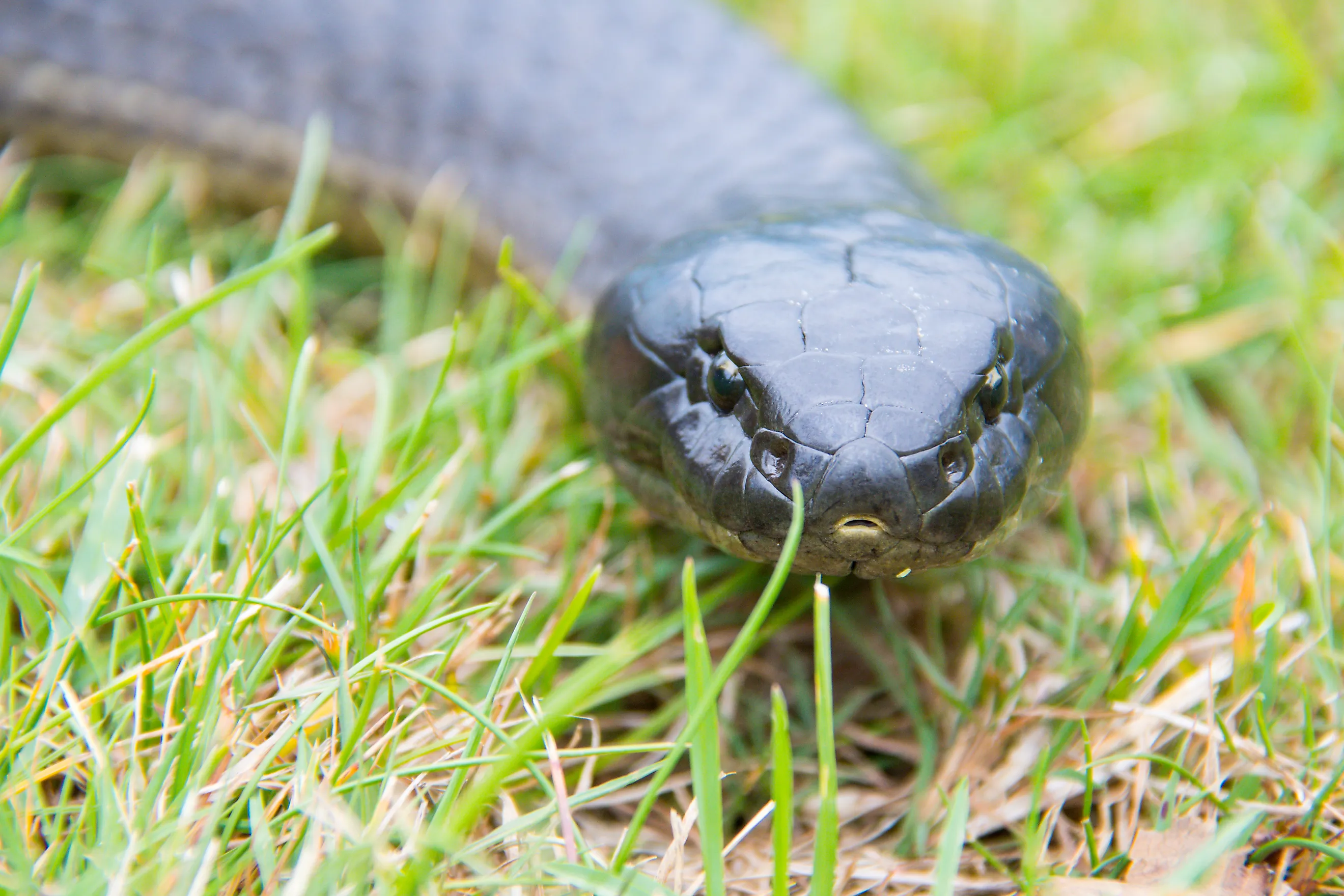
Of Tasmania's three snake species, the eastern tiger snake is the largest and most well-known, often found near water and open grassy areas where it hunts frogs and small mammals; it typically has a robust body with bold banding that can range from yellow and black to olive or brown. The lowland copperhead is well adapted to cooler, wetter environments, commonly inhabiting marshes, buttongrass plains, and river edges, and is usually coppery to dark brown with a slightly glossy appearance. Smaller and more secretive, the white-lipped snake occupies a wider range of habitats, from damp forests to coastal heath, feeding primarily on skinks, and is slender with a dark body marked by a distinctive pale stripe along the upper lip. These species can all be found in and around many of the island’s waterways, including the five highlighted below.
Lake Pedder

Within the Tasmanian Wilderness World Heritage Area, many carve out time during their exploration of Tasmania to appreciate the massive man-made reservoir, Lake Pedder. This body of water and the connected Lake Gordon have a combined volume thirty-seven times greater than the famous Sydney Harbour. The place comes alive in the warmer months for recreation, vastly increasing the likelihood of human-to-reptile interactions.

The heathlands that surround the lake are a prominent habitat for the region's tiger and copperhead snake populations. As the weather warms up, frogs and rodents become more active, which also brings out the area's snakes. While it's not uncommon to spot these reptiles on the white-sand shores of the lake, the dense vegetation along the shoreline increases the chance of surprising one and having an encounter.
Derwent River

Waterways like the Derwent River are home to some of Tasmania’s most sought-after fish, like black bream and sand flatheads. Anglers head to spots along the banks in places like Austin’s Ferry to wet their lines, occasionally even catching barracouta and squid in the lower sections. What hikers, anglers, and nature enthusiasts can also find is an active population of eastern tiger snakes.

Along the river's length, several environments exist that support a wide variety of birds, mammals, and amphibians. These same wetlands are also the perfect hunting ground for these reptiles, whose ability to thrive in the marshy lowlands and to slip in and out of the water makes them particularly dangerous predators for several animals found here.
Lake Barrington

South of Devonport, Lake Barrington spreads through wooded highlands. Formed in 1969 when engineers created Devils Gate Dam, which blocked the Forth River, the lake is primarily used for hydroelectric power generation and also supplies freshwater to towns along Tasmania’s northwestern shore. Certain areas along the lake are popular for recreation, with rowing and water skiing being particular draws.

Snakes like the eastern tiger and lowland copperhead, which are often found here, are not known to frequent the high-traffic areas on and around the lake; however, when humans leave these well-worn spaces to explore the overgrowth along the edge of the lake and accidentally step on a coiled reptile, aggressive encounters may occur. This is particularly true during the warmer months, when snakes and their prey are more active.
Huon River

The Huon River stretches out for more than 170 kilometers (105 miles), and when it widens out towards reaching the Tasman Sea, the expanse becomes a tidal estuary home to all three varieties of Tasmania’s snake population. People find their way here for the other wildlife likely to be spotted, and the special Huon pines, massive, towering trees that have stood here for thousands of years.

You can see all three types of snakes along the river’s edges, but not necessarily in the same environment. Tigers like warm and grassy areas, while copperheads prefer cooler, wet spaces, and white-lipped snakes can be found across a wider range of habitats, often in damp or sheltered areas. Because these reptiles can appear unpredictably, campers who appreciate the Huon pines and the wetlands near the Tasman Sea should be mindful of where they step and paddle.
Tamar River

Fed by several rivers, the Tamar stretches 70 kilometers (43 miles) across northern Tasmania, though it is technically a tidal estuary. This wide channel carries runoff from the island’s biggest drainage area, making it one of Australia’s most extensive navigable inlets. When tides recede, exposed mudflats become attractive to two of the three predators.

Among the tangled grass and damp soil, reptiles use the terrain for hunting frogs and rodents. The high density of creatures throughout the Tamar River catchment at the Tamar Wetlands Reserve creates an attractive habitat for the tiger snake and the copperhead. Human activity here is closely tied to the spotting and research of migratory birds that frequent these wetlands seasonally, which could lead to unexpected encounters with reptiles.
Treating Tasmania With Respect
Over 40% of Tasmania consists of protected land teeming with iconic creatures, drawing visitors from mainland Australia to witness sights such as the arrival of seasonal migratory birds and ancient Huon pines that have stood for thousands of years. Across this rugged terrain, certain rivers and wetlands support active populations of snakes. Despite no recorded deaths from bites in over 60 years, understanding animal behavior, staying alert, and respecting natural spaces greatly reduce the chances of encounters with these reptiles.