5 Snake-Filled Waters In Australia
Australia is among the countries with the highest diversity of snakes in the world, with nearly 200 species recorded, of which about half are venomous. While snakes can be found in almost every habitat, lakes and rivers are particularly common as they provide abundant hunting grounds, shelter, and a steady water source. In Herdsman Lake near Perth, you might encounter the highly venomous tiger snake, while Queensland's Lake Moondarra is home to the olive python, a constrictor. Whether you're looking for snakes or trying to avoid them, this list of snake-filled waters in Australia will help steer you in the right direction.
Herdsman Lake

Herdsman Lake in Perth is a natural wetland located close to the city center, known for its dense reeds and abundant populations of frogs and fish. These conditions make it an ideal hunting ground and habitat for wildlife, including reptiles. The lake supports a rich ecosystem, and its proximity to urban areas means that interactions between humans and native species such as snakes are relatively common.

One of the most notable inhabitants of Herdsman Lake is the tiger snake, which is highly venomous and can grow up to two meters in length. These snakes are strong swimmers and are often found near waterbodies, where they hunt for prey. They are named for the pale bands that typically run across their brown, black, or olive-colored bodies, resembling a tiger’s pattern. Despite their dangerous venom, tiger snakes generally avoid humans and will usually only bite if surprised or provoked. They also play an important ecological role by helping control populations of amphibians and fish within the lake.
Loch McNess

Also known as Yanchep Lake, Loch McNess is a freshwater lake located in Yanchep National Park in Western Australia, and is another waterbody with a dense population of tiger snakes. The lake is located just north of Perth, and visitors can often spot these reptiles gliding through the water or sunbathing on rocks. As the national park has limited human disturbance, tiger snakes thrive here. Australian snakes are most active from August to October as this is peak mating season; however, you might spot them at other times of the year too.

Loch McNess is also home to other snake species, including the non-venomous rotund blind snake, a fossorial (burrowing) species that lives underground, often around ant and termite colonies upon which it feeds, and dugites, a highly venomous species that is responsible for up to 70% of snake bites reported to Perth hospitals. Dugites are slender, growing up to 1.5-2 meters, with colors varying from olive to brown or grey, and they will hiss and strike quickly if cornered or agitated, so it is best to take precautions in areas where they may occur.
Lake Alexandrina

Lake Alexandrina, located southeast of Adelaide in South Australia, is where the Murray-Darling River system meets the Southern Ocean. It is a large, shallow freshwater lake that plays a vital role in irrigation, supports diverse birdlife, and holds deep cultural significance for the Ngarrindjeri people. The lake is part of the internationally recognized Coorong and Lakes Ramsar wetland, known for its rich biodiversity and important habitat for migratory birds. Its mix of open water, wetlands, and surrounding vegetation creates an ideal environment for a wide range of wildlife.

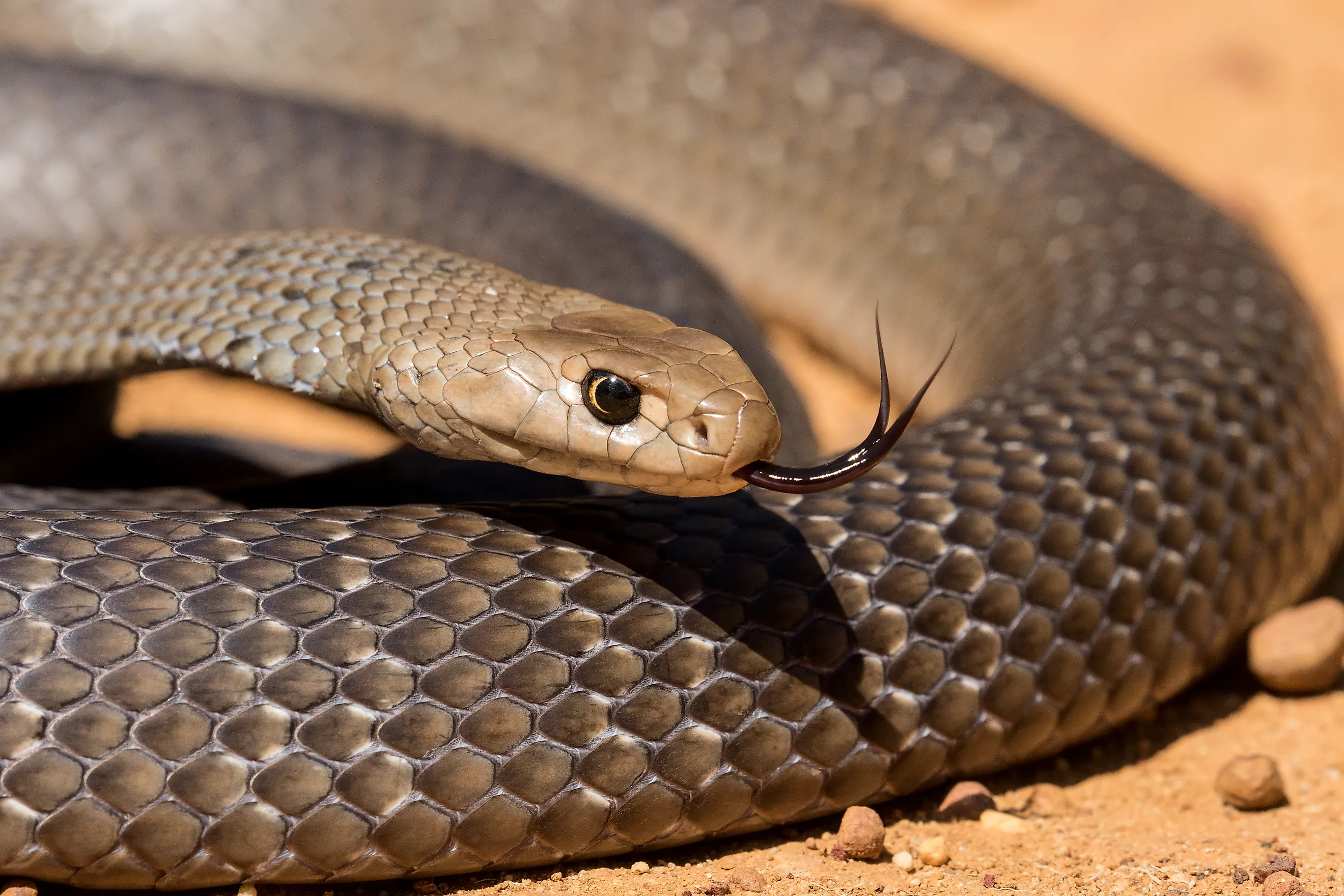
Among the reptiles found in this ecosystem are tiger snakes and the highly venomous eastern brown snake. The latter is particularly notable, as it is responsible for the majority of snake-bite-related deaths in Australia due to its extremely toxic venom, of which even small amounts can be fatal. These snakes can grow up to two meters in length and vary in color from tan to dark brown or grey. Like tiger snakes, eastern brown snakes are capable swimmers and are often seen near the lake as they hunt for prey. Despite their danger, they typically avoid human interaction unless threatened.
Lake Moondarra

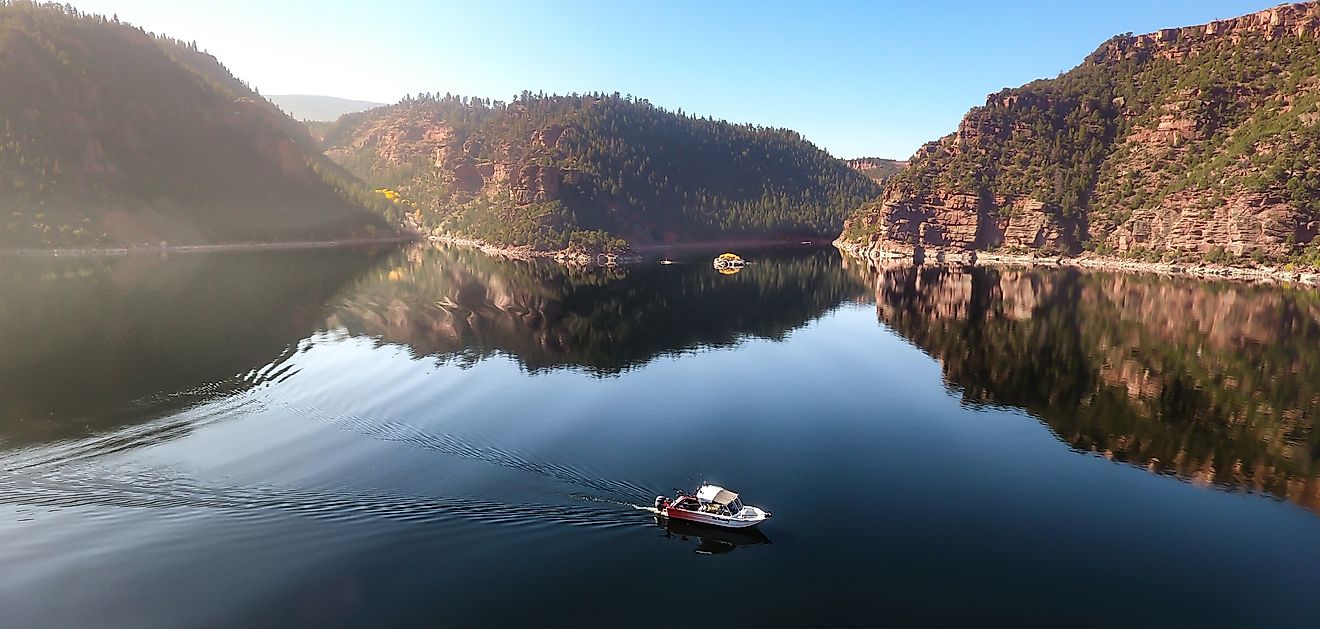
Approximately 120 snake species can be found in Queensland. Lake Moondarra is located near Mount Isa in northwestern Queensland and serves as an important water supply for the surrounding region. Formed by the damming of the Leichhardt River, the lake is a popular site for fishing, boating, and birdwatching, and supports a range of wildlife adapted to its semi-arid environment. The lake also provides a crucial freshwater habitat, attracting fish, birds, and reptiles, and playing a key role in the local ecosystem and community.

Several snakes call this lake home, of which several are venomous. The olive python, however, is a constrictor. This species became quite famous in Australia in 2014 when visitors to Lake Moondarra found a 3-meter (10-foot) python devouring a freshwater crocodile. It took the python five hours to best the crocodile before eventually swallowing it whole. Luckily, this python isn’t interested in eating people. They are rather large, growing up to 13 feet long, but have no fangs or venom, only small, sharp teeth. Olive pythons are brown-green in color and typically inhabit the caves surrounding Lake Moondarra.
Mooloolah River

Also located along Australia’s Sunshine Coast, the Mooloolah River is known for its white sand beaches. It is also known to be a common habitat for the red-bellied black snake. This snake is indigenous to Australia and one of eastern Australia's most commonly encountered species, despite being shy. While it is venomous, its toxin is less fatal to humans than some of its deadlier counterparts, and no confirmed human deaths have been recorded for this species in Australia.

Another species found around the river is the highly venomous coastal taipan, which has a painful bite because of its half-inch fangs. The coastal taipan is known to be more aggressive than the red-bellied black snake and will repeatedly bite its prey or victims, injecting fresh venom with each bite. Fortunately, it is extremely shy and encounters with humans are rare. As this waterbody is quite extensive, several other snake species live near it, including the golden crowned snake, eastern small-eyed snake, green tree snake, freshwater snake, and brown-snouted blind snake, among others.
Many of the world’s most venomous snakes reside in Australia. However, snake encounters are uncommon, as most species avoid humans. The 5 waterbodies listed above are ideal habitats for snakes because they function as a water source, hunting and mating grounds, and shelter for snake species. Snakes are important to Australia as they help maintain the ecological balance by hunting and keeping populations of rodents, amphibians, small animals, and fish in check. When visiting these waterbodies, it’s important to know that you may spot snakes or come up close to them. If you do encounter a snake, give it a wide berth for your own safety and as a way to respect and appreciate Australia’s diverse wildlife.