The Most Island Filled Lakes In North America
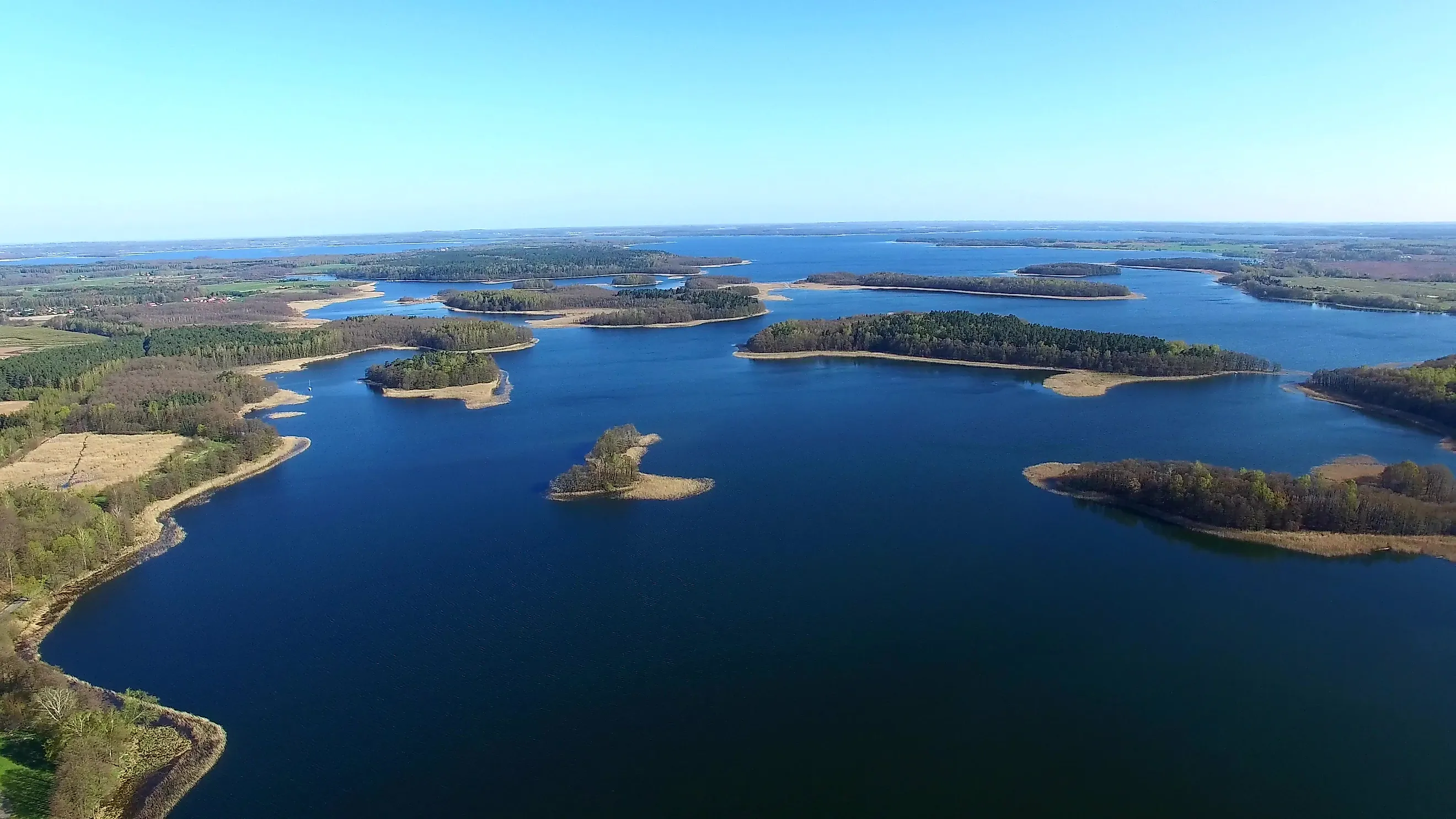
This list looks at North American lakes with the highest widely cited island totals, from the Great Lakes to remote northern basins. At the top are giants such as Lake Huron and Lake of the Woods, whose island counts far exceed those of most other lakes on the continent. North America has millions of lakes, but only a small number are consistently described as having hundreds or even thousands of islands. These island-rich lakes matter for recreation, wildlife habitat, and cultural history. Many support boating routes, fishing grounds, protected natural areas, and long-established communities.
Because island counts vary by source and by definition, the ranking below follows the most commonly cited published totals and regional inventories rather than a single continent-wide database. Even so, the lakes below are the clearest candidates for North America’s most island-filled lakes.
The Most Island-Filled Lakes In North America
| Rank | Lake | Number of Islands |
|---|---|---|
| 1 | Lake Huron | 30,000 |
| 2 | Lake of the Woods | 14,500 |
| 3 | Lake Temagami | 1,259 |
| 4 | Rainy Lake | 500+ |
| 5 | Lake Nipigon | 500+ |
| 6 | Lake Superior | 400 |
| 7 | Lake Winnipesaukee | 258 |
| 8 | Lake George | 170+ |
| 9 | Lake Champlain | 80 |
| 10 | Lake Winnipeg | Dozens |
1. Lake Huron - 30,000 Islands (Michigan, Ontario)

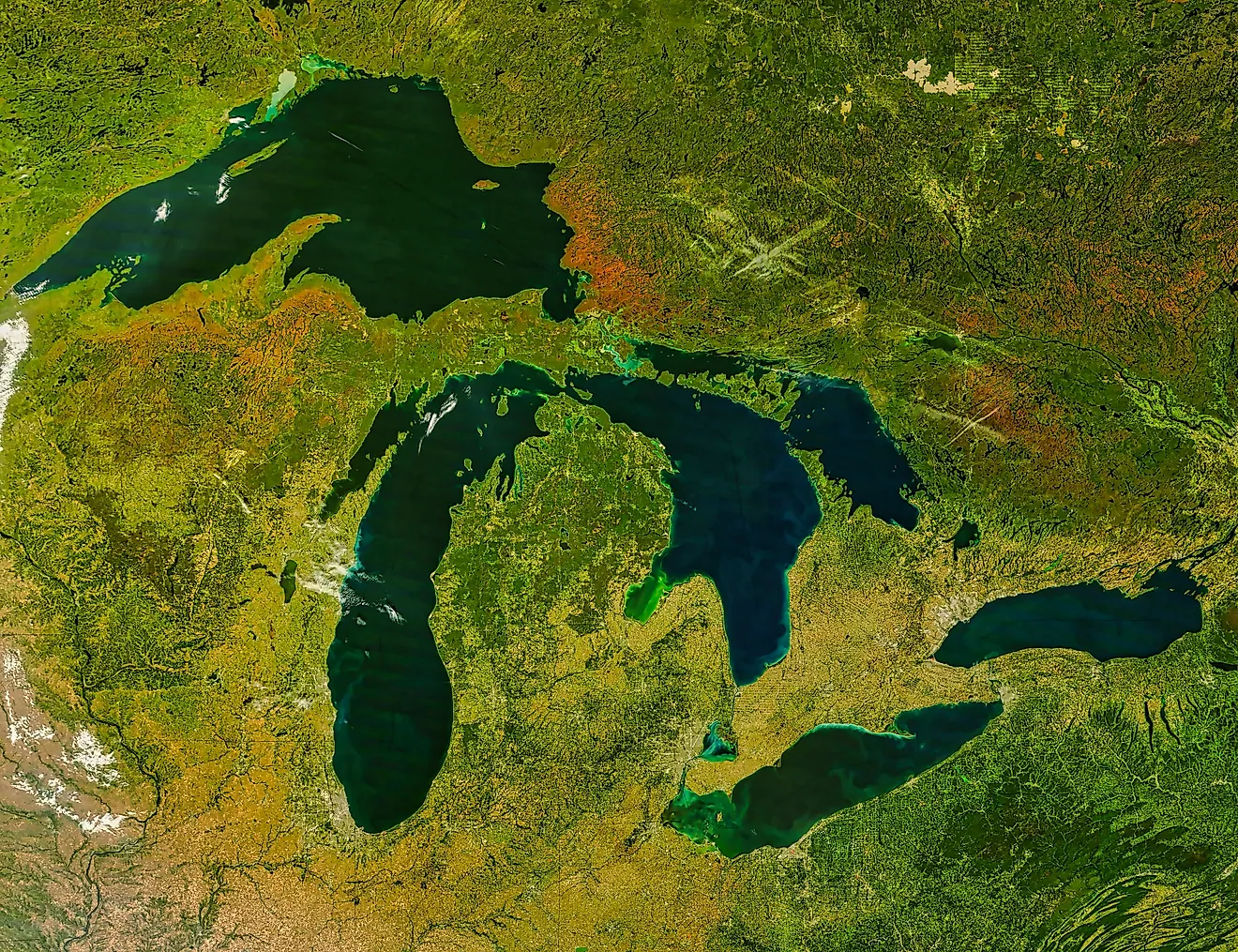
Lake Huron, especially when Georgian Bay and the North Channel are included, is by far the most island-filled lake in North America. It contains roughly 30,000 islands, including Manitoulin Island, the largest freshwater island in the world. Those islands range from large inhabited landmasses to tiny rocky outcrops scattered across sheltered channels and open bays. Together, they create one of the continent’s most complex freshwater shorelines. The islands help shape wave patterns, support migratory birds, and create protected boating corridors that have made this part of Lake Huron famous among sailors and paddlers. The region also has deep cultural importance, with Indigenous communities, historic settlements, and long-used travel routes tied closely to its archipelagic geography.
2. Lake of the Woods - 14,500 Islands (Minnesota, Manitoba, Ontario)

Lake of the Woods is widely recognized as the second most island-filled lake in North America, with a commonly cited total of about 14,500 islands. Its maze of channels, peninsulas, reefs, and forested islands stretches across the international border and gives the lake an almost labyrinthine character. Some islands are little more than exposed granite, while others are large enough to hold cabins, lodges, and heavily wooded interior terrain. This geography has made the lake a major destination for boating and angling, while also supporting eagles, black bears, and other wildlife. Historically, the lake’s islands and waterways were important to Indigenous travel networks and later to the fur trade, giving this enormous border lake both ecological and cultural significance.
3. Lake Temagami - 1,259 Islands (Ontario, Canada)

Lake Temagami is one of the strongest non-Great Lakes entries on any island-count ranking, with approximately 1,259 numbered islands. Set within the Canadian Shield, the lake is broken into long arms, quiet bays, and narrow passages that give it an intricate, highly indented shape. The islands are central to the area’s identity: many cottages and camps are located on them, and the lake’s “island only” development pattern has helped preserve its wilderness character. Temagami is also famous for old-growth pine stands, canoe routes, and a landscape that feels more remote than its popularity might suggest. Although its total is far below Lake Huron and Lake of the Woods, Lake Temagami clearly belongs among North America’s most island-rich lakes because its island count is both high and consistently documented.
4. Rainy Lake - 500+ Islands (Minnesota, Ontario)

Rainy Lake is often overlooked in broad continental lists, but it belongs near the top tier because it contains more than 500 islands. Straddling the United States-Canada border west of Lake Superior, it has an irregular shoreline with countless bays, narrows, and channels shaped by glacial activity and exposed Shield bedrock. Many of its islands lie within or near protected landscapes, including Voyageurs National Park on the U.S. side, where island-studded waters define the boating experience. The lake’s geography creates sheltered routes, excellent fish habitat, and scenic corridors that feel far more intricate than its size alone would suggest. While it does not approach the enormous totals of Huron or Lake of the Woods, Rainy Lake stands out as one of North America’s clearest examples of a large lake with a substantial island count.
5. Lake Nipigon - 500+ Islands (Ontario, Canada)

North of Lake Superior, Lake Nipigon is a large, rugged basin with more than 500 islands. Its remote location and sparse development help preserve a landscape shaped by ancient geology, cold water, and boreal forest. Many of the islands are rocky, heavily wooded, and separated by broad reaches of open water, giving the lake a wild and exposed feel compared with more settled southern lakes. Lake Nipigon is especially important ecologically because it supports cold-water fisheries and feeds the Nipigon River, the largest tributary to Lake Superior. Its islands contribute to habitat diversity and shoreline complexity, while the lake’s size and relative isolation make it one of the most imposing island-filled lakes anywhere in the northern interior of the continent.
6. Lake Superior - 400 Islands (Minnesota, Wisconsin, Michigan, Ontario)

Lake Superior has fewer islands than the lakes above it, but its roughly 400 islands are among the most dramatic on the continent. They include Isle Royale, the Apostle Islands, and the Slate Islands, each known for rugged coastlines, isolation, and distinctive ecosystems. These islands are geologically striking, with volcanic ridges, cliffs, sea caves, and heavily forested interiors. They also matter enormously for navigation in a lake famous for sudden storms and long open-water crossings. Ecologically, the islands support bird colonies, rare plant communities, and in some cases unusually intact food webs. Lake Superior may not rival Lake Huron in sheer number, but it remains one of North America’s most important island lakes.
7. Lake Winnipesaukee - 258 Islands (New Hampshire)

Lake Winnipesaukee is one of the most island-filled lakes in the United States, with about 258 natural islands rising above the lake. Located in central New Hampshire, it has a shoreline deeply shaped by coves, peninsulas, and island groups that make it feel much larger and more intricate than a simple open basin. The islands vary widely in size, from tiny ledges to substantial wooded landmasses such as Long Island and Bear Island. Many are closely tied to the lake’s recreational culture, with boating, seasonal communities, and mail-boat service forming part of local life. Its island count places it below the northern giants, but still well ahead of most better-known American lakes. That combination of high island density, accessibility, and long recreational history makes Winnipesaukee a natural inclusion here.
8. Lake George - 170+ Islands (New York)

Lake George is commonly described as having more than 170 islands, giving it one of the highest island totals among well-known lakes in the northeastern United States. Stretching through the southeastern Adirondacks, the lake combines narrow reaches, mountain scenery, and island groups that break up the water into varied boating and camping zones. Many of the islands are publicly managed and used for boat-access camping, making them central to the lake’s identity rather than just scenic features. The islands also contribute to calmer stretches of water and a highly varied shoreline that supports both recreation and habitat diversity. Lake George’s total does not compare to the huge Canadian and border lakes at the top of this list, but it clearly ranks among North America’s most island-rich lakes on a regional basis.
9. Lake Champlain - 80 Islands (New York, Vermont, Québec)

Lake Champlain contains roughly 80 islands, most famously in its northern reaches around Grand Isle, North Hero, South Hero, and Isle La Motte. That total is far smaller than the leading lakes on this list, but still high enough to make Champlain one of the more island-filled large lakes in eastern North America. The islands are culturally important as well as scenic, supporting farms, villages, parks, and long-established transportation links between mainland communities. They also help divide the lake into distinct channels and quieter stretches that have long favored boating and fishing. Geologically, the region is notable for some very old exposed rock, while historically the islands have been tied to settlement, agriculture, and military history.
10. Lake Winnipeg - Dozens of Islands (Manitoba, Canada)

Lake Winnipeg has a lower island total than the lakes above it, but it still deserves a place on this list because it contains dozens of named islands, including major landmasses such as Hecla and Black Island. The lake’s long, wind-swept basin is central to Manitoba’s geography, fisheries, and migration corridors for birds, and its islands form important habitat and recreation areas within that broader system. Several of them are tied to provincial parks and tourism, while others have long-standing cultural significance. In a continent where relatively few large lakes have even a few dozen significant islands, Lake Winnipeg stands out for having a clearly developed island geography that is both ecologically and historically meaningful.
North America's Island-Filled Lakes
North America’s most island-filled lakes reveal just how varied the continent’s freshwater landscapes can be. At the very top, Lake Huron and Lake of the Woods stand in a class of their own, with island totals that dwarf almost every other lake on the continent. Below them, lakes such as Temagami, Rainy, Nipigon, and Superior show how glaciation and exposed Shield bedrock can produce complex shorelines and scattered archipelagos even in remote northern settings. Farther south and east, Winnipesaukee, Lake George, Champlain, and Winnipeg demonstrate that island-rich lake geography also shapes recreation, settlement, and regional identity. Together, these lakes show how islands can influence everything from habitat and navigation to tourism and cultural history.