The Great Lakes Towns Most At Risk From Erosion
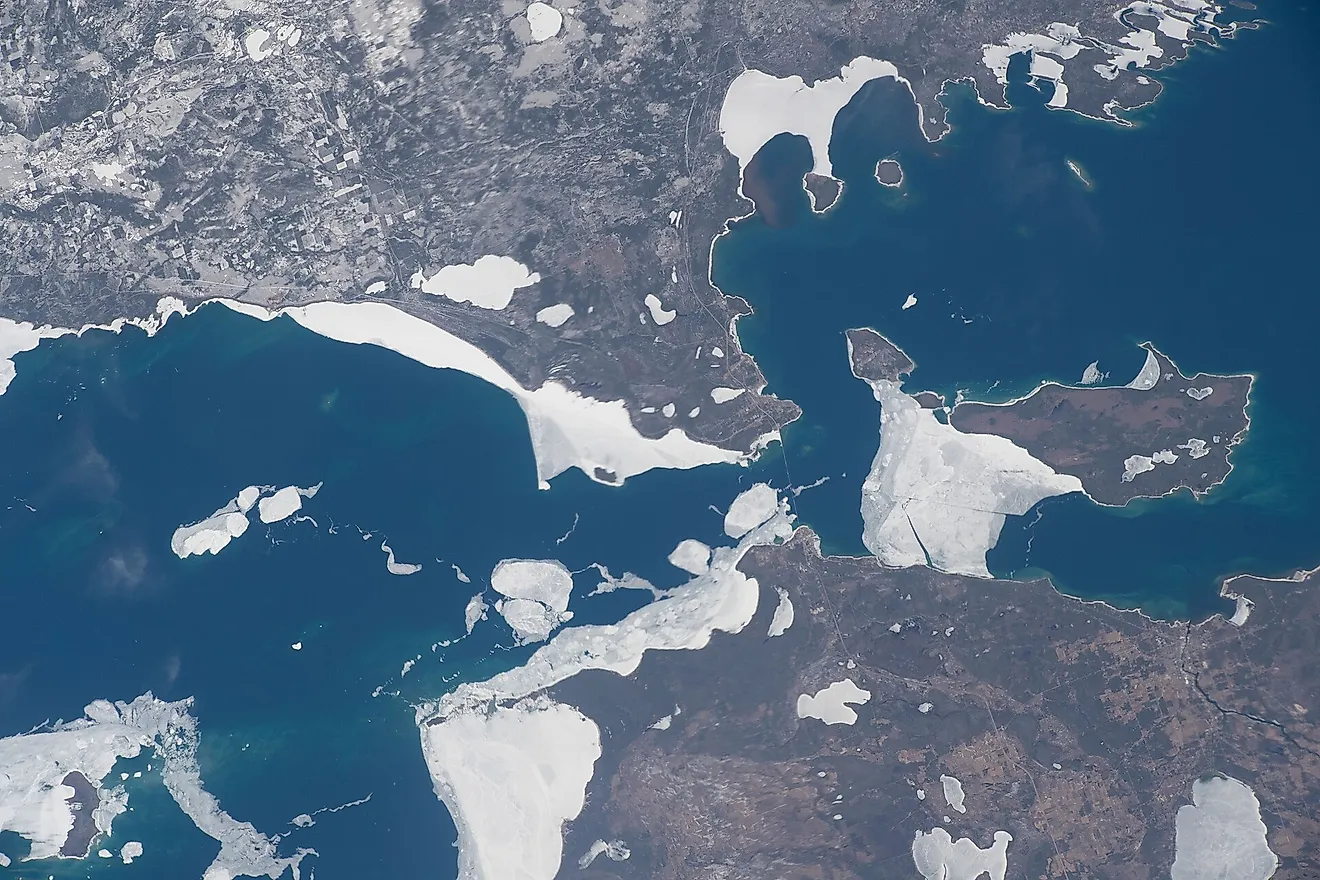
The Great Lakes do not have ocean tides, but their water levels do swing, sometimes dramatically, over spans of years. In 2019 and 2020 they climbed to record highs, and the erosion that followed was rough on any shoreline built of soft sand, dune, or crumbling clay rather than solid rock. Then the cycle turned. Levels have fallen steadily since, and by early 2026 they had dropped below their long-term average for the first time in more than a decade, taking much of the pressure off the coast. That is the key thing to understand about Great Lakes erosion: it comes and goes with the water. The towns below are the ones that feel it most when the lakes run high, and here is what the last high-water years meant for the people who live there.
Duluth, Minnesota (Lake Superior)

Duluth's Lakewalk is the heart of the city's waterfront, the place where locals jog, bike, and watch the freighters come in. So when a ferocious October 2017 gale drove Lake Superior straight into it, hurling boulders inland, flooding waterfront neighborhoods, and eating away the Park Point beach, it hit something residents genuinely love. A second storm the following spring piled on more damage. The city has since rebuilt the walk to be sturdier and hauled in tens of thousands of tons of stone to armor the shore. With the lakes low again, the Lakewalk is getting a reprieve, but few here have forgotten how quickly a big storm and a high lake can undo years of work, and Duluth's exposed shoreline will be first in line when the water climbs back.
South Haven, Michigan (Lake Michigan)

Michigan's sandy west coast, where South Haven sits, saw some of the most vivid damage of the last high-water stretch. Families on the most exposed bluffs watched their yards, staircases, and in a few cases their houses give way. On New Year's Eve of 2019, a beach house in nearby Muskegon County collapsed into the lake after the waves undercut its foundation, and up the coast another home near Montague was lost the same way. Near Manistee, one homeowner told reporters she could not afford to move her house back from the crumbling cliff and expected that, eventually, it was "going to go over." Not every property here is in danger, but sand offers little resistance when the lake is high, and the homes closest to the edge have the least room to spare.
Chicago, Illinois (Lake Michigan)

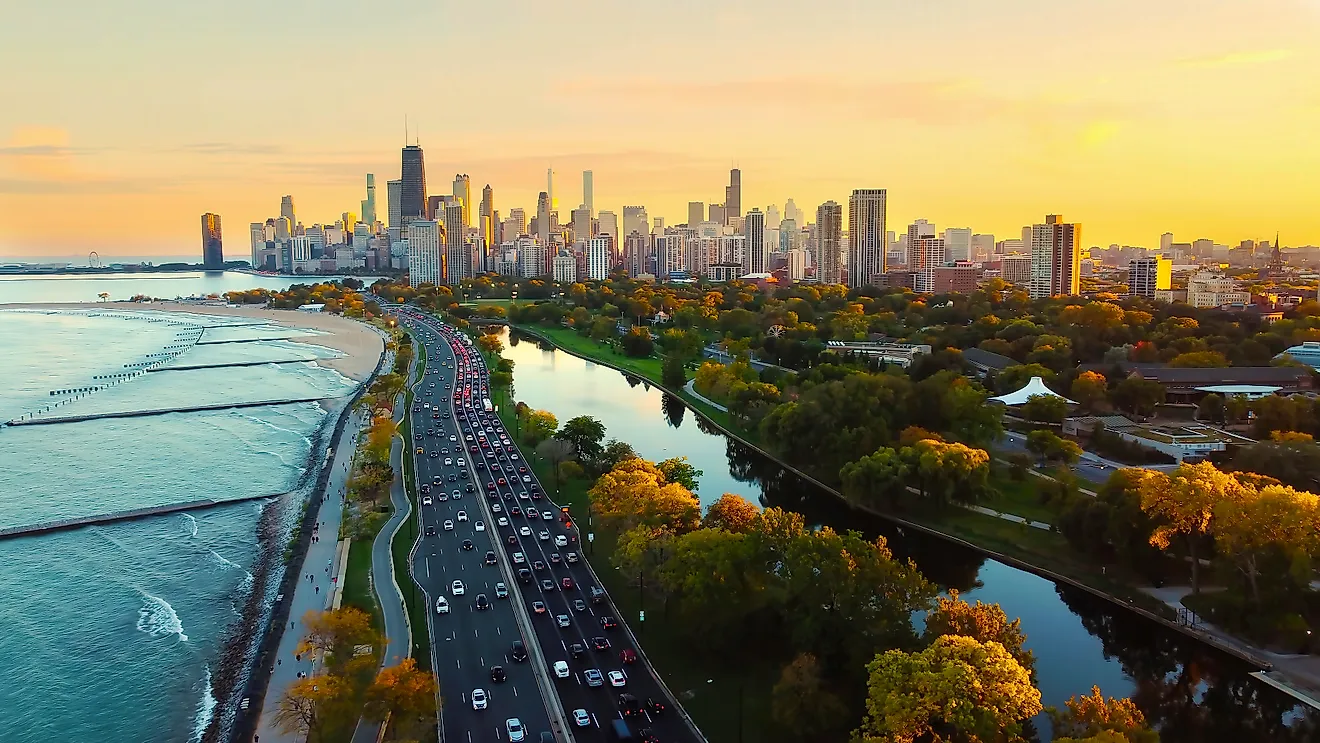
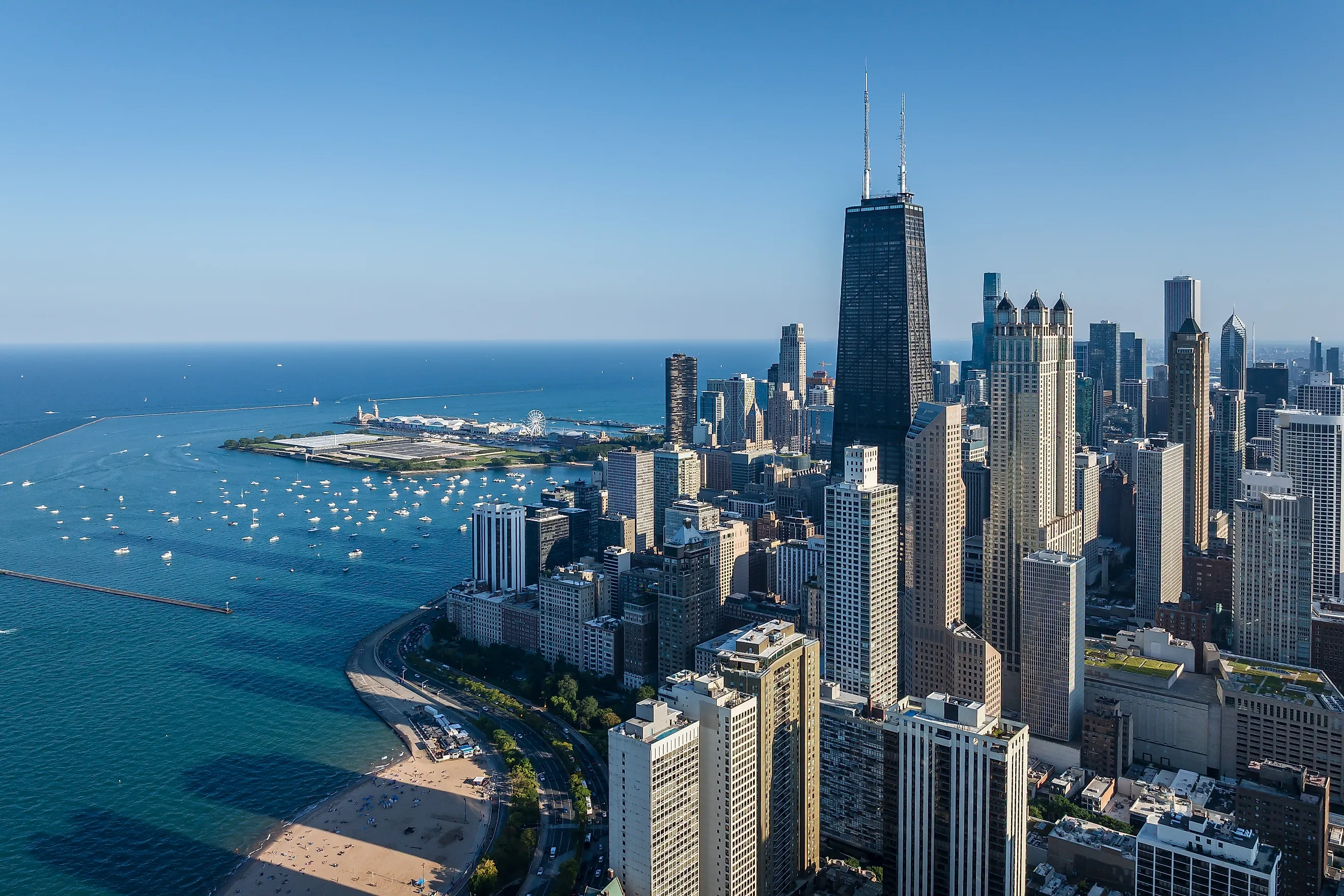
Erosion is not only a small-town problem. When a January 2020 storm threatened to erase the beaches of Chicago's Rogers Park neighborhood, the city buried them under stone to protect the road behind them, and a stretch of soft sand where neighbors once gathered became a field of blocks stamped with "do not swim." For residents who used to meet friends there on morning dog walks, coffee in hand, losing the beach meant losing a small piece of the neighborhood. The 2020 storms caused tens of millions of dollars in damage citywide, and holding the most vulnerable miles of Chicago's shoreline is a long-running job for the Army Corps of Engineers. With lake levels down, the beaches have room to recover, but the lakefront's soft spots will be tested again the next time the water rises.
Milwaukee, Wisconsin (Lake Michigan)

Much of the shoreline around Milwaukee rises in steep bluffs of glacial clay, and living atop one gets tense during a high-water stretch. High water undercuts the base while rain soaks the slope from above, and a bad storm can send a slab of hillside, and whatever sits on it, sliding toward the lake. Wisconsin's shoreline counties tallied tens of millions of dollars in damage during the peak years, but the more human picture is the homeowners who decided not to gamble, paying to physically pick up their houses and move them back from the edge. A bluff, unlike a beach, does not grow back once it fails, which is why people here take the high-water years seriously even now, while the lake is calm.
Mackinaw City, Michigan (Lake Huron)

Up at the Straits of Mackinac, where Lakes Huron and Michigan meet, the shoreline is the livelihood. Tourists come for the water, the historic sites, and the drive along the coast, so when the lake ran several feet above normal and tore up four miles of Mackinac Island's shoreline road, it struck the region's economy as much as its infrastructure. Crews spent around six million dollars putting the road back, and the historic Round Island Lighthouse, a fixture in countless visitors' photos, needed its breakwater rebuilt with boulders the size of refrigerators to weather the high water. It was a hard couple of years for a place that sells its shoreline for a living, and a reminder of what is at stake here whenever the lake swings high.
Cleveland, Ohio (Lake Erie)

Lake Erie's southern shore is among the most erosion-prone coastlines on the Great Lakes, and the suburbs around Cleveland, in communities like Bay Village and Sheffield Lake, sit right on it. The bluffs here are built of glacial till and shale, can stand sixty feet tall, and wear back steadily as waves work the base, faster during high-water years. For the families on top, one state survey put the stakes in plain terms: a quarter of the lakefront homes it studied stood within twenty-five feet of the edge, with another fifth not far behind. Erosion on this shore is a slow, constant process rather than a sudden crisis, but it rarely reverses, so homeowners here invest in seawalls and armor stone to buy their properties time.
Erie, Pennsylvania (Lake Erie)

Presque Isle, the curving sand peninsula that shelters the city of Erie, is where the community goes to swim, fish, and walk the beaches, and keeping it in place takes constant effort. Because the spit naturally sheds sand, crews pump tens of thousands of tons of it back onto the shore most years to hold the beaches together. Park staff note that the work gets easier when lake levels drop, since lower water means gentler wave damage during autumn storms. When the federal share of that funding briefly lapsed a couple of years running, it worried a town that treats Presque Isle as both a beloved backyard and an economic engine. It is less a shoreline in crisis than one that survives on steady, unglamorous upkeep.
Rochester, New York (Lake Ontario)

Lake Ontario sits at the bottom of the chain, catching water from every lake above it, and twice in three years, in 2017 and again in 2019, it rose high enough to upend life along Rochester's lakefront. In neighborhoods from Charlotte to Sea Breeze, residents spent weeks stacking sandbags as the water climbed their lawns, swallowed their beaches, and worked at the ground beneath their homes. The flooding was serious enough that the state stepped in with recovery grants for homeowners whose houses were damaged, and the governor said the community had been through hell and back. Ontario's level is partly regulated by an international commission, which adds a layer of frustration for shoreline residents, who sometimes feel a flood is as much a policy call as an act of nature.
The Water Comes and Goes
The most important thing to keep in perspective is that Great Lakes erosion is cyclical, not a one-way slide into the lake. The lakes have always risen and fallen, and the same shores that were crumbling in 2020 have had years to recover since, with levels now sitting below average. Erosion is also a natural, expected process on these coasts, and it concentrates on specific soft-sediment stretches rather than threatening whole towns at once. What has scientists watching closely is not a steady rise but growing variability: the record highs of 2020 arrived less than a decade after record lows, and a warming climate may widen those swings and sharpen the storms in between. For the exposed towns on this list, the sensible response is not panic but preparation, using the calm, low-water years to move back from the edge and shore things up before the cycle inevitably turns again.