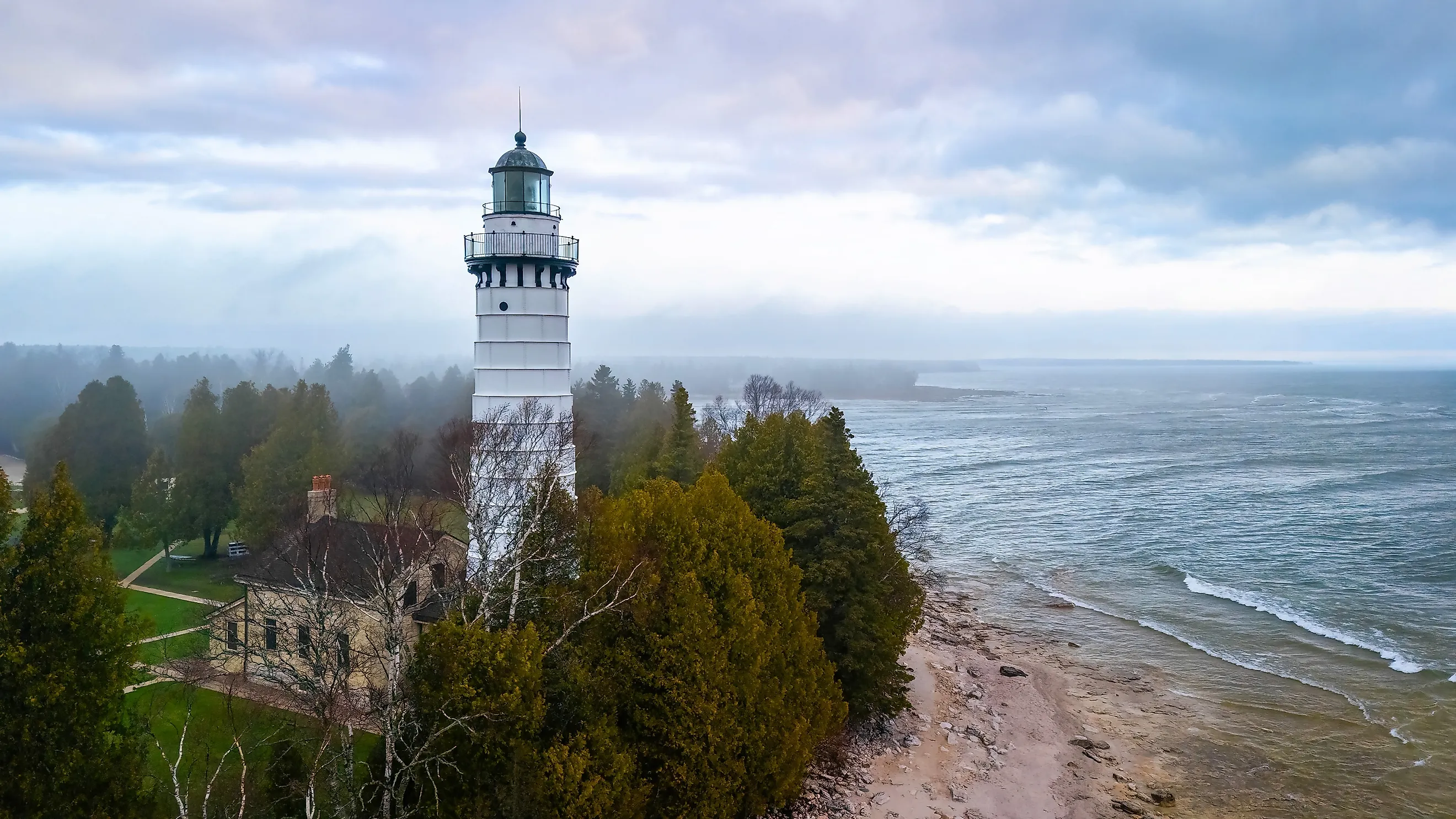
The Foggiest Lakes In America
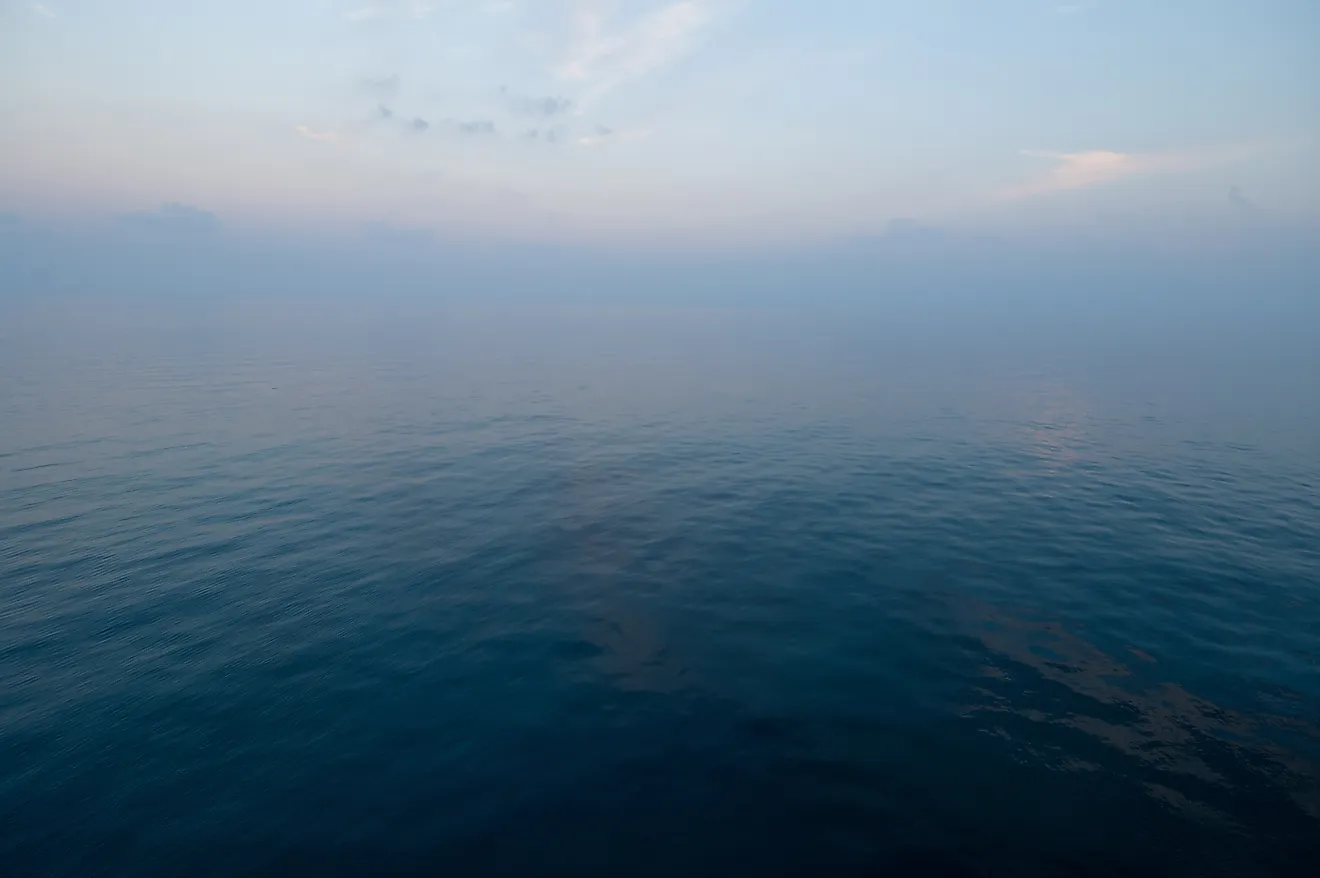
A lake can disappear in minutes. One moment, the shoreline is clear; the next, a bank of fog has swallowed the water, boats, and surrounding landscape. When the conditions align, fog can roll across Lake Superior, settle inside Crater Lake's volcanic caldera, or drift over Tahoe until the mountains seem to disappear. Behind these strikingly dramatic scenes are simple interactions between water, air, and temperature. Read on to learn more about this fascinating phenomenon.
Why Do Lakes Get So Foggy?

If you’ve ever been near a lake on a cool morning, sometimes you’ll notice the water seems to disappear behind a thick layer of mist while the land is still visible. What may look mysterious is actually the result of a simple interaction between moisture and temperature. Fog forms when air near the ground or water surface becomes saturated with moisture. As the air cools to its dew point, some water vapor condenses into tiny droplets that remain suspended in the air, creating the cloudy appearance we call fog. The National Weather Service states that fog frequently develops around water sources and in protected, low-lying areas, where temperatures drop, and winds remain calm enough to trap moist air.
Large lakes are especially prone to fog because their vast amounts of water warm and cool more slowly than the surrounding land. This creates temperature differences between the lake and the air above. When warm, moist air moves over cold water or cold, dry air passes over warmer water, the sudden temperature change can cause moisture to condense and form fog.
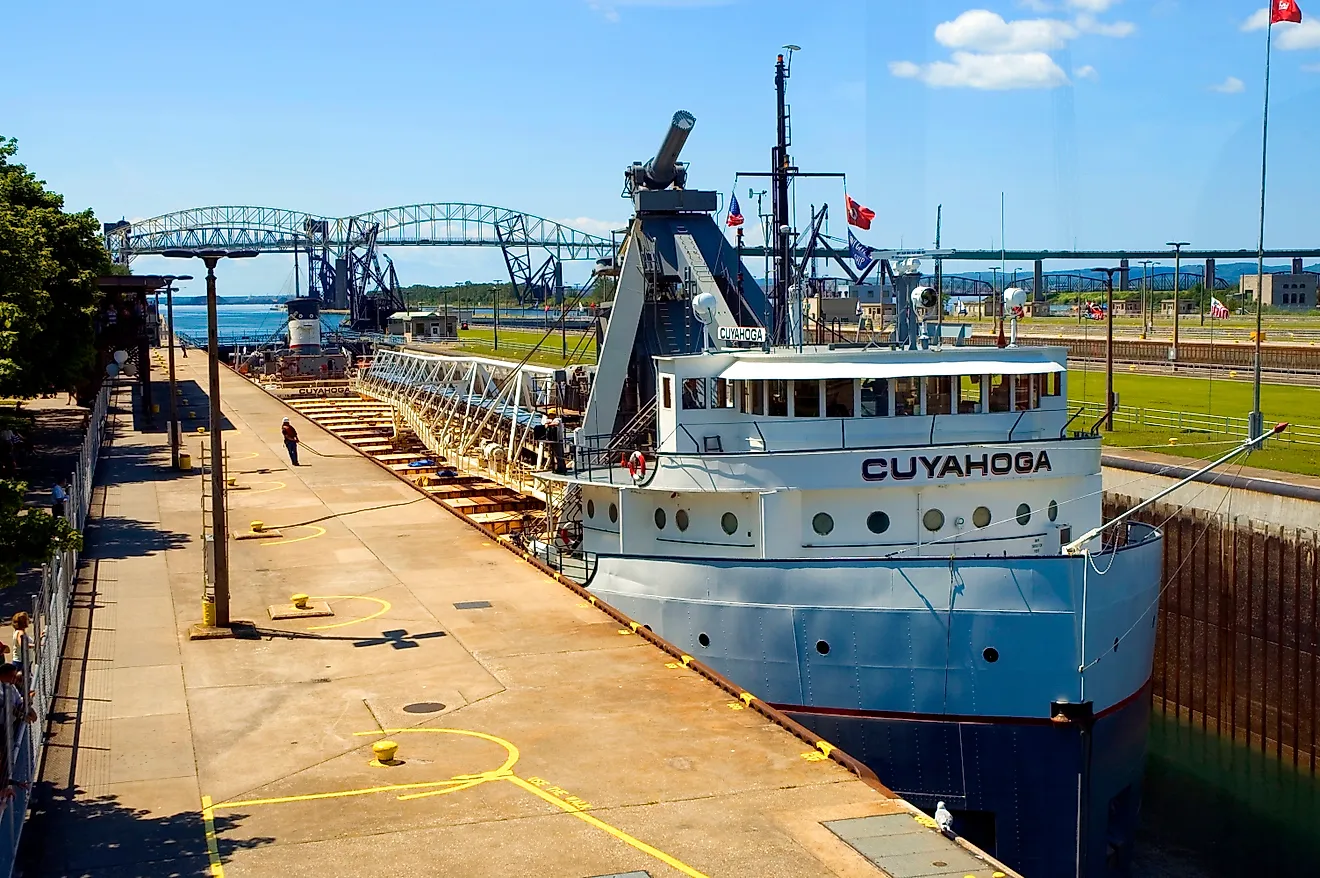
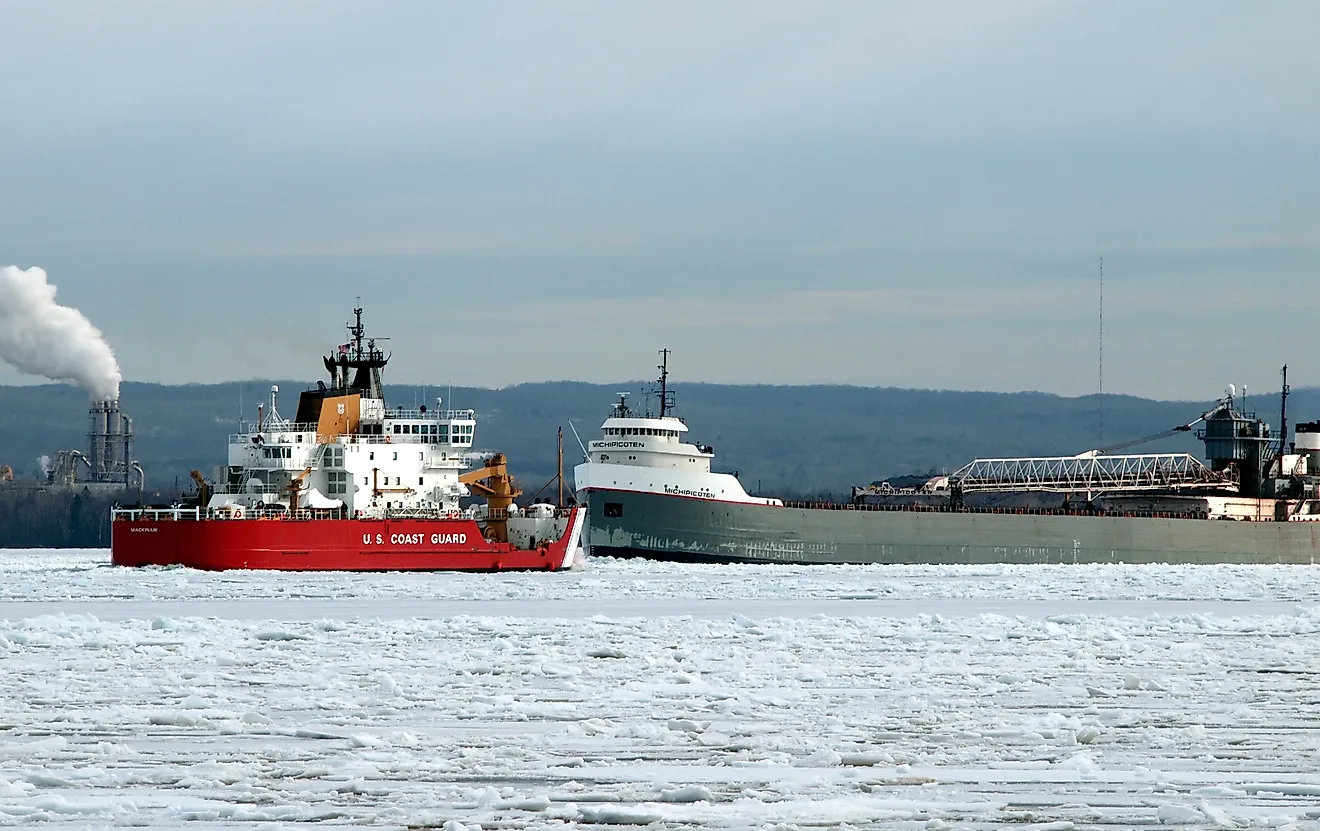
Lake Superior

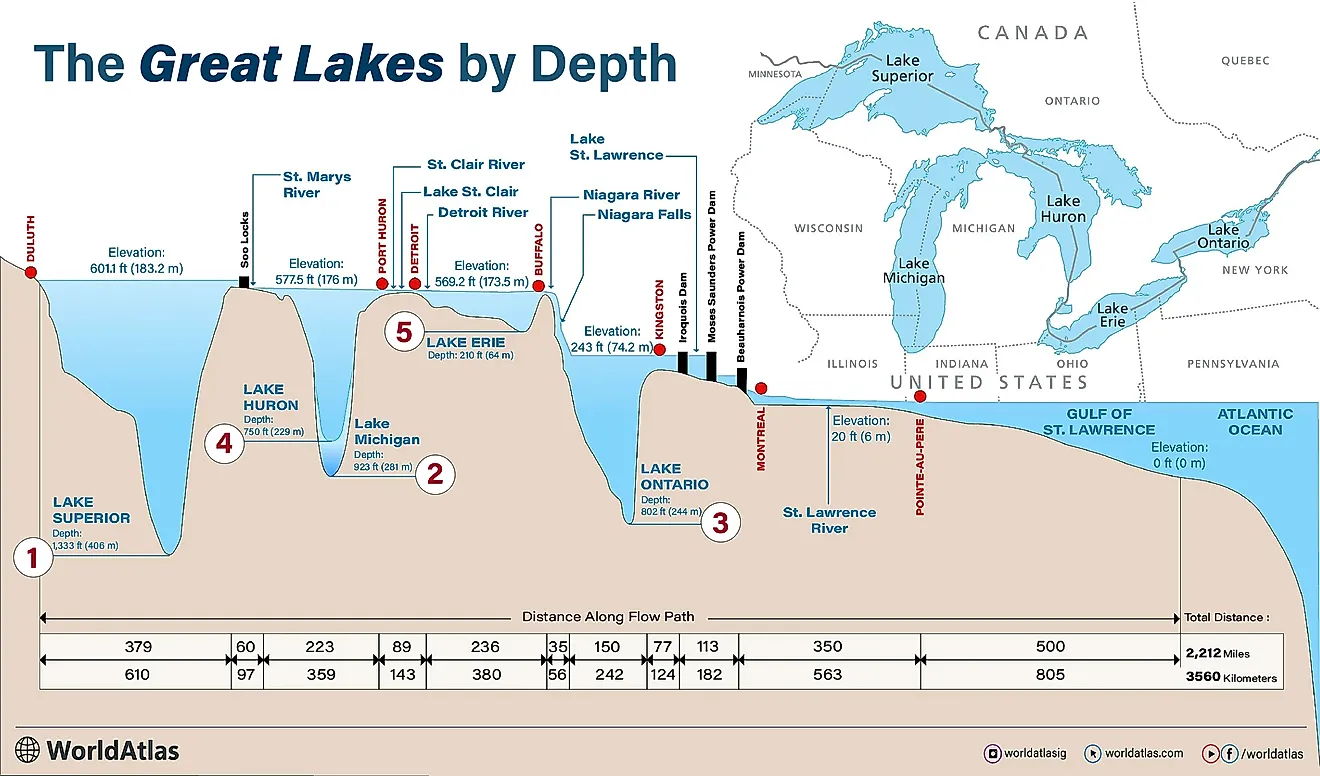
Lake Superior is a good example of how its enormous size can influence its weather. With its immense volume of water, it warms and cools very slowly, allowing surface temperatures to vary greatly from air temperatures at different times of year.
In spring and summer, advection fog forms when warm air moves over colder water. In autumn and early winter, the situation can reverse, with colder air passing over relatively warmer water and creating steam fog. NOAA (National Oceanic and Atmospheric Administration) has observed that Lake Superior can develop advection fog when warmer, moist air moves over its cold surface. In contrast, outbreaks of much colder air over relatively warmer water can produce steam fog.
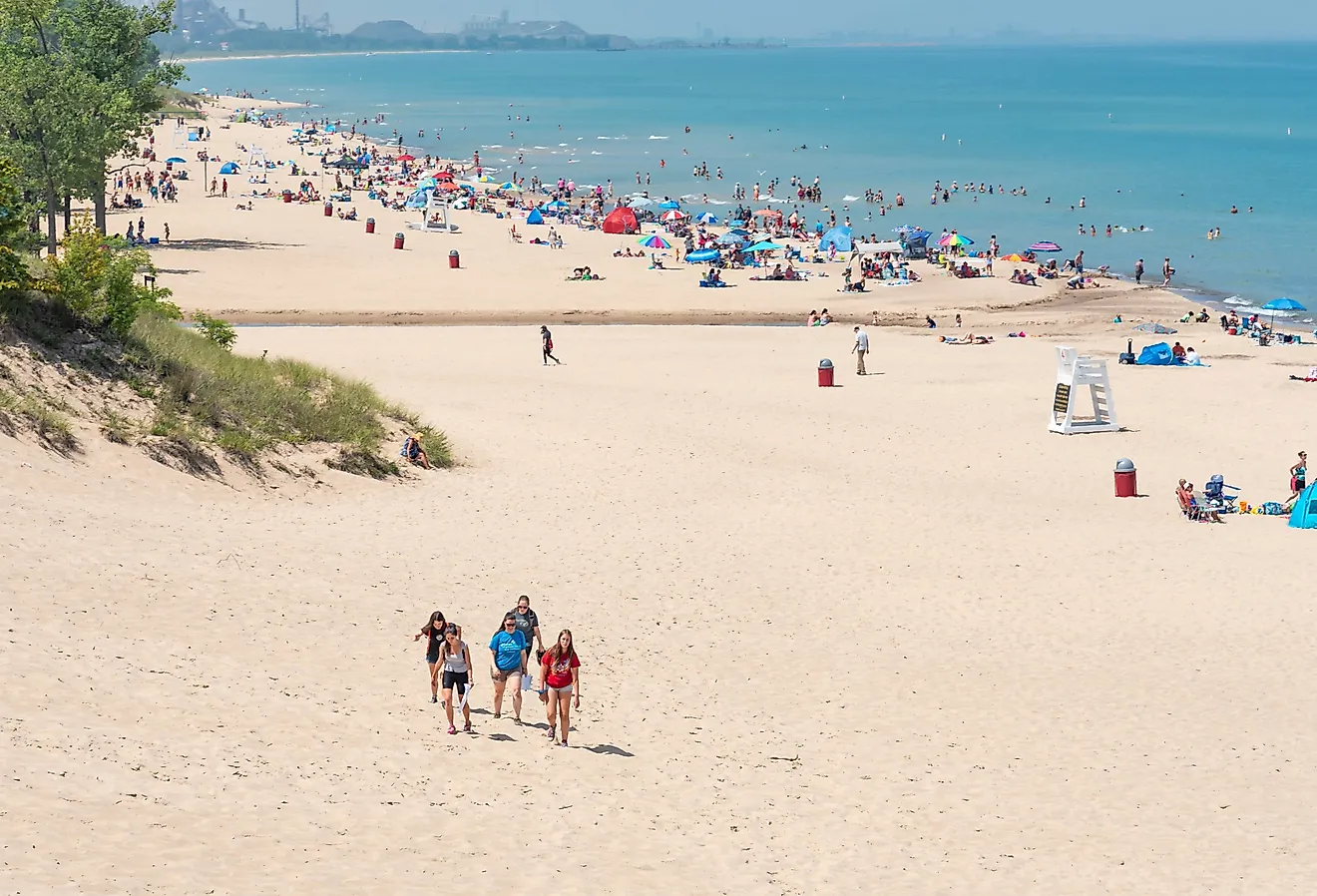
Lake Michigan

Lake Michigan experiences many of the same temperature-driven fog conditions as Lake Superior. During warmer months, moist air moving over cooler water can produce advection fog, particularly along the shoreline and over open water. In fall and winter, cold air moving across the lake's relatively warmer surface can create steam fog, producing a layer of mist above the water. The difference from Lake Superior is that Michigan is surrounded by major cities like Chicago and Milwaukee and densely populated shorelines, so these sudden drops in visibility can be especially noticeable to people living and traveling near the lake.
Crater Lake

High in the Cascade Range of Oregon, Crater Lake is surrounded by steep volcanic walls and sits within the bowl-shaped caldera of Mount Mazama. At 1,943 feet deep, it is the deepest lake in the United States, and that depth keeps the water exceptionally cold year-round. The National Park Service reports that temperature inversions, warm air that settles above cooler air near the ground, can create a layer of fog just above the lake, usually in spring.
On rare occasions, thick fog can fill much of the caldera, temporarily hiding the lake from view. Additionally, the steep walls surrounding Crater Lake can trap cool, moist air near the water, allowing fog to form and linger longer. If you’re visiting the lake, the weather can drastically change the experience, turning the blue waters and mountains into a view of mist and limiting visibility for hikers and drivers.
Lake Tahoe

Reaching 1,645 feet deep, Lake Tahoe is the second-deepest lake in the United States, behind Crater Lake. Throughout the summer, the lake's blue waters absorb and store significant amounts of heat from the sun. Because of its depth, the water retains heat even as mountain air cools in autumn and winter. The surrounding mountains and elevation changes can further influence how cold air moves across the lake.
When cold air settles over the warmer lake, moisture can rise from the surface and condense into steam fog. If you’re boating on the lake during a cool fall morning, you can seemingly disappear into the fog as mist settles across the water, which reduces visibility and makes the mountains almost impossible to see. From the shoreline, it can look like smoke or clouds drifting across the water.
Lake of the Ozarks

Around Lake of the Ozarks, calm, clear nights can favor radiation fog. This kind of fog forms when the ground and surrounding surfaces lose heat overnight, cooling the air close to the surface until it reaches its dew point. The National Weather Service says this type of fog is especially common in sheltered valleys and still bodies of water.
The lake stretches across the wooded hills of central Missouri, giving the colder air plenty of low-lying areas to settle into. Around the Osage Beach community, cool and still mornings can create thick fog over the lake, reducing visibility for boaters and visitors along the shore.
The Mystery Behind the Fog
Fog may make a lake look mysterious, but it's not mysterious why it forms. The same basic ingredients keep coming together. You’ve got the difference in temperature, plenty of moisture, and a terrain that can trap the air close to the water. In a way, these lakes create their own weather conditions simply because of their size and surroundings. On quiet mornings, even a lack of wind can allow fog to settle and linger. So the next time a familiar lake suddenly vanishes behind a wall of white, remember it hasn't actually disappeared; the air above it has changed.