How Lake Trout Were Brought Back To Lake Superior
Lake trout almost went extinct in Lake Superior in the 1960s due to several outside factors caused by human activity. However, by late 2024, the lake trout population had completely recovered in Lake Superior. This is one of the greatest success stories of Great Lakes conservation, and it was the result of a long process taking 60 years. In this story, we will take a look at why lake trout were under threat and how they have since recovered.
What are lake trout?

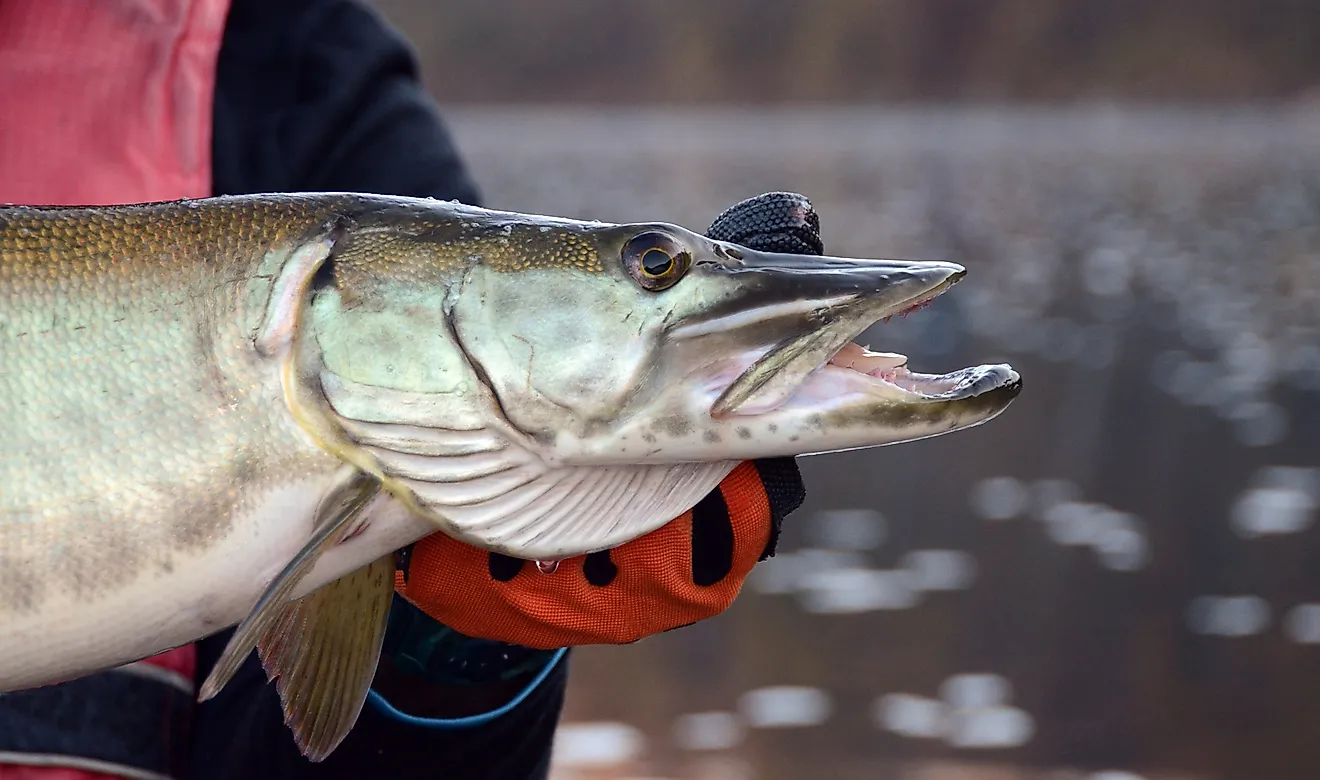
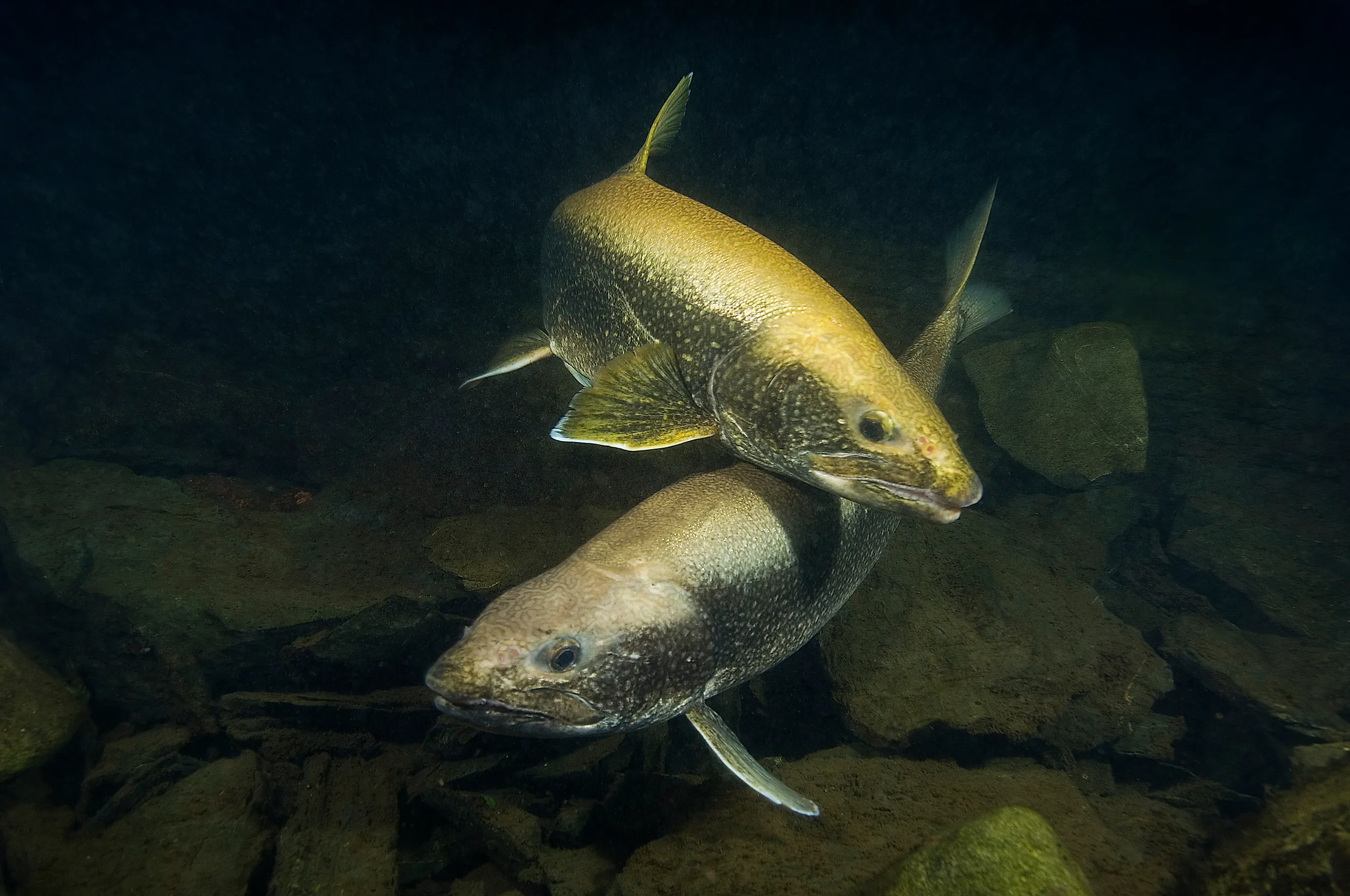
Lake trout's scientific name is Salvelinus namaycush. The genus Salvelinus is a type of fish that tends to live in cold waters, especially freshwater. They are known by several nicknames such as char and trout. Of these, the namaycush species is the largest, growing up to 3 feet long.
Lake trout aren't just long. They are also heavy, weighing up to 40 pounds. The world record for the heaviest lake trout weighed 102 pounds and was caught in Lake Athabasca in northwestern Saskatchewan.
Lake trout are found throughout North America, specifically in Canada, Alaska, and down to the Great Lakes. They live in lakes, rivers, and streams, specifically in deeper lakes that have a depth of 50 to more than 200 feet. They eat plankton, invertebrates, and other fish, especially in the Great Lakes. Its diet of fish is why it grows so large in Lake Superior.
Lake trout can be broken down into three types: the lean lake trout, humper lake trout, and siscowet lake trout. The siscowet is only found in the deepest parts of Lake Superior, at more than 250 feet. It has a much higher lipid content in its muscles than other varieties. Siscowets have been found at the deepest parts of Lake Superior.
Lake trout spawn over rock crevices to keep the eggs safe. One female trout can lay up to 20,000 eggs. If not killed by a predator, human, or disease, lake trout can live for a long time, with some reaching 70 years of age.
How did they almost go extinct?

Two factors led to the near extinction of lake trout in Lake Superior. The first was overfishing. Lake Superior was always a major source of fish, first for indigenous people, then settlers, and later through commercial fishing. In the 19th century, vast fishing industries caught hundreds of thousands of fish, including whitefish and lake trout.
This was further boosted by the advent of steam boats, which could both travel farther distances and let down nets to greater depths, catching lake trout in the deeper parts of Lake Superior. Overfishing completely destroyed some populations such as the blue pike. By the late 1800s, residents were starting to notice decreased fish populations, but all efforts from the 1880s to the early 1950s to establish a joint treaty between Canada and the U.S. to regulate fishing on the Great Lakes failed.
The other factor that decimated lake trout was the arrival of an invasive species, the sea lamprey. These creatures are native to the Atlantic Ocean, and they prey on fish by attacking them with their disc-shaped mouths. There are sharp teeth inside this mouth, which cut into the fish, draining their blood. A single lamprey can kill up to 40 pounds of fish during its lifetime.
These sea lampreys first entered the Great Lakes through the Welland Canal, first built in 1829 and expanded in 1919, opening a shipping route between Lake Ontario and Lake Erie. From this route, they spread from Lake Ontario into Lake Erie and then into all of the Great Lakes.
The sea lampreys virtually destroyed the lake trout population in the other Great Lakes and severely reduced them in Lake Superior. To put their impact into perspective, Lake Superior had an annual harvest of 4 million pounds of lake trout from 1920 to 1950. By 1964, that number had dropped to 210,000 pounds.
How was their population rebuilt?

Firstly, the Great Lakes Fishery Commission was set up in 1955 through a treaty between Canada and the U.S. This allowed the two nations to work together on conservation efforts, especially dealing with sea lampreys and restoring lake trout.
One of their biggest successes was reducing the number of sea lampreys in the Great Lakes. The Hammond Bay Biological Station in Michigan worked to find a poison that would target lampreys without harming native fish. In 1958, they discovered one known as TFM. This chemical compound targets sea lampreys at the larval stage, interrupting their energy metabolism and killing them before they can grow teeth and feed on fish. This treatment is done in tributaries and hot spots.
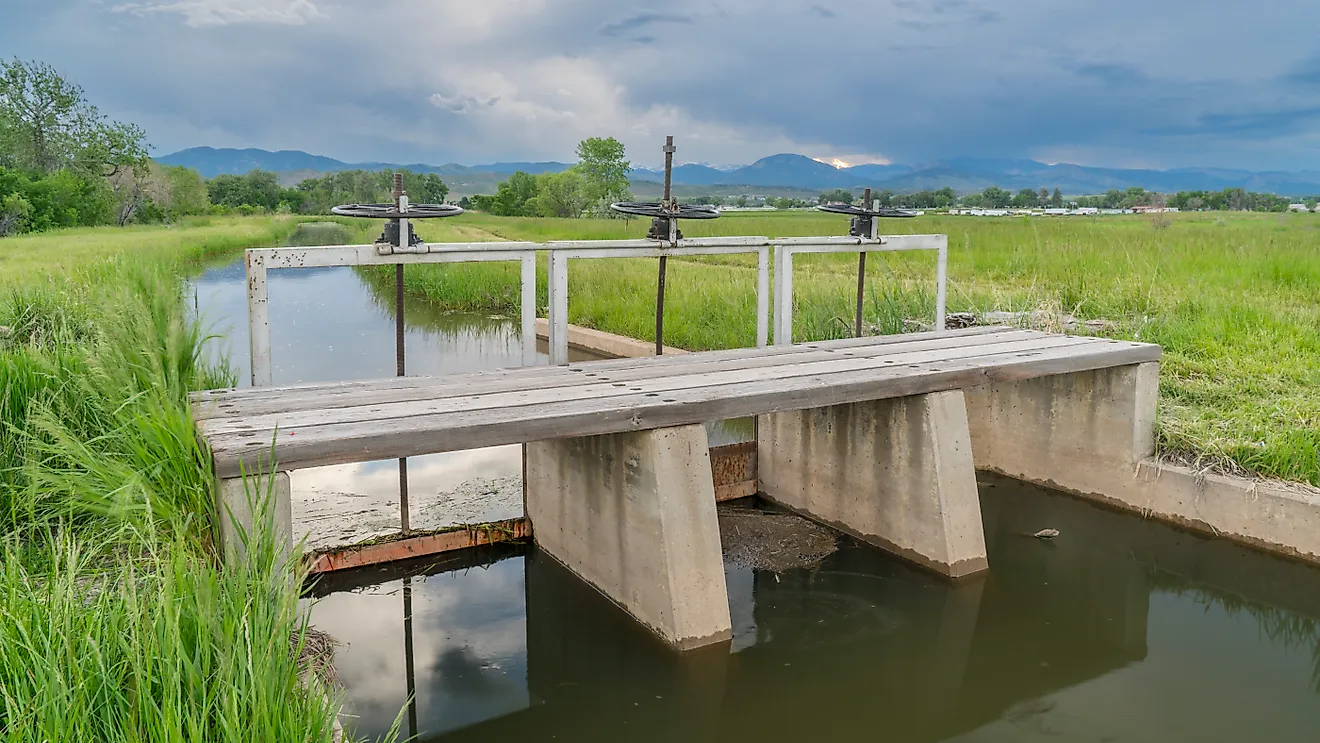
This effort is paired with barriers that can block sea lampreys from reaching tributary spawning grounds and traps to catch adult sea lampreys. These efforts were tremendously successful, reducing the population of sea lampreys by as much as 90%.
Following this application in the 1950s and 1960s, and reductions in sea lamprey populations, the Great Lakes Fishery Commission began releasing hatchery-raised lake trout into the lake. By 1996, the population had improved enough to slow down the release of hatchery fish into Lake Superior.
This project involved not just federal authorities in the U.S. and Canada, but also commercial enterprises, hatcheries, fishers, and Native American tribes.
By 2024, the Great Lakes Fishery Commission officially declared that the efforts to restore the lake trout in Lake Superior had been a success.
In announcing the milestone, the commission described the recovery of this keystone species, from near extirpation to a healthy, self-sustaining population, as the product of a decades-long effort across many jurisdictions. That work depended on careful management by the states, the province, and the tribes, on sea lamprey control carried out by Fisheries and Oceans Canada and the U.S. Fish and Wildlife Service, and on the rearing and stocking of lake trout by the U.S. Fish and Wildlife Service.
The ongoing effort to protect native fish
Despite this success, managing Lake Superior to protect the native fish is still an ongoing effort, as the Great Lakes Fishery Commission has to continue to both prevent overfishing and monitor for invasive species, including managing the existing sea lampreys and preventing other invasive species from entering the lake. One such invasive species under watch is the Asian carp, which has been discovered a few miles to the south of Lake Michigan. This fish could outcompete others for resources and destroy biological diversity. Managing Lake Superior is a multifaceted effort that also requires the cooperation of boaters and fishers to ensure they don't pollute the lake or accidentally introduce invasive species into its waters.