How Deep Lake Baikal Is Compared To America's Deepest Lakes
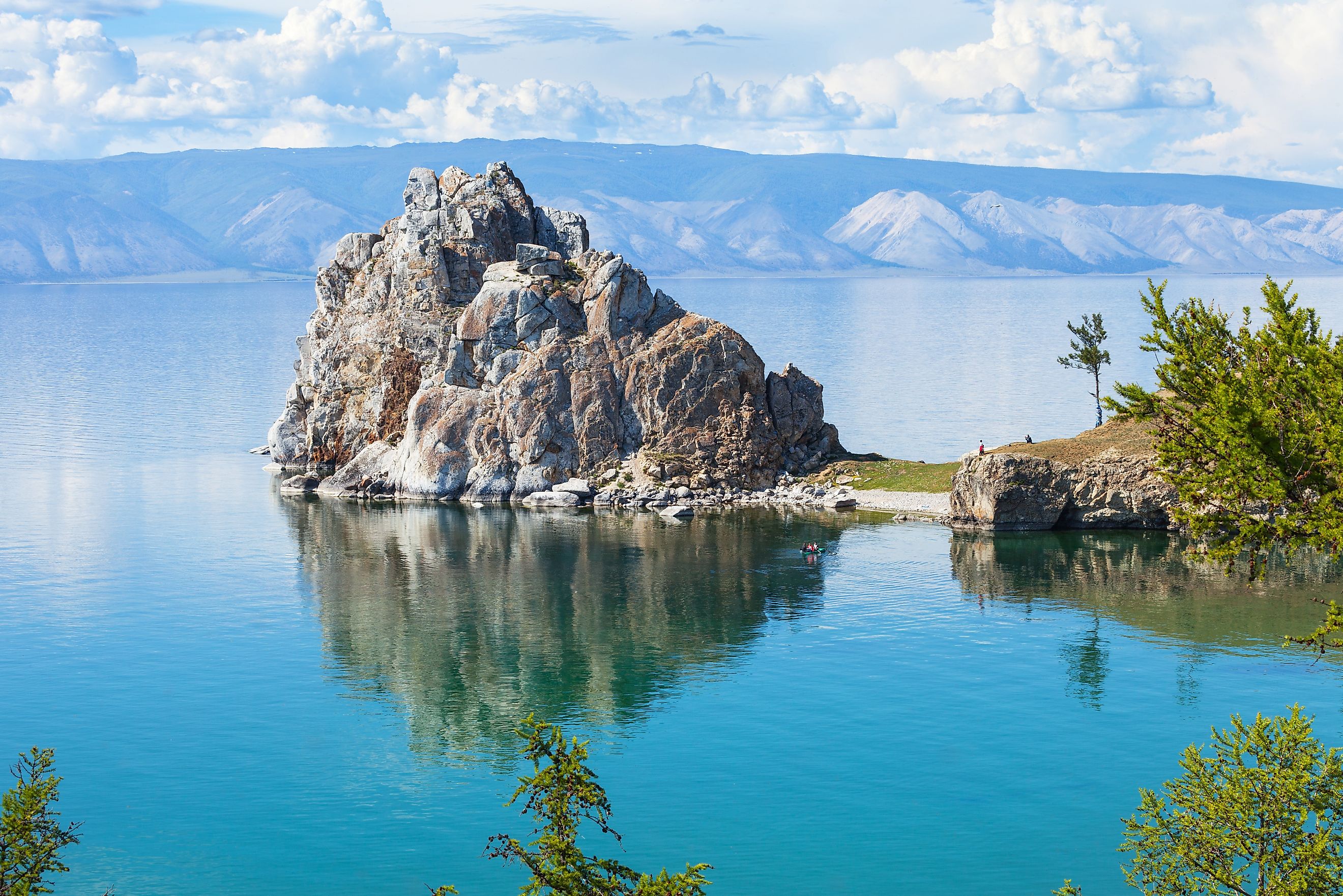
Lake Baikal is the deepest lake on Earth. It is nearly 3,500 feet deeper than the deepest lake in America. With a maximum depth of 5,315 feet, this Siberian lake is also the largest freshwater lake on Earth by water volume. In this story, we will examine the 4 deepest lakes in the U.S. We will see how they compare with Lake Baikal, starting in reverse order.
Lake Superior

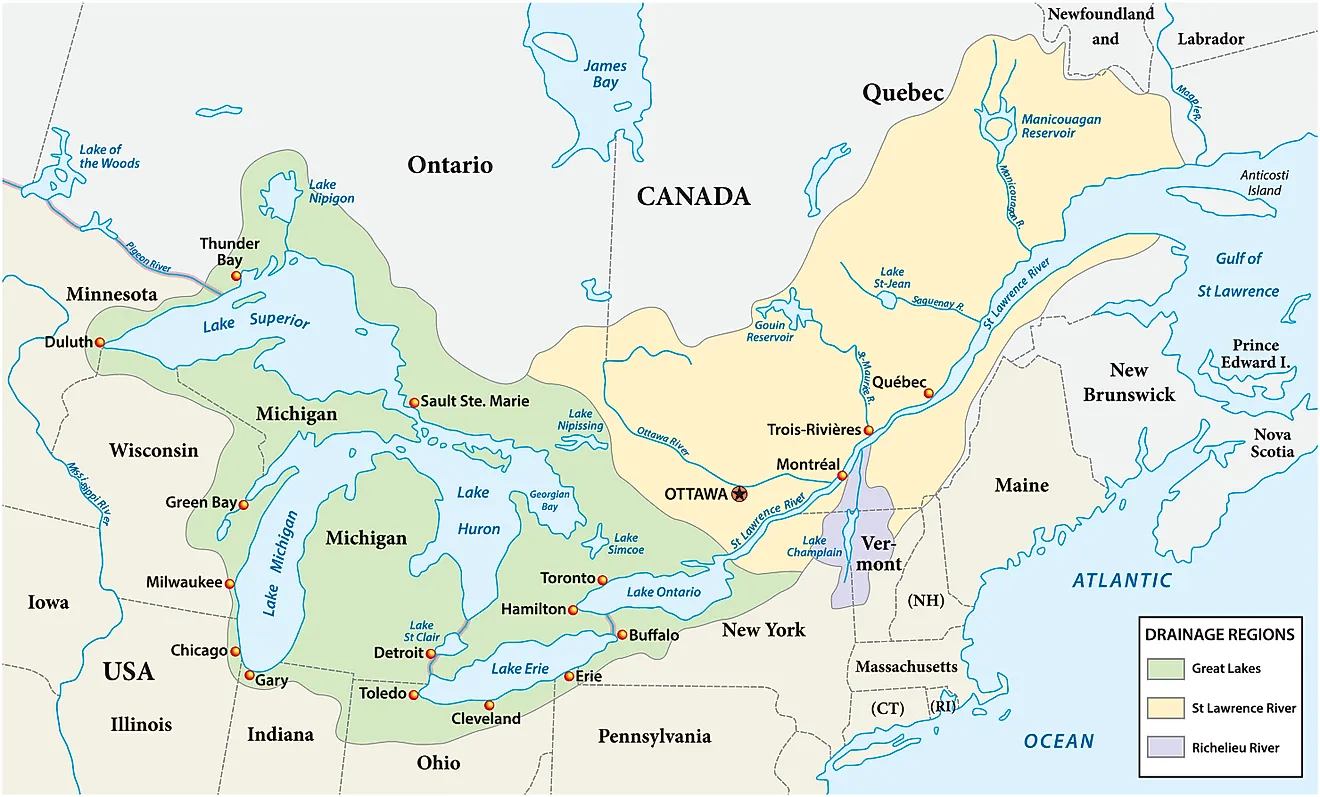
Lake Superior is the fourth deepest lake in the U.S. with a maximum depth of 1,332 feet and an average depth of 483 feet. It is the deepest of the Great Lakes and the largest freshwater lake on Earth by surface area at 31,700 square miles.
When measured by water volume, it is the third largest lake with a total volume of 2,900 cubic miles, putting it behind Lake Tanganyika in Central Africa and Lake Baikal. Lake Superior is the coldest of the Great Lakes on average, with its annual average sitting at 40 degrees Fahrenheit. However, when compared on a five-year basis, Lake Erie actually records colder temperatures due to its shallow waters freezing faster than Lake Superior.
Lake Superior also contains Isle Royale, the largest island in the lake, which is 45 miles long by nine miles wide and today is part of the only national park in Michigan, Isle Royale National Park.
Lake Chelan

Lake Chelan has a maximum depth of 1,486 feet, around 150 feet deeper than Lake Superior, and an average depth of 474 feet. It sits in a valley in Washington, which was carved by a glacier and is fed by the Stehekin River. The lake sits in the North Cascade Range. From the isolated town of Stehekin, travelers often go out on the 17-mile Chelan Lakeshore Trail.
Lake Chelan has often been compared to a fjord due to it sitting within a glacial gorge. It is at a high elevation at 1,098 feet. The lake has a maximum length of 55 miles and a water volume of 4.67 cubic miles. Most of the lake sits within the Okanogan National Forest, but some of it is accessible from Lake Chelan State Park.
Lake Tahoe

Lake Tahoe is the second deepest lake in the US with a maximum depth of 1,645 feet and an average depth of 1,000 feet. It sits on the border between California and Nevada and has a shoreline of 72 miles and a total surface area of 191 square miles.
Lake Tahoe gains a lot of attention due to its clear blue waters, which led naturalist John Muir to state in 1873 that the lake was "a kind of water heaven." This blue color comes both from the lake reflecting the blue sky and its clarity. In some places, one can see 70 feet underwater. This clarity comes from the precipitation. Of the rain, 40% falls directly on Lake Tahoe itself, while the rest is drained of particles in the surrounding marshes and meadows.
Crater Lake
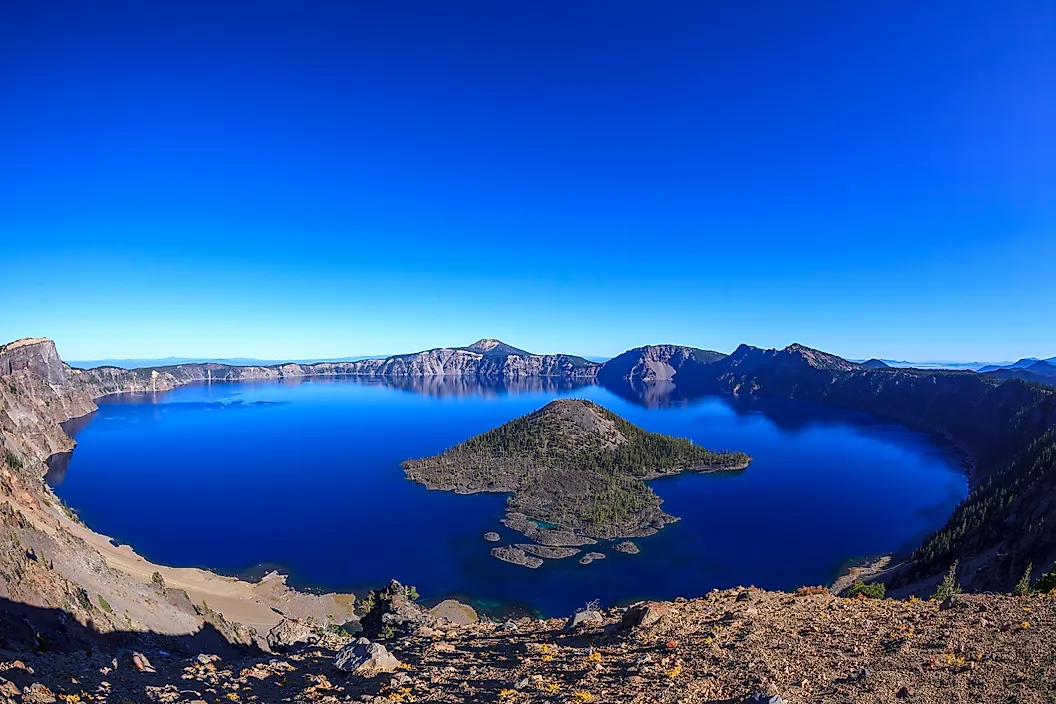
Crater Lake is the deepest lake in the U.S., with a maximum depth of 1,949 feet and an average depth of 1,148 feet. Located in Oregon, it is so deep because it used to be a volcano. A major eruption 7,700 years ago caused Mount Mazama to collapse, forming a 0.8-mile-deep caldera. Over time, this caldera filled with snow and rain, gradually creating Crater Lake over a period of around 250 years.
The lake has no inlets or outlets, making it completely isolated from any source of water. Because of this isolation, the water is very clear and blue, with some areas having visibility up to 102 feet deep. Today, the lake is part of the Crater Lake National Park.
Lake Baikal

Located in southeastern Siberia within the larger Russian Federation, Lake Baikal is vastly deep, with an average depth of 2,442 feet, which is deeper than the maximum depth of all of America's lakes. It is also the largest freshwater lake in the world by volume at 5,500 cubic miles, although its surface area is only 12,200 square miles, which is smaller than Lake Superior, Michigan, and Huron. The lake is fed by more than 330 rivers and smaller streams.
Lake Baikal is also the oldest freshwater lake on Earth, dating back 25 to 30 million years. It was formed by plate tectonics, where parts of the Earth's crust began to separate, forming a rift valley through which water flowed down. Due to its unique environment, there is wildlife that can only be found at Lake Baikal, such as golomyanka, which are pink fish that are eaten by seals. There are 56 identified species of fish that live in the lake, which support both recreational and commercial fishing operations.
Lake Baikal holds more freshwater than anywhere else
Lake Baikal holds 20% of the world's surface freshwater supply. By water volume, it is larger than all of the Great Lakes put together, which have a total water volume of 5,439 cubic miles, compared to Lake Baikal's 5,500 cubic miles. However, it is not as well known as other lakes due to its isolation and small population. Due to its long history and depth, it has been named a UNESCO World Heritage Site, alongside many world landmarks such as the Acropolis in Athens.