Geography Of The World
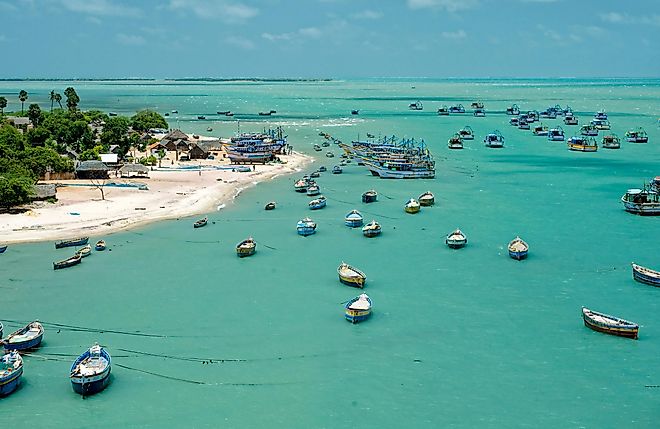
Gulf Of Mannar
Along the southeast coast of India lies the Gulf of Mannar, containing 21 islands and, most importantly, a large array of protected marine life.
James River
This article will go into greater detail about The James River, located in Virginia and ending in the Atlantic ocean, and its history and course.
Cook Strait
Cook Strait is a stretch of water that formed when sea levels rose at the end of the last Ice Age, dividing New Zealand's North and South Islands.
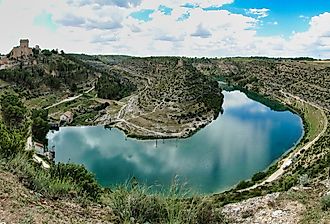
Jucar River
The Jucar River, or the Xúquer River in Valencian, is a prominent Spanish river that flows for around 316 miles (500 kilometers).
Bosna River
The Bosna River is one of Bosnia-Herzegovina's three major internal rivers and the third longest river in the nation, measuring at 168-miles long.
Jamuna River
The Jamuna River is one of the largest rivers in Bangladesh. The river travels through the center of the country and travels south to the Bay of Bengal.
Guadalquivir River
Located in southern Spain, the Guadalquivir River is a vital waterway that flows for 408 miles and empties into the Atlantic Ocean.
Grand Lake of the Cherokees
The Grand Lake of the Cherokees is one of the largest human-built lakes in Oklahoma. It was formed in the mid-1900s.
Haho River
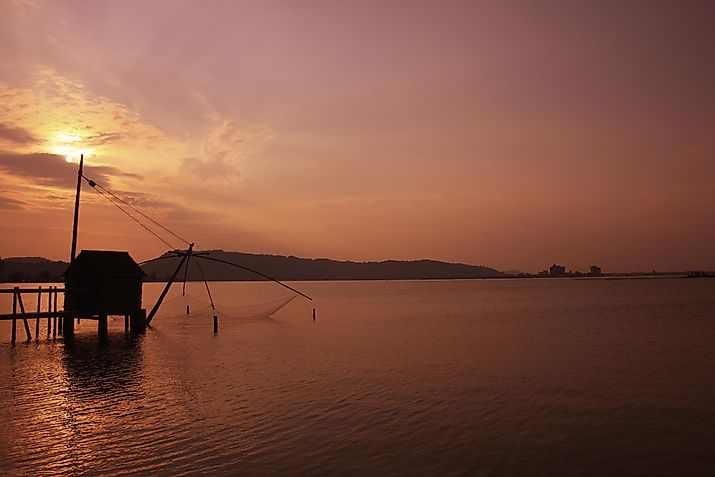
In Southern West Africa, running through the southern part of Togo until it connects with Lake Togo, is the Haho River.
Evoikos Gulf
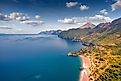
The Evoikos Gulf is also known as the Gulf of Eurboea, and it derives its name from the large island to the east of the Greek mainland.
Gulf Of Gabes
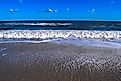
The gulf spans 60 miles wide and 60 miles long and is bounded by the Qarqannah Islands on the northeast and by Jarbah (Djerba) Island on the southeast.
8 Most Beautiful Lakes In South Dakota
These crystal-clear lakes of Mount Rushmore State offer a perfect escape from the hustle and bustle of daily city life.
Gulf of Manfredonia
The Gulf of Manfredonia, also known as Golfo di Manfredonia in Italian, is an inlet of the Adriatic Sea on the eastern coast of Italy.
Gulf of Taranto
The Gulf of Taranto is an almost square-shaped gulf of the Ionian Sea that fills the gap between the “toe” and “heel” of the boot of Italy
Gulf of Maine
The Gulf of Maine is an expansive gulf of the Atlantic Ocean surrounded on its northern and western sides by the North American mainland.
Illinois River
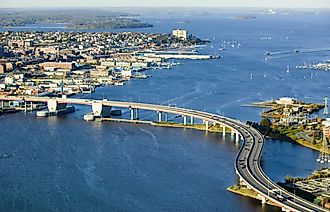
The Illinois River is formed by the Des Plaines and Kankakee River junction, the Illinois River traverses west from Joliet toward Hennepin.
Hudson Strait
The Hudson Strait connects the Atlantic Ocean and the Labrador Sea to the Hudson Bay in east-central Canada. It is a narrow sea channel.
Coeroeni River
The Coeroeni River is a tributary to the Corantijin River, a water body that spans between Suriname and Guyana's eastern areas.
Guapore River
The Guaporé River is a major waterway in South America, spanning 1,087 miles in length that flows through Brazil and Bolivia.
Faleme River
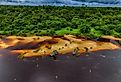
The Faleme River is an important tributary of the Senegal River in West Africa that flows for about 250 miles along the border between Guinea and Senegal.
9 Most Beautiful Lakes in Wyoming
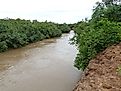
Wyoming's most beautiful lakes spread across its varied landscape, from the majestic Grand Teton mountains to the vast and open plains.
Ertis River
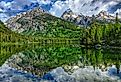
Ertis River is a prominent body of water in west-central Asia. It cuts a line through the Chinese border between Kazakhstan, Mongolia, and Russia.
Gulf of Cadiz
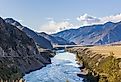
Cadiz Gulf, extends approximately 200 miles and is a part of the Atlantic Ocean. The closest countries are Portugal and Spain.
Elbe River
With its source in the Krkonoše Mountains and its mouth in the North Sea, the Elbe River embodies all that has shaped Central Europe.
8 Most Beautiful Lakes In New Jersey
Discover the most scenic and breathtaking lakes in New Jersey with our comprehensive guide. From deep blue waters to picturesque surroundings, our list will inspire your next outdoor adventure.
Gulf Of Valencia
Also referred to as Golfo de Valencia in Spanish, the Gulf of Valencia, located on Spain’s eastern coast, is an inlet or gulf of the western Mediterranean Sea
Caqueta River
The Caquetá River originates from the Colombian Andes, specifically from the Eastern Cordillera, and meanders through both Colombia and Brazil.
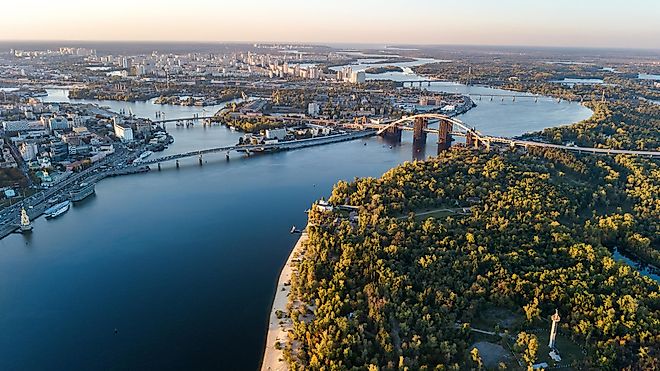
Dnipro River
Eastern Europe's Dnipro River begins in Russia, flows through a significant portion of Belarus, and then bisects Ukraine on its way to the Black Sea.
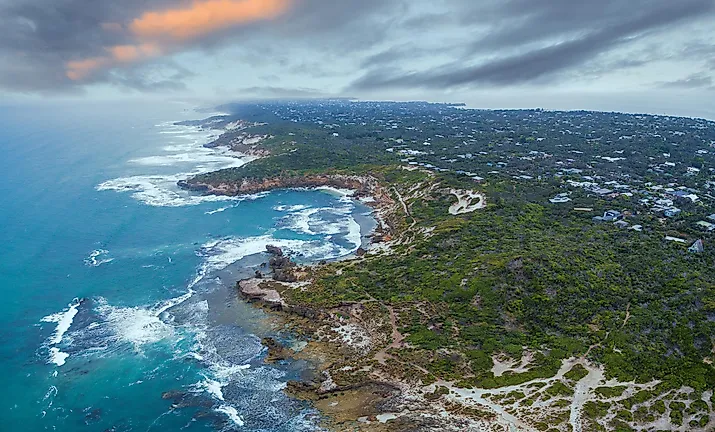
Great Belt
The Great Belt is a bridge and an essential mode for trade between Denmark and the rest of Europe. This article will explore the bridge and its history.
Gulf Of Genoa
The Gulf of Genoa, located on the northwestern coast of Italy, stretches across a vast area of approximately 5,500 square miles.
11 Most Beautiful Lakes in New York
The lakes on this list are in Upstate New York, the often-forgotten northern part of the State, and are full of natural beauty.
Gulf Of Venice
The Gulf of Venice is surrounded by the northeastern part of Italy and the southwestern parts of Slovenia and Croatia.
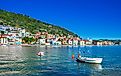
Gulf Of Laconia
The Gulf of Laconia is a region with substantial importance to human history as well as the ecosystems that depend on it.
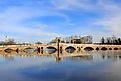
Evros River
As the second largest river located in the Balkans and flowing through the countries of Bulgaria, Greece, and Turkey, it serves as a trade route and political border.
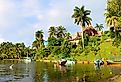
Gulf of Honduras
The Gulf of Honduras is a large inlet of the Caribbean Sea, which indents three Central American countries: Guatemala, Belize, and Honduras.