The National Forests With The Best Fall Color
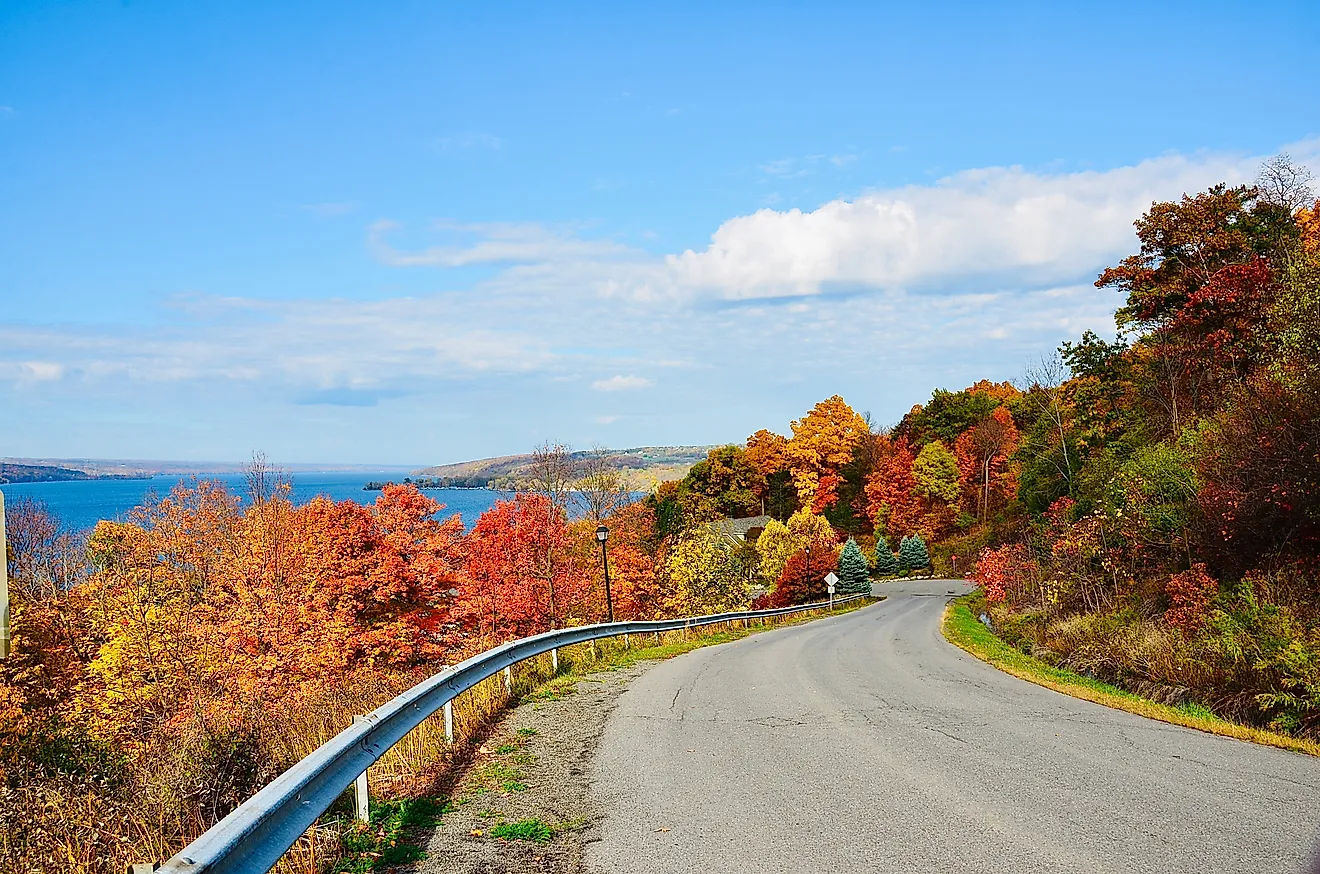
Fall wonderfully transforms many forests across the United States, with hardwood trees often producing awesome displays of color late in the year from east to west. The timing varies considerably by region and elevation, with some forests reaching peak color in September and other, more southern spots holding their leaves well into November. They also provide plenty to do for visitors during this season, when temperatures are usually much more manageable, such as scenic drives, mountain hikes, wildlife viewing, fishing, paddling, and sightseeing notable landmarks. The following federally managed woodlands stand out for their combination of exceptional leaf peeping opportunities and worthwhile experiences.
White Mountain National Forest

White Mountain National Forest is probably the best destination in all of New England for fall color, boasting massive hardwood forests covering the lower slopes of the White Mountains across New Hampshire and western Maine. It has more than 1,200 miles (1,931 km) of hiking trails to explore, with autumn season visitors able to travel on foot through forests of sugar maple, red maple, birch, and beech. However, note that higher elevations develop color much earlier than the lower valleys, making arrival in late September/early October essential if you intend to do some mountain climbing.
Mount Chocorua is a particularly great spot, with rocky ledges giving broad views across the surrounding mountains and forests. Although shorter hikes in Pinkham Notch lead to locales like Lost Pond, Square Ledge, and several waterfalls, making it possible to see autumn scenery without committing to a long mountain hike. Moreover, drives along nearby routes such as the Kancamagus Highway bring easy access to numerous other overlooks, trailheads, picnic areas, and riverside viewpoints.
Camping is available at a number of developed campgrounds, too, while backpackers can also get to backcountry trails. Again, fall conditions can change quickly at higher elevations, so hikers and campers alike should be prepared for colder temperatures and potentially wet or icy terrain.
Pisgah National Forest

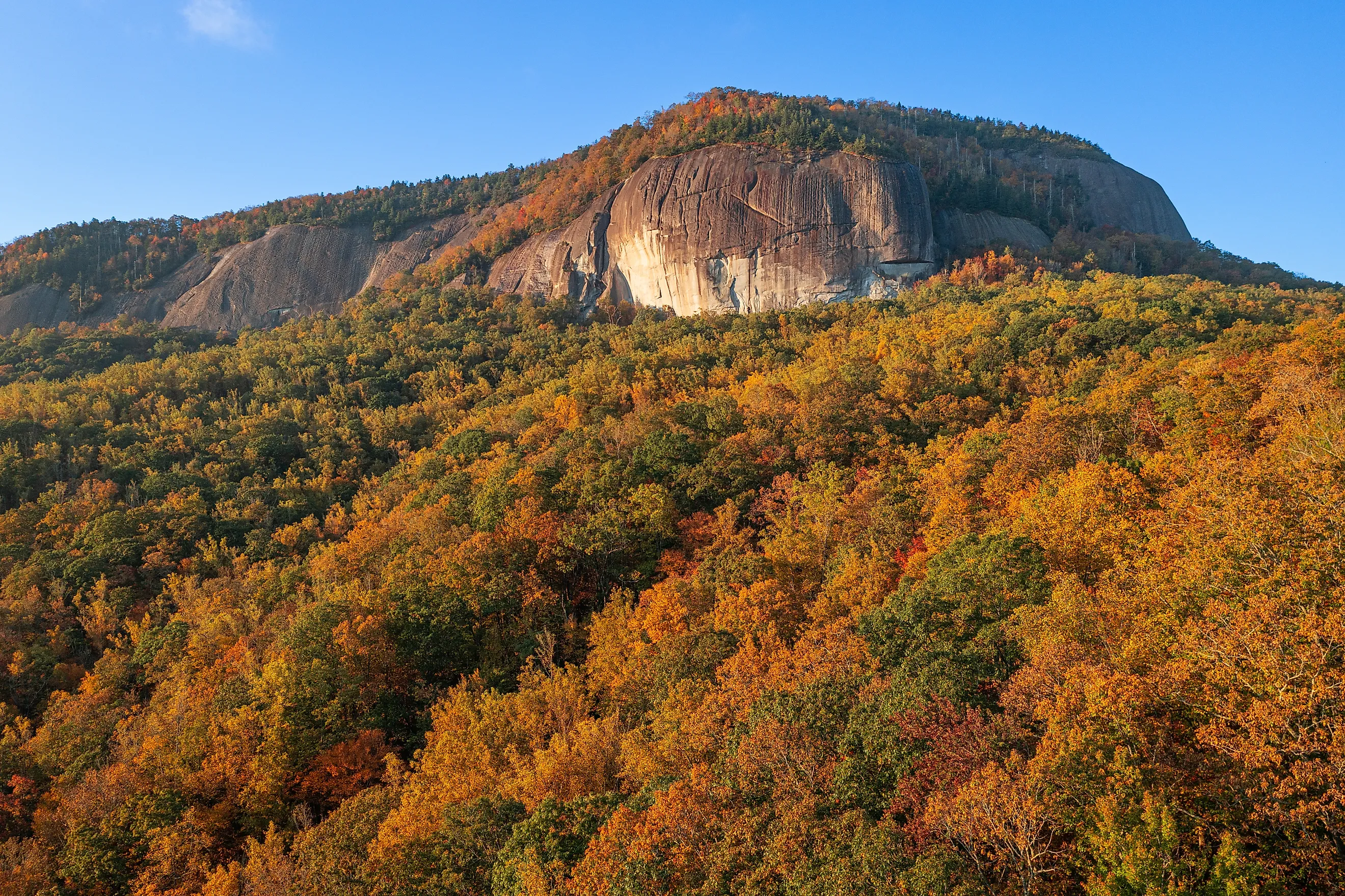
North Carolina's Pisgah National Forest becomes particularly colorful in October and November, when its over 500,000 acres of woodlands turn shades of yellow, orange, and red. Fall color generally arrives first at higher elevations before progressing into the valleys below, although not quite as early as New England in this southern state.
The Blue Ridge Parkway is perhaps the best way to sightsee, as it provides access to many lookouts and trailheads, including routes near Mount Pisgah and Graveyard Fields, where hikers can often see broad mountain vistas framed by spectacular autumn foliage. The Cradle of Forestry, near Brevard, then adds a historical stop focused on the development of forest conservation in the United States.
Waterfalls are another major attraction any time of the year, with Looking Glass Falls and Sliding Rock easily reached from the local network of Forest Service roads. Other hiking options include both quick jaunts and strenuous mountain routes, while sections of the Davidson River provide opportunities for trout fishing.
Campgrounds throughout the region make it possible to stay among the changing leaves for an extended time, although, like in the White Mountains, temperatures can drop sharply at higher elevations, making it necessary to prepare for cold weather more often than not at this time.
Superior National Forest

Superior National Forest offers another kind of leaf-peeping experience this fall, with vast stands of aspen, birch, maple, and oak instead transforming the landscape across northern Minnesota. September and early October are generally the prime period, with color, of course, arriving earlier in the northern and higher areas of the park.
The Gunflint Trail is one of the best ways to explore this Midwestern forest, winding through dense, untouched woodlands and past numerous lakes, overlooks, and trailheads. You can take a simple lakeside walk or opt for a longer wilderness route, while paddlers can also explore the Boundary Waters Canoe Area Wilderness, where seemingly endless forests surround hundreds of little-visited lakes and waterways. Scenic driving routes, fishing, camping, and wildlife viewing provide additional ways to experience the season, giving any kind of outdoorsman a chance to appreciate the area.
Fall is also just a quieter time to visit than the summer months, although temperatures can fluctuate significantly, particularly at night as the state's notoriously long winters approach. Always check road and trail conditions before setting out, since some areas can become wet or even frosty as the season progresses.
Allegheny National Forest

If you like exploring on the road, Allegheny National Forest in northwestern Pennsylvania is especially well suited to a fall outing, when its extensive northern hardwood forests turn the hillsides into a patchwork of color. The Kinzua Sky Walk is a major stop for any local road trip, standing 225 ft (69 m) above the Kinzua Gorge and providing unforgettable views across the landscape. You can also take the Longhouse National Scenic Byway, which circles Allegheny Reservoir and passes through some of the forest's most heavily wooded and wild sections.
For those who prefer a slower-paced excursion, footpaths like the Rimrock Overlook Trail provide sights over the reservoir and its surrounding hills, whereas the Hickory Creek Wilderness gives a more remote hiking experience, with trails passing through old-growth forest far from major roads.
Fall is also a good season for paddling on Allegheny Reservoir, fishing its tributaries, and camping, with the most vibrant vegetation typically occurring from late September into mid-October.
Bridger-Teton National Forest

To the west, the Bridger-Teton National Forest takes on a different character in autumn, as its widespread groves of quaking aspen strictly turn golden yellow against the darker conifers and rugged peaks of Wyoming's Rocky Mountains. September is generally the best month for fall color, particularly around Jackson Hole and the Gros Ventre Range. Also keep in mind that destinations higher up in the mountains can receive snow as early as September, so conditions can change or even close quickly even while lower valleys remain accessible.
The Gros Ventre Road offers what many consider the easiest access to truly scenic viewpoints in Bridger-Teton, as well as some of the region's best trails and fishable waterways, while the Snake River corridor gives visitors unbeatable views toward the towering Teton Range. Hikers looking for a challenge can tackle trails around Pinedale, Jackson, and Alpine, with most weaving through aspen groves up to more demanding mountain excursions.
Fall is also a good time to explore the forest by mountain bike, or if you have a capable vehicle, embark on other scenic drives throughout the backcountry. Wildlife viewing can be especially productive in these places in autumn, too, when local elk and other animals become more active during their rutting season.
Umpqua National Forest

Umpqua National Forest brings plenty of wonderful fall scenery to the Pacific Northwest. Set a little ways inland from Oregon's lush coast, its bigleaf maples turn brilliant yellow along river valleys, while vine maples can produce vivid red and orange foliage beneath the Douglas firs and western hemlocks.
The North Umpqua River Scenic Byway is a popular route for seeing these seasonal changes, with pullouts and trails leading to several points of interest. Toketee Falls and Watson Falls remain top choices for sightseeing and photography, while the Clearwater Falls area provides an easy stop surrounded by particularly dense forest. Furthermore, anglers can fish the North Umpqua River, and longer-distance hikers can choose from a variety of trails through the nearby mountains.
Crater Lake National Park also lies just east of the forest, making Umpqua useful as part of a broader southern Oregon road trip.
Make the Most of this Upcoming Fall Season
America's national forests provide some of the best places to experience the great outdoors. Regardless of the time of year, their extensive trail systems, scenic driving options, waterways, and incredible mountain landscapes create numerous ways to explore the changing foliage. Because peak color varies by region and elevation, planning appropriately around local conditions can help you catch these spots at their most colorful.