What It Would Take To Regrow An Old-Growth Forest
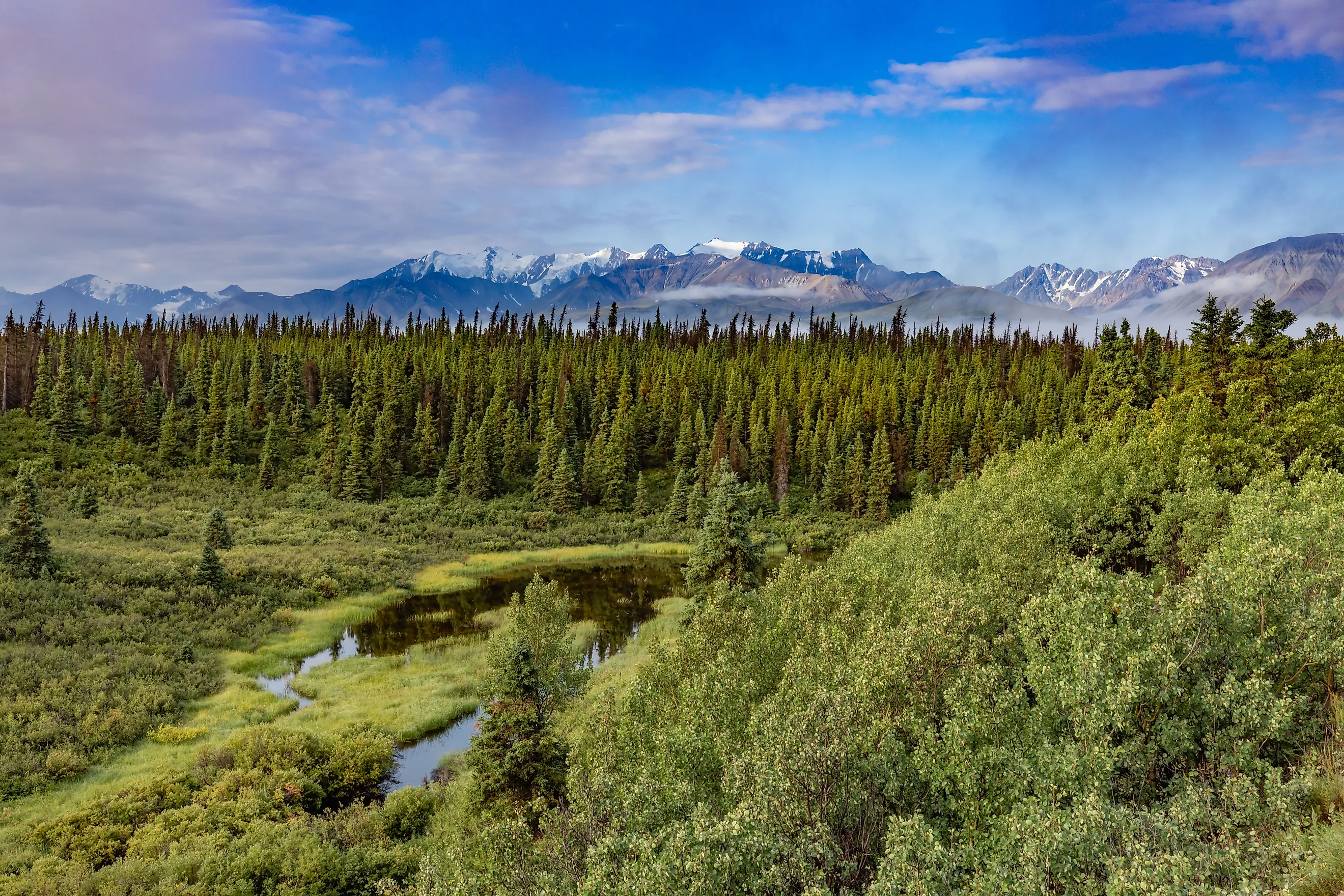
A true old-growth forest cannot be 3D Printed, or even recreated in a human lifetime. These fascinating ecosystems develop over hundreds of years, instead through natural succession and long periods of uninterrupted, multigenerational growth. While tree planting can help restore degraded landscapes, regrowing an old-growth forest requires much more. Steps include protecting existing mature forests, allowing second-growth stands to age, restoring native species natural ecological processes, and preserving the complex canopy structure that supports all-around biodiversity.
Understanding the difference between woodlands at their various life stages is essential for understanding why old-growth forests are so rare, and what it would actually take to bring them back on a meaningful scale. Here, we will discuss the different kinds of forest found around the world as they age into old-growth, and cover what would need to be done to foster these essential habitats into the future.
The Various Life Stages of Forests
Woodlands generally have life stages, kind of like we do, cycling from birth and growth to maturation and death, then, depending on the circumstances,beginning all over again. Here is a rundown of the three main stages most forests see throughout their lifetimes.
Seral Forest

A seral forest is a temporary stage in ecological succession that develops after a major disturbance, like a fire, a logging operation, windthrow, or insect outbreaks. These forests are dominated by fast-growing species that quickly colonize open ground and capture as much sunlight as possible before bigger foliage takes over.
In many North American forests, early seral tree communities may include aspens, birches, alders, or dense stands of young conifers, as well as a plethora of wildflowers including fireweed, trilliums, and wood anemone. Trees in seral woodlands are usually similar in age (as they often spring out of the ground at around the same time), the canopy is relatively simple, and dead wood is of course limited when compared with older forests. Animals associated with shrubs, grasses, and sunlit habitats often thrive during this phase, too.
Although often looking depleted, the seral stage is a natural and necessary part of forest development, gradually modifying soil, moisture, and light conditions that allow later successional species to establish.
Second-Growth Forest

A second-growth forest develops after an earlier forest has been substantially removed, most commonly through logging, agriculture, or severe fire. Unlike a seral forest, it has progressed beyond the earliest stages of succession and is beginning to acquire a more complex structure.
Tree species may include both pioneer species and longer-lived, shade-tolerant species that establish beneath the canopy. Second-growth forests also usually contain larger trees, a denser canopy, developing understory layers, and increasing amounts of fallen logs and standing dead trees.
Depending on climate and disturbance history, second-growth forests may be several decades to more than a century old. However, it still lacks many characteristics of an old-growth forest, such as very large trees, multiple canopy layers, and centuries of accumulated biological debris.
Old-Growth Forest

An old-growth forest is a woodland ecosystem that has developed over a very long period with little or no destructive interference. Its defining feature is not simply great age, but a structural complexity created through centuries of natural processes.
Old-growth forests typically contain very large (both wide and tall) living trees, multiple canopy layers, plenty of standing dead trees, large fallen logs, canopy gaps formed by individual tree mortality, and a plethora of highly diverse microhabitats. The accumulated dead wood stores carbon, retains moisture, supports fungi and insects, and creates habitat for specialized wildlife species.
In these zones, trees are often unevenly aged, with seedlings, mature trees, and ancient individuals growing together. In temperate regions, true old-growth conditions may require 200 to 500 years or more to develop, while some boreal and coastal forests may take even longer than that.
Why Do We Need Old-Growth Forests?

Old-growth forests play a critical role in maintaining planetary health because, as mentioned, they store enormous amounts of carbon in living trees, dead wood, and forest soils alike. And unlike young forests, they continue accumulating carbon for centuries, making them one of the most effective natural tools for slowing global warming. Their complex structure also regulates local and regional water cycles by absorbing rainfall, reducing runoff, stabilizing stream flows, and maintaining humidity levels.
These nutrient-rich microhabitats sustain the ecological processes over long periods that countless creatures depend on for food, shelter, and everything in between. Supporting exceptionally high biodiversity, they provide habitat for countless lifeforms that cannot survive in younger, simplified forests. Further, old-growth woods protect soils from erosion, moderate local temperatures, filter air pollutants, and serve as genetic reservoirs that increase ecosystem resilience in the face of changing climates and increasing disturbance from urban developments. These are critical, diverse ecosytems which simply cannot be manufactured, and must be allowed to develop over considerable time.
How Do We Regrow These Vital, Ancient Woodlands?

The best method for maintaining old-growth forests is to hold onto the ones we already have. That can be done through enforcement of strict zoning laws, environmental regulations, and educational initiatives. But in terms of creating new ones, regrowing an old-growth forest requires far more than simply planting trees.
The initial step is to protect large areas from repeated disturbances like industrial logging and road construction, or mining and intensive development. Where forests have been heavily degraded, restoration may also involve reintroducing native tree species, removing invasive plants, allowing limited wildfires to take place, and reconnecting fragmented habitat corridors. Moreover, natural regeneration is often more effective and preferable over planting because local tree species are often adapted to the site’s soils, climate, and moisture conditions.
Forest managers must also retain as many dead trees, fallen logs, and patches of mature forest as possible since these features provide habitat for wildlife, store nutrients that will be used by future plants and animals, and help younger forests develop structural complexity as time goes on.
Equally important (and this is the truly hard part) is allowing forests to age for centuries with minimal human interference. A 50-year-old forest, for example, is still ecologically young. Many old-growth characteristics such as massive trees, multilayered canopies, and abundant woody debris only appear after 200 years or more, depending on the climate and forest type.
What Future Do We Want?
Trees are quick and easy to cut down, but they're much slower to grow until they become old-growth forest. Imagine the developments you have seen built over your lifetime, bearing in mind the wooded areas they have likely replaced. With each successive generation of human development, the perceived average amount of tree cover diminishes, and we grow accustomed to seeing tarmac where there was once a thriving ecosystem. To protect and maintain old-growth forest is to protect the natural inheritance of future generations.