The State Parks With The Most Coral Snakes
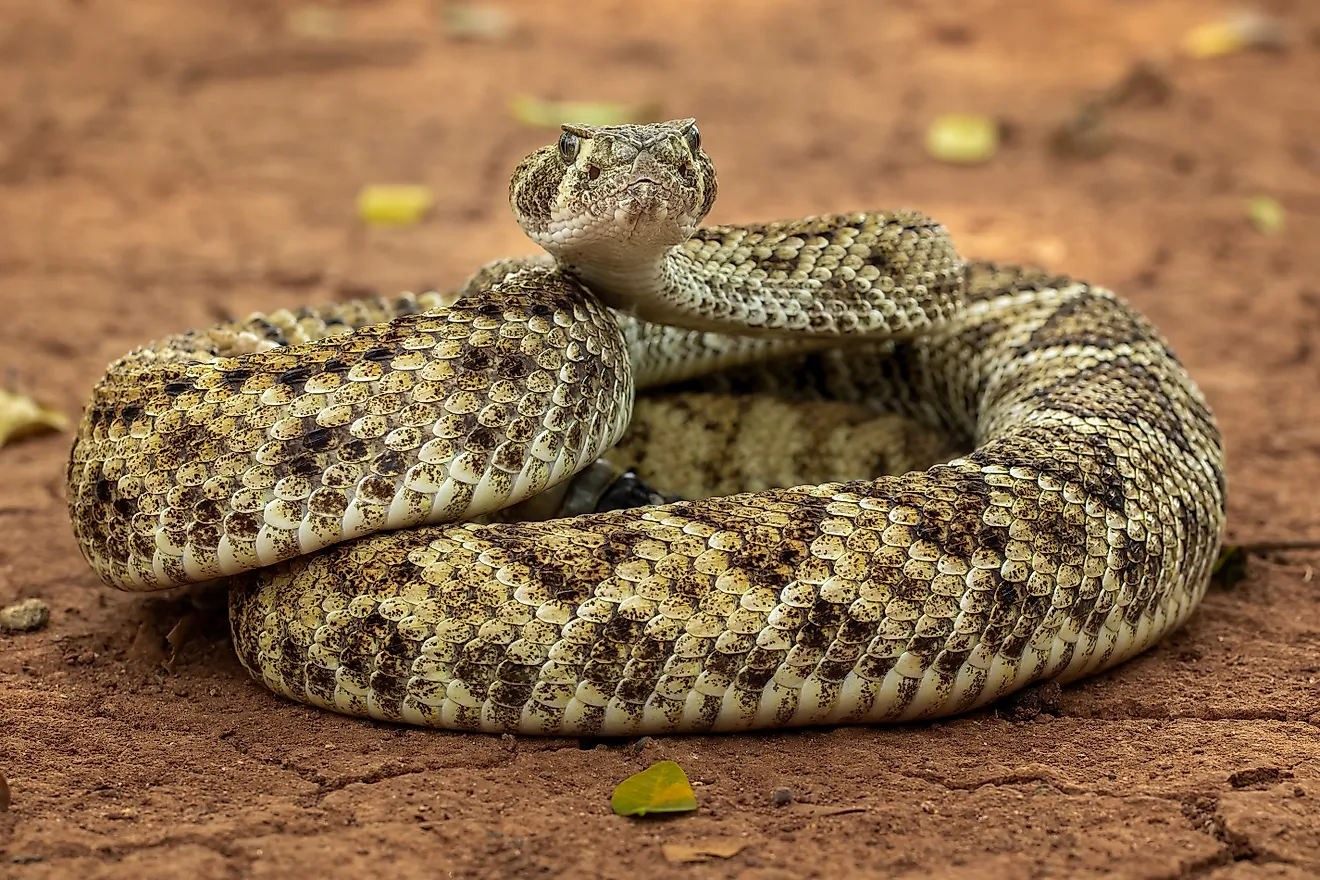
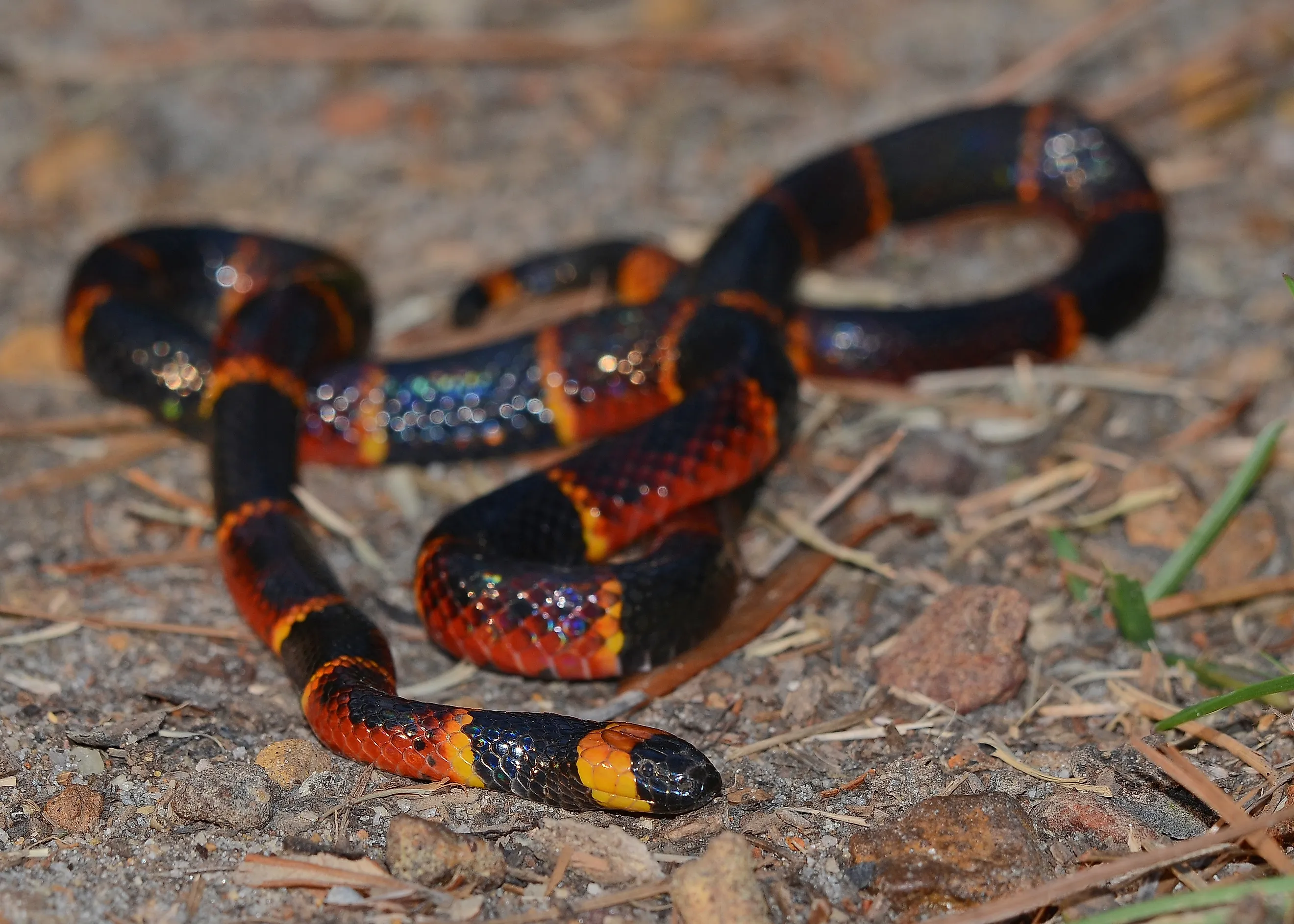
You could step right over one and never know it was there. In five state parks across Florida and Texas, coral snakes lie hidden beneath leaves and loose soil, often just steps from the trails and campsites people use every day. Their red, yellow, and black bands are easy to recognize, yet the snakes stay out of sight, so most hikers never see one. Drop for drop, their venom ranks among the most potent of any snake in North America, a neurotoxin that can paralyze the muscles used for breathing, and its effects may be delayed for hours. Florida’s eastern coral snake (Micrurus fulvius) and the Texas coral snake (Micrurus tener) are separate species, both small enough to disappear into the ground where you set your feet.
Mike Roess Gold Head Branch State Park, Florida

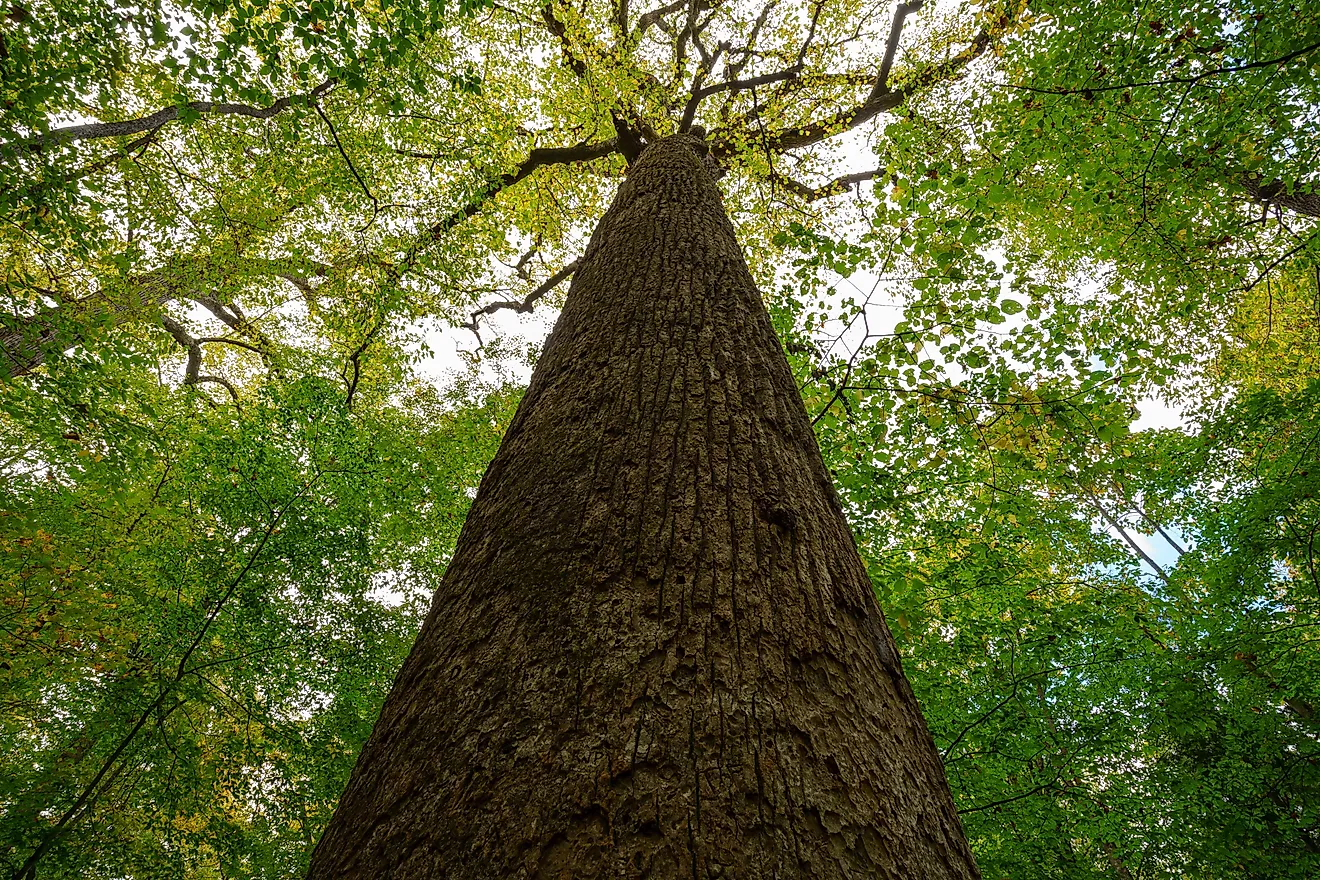
Old-growth longleaf pines stand above the rolling sandhills at Gold Head Branch, near Keystone Heights. Below them, springs supply a stream that has cut a deep ravine through the terrain. Eastern coral snakes occur here, sharing the park with a much larger snake, the eastern indigo (Drymarchon couperi).
The eastern coral snake forages by probing its head into leaf litter, searching for small reptiles. Its red and black rings are separated by narrow yellow bands, and the rounded snout is black. Those markings can be difficult to notice when the animal stays beneath cover. The park's spring-fed branch runs through the ravine toward Little Lake Johnson. A 5.4-mile stretch of the Florida National Scenic Trail crosses the property, connecting it with surrounding public lands.
Little Manatee River State Park, Florida

About four and a half miles of the Little Manatee River wind through this park near Wimauma. The dark water passes riverine hammock and floodplain forest, with sand pine woods and scrubby flatwoods elsewhere on the property. Eastern coral snakes live here, as do cottonmouths. For coral snakes, suitable habitat can include well-drained scrub as well as wetter woodland along swamp margins.
Oak scrub and oxbow wetlands add further changes in vegetation across the park. Along the river, the 0.8-mile Oxbow Nature Trail begins beside the main picnic area. The park also protects remnants of sandhill habitat and mature sand pine forest. Its river is rain-fed and tidally influenced.
Falling Waters State Park, Florida

Eastern coral snakes are among the reptiles living in this Panhandle park near Chipley, where pine forest occupies much of the ground above Florida's tallest waterfall. Repeated prescribed burns have helped restore that pine woodland after decades of fire suppression allowed hardwood growth to thicken.
A stream drops 73 feet into a cylindrical sinkhole, with moister hardwood forest around the sinkholes and along seepage streams. On the uplands, longleaf pines grow above a ground layer that includes wiregrass.
Prescribed fire helps keep that pine woodland open by limiting woody growth that would shade the ground. Gopher tortoises also occupy the uplands. Their digging brings buried soil to the surface and produces burrows that other animals can use for shelter.
Stephen F. Austin State Park, Texas

Coral snakes live along the Brazos River at Stephen F. Austin State Park, where the river has repeatedly changed course. An old river channel from one of those shifts remains visible inside the park. The surrounding 473 acres include bottomland woods and slightly higher hardwood forest around the camping areas. Even those higher areas can flood after heavy rain. Texas coral snakes use concealed retreats, including old stumps and logs. Dwarf palmetto and American beautyberry grow beneath the park's forest canopy. Farther across the property, an ash swamp occupies the western third of the park. Green ash dominates that wet ground, while pecan and cedar elm are among the trees growing in the higher hardwood forest.
Inks Lake State Park, Texas

Most snake sightings at Inks Lake involve nonvenomous watersnakes, especially diamond-backed watersnakes. Texas coral snakes live in the park too, although staff rarely see its venomous species. Texas coral snakes feed mainly on smaller snakes and occasionally take lizards.
Here, on the eastern edge of the Llano Uplift, pink outcrops rise through the limestone. Much of that pink stone is Valley Spring gneiss, a metamorphic rock commonly mistaken for granite. Plants root in crevices and at the bases of the outcrops, where weathering gradually produces gravel and soil. Vegetation changes around the lake: dry-country plants occupy the uplands, while streambeds and lake margins support moisture-loving species. Large pecan trees grow in the park's Pecan Flats area.
Sharing the Ground With Coral Snakes
The woodland around the Brazos and the rocky ground at Inks Lake provide coral snakes with cover in different forms. Texas coral snakes use fallen logs and rocks, and they can shelter in shallow burrows. Leave those retreats undisturbed when walking through either park. A brightly banded snake should be observed at a distance; unusual color patterns can defeat the familiar identification rhymes. Coral snakes have fixed front fangs and can inject venom without chewing, so a bite requires immediate emergency medical care. At Inks Lake, keep your hands out of rock crevices and spaces beneath ledges, and give any snake room to move away.