The National Forests Where Wolves Have Returned
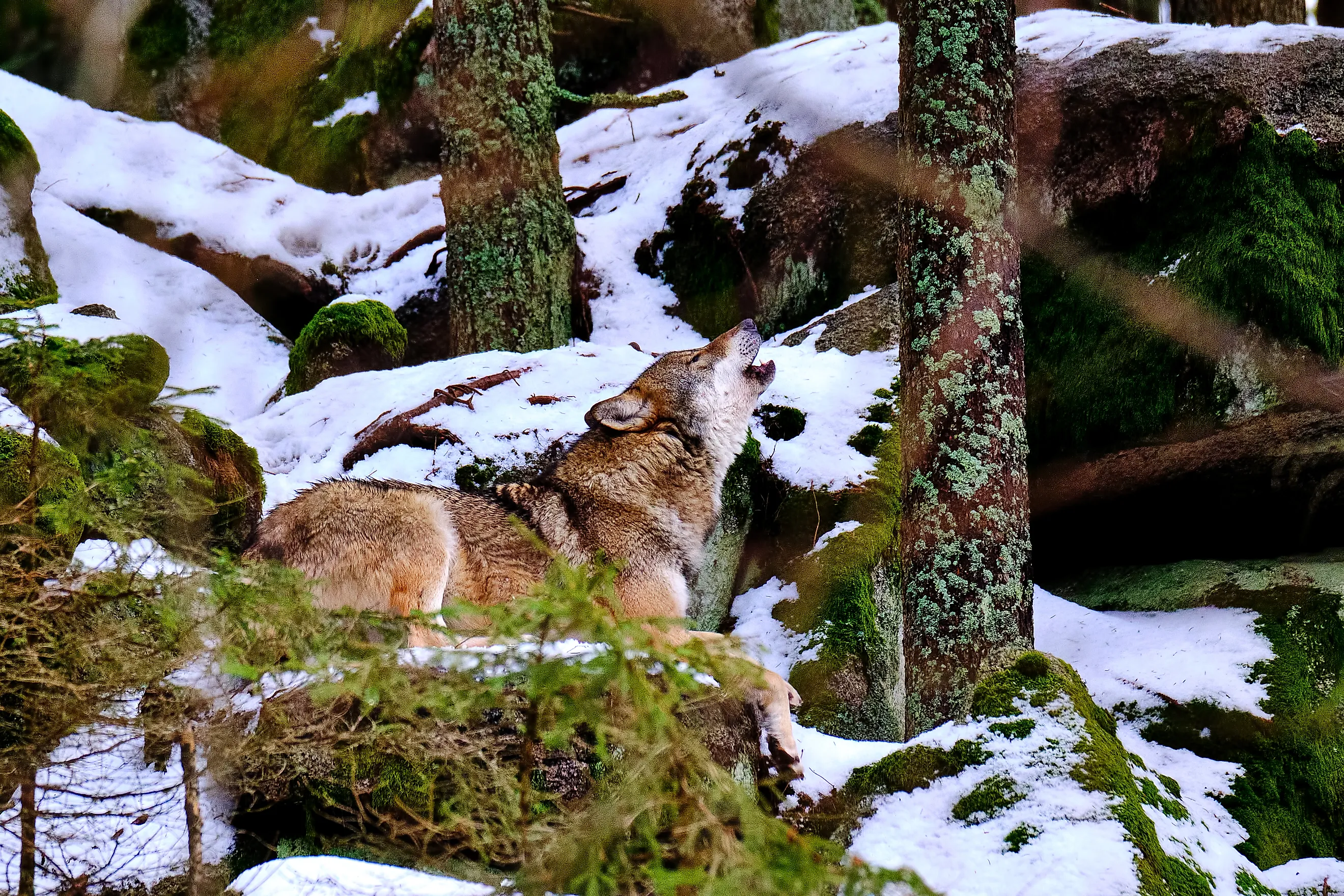
In 1995, wolves were released back into Yellowstone, decades after being hunted out of the American West. They didn't stay put. Their descendants have since fanned out into national forests across the region, from Wyoming's Shoshone to Idaho's Salmon-Challis. These are the forests where the packs have come back.
Shoshone National Forest

In Wyoming, Shoshone National Forest stretches across 2.4 million acres of mountains, forests, and wide-open country just east of Yellowstone National Park. It is also one of the places where wolves have been part of the landscape for decades. Wolves began moving into the forest after the 1995 Yellowstone reintroduction, and the Washakie Pack denned here in 1996, producing five pups. It was the first wolf pack to den outside Yellowstone in Wyoming.
The forest's size gives wolves more than enough room to roam. A Forest Service estimate from 2021 put the population at roughly 72 to 112 wolves in 12 to 14 packs, although that is not a current count. More recent figures are tracked at the state level; Wyoming had at least 253 wolves in 37 or more packs at the end of 2025.
Most visitors won't see a wolf, but there's still plenty to explore here anyway, from mountain trails and rivers to more than 1.4 million acres of designated wilderness.
Beaverhead-Deerlodge National Forest

Beaverhead-Deerlodge National Forest covers more than 3.4 million acres of southwestern Montana, stretching across mountains, valleys, and parts of the Greater Yellowstone region. Wolves became part of this landscape as the Northern Rockies population grew following the mid-1990s reintroduction efforts in Yellowstone and central Idaho.
The forest is now home to wolves, although there is not a reliable current wolf count specifically for the entire forest. The important thing is that wolves have become established across large portions of the state, including national forest lands such as Beaverhead-Deerlodge.
There is plenty of other wildlife to spot here, too. Elk, moose, bighorn sheep, grizzly bears, and other species share the forest's mountains and valleys, giving visitors plenty to watch for even if a wolf never appears.
Boise National Forest

The landscape in Boise National Forest is ideal for wolves: rugged mountains, thick forests, river canyons, and enough places to disappear from view. The forest became part of the central Idaho wolf recovery following the 1995-96 reintroduction, and they have remained established in the region ever since.
The wolves released in central Idaho were not placed throughout the Boise National Forest itself. Instead, the forest became part of the larger area used by wolves as the reintroduced population established itself and expanded. Idaho has continued to maintain a wolf population well above federal recovery goals, with the state managing wolves since they were removed from federal protection in 2011.
For anyone exploring the forest, wolves are obviously not guaranteed to make an appearance. However, it's exciting to know they are out there somewhere among the mountains and forests.
Colville National Forest

In the northeastern corner of Washington is Colville National Forest, where forests and mountains stretch toward the Canadian border. Wolves have returned to this part of the state after being nearly wiped out in Washington by the 1930s. Their comeback has largely been a natural one, with wolves dispersing into northeastern Washington from neighboring populations.
The recovery has continued to pick up speed. Washington counted at least 270 wolves in 49 packs at the end of 2025, including 23 successful breeding pairs. That was a 17.4% increase from the previous year and the state's highest count on record.
Colville's remote forests and mountainous terrain offer the perfect habitat for wolves, although actually spotting one is another matter. For many of the forest's visitors, it's a comfort simply knowing that wolves have a place in the northeastern Washington landscape again.
Wallowa-Whitman National Forest

Wallowa-Whitman National Forest covers a large stretch of northeastern Oregon, including the rugged Wallowa Mountains and deep river canyons. Wolves returned to this part of the state by dispersing from Idaho, rather than through a release inside the forest. The Imnaha Pack became one of the first modern wolf packs established in northeastern Oregon and used the Wallowa-Whitman as part of its range.
Today, wolves are well established across Oregon. The state recorded at least 230 wolves in 30 packs at the end of 2025, including 23 breeding pairs, up from 204 wolves in 25 packs the previous year.
Wolves can travel long distances, and the mountains and valleys along the Idaho-Oregon border give them many routes into new territory. Visitors are much more likely to see elk, deer, or mountain goats than a wolf, but wolves are now a regular part of the region's wildlife.
Lassen National Forest

Lassen National Forest is part of one of the newest wolf recovery stories in the country. California's wolves began returning naturally in 2011, and the state's first modern pack was documented in 2015. Since then, wolves have continued spreading through northern California.
The Lassen area has become quite important in years since. The Lassen Pack uses habitat that includes the national forest, while other packs have also established themselves in the surrounding region. In early 2026, California wildlife officials captured and fitted five wolves with tracking collars as part of monitoring work involving the Whaleback and Harvey packs.
The forest itself is a mix of volcanic landscapes, pine forests, mountain meadows, and rugged country around Lassen Volcanic National Park. Wolves are still difficult to spot, but their return here is especially notable because California's modern wolf population is only about 15 years old.
Bridger-Teton National Forest

Bridger-Teton National Forest surrounds some of Wyoming's best-known mountain country, including the Wind River Range and the forests around Jackson Hole. Instead of being released directly into the forest, wolves moved into the area as the population reintroduced to Yellowstone expanded beyond the park.
Today, wolves are well distributed across the Bridger-Teton, with packs using the forest and its surrounding landscape. A 2024 estimate put about six wolf packs within the forest's broader range, although this is not a current population count.
That makes Bridger-Teton a good example of how wolf recovery spread beyond the original reintroduction sites. The mountains and forests provide the space wolves need, while elk, moose, bears, and other wildlife make up the rest of a busy ecosystem.
Salmon-Challis National Forest
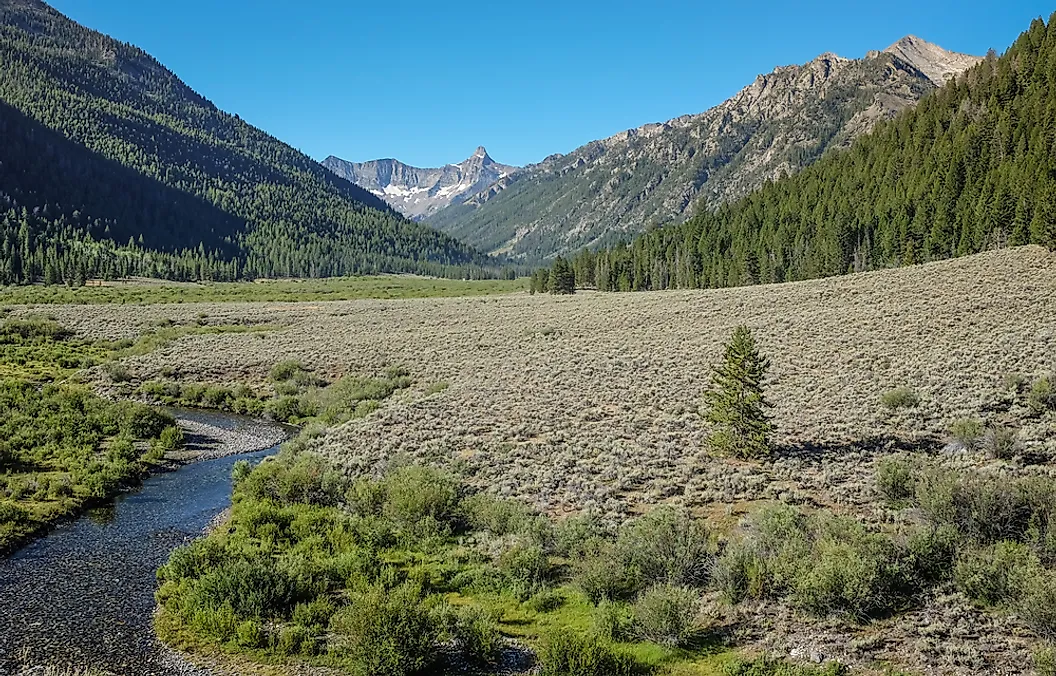
Salmon-Challis National Forest has a direct connection to one of the biggest wildlife restoration efforts in the West. In 1995 and 1996, wolves were reintroduced to central Idaho, and the Salmon-Challis became part of the larger landscape where those wolves and their descendants established territories.
The distinction matters: wolves were not just released throughout the 4.3-million-acre forest. Instead, the forest provided habitat as the central Idaho population spread and established packs. Wolves are now an established part of Idaho's wildlife population, and the state manages them under its current wolf plan.
Spotting a wolf while hiking or camping here would be a rare experience. These days, though, wolves roam across much of central Idaho, something that would have seemed unlikely just a few decades ago.
When Wolves Find Their Way Back

Wolves have returned to parts of the country where they had been absent for decades, and national forests have given them the space they need to settle in. Their presence is not always easy to spot, but packs are now moving through mountain valleys, forests, and remote backcountry where they had disappeared. Their return is a reminder of what conservation can accomplish when there is enough habitat for wildlife to survive and spread.