The National Forests Where Wolves Still Hunt
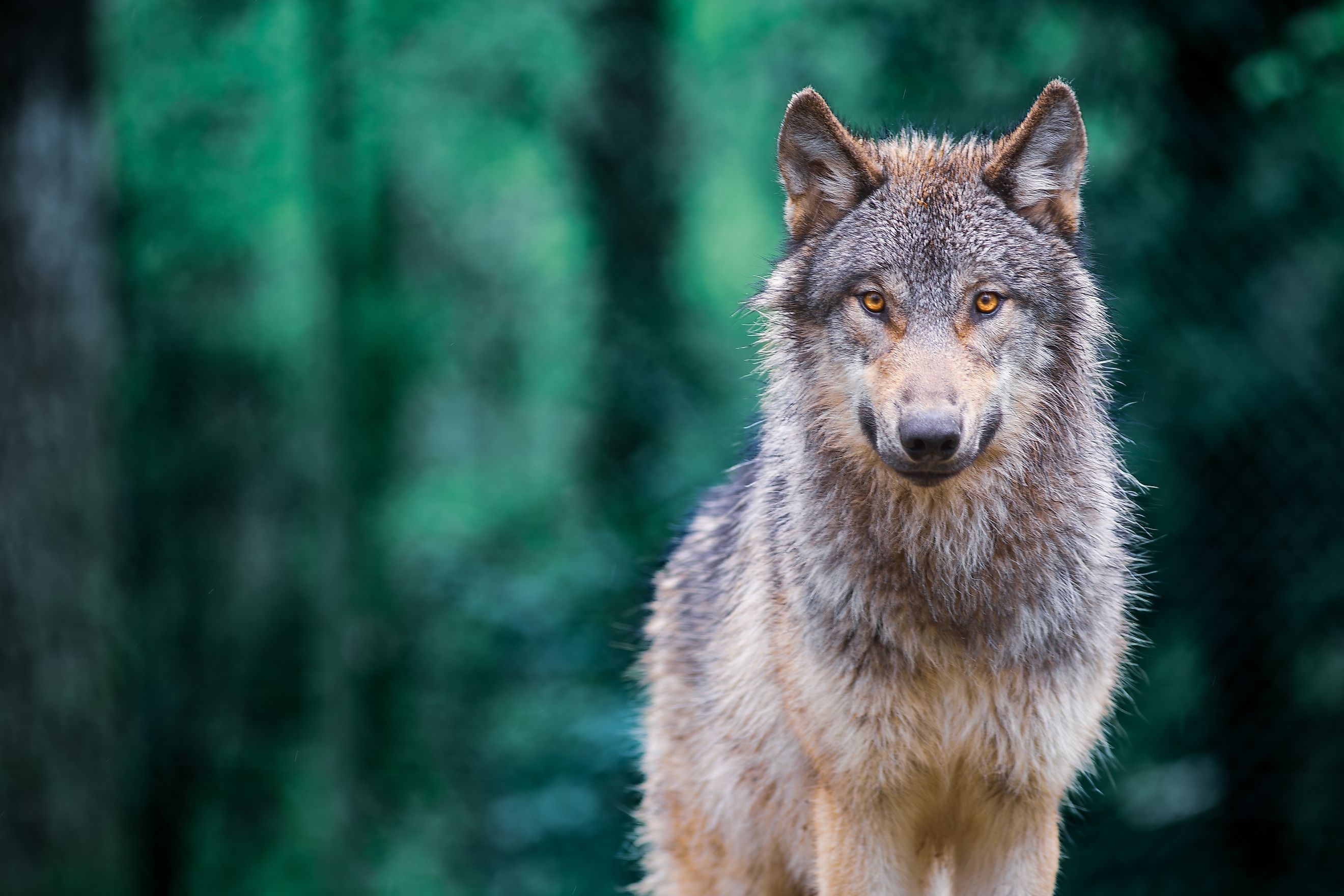
The big, bad wolf has an intimidating reputation, but by and large, North American grey wolves aren't aggressive to humans. That said, wolves in the United States have faced significant threats to their populations, including habitat loss and humans hunting them. But in America's National Forests, some still walk free in the country's wilds. In America's National Forests, the protections in place mean that lupine residents don't need to fear losing their homes to deforestation, making them ideal spots for wolves to roam. That's why, for visitors to the following National Forests, it's important to be careful, and respect the four-legged, furry residents that prowl the grounds.
Bitterroot National Forest

Wolves are serious, controversial business in Bitterroot National Forest. This National Forest was not home to wolves for many decades, but in the 1990s, wolf reintroduction programs in the Pacific Northwest led to a population making this rugged patch of land their home. The wolves here hunt whitetail deer, although they face competition from their fellow predators, the local mountain lion population.
In the Northern Rocky Mountain Region of Montana, where Bitterroot National Forest is located, grey wolves have been delisted as a protected species. This means that, despite strong protests from conservationists, there are those in Montana who hunt wolves. However, more popular activities in Bitterroot National Forest include hiking, camping, and visiting Alta Ranger Station, which dates back to 1899 and is the oldest Forest Service Ranger Station.
Chequamegon-Nicolet National Forest

Covering over one and a half million acres in Wisconsin's North Woods, the Chequamegon-Nicolet National Forest has a wolf population in the wooded areas, although other parts of the National Forest are actually wetlands. But back to the wolves. The grey wolves in this forest have grown in population since the beginnings of conservation efforts in the 1950s, when the population was nearly wiped out. Today, packs of wolves roam the National Forest and surrounding portions of the North Woods.
Non-canine visitors to the Chequamegon-Nicolet National Forest are likely to take advantage of the two most popular forest activities of hiking and fishing. For the latter, there are large populations of trout and bass for anglers to pursue, while in the case of the former, take advantage of the North Country Scenic Trail, part of which runs through Chequamegon-Nicolet, or even swap hiking boots for cross-country skis in the winter.
Chippewa National Forest

In Chippewa National Forest, which lies in northern Minnesota and covers wetlands at the headwaters of the Mississippi and the Hudson Bay as well as plenty of woodland over its more than a million and a half acres, there are a special subspecies of wolves roaming wild. Chippewa National Forest is home to Eastern timber wolves, a particular variety of grey wolf, in addition to beavers, bald eagles and other birds of prey, Canadian lynx, and more.
With all of these creatures, plus walleye from the Mississippi for anglers to get hold of, it's no surprise that Chippewa National Forest is beloved for wildlife spotting, fishing, and birdwatching, as well as hiking and camping. Visitors can also take it easy at Norway Beach Recreational Area, or, if visiting in the winter, try and catch a glimpse of the famous Northern Lights.
Colville National Forest

Shaped by prehistoric glaciers, the Colville National Forest lies at the foothills of the Rocky Mountains. Within the Forest's 1.5 million acres across northeastern Washington lies the Salmo-Priest Wilderness, a protected wilderness area beloved by wildlife enthusiasts for its populations of bear, lynx, pine marten, elk, and of course, wolves. The formerly-decimated wolf population has made a recovery, although their habitat is still threatened by agriculture in the area.
Other attractions for visitors to Colville National Forest include hiking, biking, and camping in one of thirty-two campgrounds. In the winter, there are also popular sites for both cross-country and downhill skiing.
Salmon-Challis National Forest

Given that the 4.3 million acres of the Salmon-Challis National Forest includes the largest protected wilderness area in the contiguous United States, it should come as no surprise that there are wild animals who roam the area, wolves included. The Frank Church-River of No Return Wilderness Area covers over a million acres of protected wilderness where packs of wolves can roam free, along with moose, pronghorns, and black bears. The local wolf populations are the subject of academic study by researchers at the University of Idaho.
Beyond spotting wildlife, Salmon-Challis National Forest has plenty to offer visitors. The Salmon River is popular for whitewater rafting, while elsewhere there are opportunities for hiking and rock climbing. The rugged, mountainous terrain can also make for wintertime opportunities for ski mountaineering and cross-country skiing.
Superior National Forest

Not only are there wolves who wander Superior National Forest, they're practically famous! For decades, Superior National Forest has played host to the Wolf and Deer Research Project. Started in 1966, the project tracks wolf and deer populations throughout the forest, in the interests of conservation. When the study began, Superior National Forest's three million protected acres were home to one of only two wolf populations in the contiguous 48 states, and the wolves are still there today.
For visitors to Superior National Forest, attractions and activities include fishing, mountain biking, and hiking the over 200 trails within the forest. The 300-400 wolves living in the forest hunt moose and deer, all of which visitors may spot. Just don't get too close. However, for those really after a safe way to interact with some canines in the forest, visit in the winter, when wolves' closest relatives get into gear, as there are opportunities for visitors to try dogsledding!
Watching Wolves From A Distance
For wildlife lovers, the chance to see a wolf in the wild may sound thrilling. But visitors to these National Forests should be sure to keep a safe distance from any wolves they may catch a glimpse of. These are wild animals, and very shy towards humans, and it's important to keep them that way to maintain their survival instincts. So enjoy the wolves from afar, and happy hiking!