The State Parks Where The Deer Rut Peaks In November
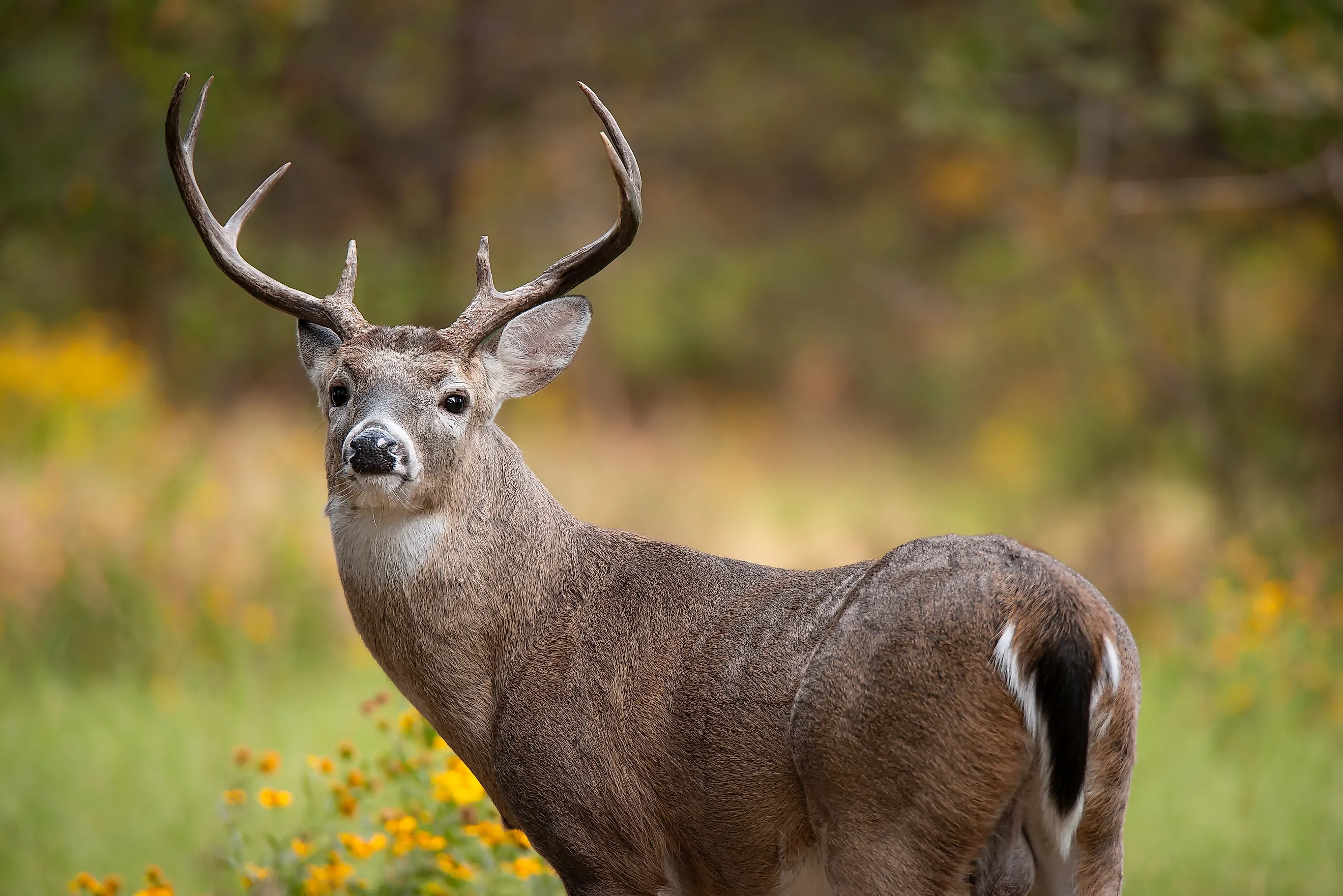
November brings a change to the woods that is hard to miss for anyone watching closely. White-tailed bucks spend more time moving through clearings, following does, rubbing their antlers against trees, and challenging rivals. This annual breeding season, known as the rut, typically peaks around mid-November in much of the eastern and central United States. For wildlife watchers, November is an especially interesting time to visit state parks.
These public lands combine forest cover, open meadows, river corridors, and established trails, creating opportunities to observe deer without visiting a major national park. The following five parks support white-tailed deer populations in states where November breeding activity is well documented. Because hunting seasons and wildlife management activities can overlap with the rut, visitors should check park advisories and access restrictions before planning a trip.
Cook Forest State Park, Pennsylvania

Pennsylvania's Cook Forest State Park pairs mature woodland with a river corridor that deer use for cover and movement. The park encompasses approximately 8,500 acres, including the Forest Cathedral Natural Area, where old-growth white pines and hemlocks rise above the forest floor. The Pennsylvania Department of Conservation and Natural Resources identifies white-tailed deer among the wildlife visitors may encounter in the park, including along the Clarion River corridor.

November is an especially interesting time to observe deer in this landscape. The Pennsylvania Game Commission examined reproductive data from more than 6,000 does between 2000 and 2007 and found that breeding peaked in mid-November. Approximately 90% of the does studied were bred between mid-October and mid-December. At Cook Forest, visitors can watch for deer along woodland edges and river corridors or explore the trails beneath the old-growth canopy. Early morning and late afternoon are generally favorable times for wildlife observation, although no particular trail guarantees a sighting.
Brown County State Park, Indiana

At Brown County State Park, the wooded hills of southern Indiana create an expansive setting for observing white-tailed deer. The park's oak, hickory, sassafras, beech, and maple woodlands are intersected by ravines, open areas, and developed recreation sites. Its network of trails includes the CCC Trail, which features bridges and stairways constructed by the Civilian Conservation Corps. These varied habitats offer opportunities to watch for deer moving through the woods or feeding near forest openings.

Indiana's Department of Natural Resources identifies October and November as the principal months of the white-tailed deer rut. As breeding activity intensifies, bucks search for receptive does, sometimes chasing them or engaging in antler-to-antler contests with other males. Shortening daylight helps trigger this seasonal change, making autumn breeding activity relatively predictable from year to year. Visitors may also notice rubs where bucks have scraped bark from small trees with their antlers. However, Brown County State Park has scheduled deer management hunts on November 16-17 and November 30-December 1, 2026, when general public access is restricted. Wildlife watchers should plan around these dates and check Indiana DNR notices before visiting.
Lake Logan State Park, Ohio

The shoreline and wooded hills surrounding Lake Logan State Park provide Ohio wildlife watchers with opportunities to observe deer in November. Located in the Appalachian foothills of southeastern Ohio, the park features a 400-acre lake surrounded by wooded terrain. The Ohio Department of Natural Resources lists white-tailed deer among the animals found here, alongside raccoons, opossums, skunks, and squirrels. The surrounding forest includes white oak, black oak, tulip tree, and hickory, providing a variety of habitat for wildlife.

White-tailed deer generally breed in autumn across Ohio, with peak breeding occurring in November. During this period, bucks may travel more frequently in search of does, potentially increasing opportunities for observation around woodland edges and other openings. Although sightings are never guaranteed, visitors can watch for deer activity from established trails and designated recreation areas. Lake Logan also permits deer hunting in designated areas during established hunting seasons, so wildlife watchers should consult the park's official hunting map and current regulations before exploring.
Watkins Mill State Park, Missouri

Watkins Mill State Park is home to an abundance of white-tailed deer and wild turkeys, according to Missouri State Parks. The park's 100-acre lake is surrounded by wooded ground and developed recreation areas, while a paved bicycle path circles the water. This combination of forest cover and open areas provides opportunities to watch for wildlife along the tree line. The park is also adjacent to Watkins Woolen Mill State Historic Site, which preserves an important part of Missouri's 19th-century industrial history.

The Missouri Department of Conservation identifies mid-November as the typical peak of the state's white-tailed deer breeding season, with most fawns arriving in late May or early June. During the rut, bucks may spend more time traveling in search of receptive does, making their movements less predictable. Visitors can watch wooded edges and open areas from a respectful distance, particularly during the early morning or late afternoon. Those visiting in November 2026 should be aware that the campground, campground road, and day-use parking lot east of the lake dam are closed through December for construction. Other park areas remain available, but visitors should check current access notices before arriving.
Lake Carlos State Park, Minnesota

Minnesota's Lake Carlos State Park offers a northern lake-and-forest setting for observing white-tailed deer during the November rut. The Minnesota Department of Natural Resources reports that the park supports approximately one-third of the state's 80 mammal species, including white-tailed deer. Its wetlands, wooded areas, and location near the headwaters of the Long Prairie River create a variety of wildlife habitats. Established trails allow visitors to explore these environments and watch for deer moving through the forest.

According to the Minnesota DNR, white-tailed deer generally mate from November into early December. Bucks become more active as they search for receptive does, sometimes traveling through wooded areas or crossing openings during daylight hours. Wildlife watchers can look for movement along forest edges and observe quietly from established trails. However, Lake Carlos State Park has a scheduled firearms deer hunt from November 7-10, 2026, with limited public access during that period. Visitors should consult Minnesota DNR hunting notices and park access information when choosing their dates.
Where November Brings Deer Activity To A Peak
The rut can make white-tailed deer more active and visible, but its timing varies by region. Across much of the northern and eastern United States, breeding activity intensifies in autumn and commonly peaks during November. These five state parks provide opportunities to observe deer in wooded and lakeside habitats during this period. For the best chance of a sighting, visit during the early morning or late afternoon, watch woodland edges and openings, and maintain a respectful distance from wildlife. Checking hunting schedules and park advisories beforehand also helps ensure a safe and enjoyable November visit.