The National Forests With The Most Gila Monsters
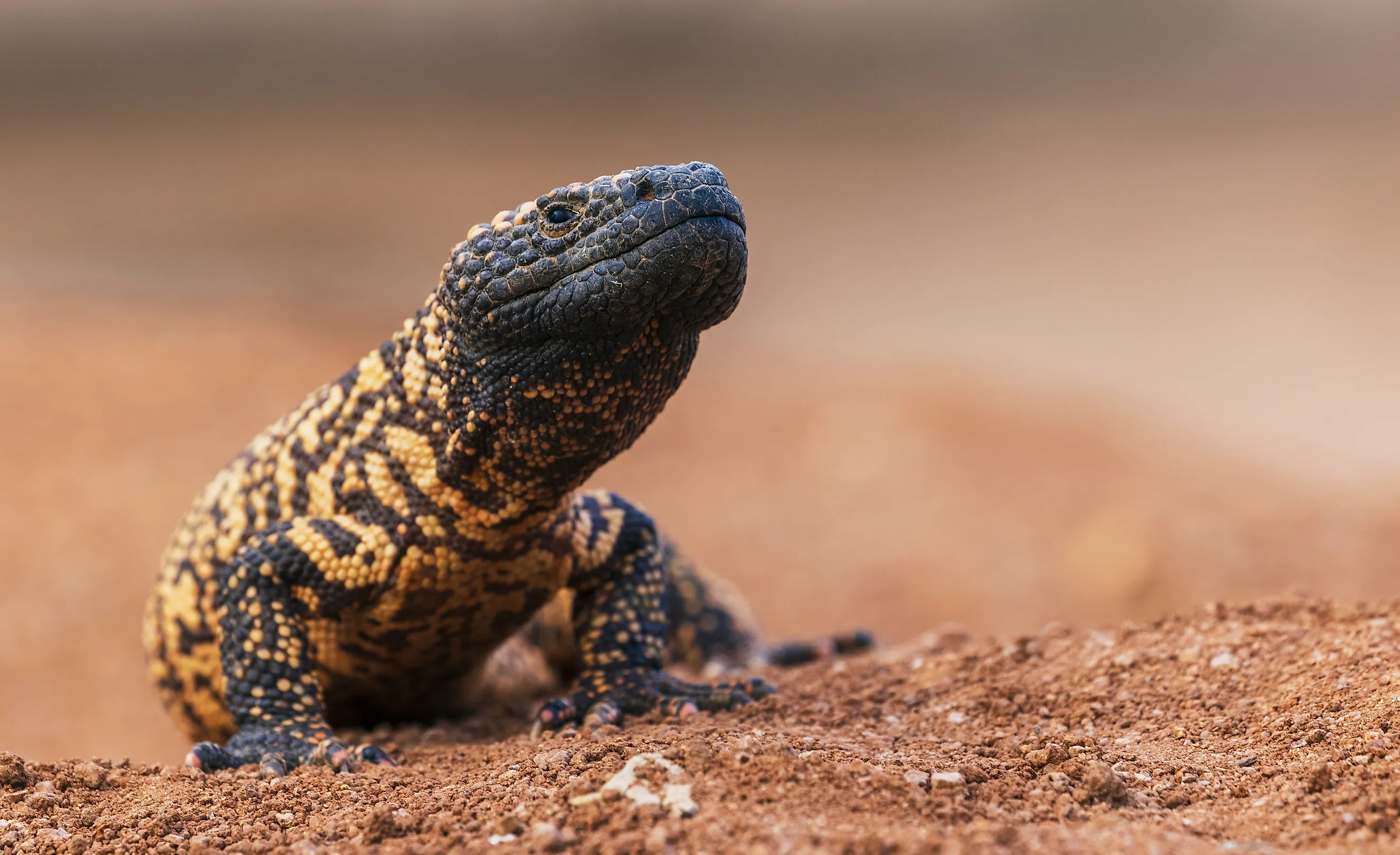
On a warm spring morning in the Arizona desert, a Gila monster may leave its burrow for only an hour or two, waddling across the rocks in search of a quail nest before disappearing underground again. The largest lizard native to the United States, and one of the only venomous lizards in the world, it spends most of its life out of sight, which is why even biologists rarely see one. No agency counts Gila monsters by national forest. But in the Southwest, a few national forests stretch down out of the mountains into the rocky Sonoran and Chihuahuan desert foothills these lizards call home, and they hold some of the best Gila monster habitat on public land.
Tonto National Forest, Arizona

The Tonto National Forest reaches from the pine forests of the Mogollon Rim down to the edge of the Phoenix metro area, and its lower half is classic Sonoran Desert, with saguaros, rocky canyons, and the shrubby slopes where Gila monsters hunt for eggs, baby rabbits, and nestling birds. Much of what scientists know about these lizards in the wild comes from here. Inside the forest, near Roosevelt Lake, Tonto National Monument has worked with the US Geological Survey to study Gila monster behavior, tracking how rarely they surface and how far they roam.

Elsewhere in the forest, the cliffs of the Apache Leap Special Management Area near Superior are recognized as Gila monster habitat. Gila monsters are protected under Arizona law, and harassing, harming, or collecting one is illegal.
Coronado National Forest, Arizona

The Coronado National Forest is made up of separate mountain ranges, called sky islands, that rise out of the desert across southeastern Arizona and into New Mexico. Each range climbs from cactus-covered foothills to pine and fir forests near its peak, but Gila monsters stay in the warm, rocky lower slopes. At Sabino Canyon, the forest's busy recreation area on the edge of Tucson, hikers in spring sometimes spot one ambling across a trail, especially after rains.

Like all Gila monsters, the ones here are slow moving and rarely dangerous unless handled. Their bite is painful because they chew venom into the wound, but the lizards would far rather hide than fight.
Gila National Forest, New Mexico

The Gila monster takes its name from the Gila River basin, and the river's headwaters flow out of New Mexico's Gila National Forest. Here, the lizard sits at the eastern edge of its range. In New Mexico, Gila monsters are found only in the southwestern corner of the state, including Grant and Hidalgo counties, and the state lists them as endangered. New Mexico's wildlife agency has funded surveys to map where they still live and recently approved a recovery plan for the species.

The forest's lower canyons and desert grasslands near Silver City offer some of the rocky, sunny terrain these lizards need, but finding one is a matter of luck. In New Mexico, as in Arizona, it is illegal to collect or harm a Gila monster.
A Desert Lizard Worth Protecting
Gila monsters are built for a life of feast and famine. They can eat a large share of their body weight in a single meal and store fat in their thick tails, letting them survive months without food. They have also given people an unexpected gift. A compound in Gila monster saliva led to exenatide, a diabetes drug approved in 2005 and a forerunner of today's widely used GLP-1 medicines. In the national forests where they live, the best way to enjoy a Gila monster is from a respectful distance. Watch where you put your hands on rocky slopes, give any lizard you see plenty of room, and report sightings to your state wildlife agency so biologists can keep track of this rare and remarkable reptile.