2026's 9 Most Scenic Spain Towns
Spain is a country filled with centuries-old history and impeccable scenery. Its shimmering beaches, striking mountains, and grand architecture help it to stand apart as a global attraction. Spain's most scenic towns demonstrate its beauty alongside the unique atmosphere it offers. Whatever the preference, Spain delivers with lively culture, wide open scenery, and history the world may never forget. Here are 9 of Spain's most scenic towns.
Cudillero

Cudillero is a fishing village located in Asturias, Spain. Known for its colorful houses, green cliffs, and busy harbor, it showcases some of Spain's most captivating coastal scenery. It is celebrated for its seaside traditions, local cuisine, and cultural heritage. Tourists enjoy walking trails, like Ruta de los Miradores, which showcase its cliffs and beaches. After the trail, many head to Playa del Silencio for outdoor recreation, sunbathing, and enjoying the breeze. Plaza de la Marina is a favorite gathering place, with seafood restaurants, breweries, and cafes. Unwinding at the harborside center is a great way to take in the village's seaside character.
Tossa de Mar

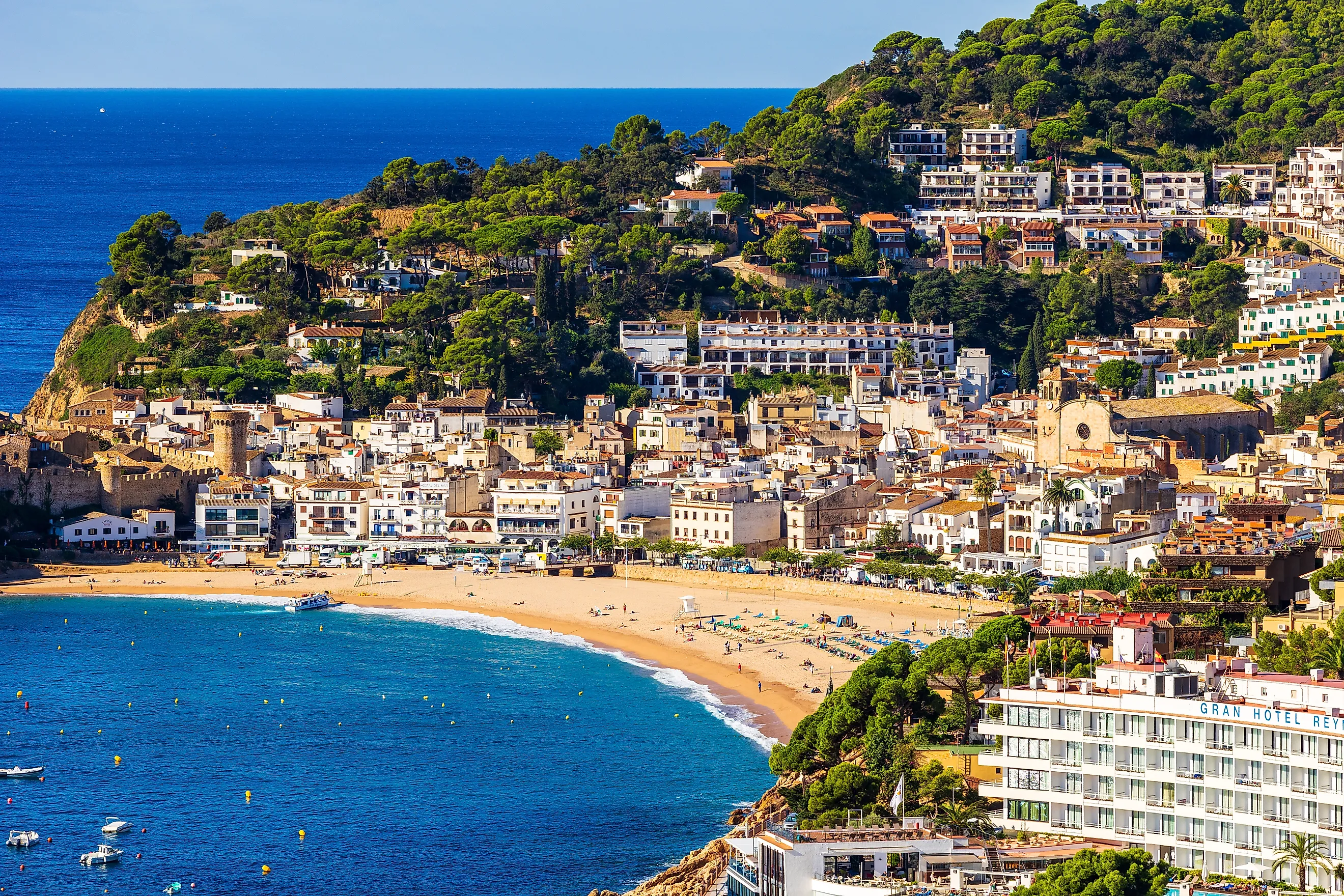
Tossa de Mar is a coastal town located in Catalonia, Spain. The resort town is known for its wide bay, medieval history, and dramatic cliffs. Visitors enjoy walking the shores of Platja Gran, a prime beach for swimming, relaxing, and soaking up the sun. History lovers explore the town's history at Vila Vella. The centuries-old fortress features stone walls, lookout points, and cobblestone pathways that wind up the hillside above the shimmering seashore. The Tossa de Mar Lighthouse is a signature spot situated at the highest point of the fortress walls. It houses an interactive museum on Mediterranean lighthouses and long views over the water. To unwind, tourists spend time in Camí de Ronda. The promenade and old town feature outdoor terraces serving seafood, paella, and local wines.
Deià

Deià is a mountain village set on the coast of Mallorca, Spain. Perched on the Serra de Tramuntana, it is a haven for artists and nature lovers. Known for its ancient olive terraces, citrus orchards, and limestone cliffs, it inspired the work of many writers and musicians. In 1929, English poet Robert Graves made it his home after being drawn to its bohemian atmosphere. Tourists visit La Casa de Robert Graves to see an inside look at his life, his work, and his love for the scenic town. Cala Deià is another great spot for tourists, housing a pebbled beach cove where visitors enjoy swimming and snorkeling. For those seeking extravagance, Belmond La Residencia is a must-see with luxury 16th-century manor houses, gardens, and a celebrated private art collection.
Úbeda

Úbeda is one of Andalusia's most remarkable cities. The UNESCO World Heritage site is known for its golden sandstone palaces, 16th-century grand plazas, and Italian-inspired architecture. Sightseers explore Plaza de Vázquez de Molina. Known for being one of Europe's most celebrated Renaissance squares, it wows with its intricate monuments. The Palacio de las Cadenas, also known as the Palace of the Chains, is another must-see with bold Spanish architecture and its signature heavy chains. The Pottery Quarter, called Calle Valencia, is a great stop for art lovers. The historic street is home to local artists who create glazed ceramics using traditional wood-fired kilns. Tapas restaurants are also nearby with local favorites, such as Andrajos and Ochíos.
Cadaqués

Cadaqués is an isolated coastal town in Catalonia, Spain. Situated near the Cap de Creus Peninsula, it is often called the jewel of the Costa Brava. The historic fishing village is known for its slate-paved streets, blue shutters, and whitewashed housing. Isolated by surrounding mountains, the town's views have attracted renowned artists Salvador Dalí and Pablo Picasso. Art aficionados enjoy the Salvador Dalí House-Museum, which sits just along the shore at Portlligat. Dalí built it himself from old fishermen's cabins, and it served as his primary home and studio. For panoramic views of the coast, visitors head to Cap de Creus Natural Park. Designated by the Catalan Parliament in 1985, the park sits where the Pyrenees meet the Mediterranean Sea, offering views of rock formations that inspired Dalí's most famous paintings. The Old Town, also known as Casco Antiguo, is another town favorite. Visitors spend hours exploring the cobblestone alleyways, art galleries, shops, and historic monuments.
Besalú

Besalú is a medieval town in Girona, Catalonia. Among Spain's most memorable villages, Besalú transports visitors to another time with its cobblestone streets, town squares, and ancient stone architecture. The town is home to the Besalú Bridge, which spans the Fluvià River and features a 12th-century stone gateway known for its local lore. Once a Christian capital of an independent county, the town has churches reminiscent of the medieval era. The Monastery of Sant Pere, built in 1003, is a tourist favorite, known for its quirky history and window guarded by two carved lion stones. Nearby, Circusland explores the history of circus arts through costumes, artifacts, and exhibits.
Hondarribia

Hondarribia is a lively coastal town located in Spain's Basque Country. The celebrated town hosts a unique blend of medieval history with its busy fishermen's quarter. Considered one of the culinary capitals of the Basque coast, it is recognized as one of Spain's food havens. For long views over the estuary, visitors head to Castillo de Carlos V. The fortress was substantially expanded under King Charles V and is now home to a luxury hotel. Next, visitors walk the medieval walls, which showcase the fortified trenches that protected the town from sieges of years past. For some relaxation, beach lovers head to Playa de Hondarribia. The 800-meter (2,600-foot) beach has golden sands, calm waters, and activities for people of all ages. Casco Viejo is also a notable spot, featuring stone mansions, coat of arms carvings, and monumental palaces. The Pintxo Crawl is where visitors head for the town's renowned dining scene. Full of bars and celebrated restaurants, it lives up to its reputation as a culinary capital.
Ronda

Ronda is a mountain town in Malaga, Andalusia. As one of Spain's oldest towns, it has striking natural attractions, eye-catching buildings, and local cuisine that has attracted tourists near and far. Sitting atop the El Tajo gorge, it is split in two and connected by the Puente Nuevo bridge. The stone bridge is a sight to see with a hidden chamber and bold central arch. To witness the intricate architecture, visitors explore La Casa del Rey Moro. The complex features clifftop gardens, an underground water mine, and its signature Spanish stone steps. Alameda del Tajo is perfect for outdoor lovers. The park has botanical gardens, cliffside balconies, and views of the surrounding river valleys. When it comes to cuisine, Ronda offers mountain flavors and celebrated wineries. Sitting alongside such romantic views, it's no wonder why this town attracted the likes of Ernest Hemingway and Orson Welles.
La Orotava

La Orotava is a town in the Canary Islands. Situated below the volcano Mount Teide, it is known for its natural attractions, cobbled streets, and traditional architecture. Its surrounding valley captivated naturalist Alexander von Humboldt, who described the landscape of Tenerife as one of the most varied, attractive, and harmonious he had ever seen. To add to its beauty, locals decorated the streets with flower petals and leaves. The town square also hosts artisans, who showcase sand art, biblical scenes, and murals depicting Canarian life. Visitors explore its Canarian architecture at attractions such as Casa de los Balcones. The 17th-century manor features carved wooden balconies, an interior courtyard, and multiple stories. For more history, visitors head to the Iglesia de la Concepción. The 18th-century sanctuary is noted for its Baroque architecture, twin bell towers, and imposing columns. Nature lovers also explore its Hijuela del Botánico. The botanical oasis features an ancient dragon tree and tropical plants from around the world. Not to be outdone by other Spanish towns, La Orotava also has a trendy food scene, featuring Canarian cuisine, smooth wines, and traditional homegrown dishes.
Wrapping Up
Spain is an international attraction known for its lively atmosphere and inimitable flair. Its scenic views complement all that it has to offer. Whether tourists are seeking natural showstoppers or man-made attractions, Spain has it all. The castles and colored buildings of Úbeda and Cudillero, the volcanic peaks of La Orotava, and the gorge at Ronda mean nearly every corner is a sight to see. Spain's unique combination of ethereal views, lore, and culture is truly one of a kind.