5 Most Snake-Filled Bodies Of Water In Montana
Visitors to Yellowstone National Park have spotted prairie rattlesnakes swimming across Bighorn Lake. Terrestrial garter snakes work the riverside vegetation along the Yellowstone River throughout the warm months. Several of Montana's ten native snake species use bodies of water for cooling, hunting, and protection from predators. None are strictly aquatic. Shoreline vegetation and sunny rock outcrops draw snakes to riparian zones because these habitats also support the amphibians and fish that serve as prey. The five Montana waterways ahead all hold established snake populations along their banks.
Madison River

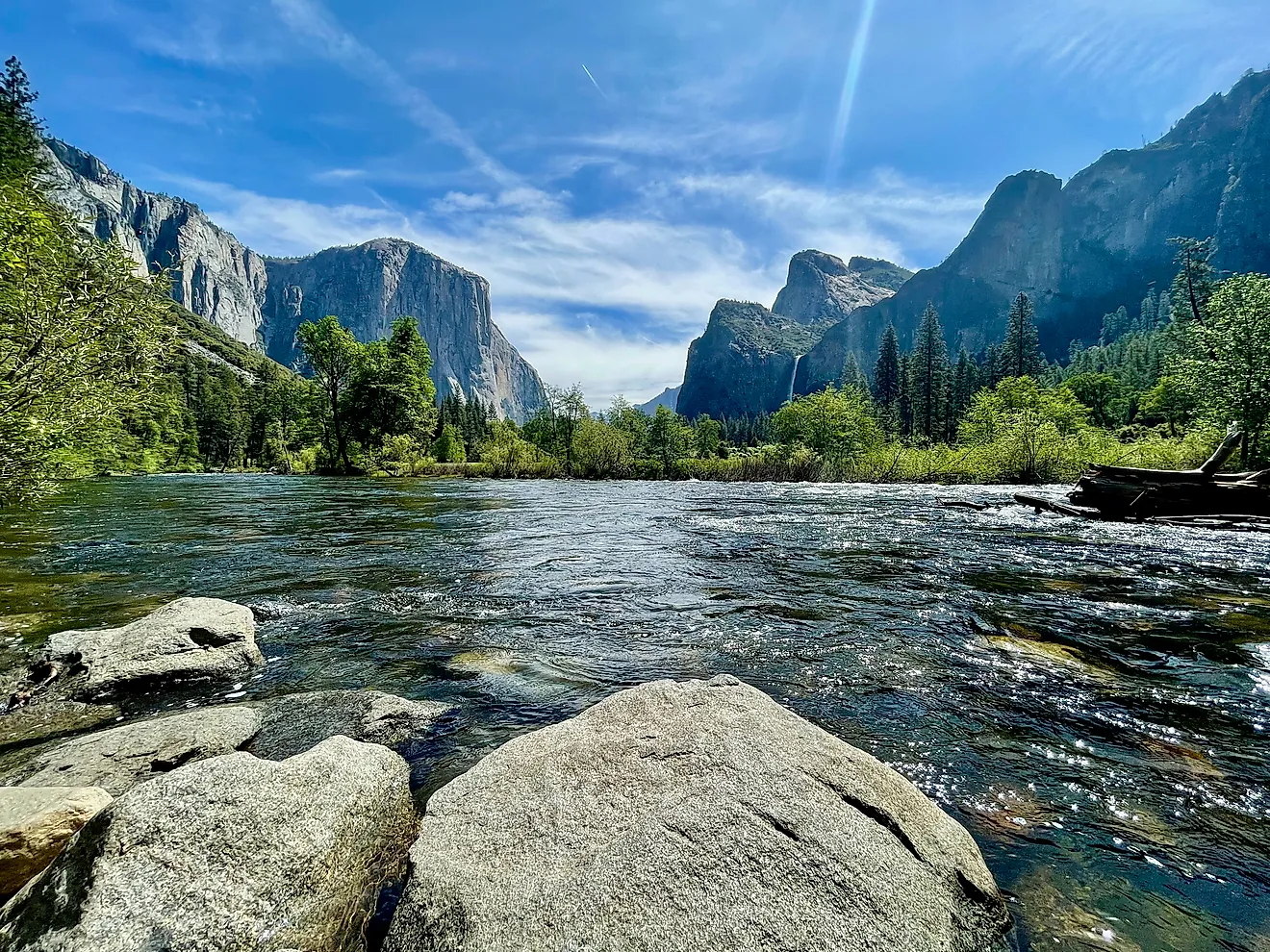
The Madison River begins at the confluence of the Firehole and Gibbon Rivers in Yellowstone National Park before flowing into southwestern Montana near Hebgen Lake. The river runs for 183 miles (295 kilometers) through mountain valleys, reservoirs, and canyons before joining the Jefferson and Gallatin Rivers near Three Forks to form the Missouri River. One of the river's most rugged stretches occurs below Ennis Lake, where the Madison flows through the Bear Trap Canyon Wilderness Area, a narrow corridor with rocky slopes and warm, dry habitat that makes it productive snake country.

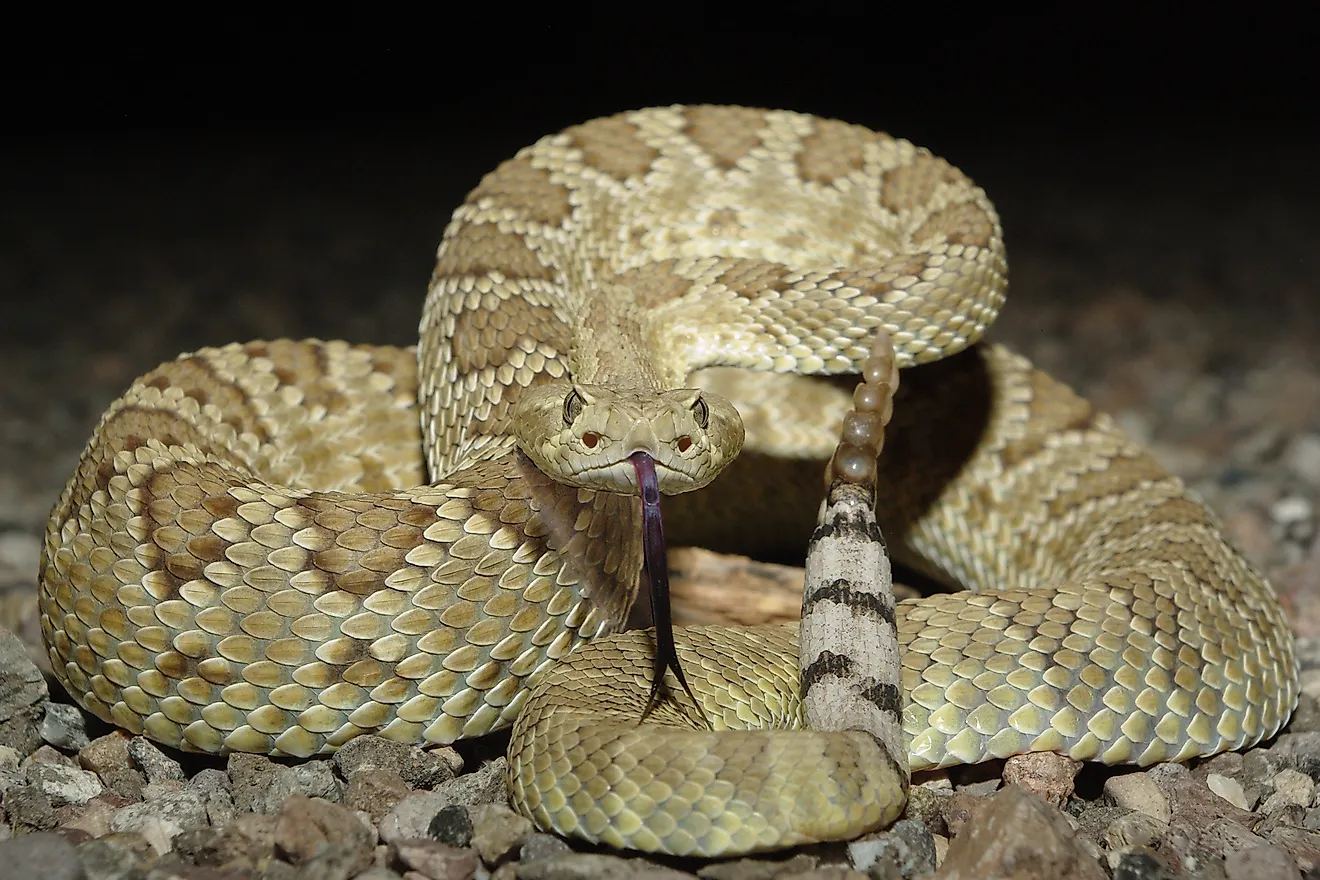
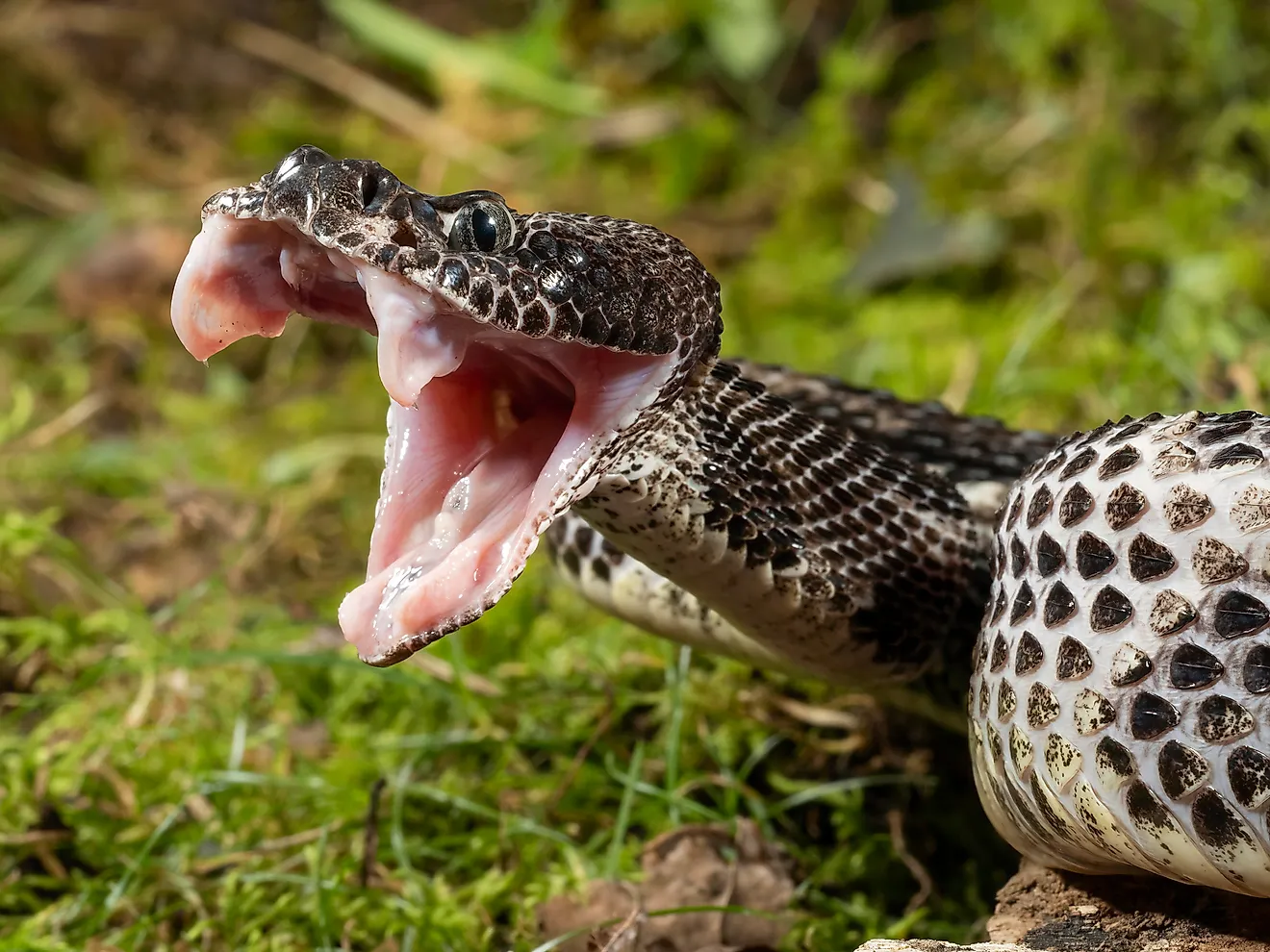
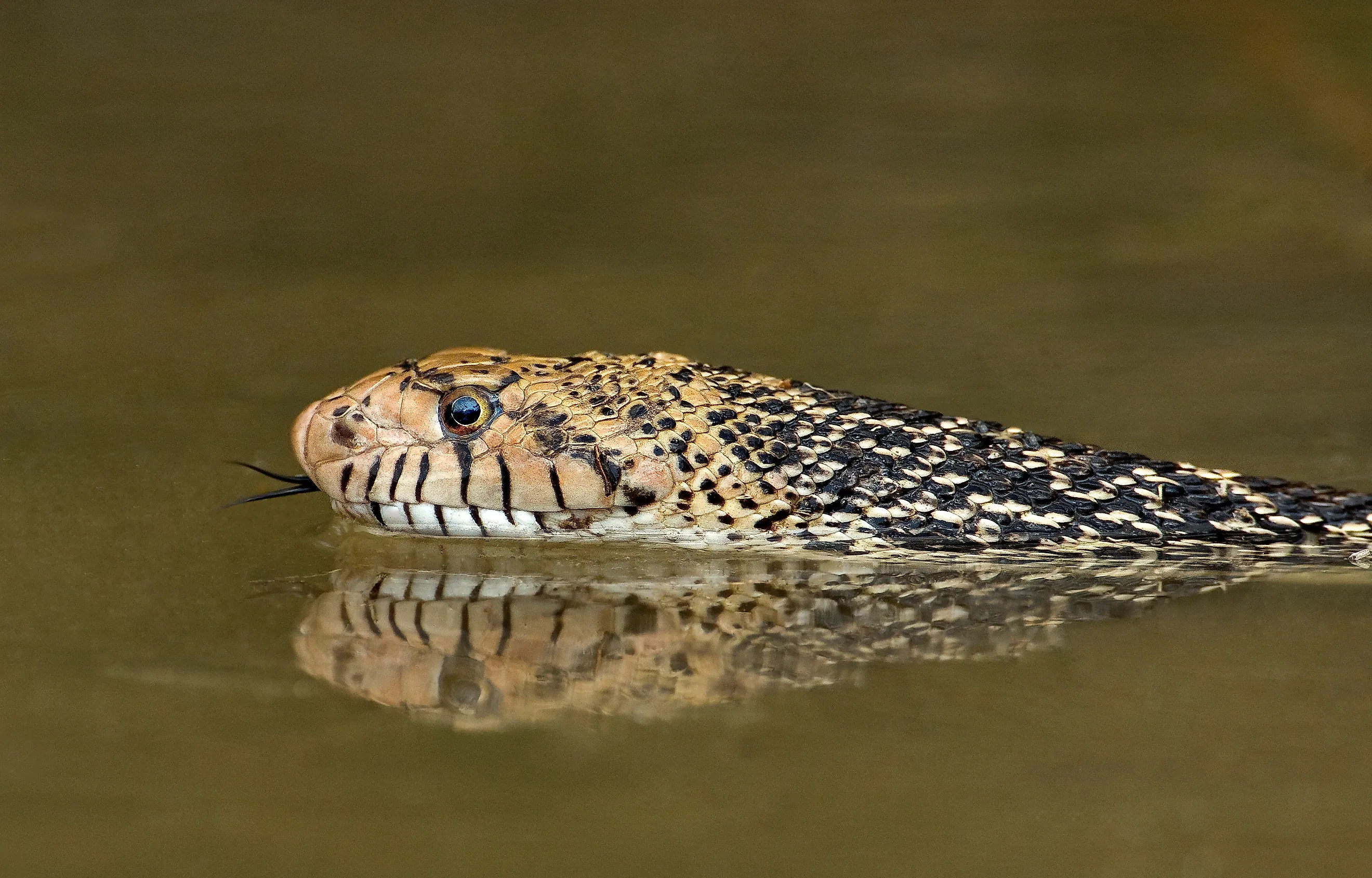
Prairie rattlesnakes (Crotalus viridis) and bullsnakes both maintain established populations in the canyon. Bullsnakes (Pituophis catenifer sayi) are the largest snake species in Montana and can occasionally exceed 7 feet (2.1 meters) in length. Although nonvenomous, they display defensive behaviors similar to rattlesnakes, including vibrating their tails in dry vegetation to create a rattling sound. Their coloration and markings can also resemble those of prairie rattlesnakes, which leads to frequent misidentification by visitors.
Bighorn Lake

Bighorn Lake lies within a steep canyon carved between the Bighorn and Pryor Mountains. Formed by the construction of Yellowtail Dam on the Bighorn River, the reservoir stretches roughly 60 miles (97 kilometers) across Montana and Wyoming and is largely contained within the more than 120,000-acre Bighorn Canyon National Recreation Area.

Prairie rattlesnakes are especially common throughout the recreation area. The National Park Service estimates there may be roughly one snake per acre in suitable habitat. Despite their venomous bite, prairie rattlesnakes are themselves preyed on by animals such as red-tailed hawks and badgers. The snakes are also capable swimmers and have been observed crossing portions of Bighorn Lake when moving between sun-warmed shorelines.
Yellowstone River

At 692 miles (1,114 kilometers) long, the Yellowstone River is the longest undammed river in the contiguous United States. Originating in Wyoming's Absaroka Range, the river flows north through Yellowstone National Park before entering Montana near Gardiner. It then winds eastward across southern and eastern Montana toward the high plains.

The warmer, lower-elevation stretches of the Yellowstone River in southern Montana provide suitable habitat for prairie rattlesnakes, particularly near rocky slopes and dry grasslands around Gardiner and Paradise Valley. The terrestrial garter snake (Thamnophis elegans) is also commonly found along the Yellowstone River and nearby wetlands. Although terrestrial garter snakes can inhabit a variety of environments, they are most often associated with lower elevations close to water, where amphibians make up much of their diet.
Missouri River

The Missouri River is the longest tributary of the Mississippi River and the second-longest river in North America. Formed at the confluence of the Jefferson, Madison, and Gallatin Rivers near Three Forks, Montana, the Missouri flows for 2,341 miles (3,767 kilometers), passing through central Montana and east across the northern plains before eventually leaving the state.

Several nonvenomous snake species are found along the Missouri River corridor in Montana, including the terrestrial garter snake, plains garter snake (Thamnophis radix), common garter snake (Thamnophis sirtalis), North American racer (Coluber constrictor), and bullsnake. In general, garter snakes are among the most commonly encountered species and are often seen basking on shoreline vegetation, rocks, and driftwood beside the river. Prairie rattlesnakes are less commonly encountered near the river itself but inhabit nearby rocky outcrops and dry grasslands in parts of central and eastern Montana.
Dailey Lake

Dailey Lake is a 205-acre (83-hectare) natural lake above the Yellowstone River in Paradise Valley near Emigrant, Montana. Surrounded by mountain scenery, including views of nearby Emigrant Peak, the lake draws boaters, campers, and anglers. Recreational facilities at the site include boat ramps, campsites, a dock, and an accessible fishing area.

Garter snakes are among the most commonly encountered species near Dailey Lake because they favor habitats close to water. In these wetland and shoreline environments, they feed on prey such as slugs, salamanders, and small mammals. Prairie rattlesnakes also inhabit the dry grasslands and rocky hillsides surrounding Paradise Valley and may occasionally be encountered basking on warm roads or rocks near the lake. During the cooler spring and fall months, prairie rattlesnakes are typically active during the day, while summer heat often shifts their activity to the cooler morning and evening hours.
Water-Loving Snakes of Montana
Montana's waterways and their surrounding riparian habitats attract snakes because shoreline vegetation, fallen logs, rock piles, and sunny banks provide ideal basking and sheltering areas. These environments also support amphibians, fish, and small mammals that serve as prey for many of the state's snake species. Prairie rattlesnakes are known to inhabit several of these areas, particularly around Bear Trap Canyon and the Madison River, but most snakes prefer to avoid human activity. By staying alert and giving snakes plenty of space, visitors can safely enjoy Montana's lakes and rivers while appreciating the role these reptiles play in the local ecosystem.