5 Most Snake-Filled Bodies Of Water In Maryland
Maryland's relatively compact borders contain a surprisingly robust network of rivers, lakes, and wetlands. The mix creates strong habitat for many native snake species. The state is not particularly known for its snake populations. Some bodies of water here see notably high activity in warmer months when reptiles are most active. According to the Maryland Department of Natural Resources, the state is home to 27 species and subspecies of snakes. Only two are venomous statewide. Those are the copperhead and the timber rattlesnake.
Let's identify the most snake-filled bodies of water in Maryland today based on habitat conditions, wildlife reports, and ecological patterns. This gives a clear look at where these slithering reptiles thrive.
Gunpowder River

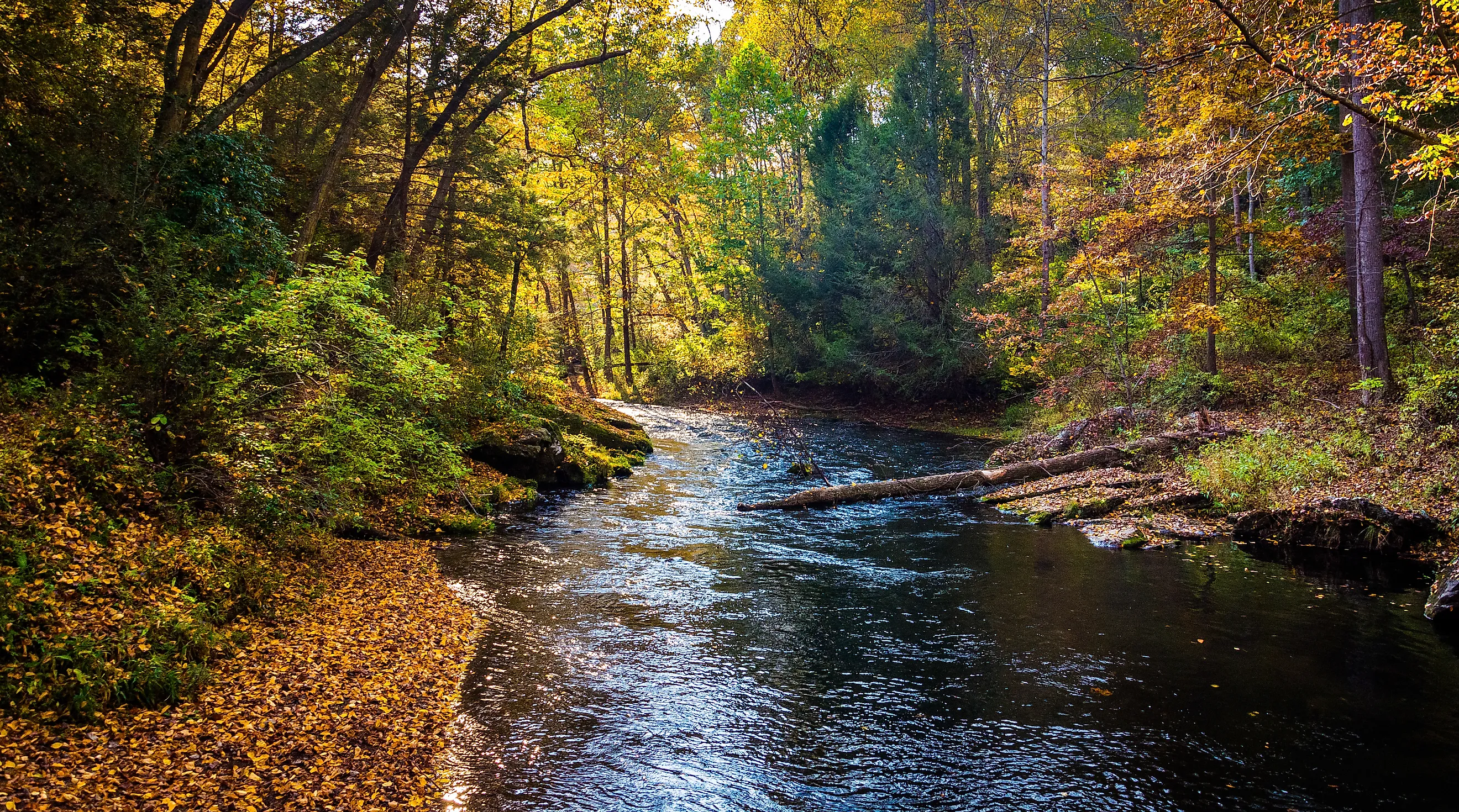
The Gunpowder River, which flows just east of Baltimore, contains a network of freshwater habitats that support a strong snake presence, particularly in its upper tidal and wetland zones. In the woodlands and floodplains near Gunpowder Falls State Park, an adjacent parkland with boat launches, picnic areas, well-known fishing and swimming holes, and abundant greenspace for outdoor activity, you may run into eastern garter snakes, ribbon snakes, black rat snakes, and potentially even eastern copperheads. And like pretty much every other corner of Maryland, you will also see northern water snakes in abundance here.
Patuxent River
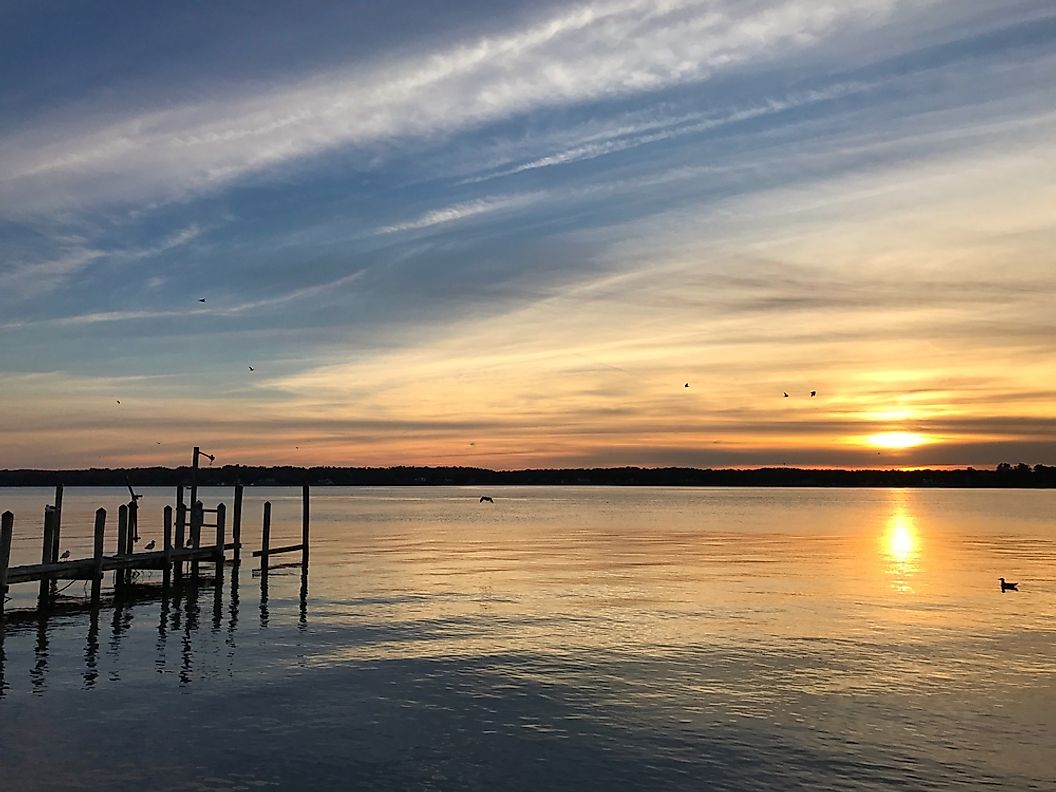
The Patuxent River stretches about 115 miles through Maryland and is the longest river to flow entirely within the state. It supports a wide range of plant and animal life, including a dense population of semi-aquatic snakes, most of which stick to its wetland habitats and slow-moving tributaries. The surrounding environment, marked by central Maryland's mix of forested corridors and marshy inlets, provides ideal cover and abundant food sources for these reptiles.
Northern water snakes are particularly common here, often seen basking along the banks or gliding through the water in search of fish and amphibians, the species' main food source. Though nonvenomous, they are known to be defensive if approached. The river's tidal marshes and oxbow lakes also support eastern garter snakes and the occasional queen snake, especially near rocky or wooded areas.
Anglers and kayakers frequenting the Patuxent should stay alert when navigating shoreline vegetation, where these snakes are most active in the warmer months of the year.
Jug Bay Wetlands Sanctuary

Located along the tidal portion of the Patuxent River, Jug Bay Wetlands Sanctuary is one of the most active ecosystems in Maryland for snakes. Its expanses of freshwater marshes, forested wetlands, and shallow coves create prime conditions for a variety of snake species, particularly the common watersnake.
Here, these snakes are frequently observed hunting in the shallows or coiled in vegetation near the boardwalk trails. The high density of amphibians and small fish supports a stable food chain, attracting other species such as the eastern ribbon snake, the eastern rat snake, queen snakes, rough green snakes, northern ringneck snakes, garter snakes, worm snakes, and several others.
Although none of these are venomous, their sudden movements and camouflage have been known to startle unsuspecting hikers or paddlers. Summer months see peak activity, especially near quiet inlets and sun-warmed logs, a favorite resting spot for these cold-blooded reptiles.
Blackwater National Wildlife Refuge

Blackwater National Wildlife Refuge in Dorchester County contains one of the most snake-populated wetland systems on Maryland's Eastern Shore. The refuge's brackish tidal marshes, freshwater swamps, and forested uplands support a wide range of reptiles and amphibians. The warm, humid coastal conditions and abundant prey make Blackwater a hotspot for snake activity, particularly near the edges of pools and canals.
Like many spots across the state, northern water snakes thrive here, often seen swimming across ditches or hunting near muskrat lodges. The area's shallow creeks and abundant vegetation also attract eastern ribbon snakes, black rat snakes, and rough green snakes, which feed on much of the same prey. Visitors sometimes report sightings of "water moccasins," but the Maryland Department of Natural Resources is clear that cottonmouths do not occur in Maryland; what people are seeing is almost always a northern water snake, which is non-venomous despite its similar size and aggressive defensive posture.
Mattawoman Creek

Mattawoman Creek, a tributary of the Potomac River in Charles County, Maryland, sits across the river from Alexandria, Virginia. The creek is a popular fishing spot and an important ecological corridor near the nation's capital. Its broad wetlands and wooded floodplains provide ideal habitat for several native snake species.
Eastern ribbon snakes and common garter snakes inhabit the adjacent swamps and forest edges. Northern water snakes are the most widespread throughout the area and are frequently spotted near submerged logs and shoreline vegetation. The slow current and abundance of small fish and frogs make the creek especially suitable for hunting. Although none of these species are venomous, their density and visibility are notable, particularly from late spring through early fall.
Anglers, birders, and kayakers should stay on guard when maneuvering through thick aquatic vegetation and secluded inlets, both for their safety and the well-being of the snakes.
Better Understand Maryland's Snakes
As in many corners of the United States, snakes are a natural part of Maryland's aquatic ecosystems, and their presence often signals a healthy, functioning environment. Most species found in the state's rivers, lakes, and wetlands are harmless, but awareness matters when visiting areas known for high snake activity. This protects both you and them.

Whether you are fishing, boating, or walking near the water, understanding where the snake hotspots are in this state can be essential for better understanding and appreciating its diverse ecosystems.