The 5 Most Dangerous Bodies Of Water In North Dakota
Consistently ranked as a top destination for boating and fishing, North Dakota’s waterways attract thousands each year to enjoy their natural amenities and timeless beauty. From the rushing waters of the Missouri River to the quiet tranquility of Lake Sakakawea, the state is full of accessible water recreation areas where you can have a relaxing swim on a warm summer day or get your thrills trying a new watersport.
No outdoor activity is risk-free, however. Unpredictable weather, environmental conditions, and aggressive wildlife can all present hidden hazards, whether you are a North Dakota local or a visiting tourist. Read on to discover North Dakota’s most dangerous bodies of water, to know the risks, plan ahead, and make sure you have a stress-free trip to these beautiful, scenic spots.
Lake Sakakawea

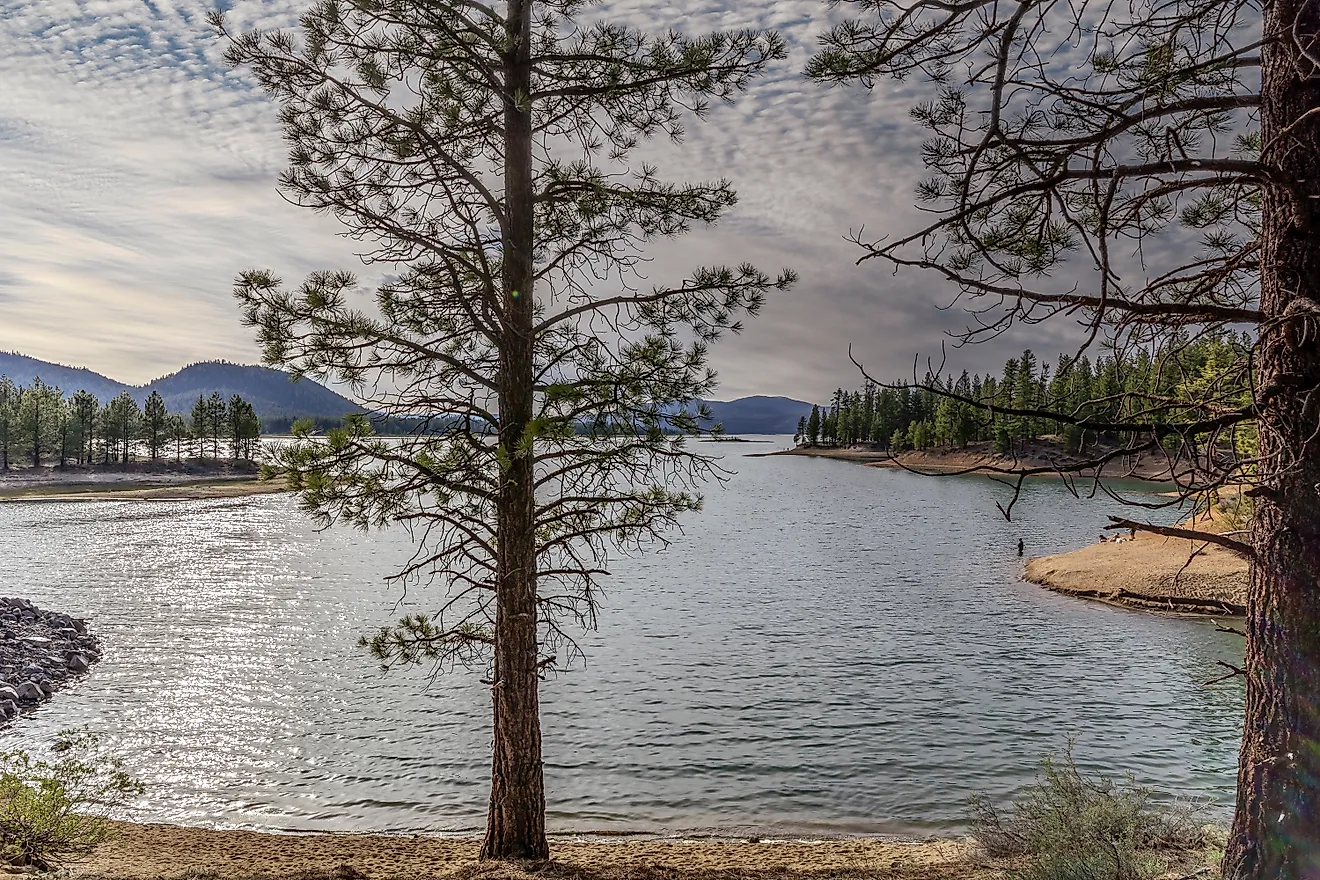
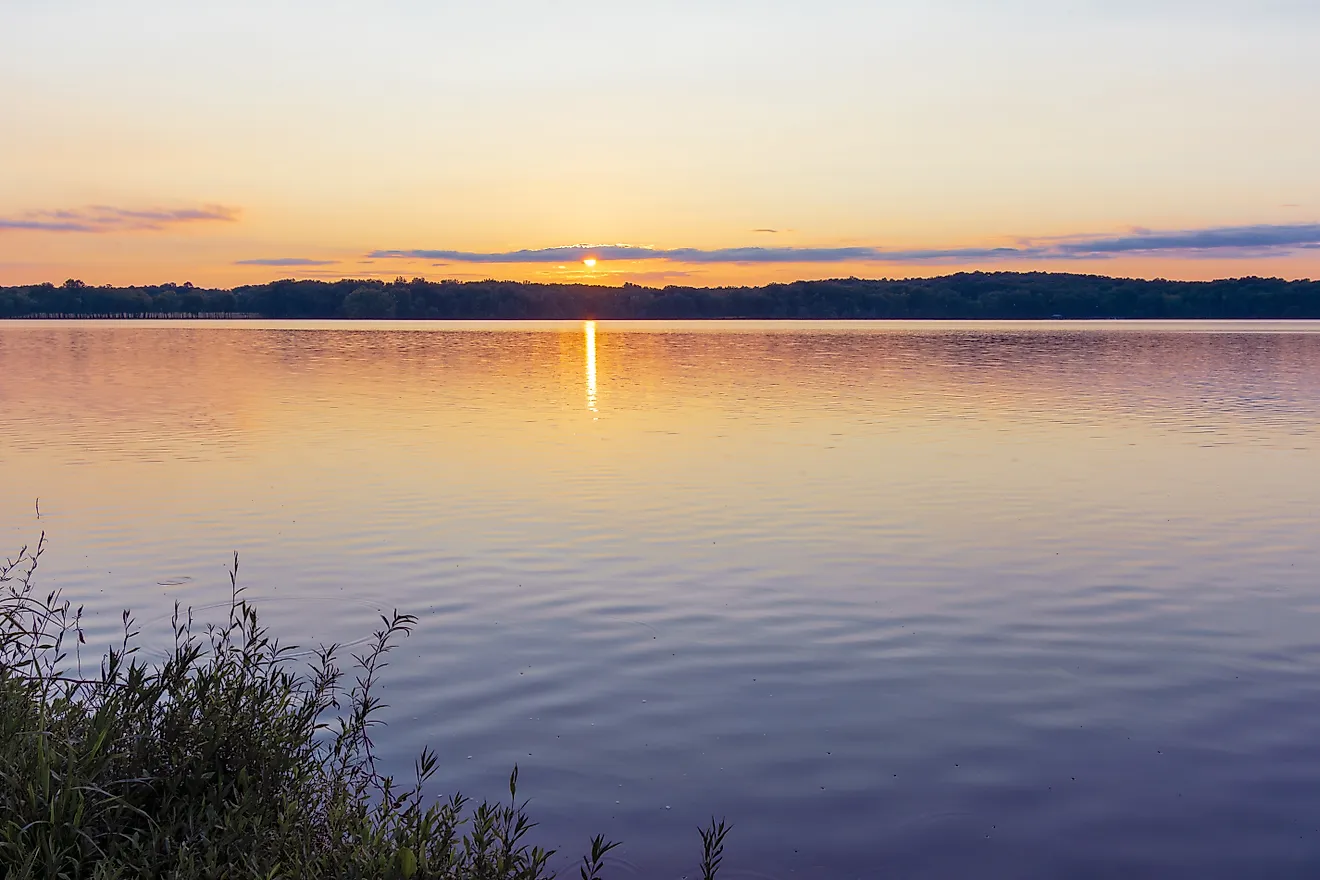
At 180 miles long, Lake Sakakawea is North Dakota’s largest lake and the third-largest man-made reservoir in the United States. Boasting more shoreline than California’s Pacific coast and home to three state parks, the lake is a major attraction for both locals and tourists. Most visitors head for Lake Sakakawea State Park, where you can swim, hike, camp, and boat on and around the 368,000-acre lake. It is also known as a fishing hotspot as it is well-stocked with walleye, northern pike, and chinook salmon.

Lake Sakakawea is beautiful, but given its size, it should be treated with respect. Large lakes are particularly dangerous in bad weather. After heavy rainfall or snowmelt, debris and logs may be washed into the reservoir, obstructing unwary boaters. In addition, rising water levels combined with boating traffic create high waves near the shoreline, posing a risk to swimmers and paddlers. The lake is also known for its strong winds, which, although good for windsurfers and sailors, can create rough conditions for boaters and swimmers.
Bowman-Haley Lake

Created by a dam of the same name, the Bowman-Haley Lake in southwestern North Dakota is a 1,740-acre reservoir offering year-round recreation, including camping, hiking trails, boating, and fishing.
Aside from its stunning scenery, the lake is also known for a more unfortunate reason. It frequently experiences Harmful Algae Blooms (HAB), which are recorded and monitored by the North Dakota Department of Environmental Quality (DEQ). When HAB levels get too high, as they often do in the warmer months, the DEQ issues a warning to the public to avoid the water. HABs occur when there is an overgrowth of blue-green algae. Toxins produced by the algae can cause allergic reactions, rashes, eye irritation, respiratory issues, and gastroenteritis. It is easy to spot the algae, which forms a crust on the water and looks like green paint or a foamy scum. Avoid water that looks as if it is contaminated and, if you do go in, rinse off with clean water immediately.
Devils Lake

The ominously-named Devils Lake is the largest natural body of water in North Dakota and is one of the best places in the state to fish. Nicknamed ‘the Perch Capital of the World’ and ranked one of the top five fishing lakes in the country, Devils Lake has plenty of perch as well as walleye, northern pike, and white bass.
Devils Lake’s primary hazard comes from its unique geology. A closed glacial basin unconnected to any feeder rivers or streams, the lake’s water levels rely on a complex balance between precipitation, run-off, and evaporation. This makes it very vulnerable to wildly fluctuating water levels and flooding. More than $1 billion has been spent on flood mitigation at Devils Lake after several episodes of catastrophic flooding. Fluctuating water levels make it even more important that boaters and swimmers check all alerts before using the lake.
Homme Dam
In 2024, the waters of the Homme Dam reservoir turned a disturbing dark green. The reservoir was experiencing one of the worst blue-green algae blooms in North Dakota’s history. Samples taken at the dam recorded harmful bacteria levels of 29,300 micrograms per liter, well in excess of the eight micrograms per liter considered safe by the Department of Environmental Quality.
The 186-acre reservoir was created in the 1940s and is prone to high nutrient loads from agricultural run-off. When chemical fertilizers run into the water from surrounding farmland, they disrupt the nutrient balance, which causes algae blooms. Visitors can still enjoy the Homme Dam Recreation Area, which offers scenic camping, canoeing, hiking, fishing, and boating, but should be careful to check for alerts and advisories before getting into the water.
Missouri River

The Missouri River enters North Dakota from Montana and winds south to the South Dakota border. Along the way, it offers visitors plenty of places to explore the mighty waterway’s lush river banks, shallow sandbars, and exciting rapids.

If you intend to swim, kayak, or canoe in the river, be extremely cautious. The Missouri has two factors that make it a very risky river. Firstly, it is high in sediment, which makes the water cloudy and has earned the river the nickname ‘Big Muddy.’ This lack of visibility means swimmers and boaters can often miss underwater hazards such as submerged logs, rocks, and other debris. The second consideration when enjoying the Missouri is its strong currents. A wide and fast-moving river, the waterway has strong undertows that can catch even experienced swimmers off guard.

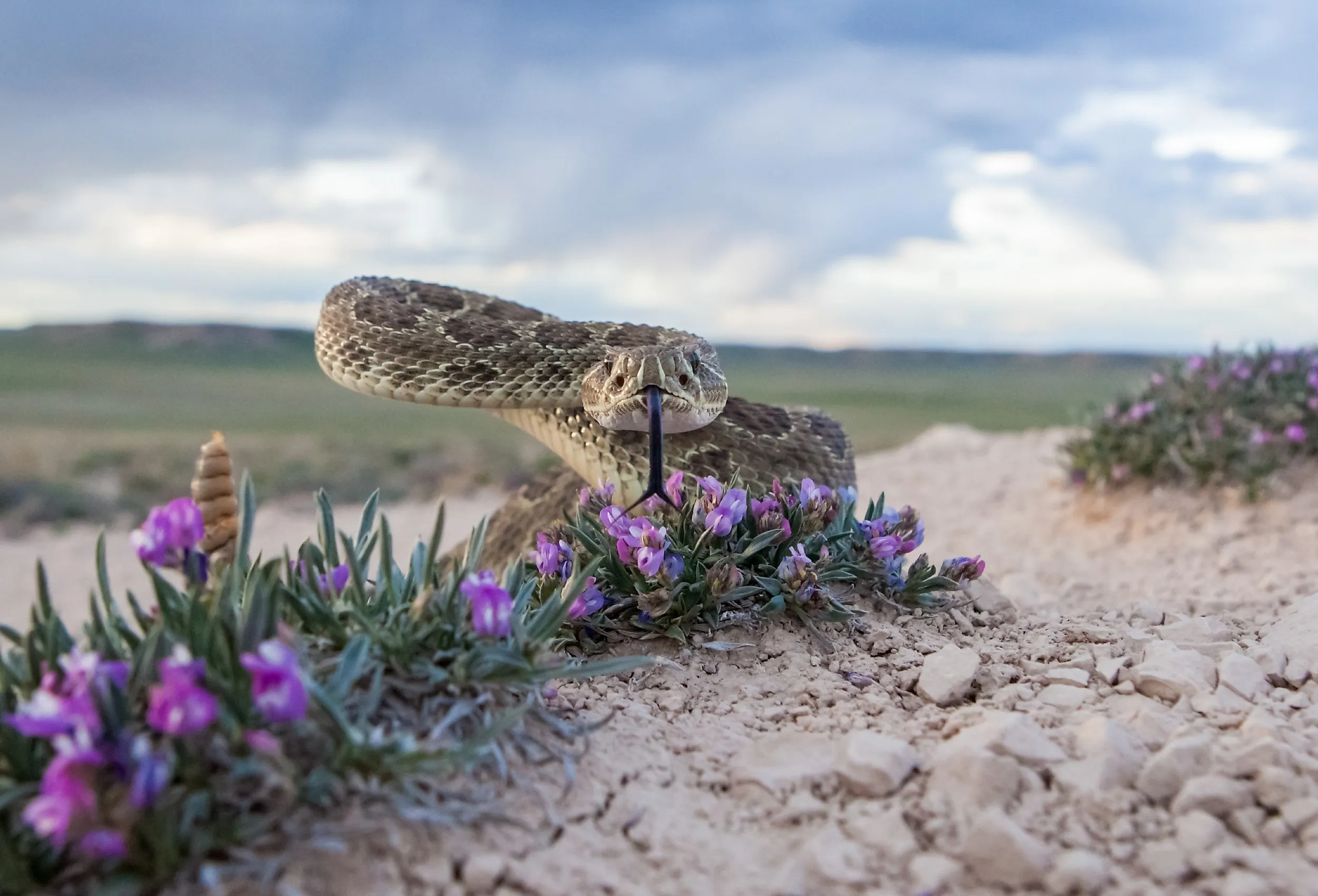
Another often-overlooked danger when visiting the Missouri River is the creatures that call the waterway home. The banks of the Missouri are the perfect habitat for Prairie Rattlesnakes, and a den has been recorded on the east side of the river where populations are being monitored by the North Dakota Game and Fish Department. North Dakota’s only venomous snake, the rattlesnake, can deliver a fatal bite, but encounters are very rare. The vipers are typically reclusive and will retreat if given space. If you are hiking near the Missouri River, stay on marked trails, watch your step, and make plenty of noise so snakes have time to leave the area.
Water Safety in North Dakota
Staying safe in North Dakota’s waters starts before you even leave the house. Before your trip, be sure to check the weather forecast as sudden storms and high winds can create dangerous conditions for boating and swimming. You should also check for North Dakota Department of Environmental Quality advisories on the DEQ website. The Department will issue an Advisory for bodies of water where algae blooms are present, and a Warning when the blooms cover a significant portion of the water.
If you are boating, kayaking, canoeing, or enjoying watersports, it is important to wear a life jacket. Accidents happen, and even experienced swimmers can find themselves at the mercy of strong currents and undertows. Lifejackets help you stay buoyant, buying vital time for help to arrive.
North Dakota’s lakes and rivers are year-round playgrounds. If you are visiting in winter, be especially mindful as frigid water temperatures greatly increase the risk of hypothermia. The ice-fishing season typically runs from late December to early March; however, ice levels can change quickly, so always check that it is safe before heading out.
North Dakota’s lakes and rivers can be dangerous, but they also offer some of the best scenery and recreational activities in the state. With some common sense precautions and advance preparation, everyone in the family can enjoy a relaxing day in and on the water.