The 5 Most Dangerous Bodies Of Water In New York
New York is home to countless lakes, rivers, and coastal waters that draw swimmers, boaters, and anglers alike. Beneath their scenic surfaces lie a number of hidden hazards, however. From strong currents and sudden weather changes to a variety of wildlife, pollution, and areas rife with boating accidents, even familiar waters can turn dangerous quickly. Understanding the risks of each of these locations will help you stay safe while enjoying the Empire State’s natural beauty, and with that, this guide explores some of New York’s most perilous bodies of water, offering insight and practical advice for anyone venturing in.
Hudson River

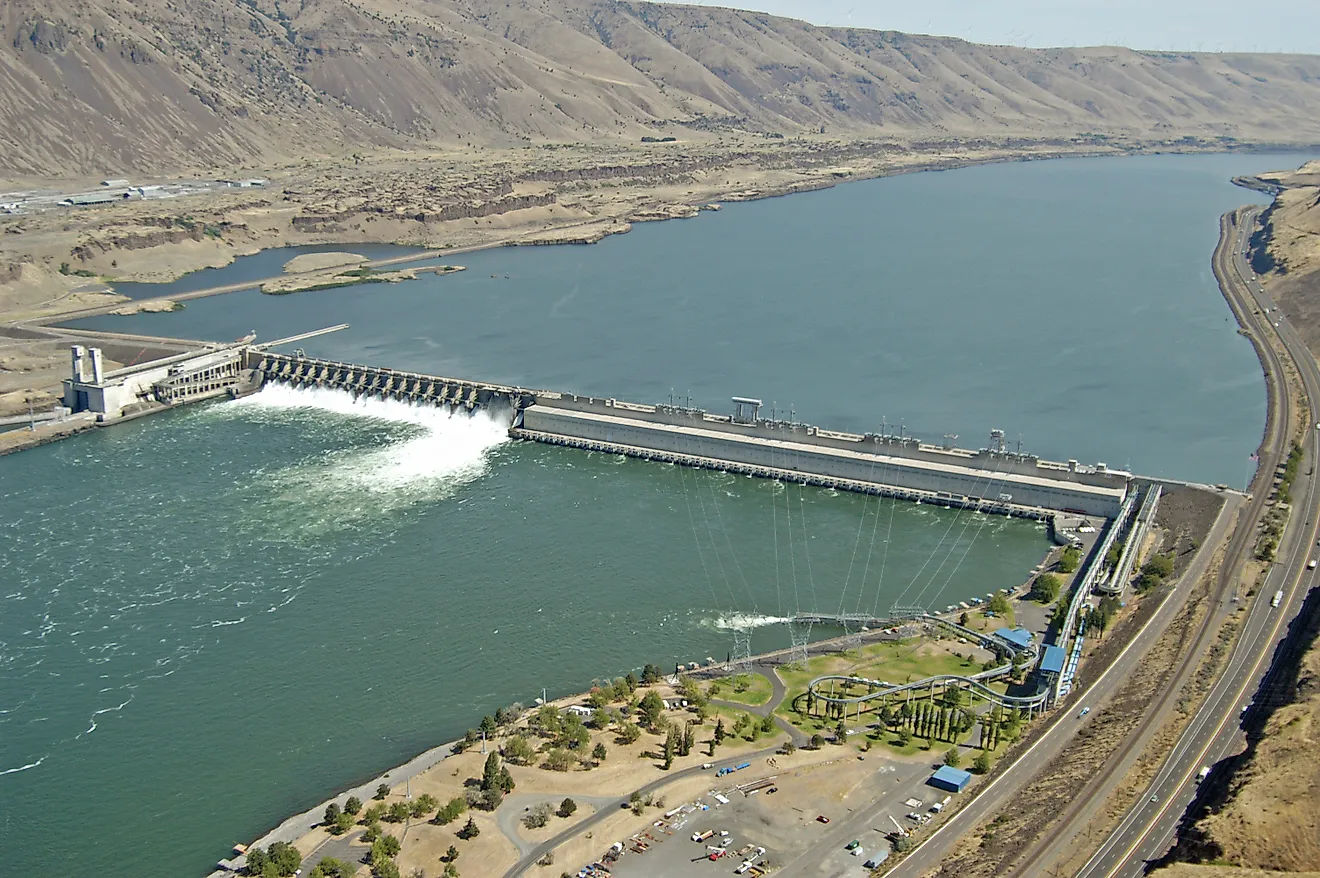
One of New York’s most deceptively dangerous bodies of water is the Hudson River, stretching about 315 miles from the Adirondacks to New York City. Its beauty hides strong tidal currents and hidden eddies that can easily overwhelm swimmers or small boats. In addition, sudden weather shifts, particularly in the spring and fall, can make conditions unpredictable, while water quality varies along its length, with higher pollution levels near urban areas.

Boating accidents are a real risk and should be taken seriously, regardless of your craft, especially in congested sections around Manhattan and the Tappan Zee (the lower end of the river). Even experienced paddlers and swimmers need to respect the river’s power, plan carefully, and check local advisories.
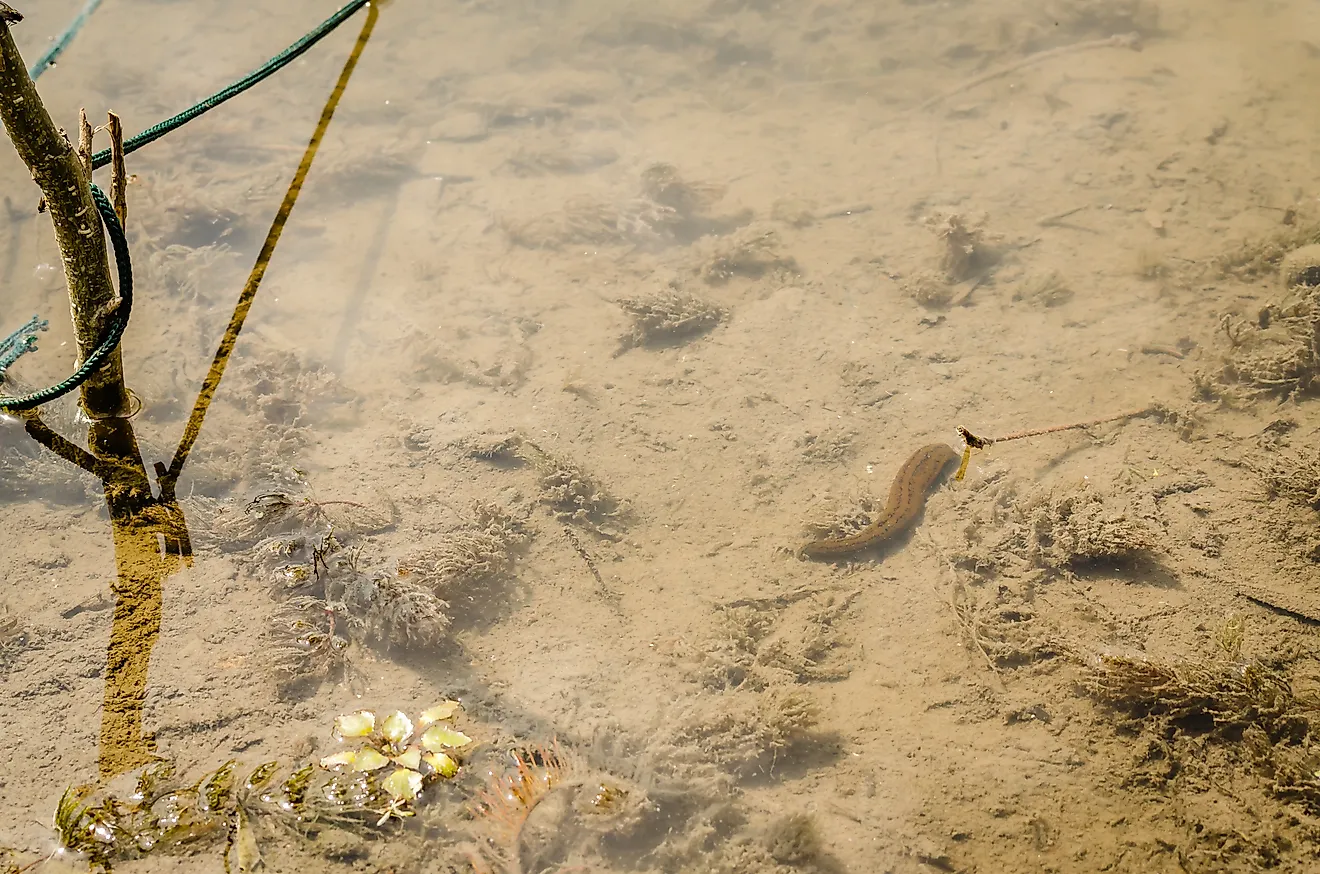
Wildlife adds another interesting layer of caution to this waterway, too, as oysters and other shellfish can harbor bacteria as well as pose as physical obstacles with their sharp shells, while fish in highly urbanized areas sometimes carry pathogens and heavy metals that affect humans who consume them. Furthermore, algal blooms are a growing issue, largely due to, again, pollution/poor environmental regulations.
Great South Bay

Long Island’s Great South Bay may look calm, but it hides several dangers for the unwary. Shallow waters with sudden drop-offs, shifting sandbars, and strong tidal flows can catch swimmers and small boats off guard. Boating traffic here is heavy in the summer, particularly increasing the risk of collisions, while seasonal storms can whip the bay into choppy, unpredictable conditions for all.
Water quality fluctuates in the bay, with occasional algal blooms and bacterial contamination, making swimming risky at times. Local wildlife, namely sand tiger sharks, aggressive snapping turtles, and stinging jellyfish, should also be heeded by swimmers. For other outdoor enthusiasts, including experienced anglers and paddlers, you must respect the bay’s many quirks at all times, as currents can change quickly, sandbars can trap boats, and weather can shift in minutes.

Although a popular destination for vacationers, there are clearly a number of factors in this waterway that you ought to know about before heading out in this otherwise highly populated corner of New York.
Niagara River

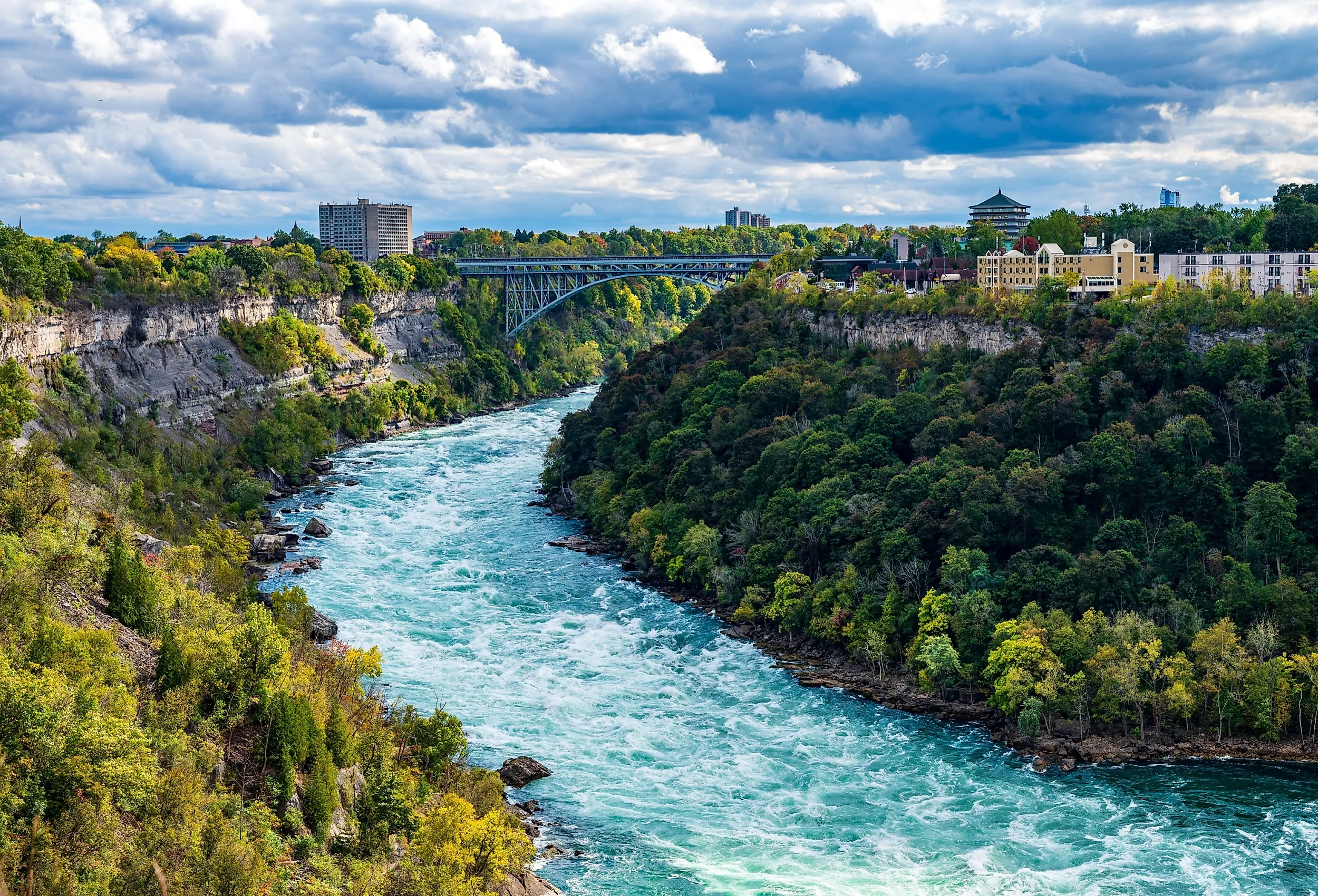
The Niagara River, connecting Lake Erie to Lake Ontario, is visually stunning but notoriously dangerous, and the immensely powerful currents and whirlpools near the rapids can sweep even the best swimmers and larger boats into its treacherous waters. Boating accidents are, in fact, a frequent concern, particularly around the busy tourist areas and near the infamous Horseshoe Falls. Even nimbler kayakers and whitewater enthusiasts face challenges from hidden rocks and sudden drops.
Seasonal changes worsen risks even further, with spring runoff and storm-driven surges increasing flow speeds dramatically, while winter ice creates slippery hazards along the shoreline. With that, authorities strictly regulate access near the rapids.

Niagara, although one of the most popular tourist draws in New York, showcases perfectly how natural beauty can often come with serious danger. Understanding how currents work, respecting warning signs, and using proper safety equipment are essential for anyone venturing into this raging river, where just one misstep can have devastating consequences.
Lake George

Lake George, in the heart of upstate New York, is renowned for its clear waters, cottages, resorts, and scenic Adirondack surroundings, but it does carry its fair share of hidden risks in its otherwise charming atmosphere, too. Sudden storms have been known to whip up strong winds and waves, making smaller boats and kayaks vulnerable. Boating accidents are especially common during the busy summer months, particularly near crowded docks and marinas.

The lake’s deep sections and strong currents have also contributed to numerous drownings, even among experienced swimmers. Moreover, seasonal temperature changes create cold water layers that can shock swimmers and complicate rescues, particularly in the spring and fall.
Despite its beauty, Lake George demands respect at all times of the year, and monitoring weather forecasts, wearing life jackets, and staying aware of areas with shifting water conditions can make the difference between a safe outing and a potentially dangerous situation.
Lake Champlain

Lake Champlain, straddling the New York and Vermont border, is quite the tranquil locale but still poses multiple hazards. Its expansive surface hides unpredictable currents, particularly near narrows and inlets, where sudden gusts can capsize small boats. Storms are also known to appear without warning, creating choppy waters that challenge even seasoned sailors.

Furthermore, the lake's many swimming areas carry risks from cold water temperatures (especially outside summer months) and sudden drop-offs in the lake’s deeper sections. Water quality here varies, too, with occasional algal blooms that can irritate skin or cause illness.
As with the other destinations on this list, boating accidents in Champlain are also common, particularly near crowded marinas and ferry crossings, so either be extra careful with where you go or opt to rely on a local guide to navigate.
Be Aware in these Waters
Knowing the specific risks of each body of water you enter is the best way to have a good time instead of potentially dying. Awareness, preparation, and restraint allow those who love the outdoors to enjoy these often beautiful places safely without underestimating their power, whether you're canoeing on a flat lake, swimming in the ocean, or going white water rafting.