The 4 Most Dangerous Bodies Of Water In Minnesota
It can go without saying that Minnesota is well known for its picturesque bodies of water, but not all of them are safe below the surface. With well over 10,000 lakes, countless rivers, and a huge shoreline along Lake Superior, danger often lurks beyond the scenic views and familiar recreational spots. Cold water temperatures, storms, currents, and boat traffic can turn ordinary outings into high-risk situations.
Today, we will examine the most dangerous waters in the North Star State, not to scare, but to inform outdoor adventurers across all seasons. Understanding where accidents commonly happen, and why, helps explain how quickly conditions can change and why preparation and caution matter throughout Minnesota year-round.
Lake Superior

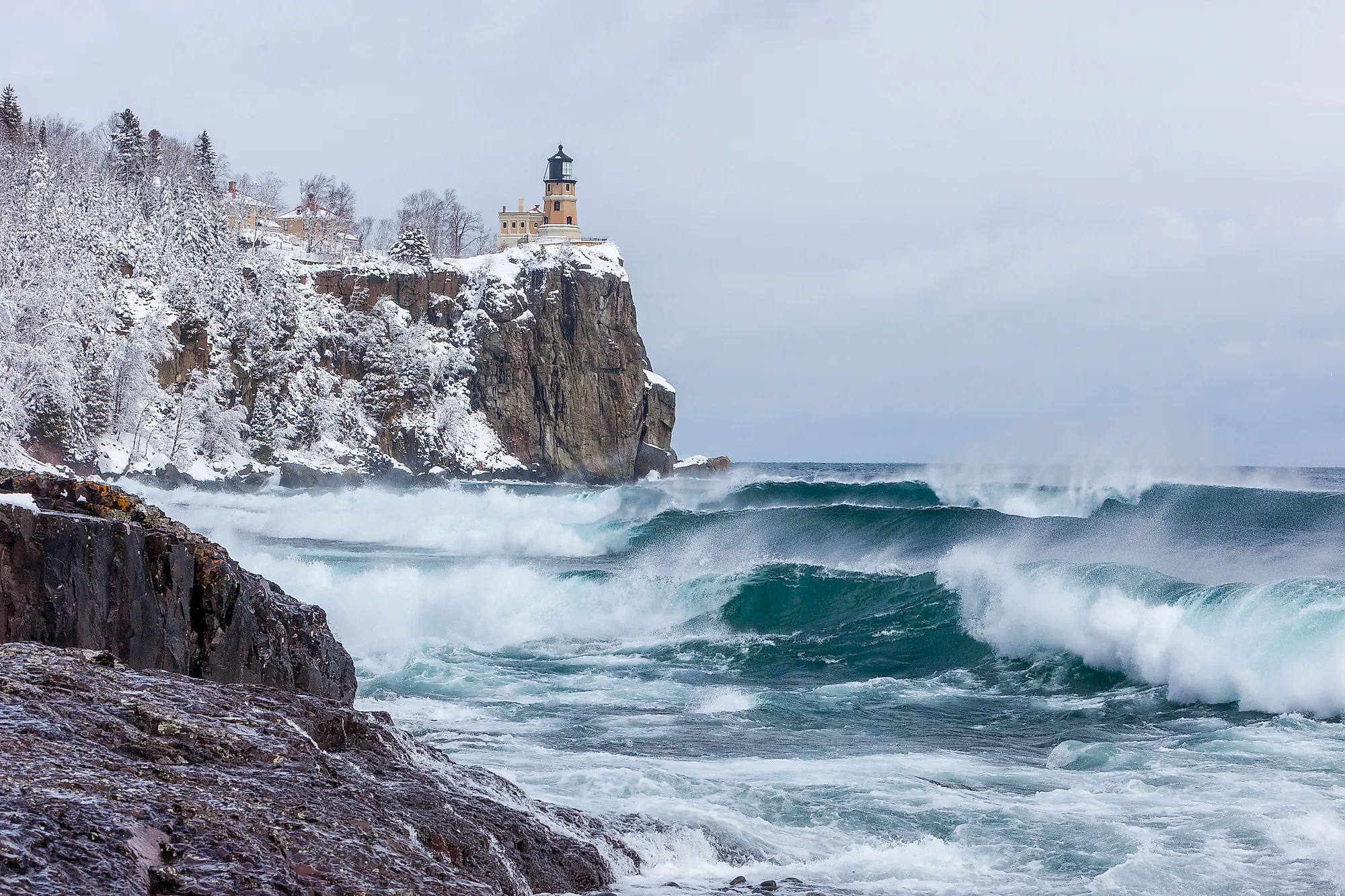
Lake Superior, with its immense size, can look relatively calm from shore at times, but it is by far the most dangerous body of water in Minnesota. Famous shipwrecks, like that of the SS Edmund Fitzgerald, as well as daily mishaps, have given it quite a reputation.
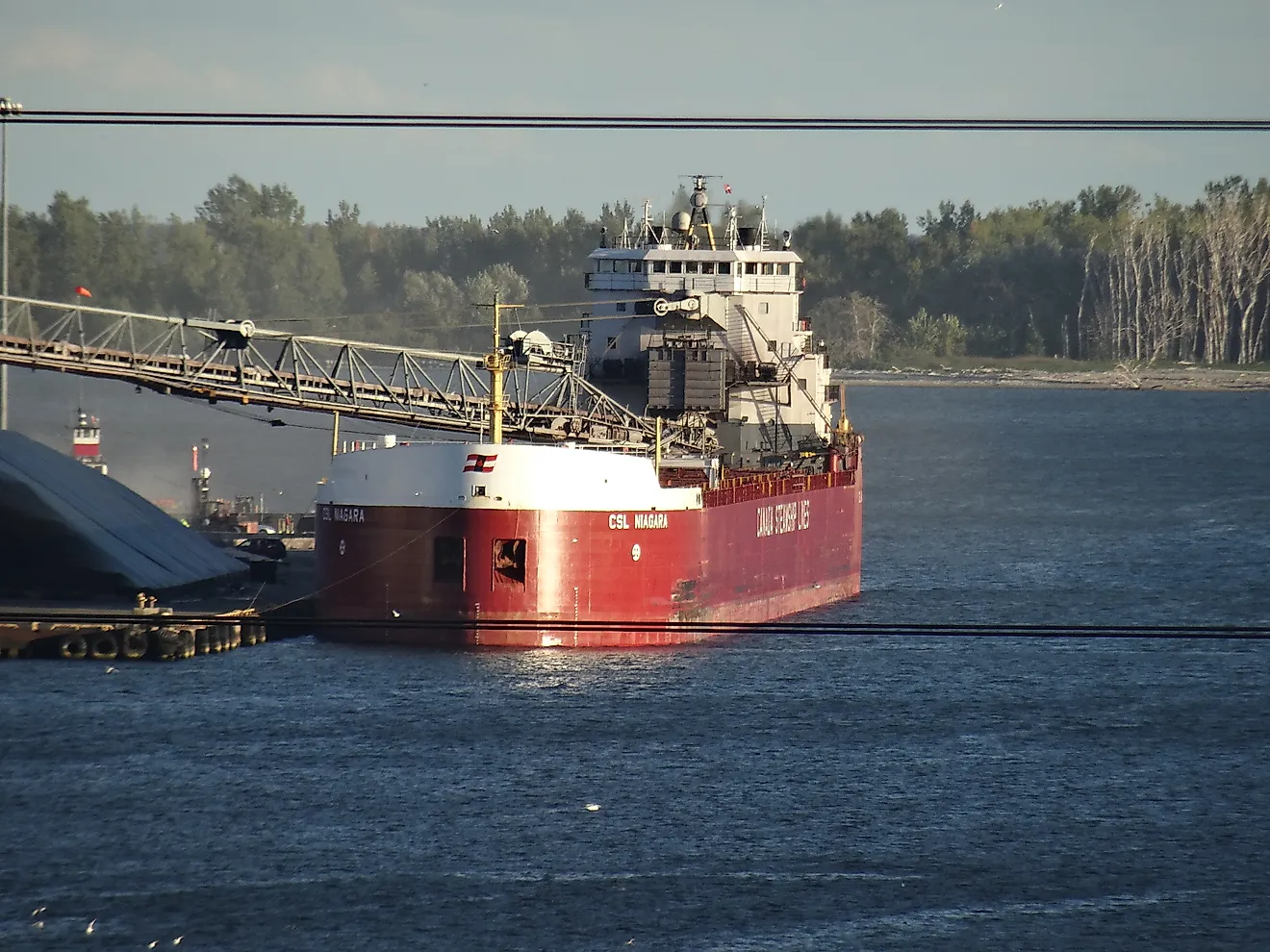
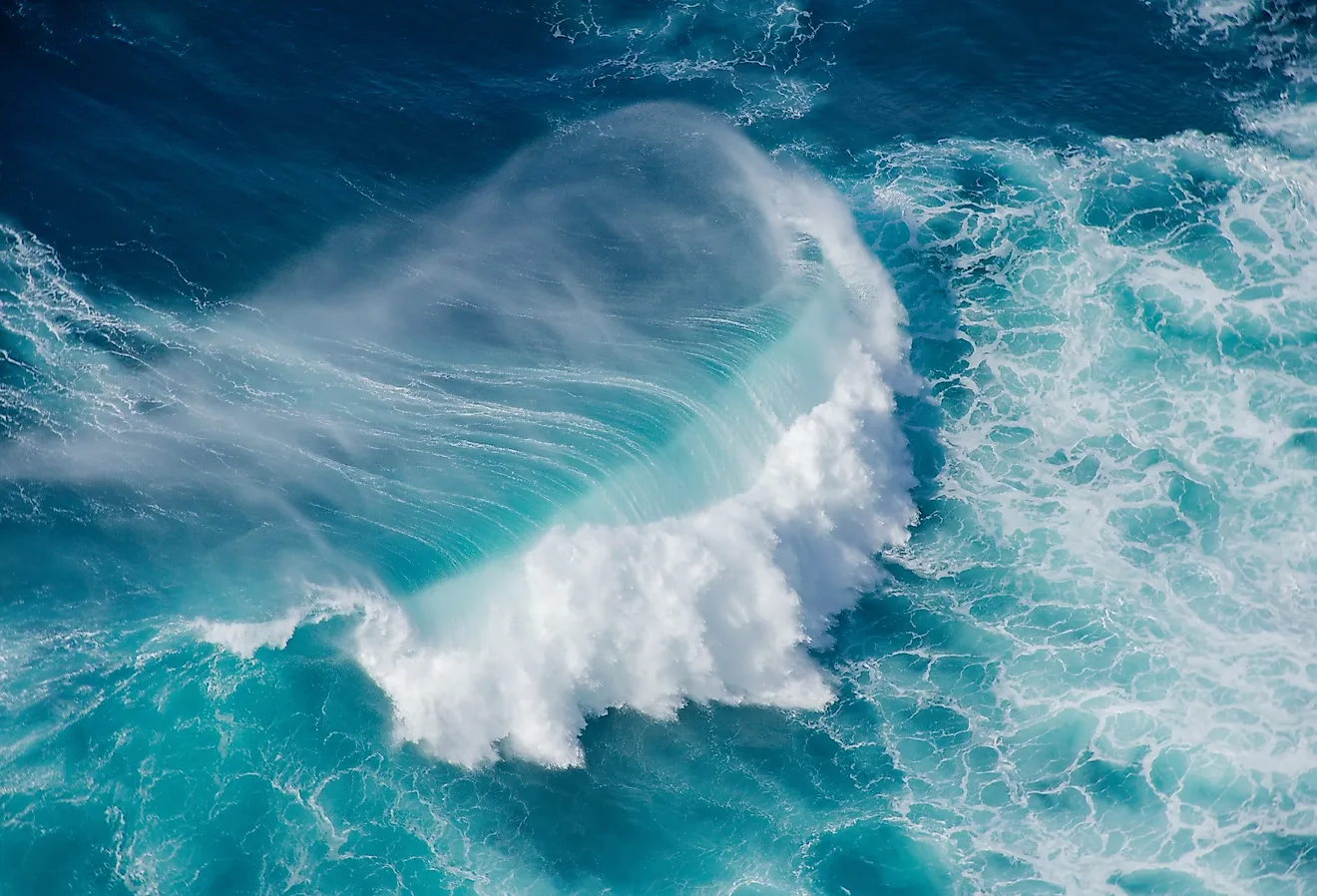
Cold is the primary threat. Even in midsummer, surface temperatures can remain low enough to trigger cold-water shock within minutes, quickly exhausting swimmers and paddlers and potentially leading to hypothermia. To add to this, sudden storms can roll in with little warning, generating large waves and powerful currents that can overwhelm even large cargo ships, as it was for the fateful crew of the Edmund Fitzgerald. Rip currents along the North Shore are also stronger than many visitors expect and are responsible for repeated drownings each year.
The lake’s immense size, covering about 31,700 square miles, has been known to create long-distance winds that push vessels far from safety before conditions visibly worsen. Add in rocky shorelines, limited rescue access in remote areas, and rapidly changing weather, and Lake Superior becomes an unforgiving force, much like an ocean. It rewards respect, preparation, and caution, however, and is easily one of the most beautiful bodies of water in the Midwest.
Mississippi River

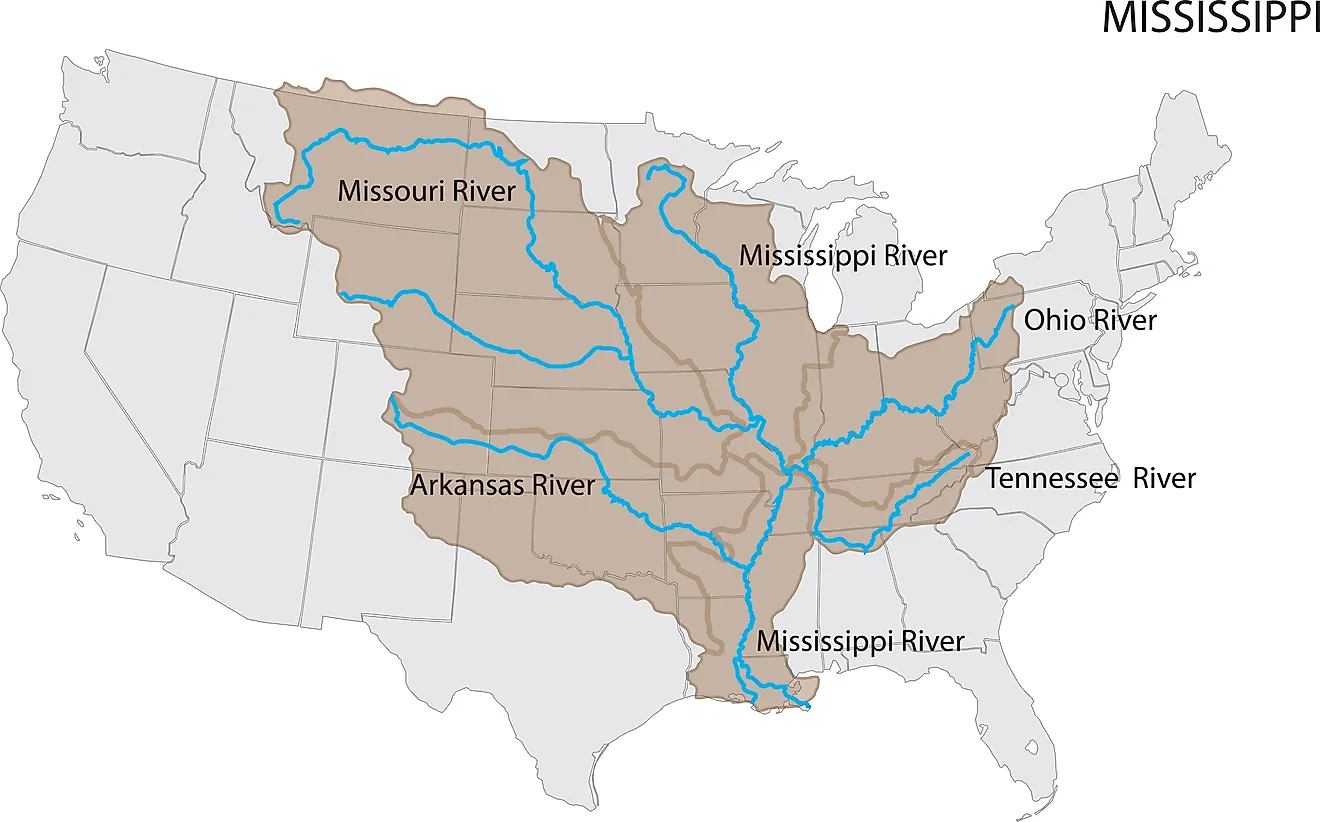
The upper Mississippi River is one of the most dangerous riverways in the state, especially north of the Twin Cities, where it narrows, quickens, and hides hazards beneath the surface. Flowing around 650 miles in Minnesota alone, strong currents, often the result of changing water levels, tend to be the main risk, as they can overpower swimmers almost immediately and flip small watercraft with little warning. Submerged trees, rocks, and debris, often invisible from above, also create deadly snags that trap people underwater, while cold water temperatures in this far northern stretch of the river for much of the year increase the risk of hypothermia, even during warmer months. Alcohol-related accidents are common along recreational stretches too, particularly in summer.
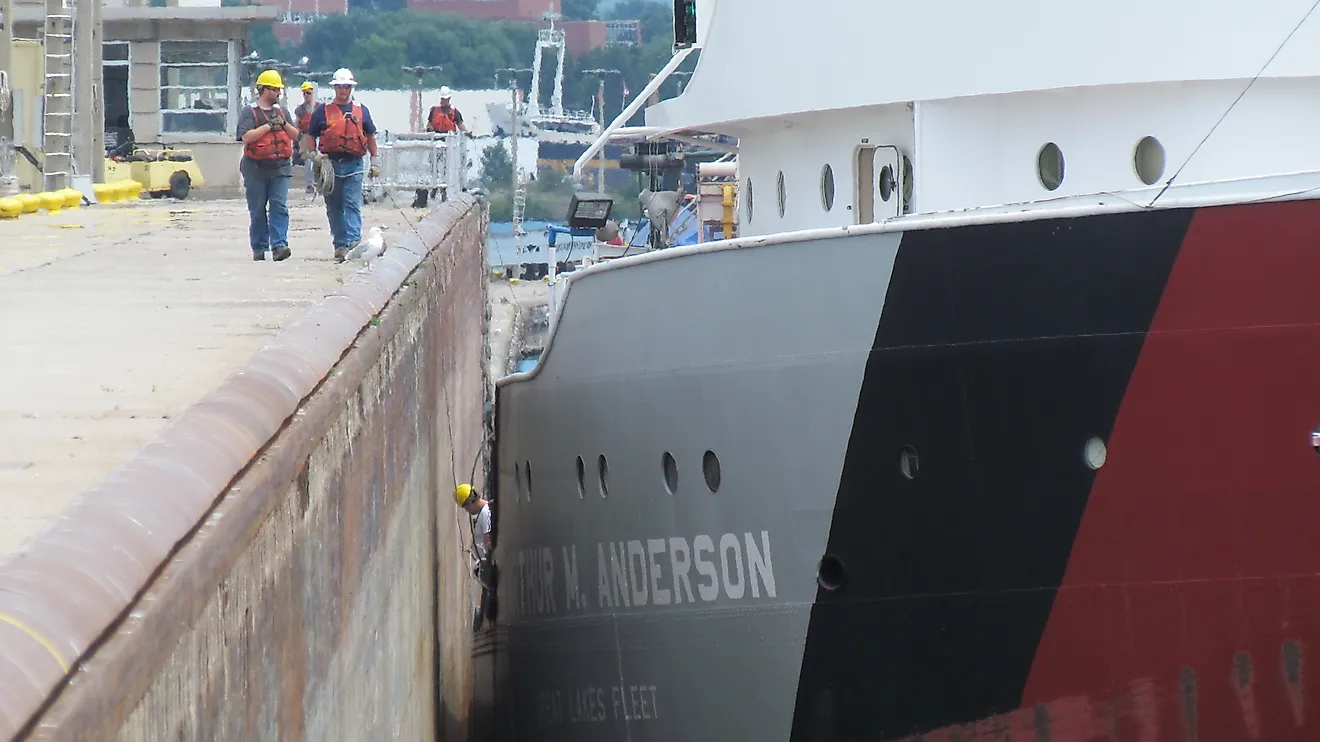
Moreover, several lock and dam systems add another layer of danger, producing powerful undertows and boil zones that pull boats and people back toward structures, and inviting heavy traffic from barges and other commercial boats. This also leads to pollution in the water, which can have long-term effects. Overall, while the Mississippi may look manageable in its quieter northern stretches and even calm, at times, it demands constant awareness and a healthy respect for safety in, on, and near the water.
Lake Minnetonka

Prince famously referred to Lake Minnetonka as having "healing waters" in the 1984 film Purple Rain, but it is ironically one of the more dangerous lakes in Minnesota. The biggest risks come from heavy boat traffic and alcohol-related accidents brought on by overly festive vacationers.
During summer, the lake becomes crowded with speedboats, pontoons, and personal watercraft, increasing the chance of collisions and propeller injuries. Its complex layout, hosting over a dozen bays, narrow channels, and shallow reefs, further creates navigational hazards, especially for inexperienced boaters. Night boating is especially risky due to limited visibility and confusing shorelines.
Windstorms can also whip up rough water that catches people far from shelter, whereas cold water remains a factor outside peak summer days, potentially turning accidental falls into life-threatening situations within minutes. To ensure a fun day on the water, know the risks and take the necessary safety precautions.
Mille Lacs Lake

Mille Lacs Lake has a surface area of 207 square miles but a surprisingly shallow depth, creating conditions that can change dangerously quickly. Winds in this central and flat portion of the state can build steep, choppy waves that are difficult for smaller boats to handle, especially far from shore. Also, because the lake is relatively shallow, waves stack tightly rather than rolling smoothly, increasing the risk of swamping and capsizing even more.
As with the other entries on this list, cold water dominates much of the year due to Minnesota's long, frigid winters, making falls overboard hazardous during spring and fall fishing seasons. In winter, however, ice conditions can be unpredictable, with pressure cracks and shifting ice sheets posing serious risks to snowmobilers and ice fishermen. Heavy fishing traffic all throughout the year adds to the danger, particularly during peak vacation season when boats tend to cluster in open water. Just be aware of your craft's position and capabilities, and never embark while under the influence.
Staying Safe on Minnesota's Lakes and Rivers
Many of Minnesota’s most dangerous bodies of water share a common trait in that they are grossly underestimated. Heavy recreational use and harsh climate conditions often turn familiar lakes and rivers into serious hazards. While these waters are not inherently deadly, they demand a certain level of skill and awareness. Knowing the risks helps explain why accidents happen, and why preparation, restraint, and local knowledge are just as important as swimming ability or boating experience.